" We don't sell the wine without touching the vine "
| BUY MORE! SAVE MORE! | ||||||||||||||||||||
|
| Country: | Chile |
| Region: | Colchagua Valley |
| Winery: | Siegel |
| Grape Type: | Cabernet Sauvignon |
| Vintage: | 2017 |
| Bottle Size: | 750 ml |
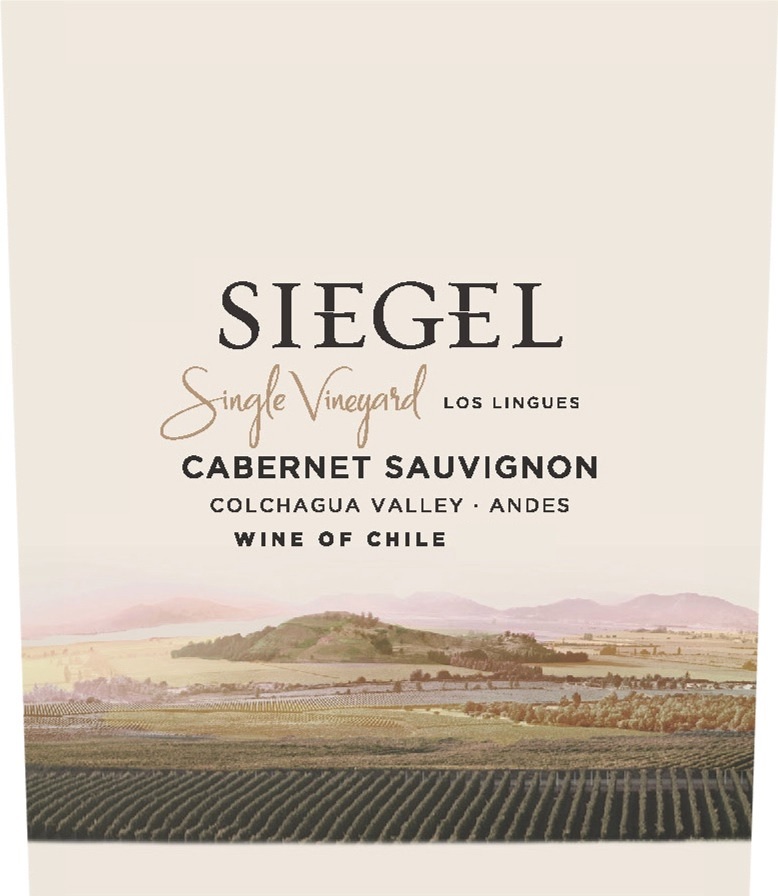
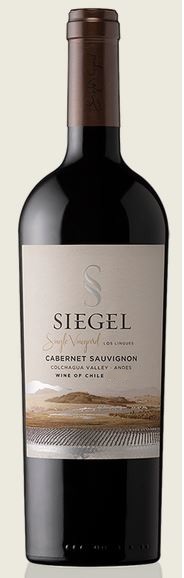
Siegel Single Vineyard Los Lingues Cabernet Sauvignon is made from 100% Cabernet Sauvignon.
Viña Siegel Single Vineyard Cabernet Sauvignon is the result of our family's continuous search for quality wines with personality which faithfully reflect the best of our terroir. This wine comes from selected grapes from our "Los Lingues" vineyard in Alto Colchagua.
Located in the foothills of the Andes where the influence of the Andean winds result in an elegant Cabernet Sauvignon with great concentration of ripe red fruits, cassis and chocolate, and a balanced, richly structured, and long finish.
An intense violet color. Smells of cassis and is complemented with notes of mature red fruit and chocolate. A round and elegant wine with an excellent final persistence.
After carefully determining the moment for the harvest, the grapes are harvested by hand and later de-stemmed and marinated in cold temperatures for 5-6 days. Alcoholic fermentation is between 26ºC and 29ºC during which daily reassembly is implemented according to taste.Post-fermentation infusion lasts for two or three weeks. Once the blend is made, the wine is gently clarified and stabilized in cool temperatures if necessary.
Review:
"The 2017 vintage of the Los Lingues Cabernet Sauvignon is in every respect the equal of the 2016, which we rated highly. It begins with smoky, dark fruited nose and proceeds to a round, silky, well balanced palate of mineral-inflected, herbal-tinged dark cassis. There’s a sense of refinement and balance to this wine."
- I-winereview.com (March 2022), 92+ pts
The Vina Siegel Crucero Estate
Alberto Siegel was born in Santiago in 1946, the third generation in Chile of an Austrian family. His grandfather was an Austrian architect that built some very important and traditional buildings in downtown Santiago, at the beginning of the 20th century, including the Chilean Federal Reserve.
His father, Don Germán, was a viticulturist that spent most of his career in charge of Viña San Pedro’s vineyards near the town of Molina, 140 miles south of Santiago. There Alberto grew up, literally in the middle of the vines. It was not a surprise when he decided to study Agronomy and specialize in winemaking at the Universidad Católica in Santiago.
After finishing high school, he spent a year working in wineries in Germany, and upon his return in 1971, he joined the German company Bayer. His job was to sell fertilizers to farm owners in the Colchagua area, 100 miles south of Santiago. Through this job he got to know almost every land owner, most of which were grape growers and wine producers.
A few years later and as a natural consequence, he started to act as a wine and grape broker, selling the production of small owners to the big Chilean wineries. He established Sociedad La Laguna, and he soon became the most important Chilean broker in this field, a position that he holds today by far. There is hardly any Chilean person or company involved in the wine business that has not dealt with Alberto Siegel at least once.
In parallel, and together with his father, Alberto founded Viña Siegel in 1980. They started planting vineyards in Colchagua and building the Winery in Santa Cruz. When Don Germán died in 1998, Alberto became the owner, together with his family. In the beginning, Viña Siegel only sold bulk wines to the biggest Chilean wineries, like Concha y Toro, San Pedro and Santa Rita. In 1997, Alberto decided to enter the bottled wines business and made the necessary investments to go ahead with this project.
Today, the winery has a capacity of over 3 million gallons and the company owns over 1,850 acres of vineyards in Colchagua. Their wine cellar has state of the art technology, such as vertical pneumatic presses, vacuum filters, and stainless steel tanks with total temperature control, for both cooling and heating. Viña Siegel Winery is still a family operation, with Alberto Siegel as chairman and chief winemaker. The winery has two consultants in enological matters.
The Vina Siegel Crucero Vineyard
The varieties of grapes grown are Cabernet Sauvignon, Merlot, Carménère, Syrah, Chardonnay and Sauvignon Blanc, with other new varieties being added as markets demand. Viña Siegel is currently working with terroir consultant Pedro Parra to design a new site in Los Lingues, which will be planted with several new varietals, including Carignan, Grenache, and Mourvedre. The winery produces a range of varietal wines, along with reserve wines that highlight the quality of the grapevines born in this valley. The Colchagua Valley is truly a synthesis of the country’s way of life and wine has been produced here since time out of mind. This area, which has deservedly been raised to the category of estate bottling in wine making, has maintained its prestige due to the great quality of its wines. One of its noted symbols is its high quality Cabernet Sauvignons, and its red wines in general. Its variety of soils and climatic variations, some warmer, some cooler, have given the region innumerable attributes for grapevine cultivation.
Sale price good on website only and wine must be shipped to your home.
Siegel Reserve Red Blend 1234 is made from 50% Syrah, 30% Carmenère, 10% Cabernet Franc and 10% Petit Verdot.
Deep ruby color. Intense aromas of black fruits, white pepper, spices and a hint of clove. The blend of four varieties gives a complex, deep wine with juicy tannins, good volume and very balanced.
Pre-fermenting cold maceration for five days, alcoholic fermentation at 26-28 C to obtain color and structure. Post fermentation maceration of two to three weeks according wine tasting and then the wine is separated from the skins. The wine ends its malolactic fermentation in tank. Harvest: by hand (30 day harvest window)
Paella, Confit de Canard (duck confit) and pastas.
Schwarz Meta Mataro is made from 100% Mataro (a.k.a. Mourvedre).
Meta: An abstraction from a well-known concept. Fruit sourced from Bethany and Marananga.
Dark, spicy and built for max expression. Built over a foundation of blackberry and red plums this is a punch, expressive Mataro of spice rubbed meat, tea smoke and beef jerky. All dark, brooding and masculine in its fragrance, the palate is expansive with punchy tannin and sweet cinnamon spice.
Coming from 2 different vineyards. Average age of the vines is 90 years old for the first parcel and 70 years old for the second parcel. Hand-picked, wild yeast, 72% whole bunch.
Minimal use of Oak, the majority is aged in tank in order to avoid oxydation.
Pairs with pizza, pasta, burger, charcuterie and mild cheese.
Review:
A gorgeous, glossy purple hue. Saturated dark fruit scents melding with smoked meat and violet. The tannins, a ferrous timbre. This has no pretence. Just an honest Mataro, scented with fidelity, extracted appropriately and easy to drink. Delicious! - Ned Goodwin"
- Halliday Wine Companion (August 2020), 95 pts
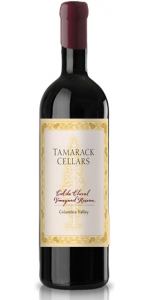
Tamarack Ciel de Cheval Vineyard Reserve holds dark and chocolate nauces, spiced with pretty notes of allspice and clove, this wine is round and rich, bursting with ripe berries, combined with an earthy complexity and a velvety finish.
Cabernet Sauvignon makes up half of this blend, with the balance Cabernet Franc, Petit Verdot and Merlot
The wine spent 22 months on 75% new French oak with the remaining 25% second vintage French oak. Select barrels from the best forests of Taransaud, Boutes, Quintessance, and Vicard cooperages.
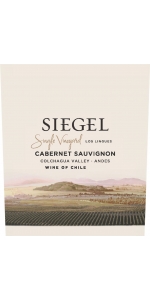
Siegel Single Vineyard Los Lingues Cabernet Sauvignon is made from 100% Cabernet Sauvignon.
Viña Siegel Single Vineyard Cabernet Sauvignon is the result of our family's continuous search for quality wines with personality which faithfully reflect the best of our terroir. This wine comes from selected grapes from our "Los Lingues" vineyard in Alto Colchagua.
Located in the foothills of the Andes where the influence of the Andean winds result in an elegant Cabernet Sauvignon with great concentration of ripe red fruits, cassis and chocolate, and a balanced, richly structured, and long finish.
An intense violet color. Smells of cassis and is complemented with notes of mature red fruit and chocolate. A round and elegant wine with an excellent final persistence.
After carefully determining the moment for the harvest, the grapes are harvested by hand and later de-stemmed and marinated in cold temperatures for 5-6 days. Alcoholic fermentation is between 26ºC and 29ºC during which daily reassembly is implemented according to taste.Post-fermentation infusion lasts for two or three weeks. Once the blend is made, the wine is gently clarified and stabilized in cool temperatures if necessary.
Review:
"Dark olives, cassis and some fresh herbs. A medium-to full-bodied red with fresh, bright acidity and tight tannins. Sustainable. Drink now."
- James Suckling (June 2022), 90 pts
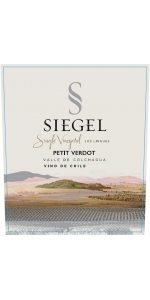
Siegel Single Vineyard Los Lingues Petit Verdot is made from 100 percent Petit Verdot.
The grapes were grown on the Los Linques "Reserve" hillside, blocks 23, 24 & 25. The wine offers elegant notes of tobacco, mocha and roasted coffee beans. It presents soft tannins, wine of great balance with a persistent and long finish.
Pairs with red meat, particularly lamb.
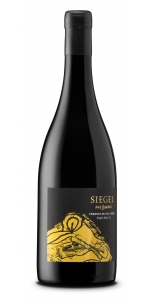
Siegel Los Lingues Single Block 21 Mediterranea is made from 45% Garnacha, 40% Carignan and 15% Syrah.
This Mediterranean red blend from Siegel shows a beautiful red color with violet notes, a great aromatic expression with some notes of raspberries and blackberries with slight toasted notes. On the palate it is a round wine with good acidity and long finish.
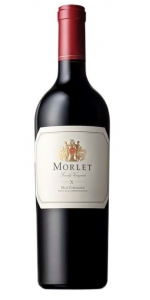
Morlet Family Vineyards Mon Chevalier Cabernet Sauvignon is made from 94% Cabernet Sauvignon 6% Cabernet Franc .
Located on the hillsides of Knights Valley, near Calistoga, this vineyard benefits from its proximity to Mount St. Helena, whose warm and windy climate is ideal for the long ripening of the Bordeaux red varietals. Handcrafted by using classical winemaking techniques, this special wine is dedicated to our son, Paul Morlet.
Dark red with a hue of purple. Intense and complex bouquet of red, black and blue berries intermixed with notes of blueberries, minerals (graphite, wet river rocks) licorice, fresh blond tobacco and a hint of lavender. Full bodied, the palate is reminiscent of the nose, with a richly tannic yet round frame and a great intensity. The hillside tannins and the classical aromatic complexity create a harmonious ensemble, leading to a very long and elegant finish. Built to age for decades, this collectible wine opens up after a few years of cellaring and is particularly representative of this special vineyard from the hillside of Knights Valley. Mon Chevalier features the interaction of the loamy, well drained and rocky volcanic soil, the typical sunny mountain climate and the low-interventionistic Morlet winemaking approach.
Propietary Name Mon Chevalier
Name Meaning My Knight Named after our son, Paul Morlet
Type of wine Vineyard designated
Appellation Knights Valley
Vineyard singularity Morlet Family Estate Hillside 1100-1200 feet elevation Rhyolitic, loam & volcanic ash
Typical harvest date End of October
Picking Manual, small lugs, refer truck
Sorting Cluster by cluster, berry per berry
Fermentation Through native yeast Tank and Puncheons
Upbringing 16 months French oak from artisan coopers
Bottling Unfiltered
Cellaring time Decades
Serving Room temperature
Decanting recommended
Review:
The 2017 'Mon Chevalier' is rich, deep and unctuous, with all the character that makes wines from this site so exciting. Graphite, inky blue/purplish fruit, spice and lavender infuse the 2017 with tremendous complexity. In the glass, the 2017 is savory, rich and expansive, not to mention hugely appealing.
-Vinous 96 Points
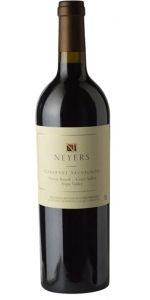
Neyers Cabernet Sauvignon Neyers Ranch is made from 100 percent Cabernet Sauvignon.
"We harvested the 2017 Cabernet Sauvignon crop from our Conn Valley Ranch in the first week of October, a week later than we picked the same vineyard the prior year. The size of the crop was about 20% smaller in 2017 as well, mostly due to the cold, wet weather we experienced in spring during flowering. Grapevines are self-pollinating, and cold, windy or damp weather interferes with this process, a problem known the French call coulure. Ironically, the harsh spring weather of 2017 had a huge impact on the size of our crop. Still, this smaller crop ripened fully and evenly, and at harvest time we picked beautiful, dark-colored clusters under near-perfect conditions. The finished wine was immediately remarkable for its flavor and complexity, and the wine looks to be one that will improve for many years. During my career in the Napa Valley wine business, I’ve learned to expect the best wines from cold years like 2017. These are vintages that are viewed initially with lowered expectations, but my experience has been just the opposite. Going back to my first Napa Valley harvest in 1971, these ‘colder years’ invariably result in wines with brighter, more attractive flavors, and the wines age longer and more gracefully.
Following harvest, the wine was fermented using wild, native yeast in an temperature-controlled stainless steel tank. After 45 days or so, the tank was drained and the pomace pressed, and the wine transferred to 60-gallon French oak barrels, 25% of them new. During the first year, we racked the wine off of the yeast lees three times, and by May 2019 it had been sufficiently clarified to bottle without fining or filtration. I am especially impressed by its bright ruby hue, a color so commanding it reminded me of the 1995 red Bordeaux wines I tasted from barrel during my trip to France in the Spring of 1996. It’s loaded with flavors that range from wild cherry to chocolate, enhanced by the lovely hint of tobacco leaf and mint. Each aromatic component has its own individual fascination, but all of them together provide a remarkable experience. Here’s a complete Napa Valley Cabernet Sauvignon that we expect it to improve for 20 years. It's a from a very small crop that will provide decades of pleasure." - Bruce Neyers
Review:
Attractive aromas of blueberries and lavender follow through to a medium body, firm and silky tannins and a slightly chewy finish. Needs a couple of years to soften. Better after 2022.
-James Suckling 93 Points
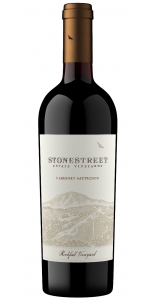
Stonestreet Estate Vineyards Rockfall Cabernet Sauvignon is made from Cabernet Sauvignon.
Sourced from one of our highest elevation vineyards, the 2017 Rockfall Vineyard Cabernet Sauvignon features a true wildness that expresses the rugged growing site 2,000ft above the fog line. Elegant aromas of blueberries, cassis, graphite and black tea with complex undercurrents of baking spices. This wine balances power with elegance through to its savory palate with a generous structure and ample tannins. The structure of this wine allows for many years of cellar aging to continue to bring out nuanced flavors and complexity.
Review:
The Rockfall Vineyard is between 2,000 and 2,200-feet in elevation, and the wine that originates there is powerful and concentrated in style, with robust red-fruit and mineral tones. Herbal and classic, it shows elegance and integrated oak and tannin within its context of intensity and structure. Enjoy best from 2027–2037. Virginie Boone
-Wine Enthusiast 96 Points
Boussey Volnay Premier Cru Les Taillepieds is made from 100 percent Pinot Noir.
The grapes for this Volnay Premier Cru Les Taillepieds are coming from the vineyard located in the middle of the coteau, halfway up the hill, with a very nice South sun exposure, allowing to reach an optimal ripeness every year.
The wine displays a nice ruby and garnet color. It boasts aromas of red and black fruit, fig, and violet.
It always has a lot of finesse and elegance, but also a great length to the finish, with juicy and round tannins.
Pair with frog legs with parsley and garlic, omelette, duck and cheese.
Slightly filtered before bottling.The wine is then aged in French Oak barrels for 12 months. (25% new barrels).
The Volnay Premier Cru Les Taillepieds is vinified in temperature controlled stainless steel tanks.
Surface area : 0.2 hectare (0.49 acres)
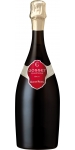
Gosset Grande Reserve Brut is made from 45% Chardonnay, 45% Pinot Noir, 10% Pinot Meunier.
The color is bright and golden, the nose open and expressive, and the palate is dominated by a refreshing mineral tension.
Gosset Grande Reserve is a truly faithful expression of the Gosset style. To achieve a cuvee of this quality, the cellar-master has blended the best of the various champagne crus at the grape- harvest with wines specially chosen from our reserve stocks for their richness and maturity.
This champagne is the perfect accompaniment to mild and subtly spiced dishes with cooked fruit, sweet/savory dishes or tajines. A blend of three vintages, the Grande Réserve Brut is adaptable by nature — from apéritif to dessert.
Review:
The nose opens with the fresh ripeness of yellow apple and highlights of Granny Smith. It has beautifully subtle autolysis on the palate, deepening into notes of creamy apple crumble, Golden Delicious and Mirabelle plum, while remaining utterly strait-laced. Elegance, length and absolute freshness are inherent and quietly convincing.
-Decanter 94 Points