
" We don't sell the wine without touching the vine "
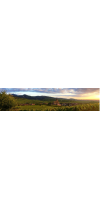
An exceptional environment
The vineyards surrounding Hunawihr whisper the timeless story of the village’s cherished bond with the world of wine. As you wind your way up the picturesque, narrow streets, you can appreciate the Alsace traditions passed down over the centuries as they seep from the timber-framed, geranium-bedecked homes.
Nestled at the top of the village, you will find Sipp Mack, a 9th generation family winery, currently run by Laura and Jacques Sipp with their daughter, Carolyn.
Generational winemaking relays
The Sipp Mack winery was created in 1959 following the marriage of two winemaking families, François Sipp from Ribeauvillé and Marie Louise Mack from Hunawihr. In 1983, following his viticulture and enology studies, business school and work experiences in American wineries for 2 years, their son, Jacques, returned to Alsace to join the family estate. He brought his wife, Laura, a Californian graduate from the University of California Davis wine program, back with him.
Jacques and Laura brought new vision to the vineyard and winery operations. Their desire to make consistently high quality, pure wines that reflect their soils led them to combine Alsatian traditions with modern technology and production methods that protect the environment. After years certified sustainable farming and integrated pest management, they converted the entire domain to certified organic farming.
Today, a new breeze flows through the family winery with the arrival of their daughter, Carolyn. Her dynamism and creative ideas enrich and consolidate the domain’s artisanal viticulture and winemaking approach.
Rooted in history yet open to the future, each generation brings initiatives and encouragement to the preceding generation while nourishing each other with their experience.
A modern vision
By recognizing the value of team work among their staff, they strive to create a fulfilling and dynamic work atmosphere.
Not surprisingly, Sipp Mack has evolved over the years. Fifty percent of the wines produced are now available in several export markets. In spite of the relatively rapid changes, the estate has managed to keep its family-oriented nature and its appreciation of its rich heritage. Locals, wine amateurs from near and far, and tourists looking for “the road less traveled” enjoy sharing conversations (often multilingual!) around the tasting room table, surrounded by beautiful artifacts from the past nine generations.
Named after the wild roses growing along its border, the Grand Cru Rosacker vineyards extend to the north of Hunawihr over a surface of 26.18 Ha (64.7 acre). The vineyards face east-south-east at an altitude between 260 and 330m. The soil, a heavy, grey limestone with intertwined layers of marl (calcareous clay), is very rich in calcium and magnesium.
Sipp Mack cultivates 2.10 Ha (5.2 acre) of Riesling Grand Cru Rosacker.
Young, the Riesling Rosacker has a racy, firm temperament with a sharp, peppery aroma that mellows with age. The wines reveal full strength over time, expanding in depth, unveiling complex, yet subtle mineral flavors, which are characteristic of Rieslings from great terroirs.
The Grand Cru Osterberg vineyards are located on the steep, sun-drenched, east-south-eastern slopes of Ribeauvillé at an altitude between 250 and 350 meters. They cover 24.60 Ha (60.8 acre) and have stony, clay-over-marl soils.
Sipp Mack’s Grand Cru Osterberg fields, around 0.84 Ha (2.1 acre), are planted in Riesling and Pinot Gris.
The Riesling Osterberg is opulent, and a touch sweeter and richer than the Grand Cru Riesling Rosacker. With age, it develops a strong body, a wonderfully subtle aroma, and an outstanding mineral character. It is a perfect wine for aging.
The Pinot Gris Osterberg is complex and powerful, with rich fruit sweetness. This richness is perfectly balanced with a good acidity, giving the wine elegance and finesse. The Pinot Gris Osterberg also may be kept for 10 years before drinking.
No products found
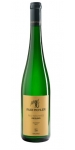
Wachau Riesling is dry and often defined by high levels of dry extract (due to a lengthy ripening period) and a pleasing freshness (due to dramatic temperature swings between day and night). Sedimentary soils of sand and stone give Kirchweg Riesling a dense mineral texture and fine fruity flavors.
Review:
I love the deep and delicate, peachy nose of this extremely attractive Wachau dry riesling. Wonderful fresh fruit with a touch of mint and lemon balm on the ripe but rather sleek and very precise palate. The power and concentration show themselves first at the stunningly long and pristine finish.
-James Suckling 96 Points
Alain de la Treille Chinon is 100 percent Cabernet Franc.
Our Chinon, with its bright intense purple colour, offers complex and mineral aromas and finally red fruits scents like blackcurrant and blueberry.
MAISON ALAIN DE LA TREILLE is located in the heart of Loire Valley since 1885. Vineyards owner and winemaker, ALAIN DE LA TREILLE creates diverse and delicate wines on the most prestigious vineyards: Muscadet, Touraine, Vouvray, Sancerre.
Average age of the vines is 20 years old.
Classic red vinification and Maturation in stainless steel vats
Wine was slightly filtered before bottling to ensure wine will remain stable
Pairs with roasted meats, « charcuteries » or any good cheese.



