" We don't sell the wine without touching the vine "
| Country: | France |
| Region: | Burgundy |
| Winery: | Thierry Mortet |
| Grape Type: | Pinot Noir |
| Organic: | Yes |
| Vintage: | 2021 |
| Bottle Size: | 750 ml |
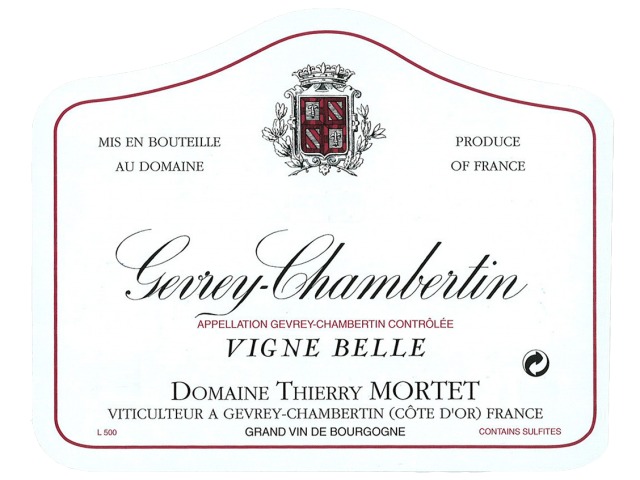
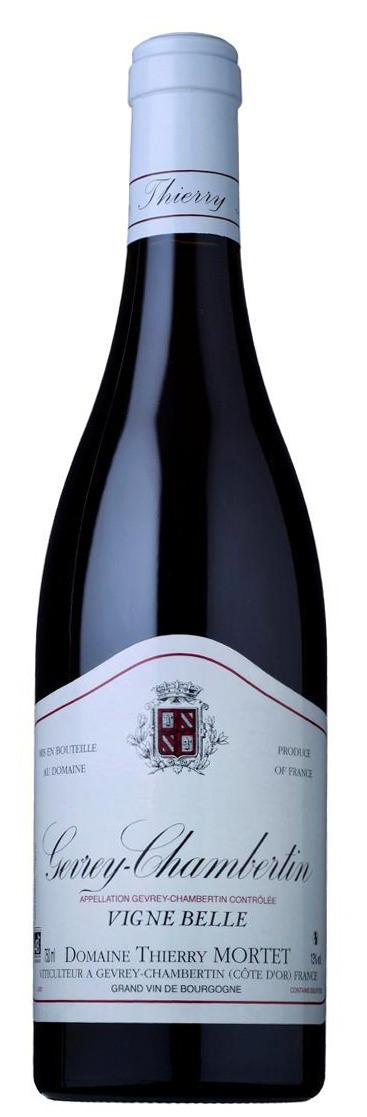
Thierry Mortet Gevrey Chambertin Vigne Belle is made from 100 percent Pinot Noir.
The wine is produced from 20 different parcels (3 hectares total). The soils are a mix of clay and silt.
The age of wines varies between 15 to 60 years.
Yield: 45 hl/ha
Production: 15,000 bottles on average.
Manual harvest with a selection of the grapes; sorting table; 100% destemming; maceration for 15 days, cold stabilization for 4-5 days; M-L.; racking twice a day. Fermentation in stainless steel tanks for 4 months. Aging in oak barrels for 12 months (new and 1 or 2 year old barrels). Kieselguhr filtration before bottling.
The wine offers a subtle and complex nose. It displays a sweet and delicate mouthfeel. Very nice wine with black fruit aromas. Dense, good concentration. Good length and well integrated oak.
Thierry Mortet Gevrey Chambertin Vigne Belle is made from 100 percent Pinot Noir.
The wine is produced from 20 different parcels (3 hectares total). The soils are a mix of clay and silt.
The age of wines varies between 15 to 60 years.
Yield: 45 hl/ha
Production: 15,000 bottles on average.
Manual harvest with a selection of the grapes; sorting table; 100% destemming; maceration for 15 days, cold stabilization for 4-5 days; M-L.; racking twice a day. Fermentation in stainless steel tanks for 4 months. Aging in oak barrels for 12 months (new and 1 or 2 year old barrels). Kieselguhr filtration before bottling.
The wine offers a subtle and complex nose. It displays a sweet and delicate mouthfeel. Very nice wine with black fruit aromas. Dense, good concentration. Good length and well integrated oak.
Thierry Mortet Gevrey-Chambertin is made from 100 percent Pinot Noir.
The wine is produced from 20 different parcels (3 hectares total). The soils are a mix of clay and silt.
The age of wines varies between 15 to 60 years.
Yield: 45 hl/ha
Production: 15,000 bottles on average.
Manual harvest with a selection of the grapes; sorting table; 100% destemming; maceration for 15 days, cold stabilization for 4-5 days; M-L.; racking twice a day. Fermentation in stainless steel tanks for 4 months. Aging in oak barrels for 12 months (new and 1 or 2 year old barrels). Kieselguhr filtration before bottling.
Liquorice, blackberry, red fruits flavors.
Excellent with meat, game and cheeses.
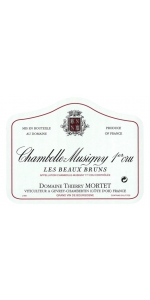
Thierry Mortet Chambolle Musigny 1er Cru Beaux Bruns is made from a single vineyard. (0.55 acre). 30 years old vines, planted on clay, limestone and flint based soils.
The wine is produced from a single vineyard (0.55 acres) planted on clay, limestone and flint based soils. It shows a dark color, ripe black fruit and pepper aromas. Long and intense flavors. Smooth tannins, good length and red fruits on the finish. An elegant wine with a delicate, beautiful structure.
Very fine wine, delicate, beautiful structure.
Thierry Mortet Chambolle Musigny 1er Cru Beaux Bruns is made from a single vineyard. (0.55 acre). 30 years old vines, planted on clay, limestone and flint based soils.
The wine is produced from a single vineyard (0.55 acres) planted on clay, limestone and flint based soils. It shows a dark color, ripe black fruit and pepper aromas. Long and intense flavors. Smooth tannins, good length and red fruits on the finish. An elegant wine with a delicate, beautiful structure.
Very fine wine, delicate, beautiful structure.
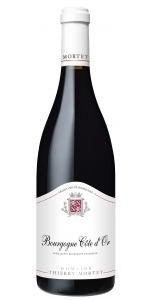
A parcel of 90 ares, one part is 20 years old and the other part is 55 years old. Its is called Les Pressonniers, in Gevrey-Chambertin.
Bourgogne Rouge Côte d’Or comes from a plot of Gevrey-Chambertin vines, giving delicate fruit and body, as well as the character and complexity of the Gevrey-Chambertin terro
Thierry Mortet Gevrey Chambertin Vigne Belle is made from 100 percent Pinot Noir.
The wine is produced from 20 different parcels (3 hectares total). The soils are a mix of clay and silt.
The age of wines varies between 15 to 60 years.
Yield: 45 hl/ha
Production: 15,000 bottles on average.
Manual harvest with a selection of the grapes; sorting table; 100% destemming; maceration for 15 days, cold stabilization for 4-5 days; M-L.; racking twice a day. Fermentation in stainless steel tanks for 4 months. Aging in oak barrels for 12 months (new and 1 or 2 year old barrels). Kieselguhr filtration before bottling.
The wine offers a subtle and complex nose. It displays a sweet and delicate mouthfeel. Very nice wine with black fruit aromas. Dense, good concentration. Good length and well integrated oak.
The Domaine Thierry Mortet Estate
The Domaine was officially created in 1992, when Thierry’s father retired and his estate was divided between his two sons. Thierry studied enology and viticulture in Beaune before joining his parents and brother and working at the Domaine
Thierry uses Burgundy barrels from Rousseau et Toutan, one third new each year. Annually, the estate bottles 1,100 cases. Thierry strives for fruit and finesse in his wines. Generally his top wines age well for 10-15 years.
The Domaine Thierry Mortet Vineyard
Thierry started in 1992 with a 4 hectare vineyard. It now measure 7 hectares (17.5 acres) and produces 85% red wine and 15% white wine. The vineyards spread over four villages: Gevrey-Chambertin, Chambolle-Musigny, Couchey and Daix (west of Dijon).
Thierry Mortet uses classic winemaking techniques: pre-fermentation maceration for 3 or 4 days, total fermentation time of 2 weeks. The grapes are harvested by hand, are sorted and are 100% de-stemmed. The result is expressive, full-bodied, generous, pure wines.
Starting with the 2010 vintage, the Estate is now certified Organic !
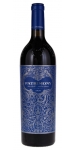
Deep ruby in color, this wine boasts aromas of cassis, blueberry, pomegranate, and currants. Notes of tobacco, chocolate, and toasted spices follow, bringing an immense depth to this wine. The palate is full-bodied and rich with ideal balance between concentrated fruit and freshness. From its mouthwatering acidity and flawlessly integrated oak, it finishes with notes of blackberry jam, cacao, and mocha complemented with herbaceous tones of fennel and thyme.
Review:
The 2020 Cabernet Sauvignon is cut from the same cloth as the 2019, yet is perhaps richer and more expansive, with slightly less elegance. Currants, chocolate, toasted spices, and tobacco all define this beauty, and it has full-bodied richness, flawlessly integrated oak, good acidity, and a great finish. Anyone doubting the quality that can be achieved in Cabernet Sauvignon from Paso Robles owes it to themselves to try one of these wines.
-Jeb Dunnuck 97-99 Points
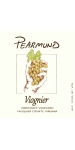
Pearmund Cellars Viognier Vinecroft Vineyard is made from 100 percent Viognier.
Explosive tropical fruit flavors: Pineapple and peach with hints of grapefruit. Powerful, yet feminine.
Sweet and ripe on the palate with peach, apricot, pineapple, and mango notes. Long and flavorful finish.