
" We don't sell the wine without touching the vine "
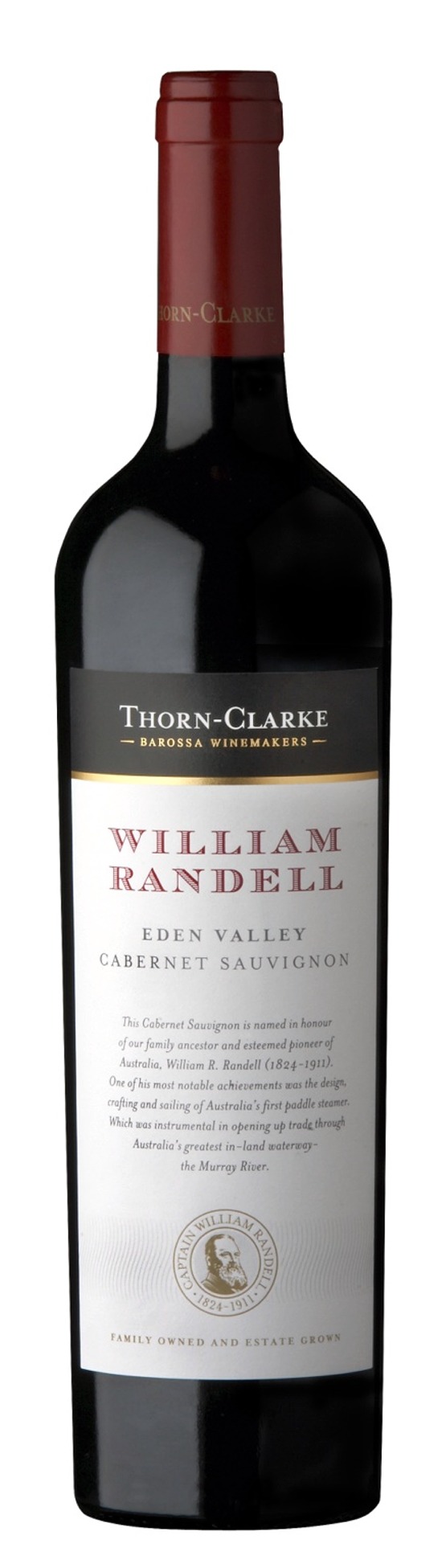
| Country: | Australia |
| Region: | Barossa Valley |
| Winery: | Thorn Clarke - William Randell |
| Grape Type: | Cabernet Sauvignon |
| Vintage: | 2018 |
| Bottle Size: | 750 ml |
Thorn Clarke William Randell Cabernet is made from 100 percent Cabernet
The William Randell range of wines were created in honor of the family ancestor - the esteemed pioneer William Richard Randell (1824 - 1911). The wines are sourced solely from grapes grown on the family estate vineyards. Wines in this range are only made in exceptional vintages.
The deep red color with purple hues of this wine draw you in. The nose is brimming with notes of fresh blackcurrant intertwined with complexing savory spice. The palate has an integrated French oak influence with notes of toasty cedar accompanied by further notes of briary fruits. A wine with great depth and drive.
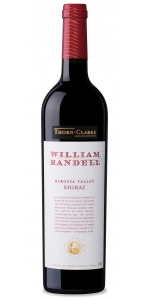
Thorn Clarke William Randell Shiraz is made from 100 percent Shiraz
The William Randell range of wines were created in honor of our family ancestor - the esteemed pioneer William Richard Randell (1824 - 1911). The wines are sourced solely from grapes grown on our estate vineyards. Wines in this range are only made in exceptional vintages.
Deep red with inky purple hues. This classic Barossa style shows rich blackberry, licorice, spice plum and smoky oak on the nose. The palate is dense with ripe mulberry and berry compote and generous supporting oak. The tannins are savory and long with spicy refined finish
Following harvest the fruit was crushed into a variety of small fermenters (4 to 6T in capacity). Fermentation was carried out at a warm temperature (25-28 degrees ). The ferments were manually pumped over to provide good control of tannin extraction. Each fermenter was treated as a separate parcel of wine and once dry was filled to American oak (40% new). Following malolactic fermentation the wines were racked and returned to the same oak. Parcels remained in barrel for an average of 18 months prior to blending. Only the best barrels from the multiple parcels were used to make the final blend. Once blended the wine was prepared for bottling.
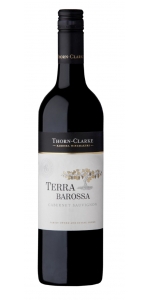
Thorn Clarke Terra Barossa Cabernet Sauvignon is made from 100% Cabernet Sauvignon
The range is named is named in honor of the rich soils in the region which are a major factor in the Barossa’s reputation as one of the great wine regions of the world.
The wine shows a bright red with a purple hue on release. Lifted blackcurrant balances the fresh herb characters on the nose. A hint of eucalyptus is evident. The palate has bright currant characters throughout. Spice and chocolate add to the complexity of the wine. The tannins are ripe and grainy and give the wine good structure.
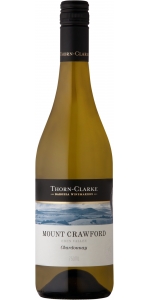
Thorn Clarke Mount Crawford Chardonnay is made from 100 percent Chardonnay.
This Chardonnay is a fine example of Mount Crawford climate, soil and aspect combining to display great varietal characters. The light green color has a vibrancy that is characteristic of the wine. Peach and tropical fruit flavors are complemented by a creamy texture from lees contact and a small amount of exposure to French oak. This also gives the wine a rich, long but clean finish with delicious white peach, pear and citrus notes.
The winemaker recommends trying this wine with chicken teppanyaki.
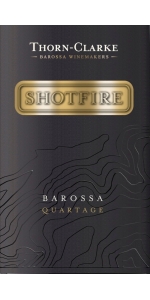
Thorn Clarke Shotfire Quartage is made from 58% Cabernet Sauvignon, 16% Cabernet Franc, 16% Merlot, 10% Petit Verdot.
.
The fruit was harvested at night. Fermentation was carried out in a variety of small capacity fermenters. After pressing the parcels were filled to French oak (12 months) for maturation. The wine was racked after six months and the parcels were blended to form the final wine.
Shotfire Quartage is based on the five traditional red varieties found in the Bordeaux region of France (Cabernet Sauvignon, Merlot, Cabernet Franc, Petit Verdot and Malbec). The Thorn-Clarke winemakers use at least four of the varieties to create the blend each year (occasionally, they can get over excited and use all five). The blend is a reminder to not only look to the future but also to keep an eye on the past and tradition.
Much like the previous vintage, the 2020 harvest has produced wines of immense quality but with very low quantities. Another dry winter and mild weather during the ripening period lead to great varietal flavours and excellent tannin structure. Upon harvest the bunches were few and far between and the berries themselves small. This led to fruit with intense flavor and color along with great power and balance.
This generous blend boasts a rich deep red-purple color. Aromas of blackberries, satsuma plum and anise fill the glass. On the palate, plush tannins are accompanied by rich notes of cassis and blackcurrant. Together they produce a wine with lavish density, complexity and length. A wine that can be enjoyed now or laid down to age for many years.
The Shotfire range honors a family pioneer who worked the Barossa goldfields in the late 1800's. He had the hazardous job of being a 'Shotfirer'; one who handled the explosives to be used in finding that rich vein of gold.
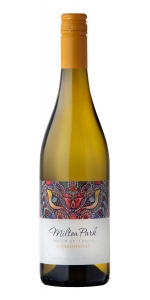
Thorn Clarke Milton Park Chardonnay grapes were crushed, destemmed and then pressed using a membrane press. Pressings were not used. Fermented using French Yeast at 12-15 degrees Celcius. The ferment was kept slow and cool to retain all the natural flavors of the grape. The wine was then racked and filtered. Bottling took place soon afterwards so the wine was a true expression of the grape and the terroir from which it was made.
The color is a rich vibrant green. The nose shows lifted clean, sweet fruit of apricot and peach. The palate is medium to full bodied and exhibits predominantly peach and nectarine flavors, with cloves and cardamom evident from the use of a small amount of French oak. The wine finishes full and long with a nice balance of sweet fruit and creaminess.
Thorn Clarke William Randell Cabernet is made from 100 percent Cabernet
The William Randell range of wines were created in honor of the family ancestor - the esteemed pioneer William Richard Randell (1824 - 1911). The wines are sourced solely from grapes grown on the family estate vineyards. Wines in this range are only made in exceptional vintages.
The deep red color with purple hues of this wine draw you in. The nose is brimming with notes of fresh blackcurrant intertwined with complexing savory spice. The palate has an integrated French oak influence with notes of toasty cedar accompanied by further notes of briary fruits. A wine with great depth and drive.
Review:
"This is a real wine of place with plenty of violets and blueberries on the nose, as well as blackcurrants. There are also leafy notes and black cherries. The palate has a lively feel with nicely detailed tannins, framed in cedary oak and delivered with purity. Long and pure blueberry and black-cherry flavors with generosity at the finish. Very Barossa! Drink over the next decade."
- James Suckling (November 2021) 94 pts
The Thorn Clarke William Randell Estate
The winery owners are David and Cheryl Clarke (born Thorn) and their son Sam is the manager of the winery. The Thorn-Clarke family has a long history in the Barossa - six generations of involvement in the region's world famous wine industry. The Thorns have been grape growers in the Barossa since the 1870's. David Clarke's passion for the wine industry lead to the planting of the Kabininge vineyard outside of Tanunda in 1987, which represents the start of a deeper involvement by the family in the Barossa wine industry.
The Thorn Clarke William Randell Vineyards
William Randell is sourced from Thorn-Clarke's 33 hectare Kabininge vineyard (81.51 acres) is true Barossa Valley floor terroir. This is the oldest of their 100% family-owned vineyards and is situated in the heart of one of the great wine regions of the world - the Barossa Valley. Kabininge is planted predominantly to Shiraz - the variety for which the Barossa Valley is best known - supported by smaller plantings of Cabernet Sauvignon and Cabernet Franc. At just 270 metres above sea level and located on dark grey to dark brown carbonaceous soils (known as Bay of Biscay soil) red winegrapes ripen easily here. By monitoring soil moisture levels to limit yield and berry size, we can achieve exceptional red wines with superb varietal flavor and concentration.

All older vintage wines have been purchased from a single collectors cellar. Pictures can be requested before shipment.
Michelet Chablis Premier Cru Beauroy is made from 100 percent Chardonnay.
Chablis is the northernmost wine region of Burgundy, renowned for producing some of the world's finest and most mineral-driven Chardonnay. The Premier Cru 'Beauroy' vineyard is located on the right bank of the Serein River on slopes with Kimmeridgian clay and limestone soils rich in fossilized oyster shells.
This wine displays a brilliant pale gold color with green reflections. The nose offers aromas of citrus, white flowers, and characteristic flinty minerality. On the palate, it is precise and elegant with bright acidity, flavors of green apple and lemon, and a long mineral finish.
Pairs excellently with oysters, shellfish, sushi, or simply prepared white fish.



