" We don't sell the wine without touching the vine "
| Country: | Argentina |
| Region: | Mendoza |
| Winery: | Tiza & El Ganador |
| Grape Type: | Malbec |
| Vintage: | 2015 |
| Bottle Size: | 750 ml |
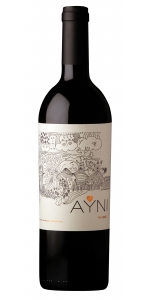
Ayni Malbec Paraje Altamira is made from 100 percent Malbec.
Ayni is the Quechua term for the principle of reciprocity, practiced for centuries by the Andean people - "in order to receive, you first have to give." Chakana's renowned Paraje Altamira vineyard, which sits 3,300 feet above sea level, bears the name Ayni & is the source of the Ayni wines.
Deep ruby-red in color with violet hints. Complex and intense bouquet, featuring blackberries, cherries and plums, with delicate floral notes and spices. Balanced and fresh; full-bodied with good length of spices.
Pairs well with grilled meats and stews.
Review:
"Chakana is an organic and biodynamic producer in Mendoza, that harvests from a vineyard in Paraje Altamira to produce this terroir-focused, minimal intervention Malbec. Aged in a mixture of casks and barrels for 12 months, this is a pure, energetic red in which fresh red fruit aromas combine with spice, herbs and mineral notes. In the mouth, it’s fluid with lively acidity and firm, chalky tannins. A potent, long-lasting wine. Drinking Window: 2023 - 2030"
- Decanter Magazine, 94 pts
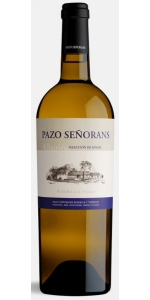
Pazo de Senorans Seleccion de Anada Albarino is made from 100 percent Albarino.
Straw yellow with greenish tints, vivid and brilliant. High intensity and very expressive. Profusion of aromas with traces of mineral. Great volume and ample body leaving a lasting impression from beginning to end.
Reviews:
The 2015 Albariño Selección de Añada is nothing short of phenomenal. For some reason, I hadn't tasted the young 2015 Albariño at the time it was released. It comes from the Los Bancales vineyard planted some 50 years ago and fermented with indigenous yeasts but without malolactic fermentation. It has a bright, almost fluorescent color and a complex, subtle and nuanced, elegant and expressive nose, with notes of sea shells and sea breeze, grass and white flowers. It's very clean, and the palate shows great balance and even feels a bit young. It has remarkable acidity and freshness (seven grams of tartaric acid) with good ripeness and 13% alcohol. This matured in tank with lees for over 30 months and was bottled in June 2024. It feels more serious and less exotic than earlier vintages. 18,000 bottles produced. This is the finest vintage that I can remember. Bravo!
-Wine Advocate 97 Points
Tech:
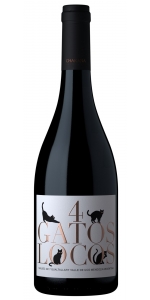
4 Gatos Locos Malbec is made from 100% Malbec.
4 gatos locos is a project created by Gabriel Bloise, Facundo Bonamaizon, Mariana and Juan Pelizzatti, winemaker, viticulturist and founders of Chakana (respectively), and it is based on a 20 ha vineyard in Alto Gualtallary, the most prominent growing region in Argentina.
The vineyard is located at 1360 mts a.s.l on a 10% slope on the Sierra del Jaboncillo, a relatively old geological formation near the alluvial fan of the Las Tunas river, in the Tupungato area, in north western Valle de Uco. The long exposure to arid conditions of calcium rich gravel has allowed microbes to develop one of the areas richest in calcium carbonate in Mendoza. The altitude, the slope, the gravel and the calcium carbonate create unique deep, textured wines which have become distinctive of this area. Moderate high temperatures controlled by high altitude in sunny conditions produce perfectly ripe grapes of unusually intense color and great vitality, balanced by the mineral freshness of calcium carbonate. Local aromátic plants naturally occurring in native vegetation areas interspersed in the vineyard give the wine a unique herbal touch that underline the character of the place.
4 Gatos locos is packaged with 4 different labels, reflecting the different personalities of the partners in this project. In an industry dominated by narcissistic efforts of self promotion and luxury, 4 gatos locos (a popular frase in argentina to represent “nobodies”) represents an authentic collective effort to develop outstanding wine that captures the personality and the potential of a place, which we strongly believe it is the best Mendoza has to offer.
Residual sugar: <1,8 g/lPh: 3,8
Acidity: 5,7 g/l
Aged in new french oak 500 liter barrels and 5000 liter foudre for 18 months. Then aged for 12 months in bottle.
Fermented with natural yeast, macerated for 28 days.
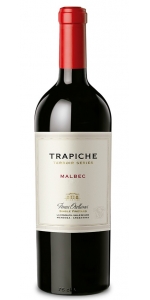
Trapiche Terroir Series Finca Orellana is made from 100 percent Malbec.
The history of Trapiche begins in 1883, in a small vineyard called El Trapiche, in the district of Godoy Cruz, Mendoza, where the grapes for the first fine wines were grown. With more than 130 years of experience, Trapiche has earned its place as a pioneering brand in the introduction of French vines, the production of varietal wines, the import of French oak barrels and the use of stainless steel tanks. True to its origins, today Trapiche is in a continuous quest for the latest best practices .Led by Daniel Pi, Director of Winemaking, Trapiche's winemaking team permanently strives to improve winemaking practices by exchanging experience and knowledge with winemakers from other wine producing countries such as France, the US, Australia and New Zealand.
With a deep garnet red color, this Malbec expresses aromas of red fruits such as cherries and currants, and intense balsamic notes with hints of fresh herbs. In the mouth, it is sweet and broad with a great concentration of fruit and soft, ripe tannins. It has a long, persistent and elegant finish.
Review:
El Peral may not be on the radar of many Argentine Malbec lovers. But if you take a look at Descorchados, you will realize that here we are fans of this area, a place of gentle hills, streams and trees. This vineyard was planted in 1946, and today it delivers deliciously liquefied fruit, with hints of cherries and cassis, but above all violets and blackberries in a long and deep body. Give it at least ten years in the bottle.
-Patricio Tapia - Descorchados 95 Points
-Tim Atkin 95 Points
Viejo Isaias Malbec Clasico is made from 100 percent Malbec.
Time in oak: 40% in American (first and second use) oak barrels for 8 months. Time in bottles: 6 months minimum storage before placing on the market.
Vessels: stainless steel tanks. Alcoholic fermentation: controlled, with selected yeast. skin contact maceration: 20 days.. Malolactic fermentation: 100%
Excellent when paired with red meats, pasta with spicy sauces, matured cheeses.
Vibrantly red, with blue and purple glints. It has complex aromas of plum and ripe fruit, evoking dry fig. In the mouth, it is velvety, long, with a rich aftertaste, full of fine, sweet, ripe tannins.
Vineyard information:
Location: Perdriel, Luján de Cuyo, on the highest area of the Mendoza river - Mendoza.
Altitude: 950m above sea level.
Soil: sandy.
Year of plantation: 2000
Plant density per hectare: 3500
Wine production per plant: two 750cc bottles, approximately.
Yield: 80 qq/ht.
Viejo Isaias Malbec Clasico is made from 100 percent Malbec.
Time in oak: 40% in American (first and second use) oak barrels for 8 months. Time in bottles: 6 months minimum storage before placing on the market.
Vessels: stainless steel tanks. Alcoholic fermentation: controlled, with selected yeast. skin contact maceration: 20 days.. Malolactic fermentation: 100%
Excellent when paired with red meats, pasta with spicy sauces, matured cheeses.
Vibrantly red, with blue and purple glints. It has complex aromas of plum and ripe fruit, evoking dry fig. In the mouth, it is velvety, long, with a rich aftertaste, full of fine, sweet, ripe tannins.
Vineyard information:
Location: Perdriel, Luján de Cuyo, on the highest area of the Mendoza river - Mendoza.
Altitude: 950m above sea level.
Soil: sandy.
Year of plantation: 2000
Plant density per hectare: 3500
Wine production per plant: two 750cc bottles, approximately.
Yield: 80 qq/ht.
Closeout!
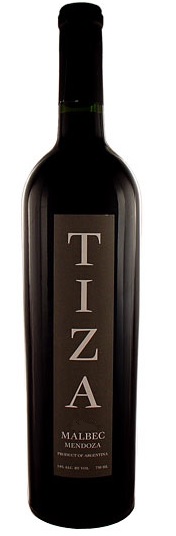
Tiza Malbec Mendoza is made from 100% Malbec, hand-harvested vineyards that total over 220 acres. Aged in new French oak barrels for 12 months. This wine offers a great intense and complex nose of wild berries and red ripe fruit with subtle spicy notes. Superb fruit flavors combine perfectly with toasty notes providing great structure, character, and a long finish.
The Tiza El Ganador Estate
These wines originate with a Spanish family based in Navarra. The grapes come from hand-harvested vineyards situated in Lujan de Cuyo. The winery uses a Marzola Basket Press, which has a solid reputation for quality. The press is hydraulic with an electric engine, and the plates are stainless steel with the bottom plate slanted to allow for maximum drainage. Basket walls are constructed of waterproofed wooden slats joined by stainless steel rings that can be switched out, allowing for continual filling and pressing. The computerized control panel can be programmed in various speeds and pressure, allowing the operator better control for extracting juice. Tiza is a lot specially selected by the importer. 2,500 cases produced, 2,500 cases imported.
The Tiza El Ganador Vineyards
The 220 acres of vines are planted to Malbec (first vines date back to 1912). The vineyard is situated 1,000 meters above sea level and is planted on alluvial soils with subsoils made of stone and sandy/limestone sediments. The quality of the soil together with the high density of vines per hectare contribute to produce very low yields with excellent fruits.
Boeira Tawny 50 Year Port is produced from Touriga Nacional, Touriga Franca, Tinta Roriz, Tinta Barroca and Tinto Cao.
Brownish color with strong coppery reflections. Toasted almonds and dried fruit stand out on the nose, with a delicate sweetness. Intense flavors on the plate, but a refinement and elegance that reflects its level of ageing. A very long evolving finish.
Boeira 50 Years Old Port is excellent as a digestive.
pH : 3.57TA : 9.48 g/L
RS : 152g/L
Then, it is aged for 50 years in 550 liter French oak barrels.
Traditional Porto winemaking with skin contact maceration and short alcoholic fermentation in stainless steel tanks followed by fortification.
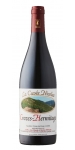
Fayolle Crozes-Hermitage Rouge Cuvee Nicolas is made from 100 percent Syrah.
Deep ruby red color. Nose of red and black currant fruits, pepper, spring flowers, new leather and mineral/earthy nuances. Medium bodied palate of red fruit and spice. Nice balance. Long finish and velvety.
Good match with red meat (beef, lams) or white meat (veal) in sauce, poultry and game meat. Perfect with most cheeses.
Review: