
" We don't sell the wine without touching the vine "
| Country: | United States |
| Regions: | California California (Napa) |
| Winery: | Tuck Beckstoffer |
| Grape Type: | Cabernet Sauvignon |
| Vintage: | 2020 |
| Bottle Size: | 750 ml |
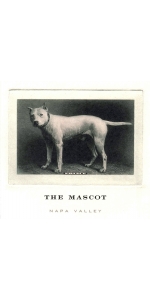
Mascot is a small-production label founded by Will Harlan in Napa Valley. The wines under this label are made from the younger vines of Harlan Estate, BOND, and Promontory, but The Mascot bottles share an exclusive preview at the development of their estates. Founded as an initial experiment to see what the young vines were capable of producing, the wines were initially only shared with close friends and family. By 2008, Will officially released the first vintage to the public since production had increased significantly. They create just one wine made from Cabernet Sauvignon, and the bottle is aged for five years before release. Assembled into a single, youthful expression, this wine shares a glimpse into the evolution and pedigree of its parent estates.
Tasting Notes:
A mild winter with scant rainfall introduced the 2020 growing season. Conditions remained pleasantly even-keeled throughout the spring, except for some light precipitation in March. It is worth noting that decades of research and steady viticultural progress have enabled our vines to begin achieving tannin and textural ripeness earlier in the season, and this fact—along with the drought conditions experienced in preceding years—led to one of the earliest picking windows in our history. This development proved crucial to the 2020 vintage, when we were fortunate to have fully completed our harvest before the Glass Fire began in late September. A vibrant purity manifests within this vintage’s generosity, which advances without excess of weight or volume. Aromas of gentle red fruit give way, eventually, to a savory darkness and finely wrought core. An effortless, structural tension transforms into a silky softness on the palate that envelopes The Mascot’s inner depth and dimension. The 2020 vintage resonates rather than roars: its intricate threads of tannin, acidity, and nuance interweave to form a complete expression that shimmers with sensory detail.
Hoopes Chardonnay Napa Valley is made from 100 percent Chardonnay.
Serendipity was in the morning air when Maya and Sophie took Lindsay for a walk down a Yountville country lane. Maya, the feisty one, spied a jackrabbit and bounded off in hot pursuit. When Lindsay caught up with her, she found herself surrounded by some fine looking Chardonnay vines. Always on the look-out for the best fruit for Hoopla, with some neighborhood super-sleuthing, Lindsay tracked down the vineyard owner and kept talking until she got his handshake. That chance discovery gave us really great Chardonnay that we offer at a really great price. In fact, chasing rabbits is exactly what we’re talking about. This cheeky Chardonnay will make you want to get into some mischief too.
Our goal with the Hoopla Chardonnay is a fresh juicy wine showcasing flavors and aromas of the grape. A long cool fermentation and aging in stainless steel shines helps preserve the luscious aromas and fruit characters in the wine. Classic notes of fresh pineapple, ripe pear and Fuji apple greet the nose with a lovely warmth and creaminess in the mouth from aging sur-lie in tank without the introduction of oak. This mid-palate breadth yields to an open, clean and refreshing finish. We find ourselves reaching for this crowd-pleasing wine time and time again without fail.
This wine is delicious with roast chicken and buttery mashed potatoes, fish tacos, Chinese chicken salad, lobster mac and cheese, triple crème Brie slathered on French baguette and salt & pepper flavored kettle-cooked potato chips.
Review:
"I was blown away by the 2020 Chardonnay, a clean, crisp, vibrant expression of Chardonnay that has medium to full-bodied richness, wonderfully integrated acidity, and a distinct sense of minerality in its citrus, stone fruit, and white flower-driven aromatics. It's shockingly good and tastes like it cost 3-4 times its price."
- Jeb Dunnuck (February 2023), 96 pts
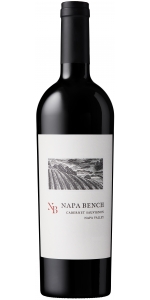
Napa Bench Cabernet Sauvigon Napa Valley is made from 95% Cabernet Sauvignon, 3% Merlot, 2% Petite Verdot.
The wine is aged in French oak barrels for 16 months.
The Bench lands of Napa Valley are where we find Cabernet Sauvignon with Power and Strength. Elegant and supple tannins complete the structure. Bench lands are the geological middle ground that connect the Valley Floor with the Mountain rises, perfectly drained soils!
NAPA BENCH Cabernet Sauvignon is a sophisticated blend of Napa Valley Cabernet Sauvignon. We start with Cabernet Sauvignon 95%, blend Merlot 3%, and finish with Petite Verdot 2%. The wine is aged in French oak barrels for 16 months.
Tasting Notes
NAPA BENCH is rich and flavorful. Red and dark fruits are apparent in the nose with Plum, Currant and Blackberry tones. The aroma is layered and shows the power of Cabernet and of oak nuance. The pallet is fine grained tannin, long and refined with a high degree of Deliciosity! The finish lingers and invites a second glass. Share with your favorite friends, and always with your hottest date.
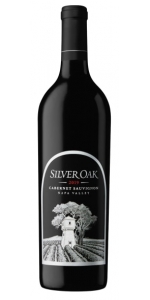
Silver Oak Cellars Napa Valley Cabernet Sauvignon is made from 81.6% Cabernet Sauvignon, 14.8% Merlot, 1.8% Petit Verdot, 1.4% Cabernet Franc, 0.4% Malbec.
Ruby in color, the 2020 Silver Oak Napa Valley Cabernet Sauvignon is a harmony of black and blue fruit notes that dance delicately on the palate. Plum and blueberry intertwine with whispers of baking spices, creating a tapestry of flavors that unfold in layers of complexity. On the palate, it is a study in elegance—smooth and effortlessly refined. Silky tannins provide structure without imposing, ensuring a seamless journey from the first sip to the last.
Review:
A super creamy, delicious and detailed red with oodles of red fruit, silky tannins and a full body. It tastes pure, fresh, almost delicate, offering raspberries, cherry cream, blueberries, cafe au lait and subtle oak toast on the palate. A gentle, layered, pretty wine that seems not at all affected by the wildfire smoke that year.
-James Suckling 95 Points
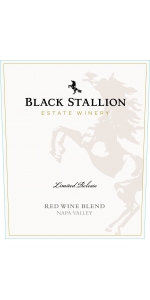
Black Stallion Napa Valley Limited Release Red.
The winery takes its name from a major equestrian area that once occupied the grounds. Its calling card is Cabernet Sauvignon, made in a classic Napa Valley style that offers richness and finesse. While single-vineyard wines are occasionally bottled, most Black Stallion wines are made from small lots cherry-picked from the valley’s disparate winegrowing zones. These are then painstakingly blended to create luxurious, unforgettable wines that capture the depth and brilliance of Napa Valley’s diverse growing regions.
Review:
This blend is softly layered in dense, rich tones of plum and cherry, with a rounded approachability and well-integrated tannin and oak. Chocolate, leather and clove accent the finish.
-Wine Enthusiast 90 Points
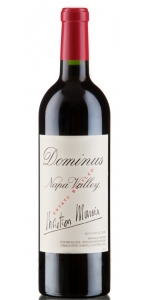
Dominus Napa Valley Red Blend is made from 88% Cabernet Sauvignon, 7% Cabernet Franc, 5% Petit Verdot.
The historic Napanook Vineyard, a 124-acre site west of Yountville, was planted in 1838. This vineyard was the source of fruit for some of the finest Napa Valley wines. Estate-bottled in the spirit of the Bordeaux châteaux, Dominus Estate is dry-farmed to allow natural stress and good concentration of fruit. Grape clusters are crop-thinned to allow sun and air to pass in between, helping to achieve full maturation and soften the tannins. Only 20% to 40% new French oak barrels are used in order to limit the extraction of oak notes. To express the unique terroir, the classic Bordeaux grape varietals of Cabernet Sauvignon, Merlot, Cabernet Franc and Petit Verdot are planted with different root stocks best suited for the varying soil composition of gravel, heavy clay and loam.
Reviews:
One of the legendary Dominus, the 2021 Cabernet Sauvignon is unquestionably in the same league as the 2018, 2016, 2015, 2013, 2010, and 1991, and to my mind, wine simply doesn't get any better. Sporting a dense purple hue as well as an incredible perfume of blackcurrants, crushed stone, cedar pencil, smoke tobacco, and baking spices, it s rich, full-bodied, and voluptuously textured, with ripe yet building tannins. It reminds me slightly of the 2010 (maybe the 2013), and I suspect it will have a similar evolution. Hide bottles for 7-8 years, and it will evolve gracefully for 30+ years. Hats off to the team of Christian Moueix and director Tod Mostero.
Jeb Dunnuck 100 Points
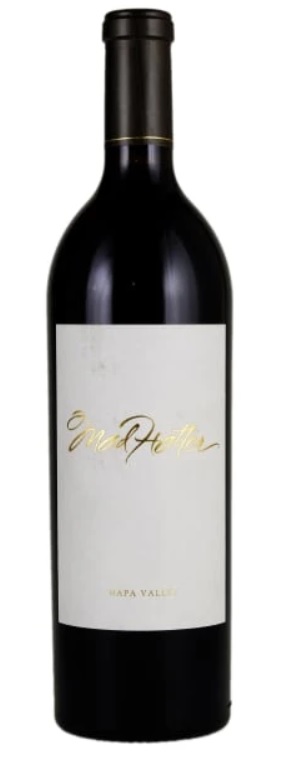
Tuck Beckstoffer Mad Hatter Napa Valley Red is made from 66%Cabernet Sauvignon, 20% Old Vine Petit Sirah, 10% Merlot, 2% Cabernet Franc, 2% Petit Verdot.
Under the winemaking and farming direction of Shawn Johnson and Tuck Beckstoffer, vineyard blocks were selected with a blend of micro climates and soils to highlight the best Napa Valley has to offer, creating a wine with complex aromas, purity of fruit, balance, and a long silky finish.
Since the beginning of Mad Hatter in 2003, our goal has been to craft an elegant Bordeaux blend using grapes grown throughout the Napa Valley.
Expressive aromas of black plum, wild hyacinth, and clove. The palette evolves flavors of black cherry, dark chocolate, and baking spice further enhanced by the wine’s velvety tannins, and long delicate finish. Pair this wine with pan roasted pheasant, grilled root vegetables, or a charred Ribeye steak.
It began on back country roads and among the vines. The Beckstoffer family arrived in the Napa Valley in 1975 and the young son of a future pioneer spent his days in the vineyards throughout every growing season, cultivating deep roots.
Brought up to respect the land and its fruit, Tuck naturally sought out the practice of viticulture, learning from the masters around him. Much like his father before him, he is a farmer first. It was only after he mastered the art of first craft that he turned his attention to a second craft—winemaking. Over three decades after he first set foot in the valley, Tuck bottled his first wine. For him, it was not a whim or passion project, but the culmination of a life lived on the land, among the vines.
Today, Tuck is one of the few Napa stewards who is both a grower and a winemaker. It is this pedigree that makes his approach different: the process begins with the land itself and culminates with a reverence for the winemaking traditions of the past—sharing successes and failures among fellow craftsmen and appreciating the fruits of their labor over a beautiful bottle of wine.
The St. Helena estate opened in 2016, offering intimate tours and private tastings as a way to share this passion—connecting visitors to the land and sharing the knowledge of how the art of grape growing translates into every bottle. Since day one, the Estate was designed to exude a sense of genuine care and generosity of time and spirit.
As the story continues the unfold, Tuck is raising the next generation in the same way that he raised—as stewards among the vines. He invites you to share in this journey and join us at the estate.
Every now and then, in life and in wine, we are presented with unique opportunities to express ourselves and create something truly remarkable.
When rare opportunities arise, we need to capture, nurture and develop them so that their potential is fulfilled. So when Torbreck was given the opportunity to work with one of the most famous vineyards in the Barossa Valley, it became almost inevitable that the resulting wine would be truly remarkable.
In 2003, Torbreck growers and fourth generation descendants of the Seppelt family, Malcolm and Joylene Seppelt, asked our winemakers to create for them a small batch of Shiraz from their old Gnadenfrei vineyard in the sub-region of Marananga.
Planted in 1958, the five acre vineyard is traditionally dry grown and comes from an original Barossa clonal source. South facing, on the eastern side of a ridge separating the Seppeltsfield and Marananga appellations, these aged vines have been meticulously hand tended, traditionally farmed and pruned by a grower with a lifetime’s experience on Western Barossa soils of very dark, heavy clay loam over red friable clay. The resulting low yields of small, concentrated Shiraz berries make the vineyard the envy of all winemakers in the Barossa.
We looked longingly at the wine when it was returned to the Seppelts, knowing that it was the best we had ever made. In 2005 we convinced the Seppelts to sell Torbreck the fruit and The Laird was born. In 2013 Torbreck purchased the Gnadenfrei vineyard, securing The Laird’s reputation as one of the world’s great single vineyard Shiraz wines.
Torbreck is the name of a forest near Inverness, Scotland and you’ll find more than a passing nod to the Celts in our wine naming conventions. The Laird of the Estate in Scotland is the Lord of the Manor and master of all he surveys.
Review:
I poured the 2017 The Laird, set it aside and got about doing other jobs for 45 minutes or so, to give it some room to breathe. And it does breathe. It has its own pulse and beat and life, and it flexes and moves in the mouth. This is incredibly enveloping, with aromas reminiscent of campfire coals, charred eucalyptus, lamb fat, roasted beetroot, black tea and a prowling sort of countenance. In the mouth, the wine is bonded and cohesive and seamless, there are no gaps between anything, no space between fruit, oak and tannin; it all comes as one. While this is a singular wine, it is so big and concentrated that it needs no accompaniment other than some fresh air and a good mate. It's denser than osmium and is impenetrable at this stage.
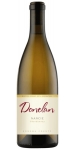
Named after Joe Donelan’s mother, the Nancie Chardonnay is our take on cool-climate, timeless Chardonnay. We love the way Nancie captures the classic qualities of Chardonnay while also exhibiting the unique traits of the unusual sites we source from. This Chardonnay is an emphasis on Old Vines, dry farming, and California heritage clones and selections. Every vintage embodies elegance and class, but no vintage is the same. The assemblage changes every year, so Nancie does not have a recipe. This wine lets us sit shotgun while the cool climate and the terroir do all the navigating, and they never steer us wrong. It is truly an inimitable wine made from a blend of incredible fruit we farm throughout Sonoma County, from the Coast to the Sonoma/Napa border.
On the nose, the Nancie Chardonnay opens with nutmeg, ginger snap, and chai spice leading to high-tone fruit like red apple skin, orange blossom, orchard fruit, and green pineapple. Judicious acidity makes this a great candidate for pairing with food. It’s very fresh on the palate, engaging, and invigorating, and it has quite a finish for Chardonnay. This is a stand-out wine among its peers, with one foot in California, and one foot in the old world.
Nutmeg, ginger snap, chai spice, orange blossom, and red apple skin on the nose. Salinity, minerality, and wonderful acidity on the palate.
Review:
"Named after proprietor Joe Donelan’s mother, the Nancie Chardonnay is crafted from a blend of exceptional vineyard sites across Sonoma. Key sources include Farina Vineyard on Sonoma Mountain, the 45-year-old vines at Lazy W Ranch in the Russian River Valley, along with fruit from Allen Family Ranch and Dehlinger–Garbro Ranch. Winemaker David Milner notes that sites offering mineral tension and naturally high acidity are essential to shaping the blend. The wine is aged for 10 months in 24% new oak. In 2023, the aromatics are superb, with a freshness factor that feels almost unparalleled. Citrus notes and hints of underripe pineapple mingle with ginger spice, flinty minerality and a distinct sea-salt character. Medium-bodied and beautifully precise, the palate is driven by crystalline acidity and candied citrus peel fruit dusted with saline nuance. Citrus, orchard and stone fruit notes build toward an incredibly long, lingering finish, touched by subtle toffee spice. Distinctly saline, complex and expressive, this is a Chardonnay of clarity, energy and sheer deliciousness. - Jonathan CRISTALDI"
Decanter, 96 points



