
" We don't sell the wine without touching the vine "
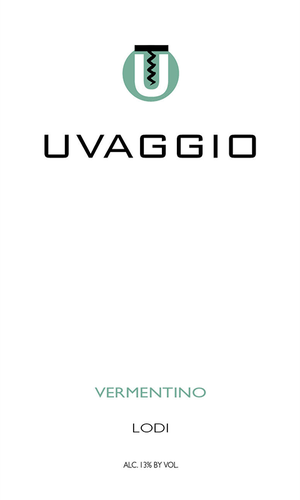
| Country: | United States |
| Regions: | California California (Lodi) |
| Winery: | Uvaggio |
| Grape Type: | Vermentino |
| Vintage: | 2016 |
| Bottle Size: | 750 ml |

All older vintage wines have been purchased from a single collectors cellar. Pictures can be requested before shipment.

No Syrah terroir in Sonoma County compares with Sonoma Mountain’s northwest crown—cool fog-affected mornings, sun-bathed afternoons, cooled by persistent coastal breezes, and temperate evenings. The soils in Steiner’s Syrah blocks — ashy and moondust-like, littered with decomposing sea bed — further contribute to the unique nature of this site. After a 3-vintage hiatus, I am thrilled to be back working with Steiner Vineyard’s Syrah. By its nature, this slow-to-ripen, cool-climate site produces fabulously deep, intense, structured wines. Now, raising a big, brawny Syrah is no rare act of alchemy. It is the wonder of Steiner’s terroir — a magical elegance and beauty, informing the inherent power, depth and intensity — that makes this bottling so special. 2016 produced a classic wine that deftly balances massive flavors and texture, while retaining vital freshness, and a palpable sense of cool. Production was low, so get it while you can. Simply a “WOW” wine, not to be missed.
VINEYARD: Steiner Vineyard. Located at 1,100 ft, on the northwest crown of Sonoma Mountain. CRUSH: Early morning harvest by hand, October 1st, cluster and berry sorted, destemmed and crushed. FERMENT: 5-day cold soaks, followed by 14 day native fermentation in open-top bins. AGING: 20 months, French oak, 100% new, mixture of 300L hogsheads and barrique shapes. Never racked prior to bottling. Bottled unfined, unfiltered.
Review:
"Refined and stylish, featuring a complex core wrapped in multilayered blackberry and blueberry flavors, laced with bitter chocolate, black licorice and smoky meat notes. Drink now through 2030.- Tim FISH"
- Wine Spectator Insider (January 15th 2020), 93 PTS

Avennia Justine Red Blend 56% Grenache, 31% Mourvèdre, 13% Syrah
Justine reflects our belief that Washington is capable of producing world class blends of grape varieties traditional to the Southern Rhone region of France. The name is inspired by one of the great heroines of recent literature, who also sprung from the imagination of the Mediterranean. Dark, seductive, complex, with a chasm of depth: The Justine is a great reflection of Avennia's mission of expression, and Washington's generous terroir.
Tasting Note: Big black cherry, blackberry, hints of orange peel, fresh herbs and loam on the nose. Plush and round on the palate. Dark earthy fruits from the Mourvedre, along with citrus high notes, mountain flowers, jasmine, and savory herbs. Balanced and complex without forgetting its hedonistic roots in the Southern Rhone.
Review:
A blend of 56% Grenache, 31% Mourvèdre, 13% Syrah brought up all in older oak, the 2016 Justine offers a great core of black fruits as well as lots of peppery herbs, earth, and classic meatiness. It looks to be a great vintage for this cuvée."
- Jeb Dunnuck (April 2018), 92-94 pts

Avennia Red Willow Cabernet Sauvignon is made from 100% Cabernet Sauvignon.
The Red Willow Cabernet is a true blockbuster.
Coming from one specific block of 30 year old vines at this iconic vineyard, then strictly barrel selected, this is the essence of powerful, old vine Washington Cabernet. After all of our efforts promoting the idea of the Bordeaux blend, it would take a pretty compelling argument to suspend that idea and make a 100% varietal Cabernet. In 2016 Red Willow provided us with just that. Each time we tasted it in the barrel, the belief grew that this was something special. Something we can't make every year. In the end we were won over, and decided to make a limited amount of this wine. But don't be fooled, as this too is a blend and a selection. Each year as we are tasting the grapes as harvest approaches, we notice that the vines near the bottom of this long, steep west-facing slope, are a little different. The vines at the bottom are in a little richer soil, and get a little more water, so we pick them separately, sometimes even a week or ten days apart, and keep them separate in barrel.
This wine is all from the top of the vineyard, with its lower yield and poorer soils giving more concentration and interest. Then further, nearly every combination of new and used French oak barrels were trialed to find the best blend. It's not enough just to use the four best barrels, but to trial each combination to see how they complement each other. For a wine with this much mass, 100% new French oak was used for the first time at Avennia. It is a wine that needs a little cellaring to start, but should last a very long time.
Review:
Made from 100% Red Willow Cabernet Sauvignon, the 2016 Cabernet Sauvignon Red Willow is another gem from this great winemaker. Deep purple-colored, with a huge perfume of blackberries, crème de cassis, cedarwood, pencil lead, and graphite, it hits the palate with medium to full-bodied richness and depth, nicely integrated acidity, and building, ripe tannins. Give bottles 3-4 years and it too will cruise for 15-20 years or more.
- Jeb Dunnuck (April 2019), 95 Points
Bursting from the glass with impeccable precision, the 2016 Cabernet Sauvignon Red Willow Vineyard is the real McCoy, boasting a focused frame of fruit on the nose that shows depth and breadth in layers of aromas—blackberry, dark cherry, licorice and clove-laced spices flutter over a bed of roses. I can't stop smelling this wine! Full-bodied, the wine unfolds and expands across the palate with complexity, tight structure and beautifully managed tannins, ending with a thought-provoking and long-lingering finish. The wine has a still-tight expression that will age beautifully for years to come. It will serve you well to seek out a bottle of this world-class wine. Only 140 cases were made.
- Wine Advocate 95 Points
Avennia Red Willow Cabernet Sauvignon is made from 100% Cabernet Sauvignon.
The Red Willow Cabernet is a true blockbuster.
Coming from one specific block of 30 year old vines at this iconic vineyard, then strictly barrel selected, this is the essence of powerful, old vine Washington Cabernet. After all of our efforts promoting the idea of the Bordeaux blend, it would take a pretty compelling argument to suspend that idea and make a 100% varietal Cabernet. In 2016 Red Willow provided us with just that. Each time we tasted it in the barrel, the belief grew that this was something special. Something we can't make every year. In the end we were won over, and decided to make a limited amount of this wine. But don't be fooled, as this too is a blend and a selection. Each year as we are tasting the grapes as harvest approaches, we notice that the vines near the bottom of this long, steep west-facing slope, are a little different. The vines at the bottom are in a little richer soil, and get a little more water, so we pick them separately, sometimes even a week or ten days apart, and keep them separate in barrel.
This wine is all from the top of the vineyard, with its lower yield and poorer soils giving more concentration and interest. Then further, nearly every combination of new and used French oak barrels were trialed to find the best blend. It's not enough just to use the four best barrels, but to trial each combination to see how they complement each other. For a wine with this much mass, 100% new French oak was used for the first time at Avennia. It is a wine that needs a little cellaring to start, but should last a very long time.
Review:
"The 2016 Cabernet Sauvignon Red Willow Vineyard is 100% Red Willow Cabernet Sauvignon that will spend roughly 20 months in close to 100% new French oak. Blackcurrants, smoked herbs, chocolate, and graphite notes all give way to a full-bodied, plump, rich, concentrated effort that's going to be better with short-term cellaring and keep for two decades."
- Jeb Dunnuck (April 2018), 94-96 pts

Avennia Valery Red Blend is made from 86% Merlot and 14% Cabernet Franc
Valery is named for the patron saint of wine in the St. Emilion region that inspired it.
We started with old vine Merlot from a stony block in the heart of the Yakima Valley and added complex, aromatic Cabernet Franc from the Horse Heaven Hills. The result is a balanced, complex wine with the elegance and ethereal perfume that this blend of two of Washington’s best varietals are known for.
The nose on this wine is very perfumed, almost exotic with notes of fresh violets, red plum, winter mint, fresh herbs and crushed limestone qualities. The palate is poised and balanced, with red fruits and mocha powder encapsulated in limestone. The finish lingers delicately, with the Cabernet Franc asserting a light tobacco and herb note, giving depth. A compelling wine that will continue to unwind for 7-10 years in the cellar.
Review:
"Brought up in 30% new French oak, the 2016 Valery (70/30 Merlot and Cabernet Franc) offers more black cherry and earthy, herbal notes as well as a medium-bodied, seamless, beautifully balanced style. It too shows a vibrant, fresh, yet concentrated style that has a Bordeaux feel in its weight and texture."
- Jeb Dunnuck (April 2019), 93 pts
"Good medium-dark red. Aromas of blueberry, mocha, licorice and violet are a bit darker than those of the 2015 version. Dense and penetrating, with wild flavors of dark berries, licorice and game given lift by rocky minerality and a minty nuance. Chris Peterson slightly acidified his Cabernet Franc from Champoux Vineyard, which he added to the wine for richness. This beauty may yet tighten up in the bottle.- Stephen Tanzer"
- Antonio Galloni's Vinous (November 2018), 92+ pts
SALE!
Uvaggio Vermentino Lodi is made from 100 percent Vermentino.
Herbaceous aromas and bright citrus flavors give an almost-electric charge to this light-bodied, crisp and appetizing wine. Aromas of snap peas, parsley and fresh-cut grass lead to lemon and grapefruit flavors and a tingly mouthfeel. It's a perfect summer-to-fall drink.
Review:
"Herbaceous aromas and bright citrus flavors give an almost-electric charge to this light-bodied, crisp and appetizing wine. Aromas of snap peas, parsley and fresh-cut grass lead to lemon and grapefruit flavors and a tingly mouthfeel. It's a perfect summer-to-fall drink." — Jim Gordon Wine Enthusiast
Uvaggio makes wine in California from grape varieties indigenous to Italy and the south of France.
Our theory is that if California has a climate which is great for growing Mediterranean varietals, why not take advantage of it? Since we have been on this path for a couple of decades now, we think we have found the right places, for growing these cultivar, primarily in Lodi So we urge you to discover this for yourself and try our wines.
Our expressions are steeped in California's traditions, with a nod towards Europe’s restraint, so you will our wines to be a contemporary synthesis of these two approaches. We produce white wines that are fresh, aromatic, dry and rarely exceed 12.5% alcohol. None of our barrel-aged reds are rarely exceed 14.5% alcohol. The only sweet wines we offer are purposely crafted to be sweet.
We are passionate about wine and food affinities, the magic that occurs when they resonant.
In By 1979 Jim had joined the Robert Mondavi Winery in Oakville and spent two decadess at what was then perhaps California’s most renowned, if not iconic, winery. Working for such an innovative and dynamic winery lead by a truly inspirational founder, afforded many benefits. In conjunction with course work in winemaking and wine business at UC Davis, his efforts resulted in several career milestones. Among them, he envisioned and developed La Famiglia di Robert Mondavi in California, while helping to launch Luce and Lucente from Tuscany - a collaborative effort with the Frescobaldi family of Florence.
Some of his other accomplishments included developing two vineyard trial blocks to evaluate the performance of Italian and Rhône varieties. He also helped to develop the company’s Burgundian-inspired, Carneros appellation Chardonnay and Pinot Noir. Jim reintroduced Zinfandel to the portfolio (from Napa Valley’s miniscule old vine sources) and totally revamped the style and packaging for Moscato d’Oro. His efforts earned many accolades, including three Wine Spectator Top 100 Wines of the Year, as well as a coveted “tre bicchiere” from Gambero Rosso, Italy’s pre-eminent wine guide. After being promoted to Assistant Winemaker, he was tasked with helping to elevate the quality of Mondavi’s entire Napa Valley portfolio and planned cellar renovations.
In 1998, Moore left Mondavi to develop l’Uvaggio di Giacomo, which translates as “the Blends of James” (or in other words “Jim’s Wine”) which he had begun with the 1997 vintage. He also served as the consulting winemaker for several new Napa Valley start-up ventures, along with helping revive the fortunes of a small, family winery in St Helena. Seeking a break from Napa Valley, in early 2003 he became Director of Winemaking for Bonny Doon Vineyard/Ca’ del Solo, only leaving to devote himself full time to revitalizing his Uvaggio project.
Today the Uvaggio label is a vinous statement four decades in the making. The diverse portfolio consists of a range of wines, though focuses on Vermentino and Primitivo. Emphasizing attributes like vibrant flavors, moderate pricing, lower levels of alcohol, and balanced expressions, these are wines crafted for food affinity and daily enjoyment, bringing an Italian sensibility to the American table. With a belief that wine’s primary role is to accompany a meal, the success of the Uvaggio rests on three important attributes - their accessibility, harmony and value.
Jim Moore is a graduate of UCLA and has traveled extensively in northern and central Italy and for several years worked side-by-side with winemakers in Tuscany. Valuable time was also spent during repeat visits to France’s Burgundy and Bordeaux regions. Jim resides in Napa, endeavoring to explore new vinous horizons daily.
Jim Moore’s creation and development of his own wine label - Uvaggio - is a gratifying personal achievement. His approach to winemaking seeks to optimize each vineyard’s potential by using rather basic and straightforward techniques to craft distinctive wines from lesser known grape varieties grown in the New World.
His winemaking style is as much Mediterranean as it is Californian Tasted blind, one might actually imagine they come from regions bounded by the Adriatic or Tyrrhenian Seas, not the Pacific Ocean. These are not typical wines from a typical winemaker. With a career spanning four decades and having vinified grapes from most of California’s diverse regions (and in several parts of Italy) and across a broad range of cultivars (everything from Arneis to Zinfandel), his winemaking experience is prodigious, differentiating the Uvaggio wines from California’s typical, Franco-centric offerings.
Jim’s interest in Italian grape varieties began long before Pinot Grigio became ubiquitous in the market. While working in restaurants during college, followed by managing a fine wine retailer, his exposure to a vast spectrum of the world of wine inspired taking up a career in winemaking.
Mel Knox’s insight, knowledge, curiosity, and connections were ultimately parlayed into a successful business importing and selling wine barrels. Taransaud and François Frères are among the French cooperages he helped establish as the go-to barrel manufacturers for winemakers in the USA. He has subsequently had wine cuvées (and children) named after him, and although presently immersed in a state of semi-retirement, he staves off senescence with his involvement in Uvaggio.

A deep and rich hue of golden straw gives the first clue that this is a serious Chardonnay. Aromas of pear, green apple, and lime peel jump out of the glass followed by more nuanced fragrances of orange blossom, ginger root, and brioche. The sensation on the palate casually demonstrates both broad depth and laser like focus. An assertive core of acid and saline minerality rests completely ensconced in rich flavors of pie crust, clotted cream, and burnt caramel. Drink now for fresh vibrance, or in ten years for wild complexity. This wine is a perfect white to be enjoyed year-round.
Review:
The 2021 MFN Blanc Chardonnay is very ripe in style with scents of banana chip, apple pie, jasmine, allspice and brown sugar. The full-bodied palate is packed with ripe, spicy fruits and plenty of refreshing acidity, and it finishes long with a satiny, mouth-coating texture. It's an old-school style reminiscent of Napa that fans of ripe, oaked Chardonnays will enjoy.
-Robert Parker 97 Points

In 1992 the Hill-Smith family counted themselves amongst those fortunate enough to own a vineyard upon the famous Coonawarra terra rossa soil over limestone. Experimentation, innovation, minimalist intervention and small batch winemaking has resulted in The Menzies’ reputation as a wine of longevity, elegance and structure.
Deep crimson with a plum hue. Aromas of fresh blackcurrants, mulberry, ozone, violets and exotic spices. Take a sip and you will feel the poise and tension for which great Cabernet is renowned. A wine of great complexity with flavors of blackcurrant jubes, bitter chocolate and mulberries, wrapped in divine tannins and a lovely sweet, dark fruit finish. With decanting in its youth it is enjoyable as an elegant full-bodied red wine.
Wonderful with a chargrilled rib eye on the bone or porcini mushroom, thyme and quinoa risotto.
Review:
Prune plums and blackcurrants. Violets, lavender leaf and black cherry. Olive tapenade, rosemary and crushed black peppercorn. The wine is held together by a fine mesh of grape and subtle oak tannins, intertwined with pure Coonawarra cabernet fruit. It’s chiselled in its dimension, and you might miss it, as it has such great drinking pleasure. Fruit purity, lovingly handled equals total seduction.
- Australian Wine Companion 95 Points



