
" We don't sell the wine without touching the vine "
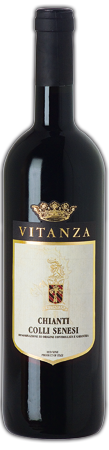
| Country: | Italy |
| Regions: | Tuscany Chianti |
| Winery: | Tenuta Vitanza |
| Grape Type: | Sangiovese |
| Vintage: | 2015 |
| Bottle Size: | 750 ml |
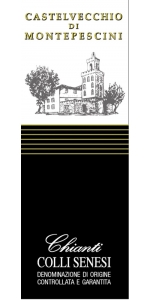
Montepescini Chianti Colli Senesi is made from 90% Sangiovese and 10% Canaiolo.
Deep ruby red in the glass with an intense nose holding blackberry and violet notes. On the palate it is rounded and robust with hints of wild berries, dark cherry and spice. This Chianti has excellent acidity and a long and satisfying finish.
Alcohol: 14.0%
Aging: 8 months in French oak barrels and an additional 3 months in bottle
Vinification: 13 to 15 days of skin contact maceration.
Vineyards: south sun exposure at 350 meters of altitude (1150 feet)
Grapes: 90% Sangiovese and 10% Canaiolo
Pairs well with roasted red and white meats, aged cheeses, dishes with rosemary and garlic or mushrooms.
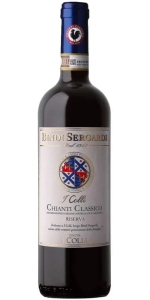
Intense ruby red color. Hints of spices, fruit and flowers, a bouquet that reflects the soil on which it is born, rich in Alberese. In the mouth it is soft, with a pleasant acidity that makes the wine fresh and lively. Sweet and ripe tannins give the wine a pleasant persistence. Riserva dei Colli is an excellent expression of the Estate's Sangiovese, so much so that it bears its name.
Review:
Bordering on opulent, this red features blackberry, black currant, plum, iron and spice aromas and flavors, matched to a velvety texture. Firms up as the resonant tannins emerge, yet remains harmonious and long. Drink now through 2032. 1,700 cases made, 570 cases imported.
-Wine Spectator 93 Points
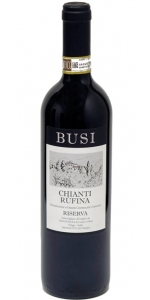
Busi Vin Santo del Chianti Rufina Riserva is made from 100% Sangiovese.
This is a Riserva level Chianti showing prestige and elegance, being powerful and elegant at the same time.
Color: Ruby red with garnet reflections.
Aromas: Intense, ethereal bouquet with hints of leather, tar and ripe cherry fruit.
Flavors: Full of ripe fruit with nuances of leather and liquorice. The taste is complex and round and rich with character. The finish is persistent and satisfying.
Pair with grilled, braised or roasted meats, dishes flavored with mushrooms, or rosemary. Excellent with polenta dishes.
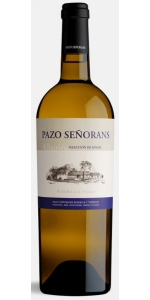
Pazo de Senorans Seleccion de Anada Albarino is made from 100 percent Albarino.
Straw yellow with greenish tints, vivid and brilliant. High intensity and very expressive. Profusion of aromas with traces of mineral. Great volume and ample body leaving a lasting impression from beginning to end.
Reviews:
The 2015 Albariño Selección de Añada is nothing short of phenomenal. For some reason, I hadn't tasted the young 2015 Albariño at the time it was released. It comes from the Los Bancales vineyard planted some 50 years ago and fermented with indigenous yeasts but without malolactic fermentation. It has a bright, almost fluorescent color and a complex, subtle and nuanced, elegant and expressive nose, with notes of sea shells and sea breeze, grass and white flowers. It's very clean, and the palate shows great balance and even feels a bit young. It has remarkable acidity and freshness (seven grams of tartaric acid) with good ripeness and 13% alcohol. This matured in tank with lees for over 30 months and was bottled in June 2024. It feels more serious and less exotic than earlier vintages. 18,000 bottles produced. This is the finest vintage that I can remember. Bravo!
-Wine Advocate 97 Points
Tech:
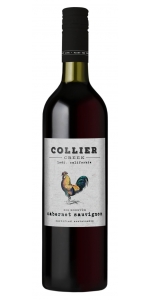
Collier Creek Big Rooster Cabernet Sauvignon is made from 90% Cabernet Sauvignon and 10% Teroldego.
Nestled in the heart of the Lodi Appellation, where farmland ran as far as the eye could see, Collier Creek is a place that reminds us of simpler times. With notes of dark fruit, vanilla and full bodied, we're cocky about how good this Cabernet is. The Big Rooster lands in dry and fruit forward on the finish.
RS: 4.3 g/L
TA: 6.8 g/L
Pair with red meat and stews, or hard cheeses like cheddar.
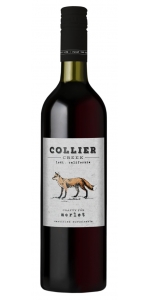
Collier Creek Crafty Fox Merlot is made from 93% Merlot and 7% Teroldego.
Nestled in the heart of the Lodi Appellation, where farmland ran as far as the eye could see, Collier Creek is a place that reminds us of simpler times. Make like a Crafty Fox and fill your den with Merlot that digs into notes of dark fruit and vanilla with a velvet mouthfeel and dry finish.
RS: 3 g/L
TA: 5.5 g/L
Pair with grilled tri-tip, veal scallopini, burger w/ gorgonzola & caramelized onions, classic baked lasagna.
Vitanza Chianti Colli Senesi is made from 100% Sangiovese Grosso.
Ages of vineyards: 11 Years
Wine-making: Pre-soaking at a cold temperature for three days; pump-overs following the density and the temperature under computer control.
Aging: 4 Months in Slavonian oak.
Bottle refinement: 8 Months.
Time of Release: After 1 year from the harvest, in April.
Organoleptic Characteristics: Colour red ruby, clear and very fruitty.
Perfume: Intense of fresh cherry.
Taste: Dry, tannic with a smooth body.
The Tenuta Vitanza Estate
The story of Tenuta Vitanza begins in 1994, when Rosalba Vitanza and her soon-to-be husband, Guido Andretta, spent a romantic weekend in Montalcino.
Rosalba has a PhD in Philosophy, and was teaching at the University of Rome, La Sapienza branch. Guido Anderetta was working as an aerospace engineer, running his own consulting business based in the United Kingdom and the U.S.A.
In 1994, they united their efforts behind the purchase of Podere Rensione, a country home with two acres of vineyards. Their first vintage was 1995 and the couple received 93 points from the Wine Spectator. Today, they own 80 acres of vines (not all in production year), and have a long-term goal of 15,000 cases of production. Since 2002, the couple has been building a modern, gravity flow winery, computer controlled, and wi-fi connected, in the town of Torrenieri. The winery has 13 large stainless steel tanks, each signifying a specific vineyard area. Also, the winery has been designed with total traceability, meaning that each bottle is numbered. In the future, you will be able to access their website, punch in the bottle’s number, and receive the following information:
· bottle type
· cork used
· kind of aging & how much time
· vineyard location & exact parcel
· weather that particular vintage
The Tenuta Vitanza Vineyard
25.8 hectares in production now or 63 acres, broken down as follows:
Size Grape Wine Type
14.4 acres Sangiovese Brunello di Montalcino
3.0 acres Sangiovese Chianti, Colli Senesi
4.0 acres Sangiovese Orcia, DOC
1.4 acres Sangiovese Sant Antimo, DOC
3.0 acres Merlot for Quadrimendo & Chianti
25.8 hectares = 63.73 acres
Belle Glos Clark and Telephone Vineyard Pinot Noir is made from 100 percent Pinot Noir.
Deep ruby red in color with scarlet highlights, Clark & Telephone opens with bountiful aromas of red fruits of cranberry and raspberry jam, laced with clove, cedar, and holiday baking spices. Bold and complex flavors of crushed ripe cherry, cranberry and blueberry pie linger on the palate. The texture is rich and lively, and leads into a warm and structured finish.
Review:
A dark shade in the glass, this bottling offers intense aromas of black cherry, cola, rosewater and caramelized oak on the nose. The palate is rich and powerful, pairing smoky oak with black cherry flavors to create a lavish sip.
-Wine Enthusiast 93 Points
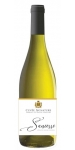
Shirley & David Maudry Sancerre Blanc Cuvee Signature is made from 100% Sauvignon Blanc.
Our Sancerre has citrus aroma and its inimitable "gun flint" notes. Fruity, minerality and freshness in the mouth to leave the taste full of emotions.
RS: less than 1g/L
TA: 4.5g/L
Pairing: Aperitif, fish, seafood, oysters, white meats, spicy dishes and Asian cuisine.



