
" We don't sell the wine without touching the vine "
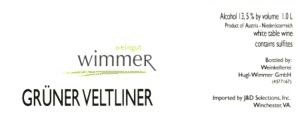
| Country: | Austria |
| Region: | Poysdorf |
| Winery: | Wimmer |
| Grape Type: | Gruner Veltliner |
| Vintage: | 2011 |
| Bottle Size: | 900 ml |
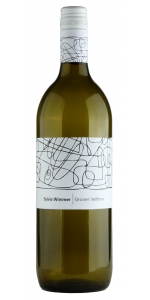
Wimmer Sylvia Gruner Veltliner is made from 100 percent Gruner Veltliner.
Wimmer is Sylvia's nee name and the grapes for the Wimmer Grüner Veltliner still come from the original Wimmer vineyards
Tasting notes: Fine aromatic nose with elegant fruit, subtle minerality, delicately juicy with a firm acid structure, fresh and radiant, long, well-balanced finish, appealing and lively. Full bodied and a lingering finis
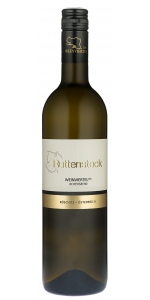
Ruttenstock Gruner Veltliner Ried Reipersberg DAC is 100% Gruner Veltliner.
The wine offers a touch of pear, spice and dried fruit aromas on the nose, and exotic fruit characters.
Minerality emerges from the primary rock soils, followed by an elegant and lively finish.
Pairs well with chicken and pork dishes.
Hugl Gruner Veltliner (liter) is 100% Grüner Veltliner
This is an intense and concentrated wine offering pleasant citrus and grapefruit aromas, exotic tropical fruits with a hint of freshly ground white pepper. Full-bodied dry wine with a firm mineral backbone.
A firm mineral backbone, gives it the strength of character to work well with many cuisines.

Hugl Rosselberg Horse Hill Gruner Veltliner is made from 100% Grüner Veltliner
A powerful, very ripe Grüner Veltliner, intense and full-bodied with a long finish.
The ripe grapes are processed very gently with 12 hours on the skins and then vinified in Stainless Steel tanks. No Oak.
A firm mineral backbone, gives it the strength of character to work well with many cuisines.
SALE!
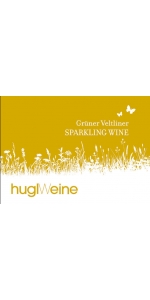
Hugl Sparkling Gruner Veltliner NV is made from 100% Grüner Veltliner.
Did you know that most of the base wines for Austrian sparkling wines come from our region? Poysdorf lies on the same line of latitude as Champagne and the climate is similar in both Champagne and the Weinviertel. This gives us enough reasons to expand our portfolio with a top-quality “sparkler”. Of course, it can only be a Veltliner-Sekt!
Pale golden color with a glint of green. Yellow fruit aromas, dry with a soft, juicy structure and a pleasing streak of minerality. Notes of crisp apple and pear.
The ripe grapes are gently pressed and fermented refrigerated.
Vinified in Stainless Steel tanks. No Oak.
A firm mineral backbone, gives it the strength of character to work well with many cuisines.
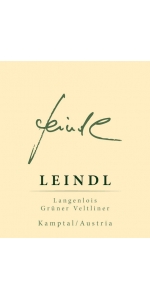
Leindl Gruner Veltliner Langenlois is made from 100 percent Gruner Veltliner.
This classic Gruner Veltliner comes from the famous wine-growing region of Langenlois. A very typical fruity and fresh Gruner Veltliner offering green apples, juicy, minerality, a pleasant body and a good length. It is ideal with a wide range of dishes.
Cold Fermentation.
Aged on the lees for 6 months in Stainless Steel tank. No Oak. No ML.
Produced from vines of 5-20 years old on slate soils.
Wimmer Gruner Veltliner has a fine aromatic nose with elegant fruit, subtle minerality, delicately juicy with a firm acid structure, fresh and radiant, long, well-balanced finish, appealing and lively. Full bodied and a lingering finish.
The Wimmer Estate
The young family owned and run winery is situated in the northern part of Austria known as the Weinviertel, in the wine city of Poysdorf. The wine-growing tradition goes back to 1724.
Their aim is to produce fruity, elegant wines, rich in finesse, that reflect and express the terroir of the Weinviertel area. They take pride in using only the best grapes combined with experience, know-how and dedication.
The Wimmer Vineyard
Deep loess and clayey soil, carefully chosen areas, plenty of sunshine and a sustainable viticulture are the ingredients of their fruity, lively white wines. The vineyards cover an area of about 20 hectares. They further work with carefully selected vintners who produce another 15 hectares of grapes for them.
Post & Beam by Far Niente Chardonnay is made from 100 percent Chardonnay.
Vibrant, refreshing and stunningly perfumed, the Post & Beam Chardonnay opens with aromas of fresh melon and wild honeysuckle. The palate is lush and round, with silky layers of melon and baked apple spice framed by soft, toasted oak and lifted acidity.
Review:
Aromas of rich golden apple and vanilla bean lead to toasty oak, lemon zest, and salty minerality. Vibrant acidity is a focal point on the palate, along with a refreshingly bright and clean finish.
-Tasting Panel 93 Points
Bachelet Bertrand Maranges Rouge Premier Cru Fussiere is made from 100 percent Pinot Noir.
The Maranges appellation is the youngest of the Côte de Beaune family, making its debut in May 1989. It spans three villages, namely Dezize-lès-Maranges, Cheilly-les-Maranges and Sampigny-les-Maranges. Several hills and slopes make up this appellation, all south/south-east-facing.
'La Fussière' is one of the Premier Cru vineyards of the Maranges appellation, known for producing wines of great elegance and finesse.
The wine displays a beautiful ruby color with garnet hints. The nose offers aromas of red fruits, cherries, and subtle earthy notes. On the palate, the wine is elegant with fine-grained tannins and good length.
Excellent with grilled meats, duck, or mushroom-based dishes.



