
" We don't sell the wine without touching the vine "

| Country: | France |
| Vintage: | 1989 |
| Bottle Size: | 375 ml |

All older vintage wines have been purchased from a single collectors cellar. Pictures can be requested before shipment.
All older vintage wines have been purchased from a single collectors cellar. Pictures can be requested before shipment.
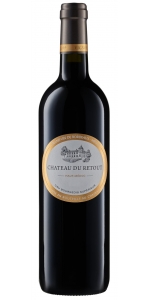
For many wine lovers or consumers, wine tasting is the preserve of professionals or real connoisseurs. People still have this image of it being a complex, technical, precise and highly-formalised process. In fact, wine tasting isn’t and shouldn’t be just that. No, it should be straightforward, convivial, interesting and fun. Tasting a wine should provoke curiosity, excitement, pleasure and dreams…
When you taste a Château du Retout wine, you use all five of your senses: the sense of touch when you pick up the bottle to gauge its temperature, the sense of hearing which allows you to enjoy the sound of he popping of the cork and the wine being poured into the glass, and then, of course, you use your senses of sight, smell and taste when you drink the wine:
The Médoc grape varieties and soils give us wines with superb, dense, dark hues, ranging from deep garnet to ruby-crimson, taking on brick red shades with orange tints with age.
Very intense and expressive aromas with powerful notes of black fruit such as blackcurrants and blackberries. In older wines, the nose develops a spicy bouquet of liquorice, leather and marshmallow mingled with the vanilla scents created by well-integrated oak.
Harmonious, elegant and velvety, with smooth, round tannins, that can be appreciated from the wine's entry to the palate through to the finish. These are delightfully full-bodied wines with great aromatic persistence.
Review:
"Shows the ripeness of the vintage, with dark currant and blackberry framed by singed cedar and vanilla. Ends with a tug of warm earth, a light twang of iron and a steady grip. Cabernet Sauvignon, Merlot and Petit Verdot. Drink now through 2034."
- Wine Spectator (TOP 100 wines of 2024), 92 pts and #45 on Top100
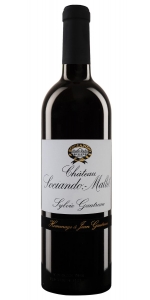
Sociando Mallet Haut-Medoc is made from 53% Merlot, 46% Cabernet Sauvignon and 1% Cabernet Franc.
Château Sociando-Mallet produces full-bodied wines with a deep, dark color. The complex bouquet is dominated by red and black fruit aromas with a touch of minerality, floral and spicy notes. Fresh, harmonious and nicely balanced in the mouth with a solid tannic structure and good acidity that promises a long aging potential. The mid-palate is pleasant with a nice density of fruit. A silky and fruity finish.
Red meat, dishes in sauce, poultry, strong goat or cow cheeses.
All older vintage wines have been purchased from a single collectors cellar. Pictures can be requested before shipment.
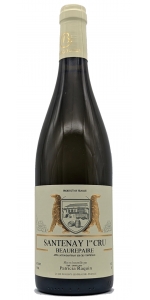
Patricia Raquin Santenay 1er Cru Beaurepaire is made from 100 percent Chardonnay.
The animals shown on the label are dogs. The breed is called Borzoi, also called "Russian Wolfhound", which means "fast" in Russian. Patricia and Alain are proud owners of 2 Borzois and they designed this label so that the dogs will be guardian of the vaulted ageing cellar inside their house.
The Santenay Santenay is coming from the Premier Cru called Beaurepaire.
The wine is showing a great pale yellow color with gold highlights. The nose is very delicate displaying aromas of white blossoms with just a hint of oak. In the mouth, the wine is very soft with a great deal of minerality, superb length and a tangy finish.
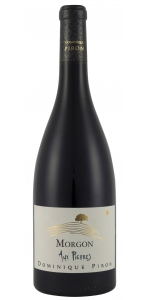
Dominique Piron Beaujolais Morgon Aux Pierres is made from 100% Gamay.
A mineral wine with fine tannins reflecting a perfume of concentrated dark fruits.
A small plot of vines of 85 ares acquired by Dominique Piron's grandfather in 1932. Registered on a place called "Aux Pierres", it is well named due to its blue stones, very typical of the Côte du Py. Year by year, the quality of the harvest has made it an emblematic plot of Piron's family. Elite of the domain, this special cuvee is produce only in case of exceptional vintage. It's a cuvee that can be kept for more than 10 years.
Review:
"This deep and powerful Morgon is just beginning to give its best. The spicy oak is there, but well integrated with the plum and blackberry fruit. Very good balance on the generous front palate, but at the back the richness makes a bold statement and the tannins just hold it in check. With a shade less ripeness this would be even more impressive. Drink or hold.
- James Suckling (April 2021), 92 pts
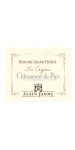
Grand Veneur Chateauneuf-du-Pape Rouge Les Origines is made from 50% Grenache, 30% Mourvedre and 20% Syrah
Matured in vats (grenache) and in oak casks (syrah and mourvèdre).
Deep and brilliant, purple-red colour. An exciting nose with aromas of black fruit (blackcurrant, cherry) spices and vanilla. This great aromatic complexity is found on the palate : the spices and ripe fruit appear with an elegant woodiness and harmonious tannins. The finish has good aromatic length and introduces a touch of liquorice and pepper.
A terrific Châteauneuf du Pape with great concentration and finesse.
Best between 2 and 20 years. Best to decant if young (less than 5 years old).
Soil type Extreme north of Châteauneuf du Pape. This plateau is made with a high quantity of red clay mixed with rocks. This area is considerated to be one of the best to produce rich and powerful red wines. By definition, LES ORIGINES will always deliver a great complexity and ageing potential. Winemaking & ageing Harvest is sorted by hand, destemmed and crushed. Fermentation temperature is controlled at 30°C. Vatting period of 18 to 20 days. Matured in vats (grenache) and in oak casks (syrah and mourvèdre).
Review:
"The 2019 Châteauneuf Du Pape Les Origines is also deep purple-hued and has a classic bouquet of crème de cassis and blackberry fruits intermixed with notions of graphite, chocolate, and spicy wood. Rich, full-bodied, and concentrated, this is beautifully done and despite its more modern elevage, it has plenty of Provençal character and charm."
- Jeb Dunnuck (October 2020), 94-96+ pts
"Warm in feel, with a gush of plum puree and blackberry paste flavors, liberally laced with black licorice and roasted alder notes. A solidly built, modern version, with a nice tug of warm earth on the back end. Best from 2022 through 2034. —J.M."
- Wine Spectator's Insider (June 9th 2021), 93 pts
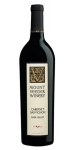
Mount Veeder Winery Cabernet Sauvignon is made from 85% Cabernet Sauvignon, 12% Merlot, 2% Malbec, 1% Cabernet Franc.
The Mount Veeder Winery Cabernet Sauvignon is a deep ruby color. Aromas of black plum, blackberry, fig and ripe cherry, framed by toasted oak and caramel. A hint of dried herb and floral notes. The concentrated fruit flavors and integrated tannins introduce a rich, full-body structure. Sweet fruit is balanced with acidity and savory notes of leather and wet stone, ending with a lengthy finish of dark berry, baking spice, and mocha.
Crafted in celebration of our 50th anniversary, the 2023 Mount Veeder Winery Napa Valley Cabernet Sauvignon is thoughtfully sourced from premier vineyards across Napa Valley, including fruit from our mountain estate. Complex without being cumbersome, this wine has successfully captured the characteristics of the growing season with its intense aromatics and lively acidity.
This vintage reflects our good fortune in working with growers who share our commitment to quality, and we look forward to strengthening these relationships to ensure consistently exceptional wines year after year. Our final blend includes a portion (11%) hailing from our Mount Veeder vineyards, helping link the Napa Valley bottling to the storied past of Mount Veeder Winery.



