" We don't sell the wine without touching the vine "

| Grape Type: | Riesling |
| Vintage: | 1989 |
| Bottle Size: | 750 ml |
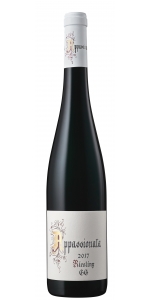
Inspired by the historical winemaking techniques of Erni Loosen’s great-grandfather, the Appassionata Riesling GG is made in the same way as the Dr. Loosen Grosses Gewächs (“Great Growth”) Rieslings he produces in Germany. The GG designation indicates a dry-style wine from a vineyard of special distinction — in this case, the old-vine Medici vineyard, planted in 1976. We farm this exceptional site, which is just a few miles east on the Chehalem Mountain ridge.
The fruit for this wine was harvested from old Rieslng vines (planted in 1976) in the Medici Vineyard, which is also in the Chehalem Mountains AVA, just a few miles from the winery. We lease this vineyard and have been farming it organically since 2015. The wine was fermented in a 3,000-liter German oak cask, and rests on the full lees for 12 months before bottling. The extended lees contact allows the wine to clarify and find its own harmonious balance naturally.
Production notes:
Whole-cluster pressing; natural fermentation in a neutral 3,000-liter oak cask; matured on the full lees for 12 months; no bâtonnage.
Review:
If you prefer a thinking person's wine you'll run out of superlatives to describe this Riesling from Dr Loosen's Oregon project with J Christopher Wines. From a personal favourite, the old vines of the Medici Vineyard, the winemaking shows serious patience and determination. Fermented in a 3,000-liter, neutral oak German Fuder cask. It rests on the full lees for two years and is then held in bottle for three to five years before release. Aged, savoury and delicious. Aromas are savoury and saline. Lanolin, dandelion, seafoam, and beeswax with hints of fresh herbs and dried lemon peel. The palate is brilliant, savoury and bright and complex. Energetic flavours of wet slate, savoury bee pollen, white tea and lanolin notes. The finish offers crushed stone vibrancy.
-Decanter 93 Points
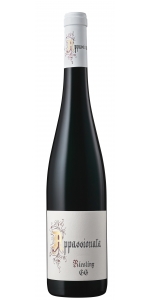
Inspired by the historical winemaking techniques of Erni Loosen’s great-grandfather, the Appassionata Riesling GG is made in the same way as the Dr. Loosen Grosses Gewächs (“Great Growth”) Rieslings he produces in Germany. The GG designation indicates a dry-style wine from a vineyard of special distinction — in this case, the old-vine Medici vineyard, planted in 1976. We farm this exceptional site, which is just a few miles east on the Chehalem Mountain ridge.
The fruit for this wine was harvested from old Rieslng vines (planted in 1976) in the Medici Vineyard, which is also in the Chehalem Mountains AVA, just a few miles from the winery. We lease this vineyard and have been farming it organically since 2015. The wine was fermented in a 3,000-liter German oak cask, and rests on the full lees for 12 months before bottling. The extended lees contact allows the wine to clarify and find its own harmonious balance naturally.
Production notes:
Whole-cluster pressing; natural fermentation in a neutral 3,000-liter oak cask; matured on the full lees for 12 months; no bâtonnage.
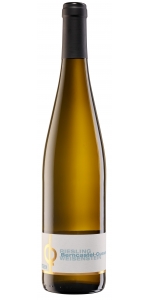
Bastgen Berncastel-Cueser Weisenstein Riesling Spatlese Trocken is made from 100 percent Riesling.
Bright, clean, fresh and zesty. Grapefruit like flavors. Fruity aromas and a nice minerality, typical of the Riesling grape grown on blue slate soil. Round, rich and a very long finish. The grapes for this wine are vigorously selected. Botrytis is not tolerated. At harvest the grapes are fully ripened, have a golden color, and a soft tartness. After a long spontaneous fermentation in a traditional 1000L barrel, the wine just reaches the dry stage. This gives the wine a creamy structure that interplays with ripe yellow and exotic fruit aromas.
They meticulously tend 4.5 ha (11.11 acres) of which 80% is Riesling. The soil is made of slate. Their vineyards are located in Kesten and Brauneberg, on a steep terrace, and planted to 50-year old vines. Fortunately for Bastgen, they own part of the famous Brauneberger Juffer Sonnenuhr. The vines produce very small, ripe berries that are very tasty.
Bastgen Berncastel-Cueser Weisenstein Riesling Spatlese Trocken is made from 100 percent Riesling.
Bright, clean, fresh and zesty. Grapefruit like flavors. Fruity aromas and a nice minerality, typical of the Riesling grape grown on blue slate soil. Round, rich and a very long finish. The grapes for this wine are vigorously selected. Botrytis is not tolerated. At harvest the grapes are fully ripened, have a golden color, and a soft tartness. After a long spontaneous fermentation in a traditional 1000L barrel, the wine just reaches the dry stage. This gives the wine a creamy structure that interplays with ripe yellow and exotic fruit aromas.
They meticulously tend 4.5 ha (11.11 acres) of which 80% is Riesling. The soil is made of slate. Their vineyards are located in Kesten and Brauneberg, on a steep terrace, and planted to 50-year old vines. Fortunately for Bastgen, they own part of the famous Brauneberger Juffer Sonnenuhr. The vines produce very small, ripe berries that are very tasty.
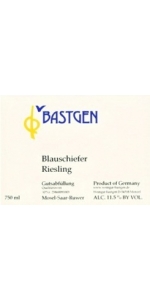
Bastgen Blauschiefer Riesling is 100 percent Riesling.
Bright, clean, fresh and zesty. Grapefruit like flavors. Fruity aromas and a nice minerality, typical of the Riesling grape grown on blue slate soil. Round, rich and a very long finish.
They meticulously tend 4.5 ha (11.11 acres) of which 80% is Riesling. The soil is made of slate. Their vineyards are located in Kesten and Brauneberg, on a steep terrace, and planted to 50-year old vines. Fortunately for Bastgen, they own part of the famous Brauneberger Juffer Sonnenuhr. The vines produce very small, ripe berries that are very tasty.
Review:
"Very enticing nose of ripe pear with some white peach and floral aromas! All the elegance and delicacy we expect from high-quality Mosel riesling, but this light-bodied and dry beauty is only an entry-level wine! Long, refreshing and delicate finish. This will be a bargain in all the markets it reaches. From organically grown grapes. Drink now. Screw cap. "
- James Sucking (November 2023), 92 pts
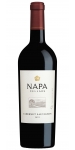
Napa Cellars Cabernet Sauvignon is made from 100 percent Cabernet Sauvignon.
Napa Cellars Cabernet Sauvignon brims with ripe, concentrated aromas of black currant, loganberry and fig, underscored by threads of warm spice and mocha.
Review:
Aged 21 months in French and Hungarian oak, notes of toasty, spiced cocoa, cassis, and clove are the preamble for the palate’s introduction to this most approachable red. Deep and savory, with black tea, plum, and graphite. Tannins are supple and easy going, and acidity is bright, establishing an energetic finish. - The Tasting Panel, July/August 2025
-Tasting Panel/Somm Journal 92 Points
Ptit Paysan Cabernet Sauvignon is made from 91% Cabernet Sauvignon, 6% Petite Verdot, 3% Cabernet Pfeffer.
Oak: 11 months on lees in neutral barrels
The Cabernet Sauvignon is sourced from a vineyard at the foot of the Santa Cruz Mountains west of Morgan Hill, which grows in a mix of granitic and volcanic soils, and a 25-year-old vineyard east of Gilroy, which grows in deep, extremely sandy soils against the foothills of the Diablo Range. The Petite Verdot is sourced from the Paicines AVA and grows in rocky alluvial deposits above the Tres Piños Arroyo. All three vineyards experience the warm days and cold nights typical of the Central Coast, allowing these late ripening Bordeaux varieties to be picked at high acidity and moderate sugars.
Le P'tit Paysan offers intense blackberry, dark cherry aromas, chocolate, herbaceous and toasty notes on the palate. Medium-bodied, well-balanced with moderate and integrated tannins that give structure and liveliness to the wine.
Pairs well with steak, duck, game, hearty stews, ribs, and dark, rich sauces.