
" We don't sell the wine without touching the vine "
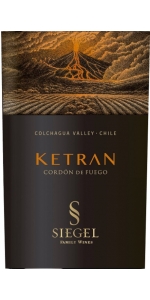
Siegel Ketran Red Blend is made from 35% Syrah, 30% Petit Verdot, 25% Carmenere, 10% Cabernet Franc
Ketran is coming from the Mapuche Language and it means "plowed earth". In fact, Earth was plowed by fire from the volcanic acitivity. Ketran is a tribute to the volcanic soils that gave birth to the fantastic terroir of Los Lingues, located at the foothills of the “Cordillera de los Andes".
The wine is clean and bright in color.
The wine displays a very aromatic and elegant nose of ripe black fruit, prune and dried fig.
The mouthfeel is smooth and the length to the finish is quite exceptionnal, with sweet and fleshy tannins, balanced by a perfectly integrated acidity which gives the wine some freshness and emphasizes the presence of fruit and its ability to age.
Coming from the volcanic soils of Los Lingues, at the foothills of the Andes mountain.
The wine went through ML fermentation, it was then aged 24 months in French Oak barrels.
The wine has been slightly filtered before bottling.
Review:
"2014 is the second release of Siegel's top red wine, made from a four-way cuvée of Syrah, Petit Verdot, Carmenère and Cabernet Franc. Plush, spicy and smoothly oaked, with some tannic backbone and a glossy finish. Needs time. 2021-30"
- Tim Atkin MW (Chile 2019 Special Report), 94 pts
Ketran is Siegel’s most ambitious wine. Debuting with the 2013 vintage, it’s a selection of the best barrel lots from Los Lingues in the Andean zone of Colchagua. The blend works very well, especially if you let the wine breathe for a few hours beforehand. The oak steps aside, and the aromas of fruit and herbs take over in a red with firm, sharp tannic structure that leaves room for the acidity—not very prominent in a warm year, but still present—to achieve balance. This blend is for the cellar.
-Patricio Tapia - Descorchados 94 Points
The Prisoner Wine Company The Prisoner Red Blend is made from a blend of Zinfandel, Cabernet Sauvignon, Petite Sirah, Syrah, and Charbono.
Bright aromas of ripe raspberry, vanilla, and coconut give way to flavors of fresh and dried blackberry, pomegranate, and vanilla, which linger harmoniously for a smooth and luscious finish.The Prisoner Red Blend was inspired by the wines first made by the Italian immigrants who originally settled in Napa Valley. The Prisoner is now the most recognized red blend, leading the resurgence of interesting blends by incorporating Zinfandel with the unlikely mix of Cabernet Sauvignon, Petite Sirah, Syrah, and Charbono.
On the nose, dried blackberry, dried açai berries, and hints of cedar and tobacco leaf are accented by sweet spices of clove, cinnamon, and nutmeg. Flavors of ripe dark cherry, blackberry coulis, and hints of anise linger harmoniously for a soft, vibrant finish balanced by ripe tannins.
Chef Brett recommends pairing The Prisoner Red Blend with Kalbi Short Ribs or Chicken Mole Tostada.
Vineyards: When you outgrow winemaking tradition, you must forge your own path. And we did. The Prisoner exists because of the collaboration with our growers, many of which have been with us since the very beginning—from the Solari Family Vineyard in Calistoga, where old school sensibilities meet new techniques, to the Korte Ranch in St. Helena, a vineyard whose diligence outlasted the Prohibition and has sustained four generations.
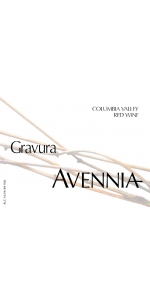
Avennia Gravura Red Blend is made from 48% Cabernet Sauvignon, 41% Merlot, 11% Cabernet Franc
Gravura is our ode to the Graves AOC of Bordeaux, emphasizing a harmony of Cabernet Sauvignon and Merlot. The name is a play on an artisan printing technique, and on the Bordeaux region of Graves, which features similar blends. Featuring more Merlot and with the addition of Red Mountain fruit, this wine is designed to be more generous and voluptuous in style, while still remaining complex and balanced.
Gravura Tasting Notes: Beautiful nose of red and black fruits, some savory leaf notes, mocha, pencil shavings. The palate is elegant and balanced, almost pretty: raspberry, black and red currants, milk chocolate and caressing tannins. Finish medium-long and ethereal.
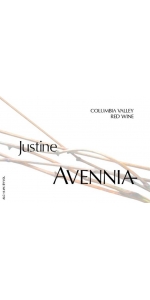
Avennia Justine Red Blend 56% Grenache, 31% Mourvèdre, 13% Syrah
Justine reflects our belief that Washington is capable of producing world class blends of grape varieties traditional to the Southern Rhone region of France. The name is inspired by one of the great heroines of recent literature, who also sprung from the imagination of the Mediterranean. Dark, seductive, complex, with a chasm of depth: The Justine is a great reflection of Avennia's mission of expression, and Washington's generous terroir.
Tasting Note: Big black cherry, blackberry, hints of orange peel, fresh herbs and loam on the nose. Plush and round on the palate. Dark earthy fruits from the Mourvedre, along with citrus high notes, mountain flowers, jasmine, and savory herbs. Balanced and complex without forgetting its hedonistic roots in the Southern Rhone.
Review:
A blend of 56% Grenache, 31% Mourvèdre, 13% Syrah brought up all in older oak, the 2016 Justine offers a great core of black fruits as well as lots of peppery herbs, earth, and classic meatiness. It looks to be a great vintage for this cuvée."
- Jeb Dunnuck (April 2018), 92-94 pts
Avennia Justine Red Blend 61% Grenache, 21% Mourvèdre, and 18% Syrah.
Justine reflects our belief that Washington is capable of producing world class blends of grape varieties traditional to the Southern Rhone region of France. The name is inspired by one of the great heroines of recent literature, who also sprung from the imagination of the Mediterranean. Dark, seductive, complex, with a chasm of depth: The Justine is a great reflection of Avennia's mission of expression, and Washington's generous terroir.
Tasting Note: Big black cherry, blackberry, hints of orange peel, fresh herbs and loam on the nose. Plush and round on the palate. Dark earthy fruits from the Mourvedre, along with citrus high notes, mountain flowers, jasmine, and savory herbs. Balanced and complex without forgetting its hedonistic roots in the Southern Rhone.
Review:
-Owen Bargreen 95 Points
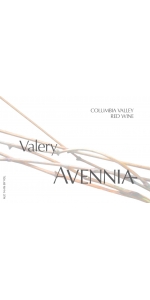
Avennia Valery Red Blend is made from 86% Merlot and 14% Cabernet Franc
Valery is named for the patron saint of wine in the St. Emilion region that inspired it.
We started with old vine Merlot from a stony block in the heart of the Yakima Valley and added complex, aromatic Cabernet Franc from the Horse Heaven Hills. The result is a balanced, complex wine with the elegance and ethereal perfume that this blend of two of Washington’s best varietals are known for.
The nose on this wine is very perfumed, almost exotic with notes of fresh violets, red plum, winter mint, fresh herbs and crushed limestone qualities. The palate is poised and balanced, with red fruits and mocha powder encapsulated in limestone. The finish lingers delicately, with the Cabernet Franc asserting a light tobacco and herb note, giving depth. A compelling wine that will continue to unwind for 7-10 years in the cellar.
Review:
"Brought up in 30% new French oak, the 2016 Valery (70/30 Merlot and Cabernet Franc) offers more black cherry and earthy, herbal notes as well as a medium-bodied, seamless, beautifully balanced style. It too shows a vibrant, fresh, yet concentrated style that has a Bordeaux feel in its weight and texture."
- Jeb Dunnuck (April 2019), 93 pts
"Good medium-dark red. Aromas of blueberry, mocha, licorice and violet are a bit darker than those of the 2015 version. Dense and penetrating, with wild flavors of dark berries, licorice and game given lift by rocky minerality and a minty nuance. Chris Peterson slightly acidified his Cabernet Franc from Champoux Vineyard, which he added to the wine for richness. This beauty may yet tighten up in the bottle.- Stephen Tanzer"
- Antonio Galloni's Vinous (November 2018), 92+ pts
Avennia Valery Red Blend is made from 88% Merlot and 12% Cabernet Franc
Valery is named for the patron saint of wine in the St. Emilion region that inspired it.
We started with old vine Merlot from a stony block in the heart of the Yakima Valley and added complex, aromatic Cabernet Franc from the Horse Heaven Hills. The result is a balanced, complex wine with the elegance and ethereal perfume that this blend of two of Washington’s best varietals are known for.
The nose on this wine is very perfumed, almost exotic with notes of fresh violets, red plum, winter mint, fresh herbs and crushed limestone qualities. The palate is poised and balanced, with red fruits and mocha powder encapsulated in limestone. The finish lingers delicately, with the Cabernet Franc asserting a light tobacco and herb note, giving depth. A compelling wine that will continue to unwind for 7-10 years in the cellar.
Review:
"This Merlot dominant blend is made in the style of Bordeaux's Right Bank. Still, it offers a brilliant complexity sourced from two of Washington's most important sites, with old-vine Merlot that comes from a rocky section of Boushey Vineyard and Cabernet Franc from the Horse Heaven Hills standard bearer Champoux Vineyard. The resulting wine is dazzling, complex and refined. Elegance in the floral tones of dark violets and dried lavender mingle with smoky clove and a savoury saline pique. The palate offers intensity, rich red fruits, savoury dried anise and hints of wild desert sage. There's a core of dark chocolate and a streak of pencil lead into the finish."
- Decanter 96 Points
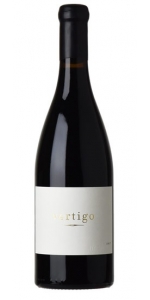
Booker Vertigo Red Blend is made from 7% Syrah, 32% Mourverde, 9% Grenache, 7% Petite Syrah, 5% Tannat.
Vertigo is our Syrah-heavy "G-S-M". It is spicy, structured, and always performs. The name is a nod to the steepness of the hillside on our estate where we grow the fruit for this wine. Starts with aromas of spice, dark chocolate and soft purple fruits on the nose. The palate surprises you with a touch of cayenne amongst juicy ripe fruit. We recommend making this your BBQ staple. Pair with pork ribs, bourbon chicken, or “bring on the bacon” to quote our tasting room team!
Review:
Deep and brooding nose with dark cherries, grilled meat. Slightly reductive, with flinty crushed stones, sweet dark cherries, cocoa powder. Crunchy, bright and juicy palate full of blue and black berries. Really tight but caressing. Drink now or hold.
- James Suckling 95 Points
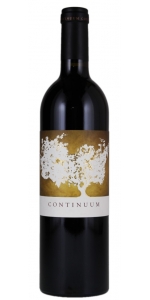
Continuum Red Blend 2021 is made from 45% Cabernet Sauvignon, 35% Cabernet Franc, 11% Merlot, 9% Petit Verdot.
A vintage set apart for its perseverance and resilience, the 2021 Continuum is one of refined concentration – a resounding expression of both measured intensity and enduring vibrancy. This is a multi-layered magnificent vintage that reveals floral notes, with black cherry and wild foraged mixed berries throughout. One can perceive the chemise, sage, and bay giving a gorgeous savory expression, reflective of the natural environment that surrounds the Sage Mountain Vineyard. 2021 is a wine of incredible complexity and nuance – a wine for the ages.
WINEGROWING- Continuum is estate grown on our Sage Mountain Vineyard. It’s location, high on Pritchard Hill along the eastern ridge above Oakville, overlooks Napa Valley and the San Francisco Bay. The rocky, volcanic soils of the site focus the vine’s energy keeping yields low yielding fruit of depth and complexity. 38 acres of mature estate vineyard, planted in 1991 and 1996, with additional plantings in 2004, 2010, together comprise 38 distinct vineyard blocks. Cabernet Sauvignon, Cabernet Franc, Petit Verdot, and Merlot are grown from 1300 to 1600 feet in elevation, on western and southern facing aspects with slight northern and eastern slopes in places. This diversity of plantings on our volcanic soils are the essence of the complexity of Continuum.
PRODUCTION- Continuum is 100% estate grown, produced and bottled. All fruit is selectively hand-harvested at night. The fruit is then sorted before and after de-stemming, and gravity fed into French oak or concrete tanks. A threeday cold soak is followed by fermentation, receiving three to four pumpovers daily, and délestage two to three times in total during the most active period. The wine remains on skins in tank for 20 to 40 days. All lots are then drained, basket pressed, and transferred with lees for malolactic fermentation and aging. Continuum spent 22 months in barrel. 63 percent of French oak barrels were new and 35 percent were once used. A single concrete amphora was also used for aging. The wine clarified slowly and settled naturally in our cold barrel room, was racked sparingly and bottled without fining or filtration. Each vineyard lot was tasted and carefully considered many times to assemble the blend. TASTING NOTES- Continuum shows energy and verve. The wine expresses purity and precision, with high tone aromatics of red and blue fruit, deep plum and rose oil. This vintage shows an approachable nerve of the land in the refined mineral quality on the palate. The surrounding native vegetation of bay and sage is evidenced in an earthy, savory profile. This is a shimmering, silky and harmoniously integrated wine with densely packed fine grain tannins.
DECANTING- For the fullest sensory experience we encourage decanting to allow the wine to breathe before serving. Decanting awakens the wine’s more purely fragrant expression and enhances the suppleness of the palate. Continuum is accessible and enjoyable upon release; however extended aging will be richly rewarded.
Review:
This note is written before the final blend of the 2021 Continuum. Deep purple-black in color, it hits the ground running with an intense nose of red and black currant preserves, lilacs, baker's chocolate, and graphite, leading to an undercurrant of black olives and red loam. On the medium to full-bodied palate it is very lively, grainy and super-concentrated, finishing long and shimmery.
-Wine Independent 98-100 Points
The 2021 Continuum is a blend of 45% Cabernet Sauvignon, 35% Cabernet Franc, 11 % Petit Verdot, and 9% Merlot. Deep garnet-purple colored, notes of black cherries, warm cassis, and plum preserves storm from the glass, giving way to nuances of dark chocolate, violets, and Sichuan pepper. The full-bodied palate is fabulously concentrated and yet so energetic, delivering firm, finely grained tannins and wonderful freshness, finishing long and perfumed. Wow.
-Wine Palate 100 Points
This is so aromatic with blackcurrant, blackberry, graphite, iron, pine bark and orange peel. Hints of wild sage and peppermint. Seductive perfumes. Full-bodied with extremely well-integrated tannins that have great length. Elegant firmness at the finish. The quality of the tannins is some of the best I have had in a young Continuum. Seamless silk. Great finish. 45% cabernet sauvignon, 35% cabernet franc, 11% merlot and 9% petit verdot. Best after 2027.
-James Suckling 99 Points
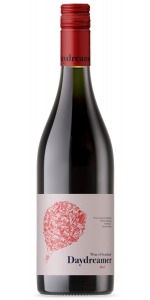
Daydreamer Red Blend is 60% Pinotage, 20% Shiraz and 20% Grenache.
Bright red and black berry fruit with pink pepper and a hint of violets on a silky palate with fine tannins, that offer weight and length on a fresh, juicy finish.
The wine is 100% unoaked.
Review:
"Easy-sipping blend with light strawberry aromas. The palate offers ripe red fruit and moderate freshness, leading to a medium finish with a hint of dried herbs.
— Jesica VARGAS"
- Wine Enthusiast (November 2025), 88 pts
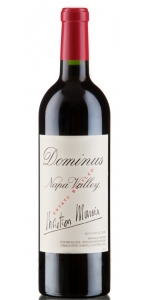
Dominus Napa Valley Red Blend is made from 88% Cabernet Sauvignon, 7% Cabernet Franc, 5% Petit Verdot.
The historic Napanook Vineyard, a 124-acre site west of Yountville, was planted in 1838. This vineyard was the source of fruit for some of the finest Napa Valley wines. Estate-bottled in the spirit of the Bordeaux châteaux, Dominus Estate is dry-farmed to allow natural stress and good concentration of fruit. Grape clusters are crop-thinned to allow sun and air to pass in between, helping to achieve full maturation and soften the tannins. Only 20% to 40% new French oak barrels are used in order to limit the extraction of oak notes. To express the unique terroir, the classic Bordeaux grape varietals of Cabernet Sauvignon, Merlot, Cabernet Franc and Petit Verdot are planted with different root stocks best suited for the varying soil composition of gravel, heavy clay and loam.
Reviews:
One of the legendary Dominus, the 2021 Cabernet Sauvignon is unquestionably in the same league as the 2018, 2016, 2015, 2013, 2010, and 1991, and to my mind, wine simply doesn't get any better. Sporting a dense purple hue as well as an incredible perfume of blackcurrants, crushed stone, cedar pencil, smoke tobacco, and baking spices, it s rich, full-bodied, and voluptuously textured, with ripe yet building tannins. It reminds me slightly of the 2010 (maybe the 2013), and I suspect it will have a similar evolution. Hide bottles for 7-8 years, and it will evolve gracefully for 30+ years. Hats off to the team of Christian Moueix and director Tod Mostero.
Jeb Dunnuck 100 Points
Dominus Napa Valley Red Blend is made from 88% Cabernet Sauvignon, 7% Cabernet Franc, 5% Petit Verdot.
The historic Napanook Vineyard, a 124-acre site west of Yountville, was planted in 1838. This vineyard was the source of fruit for some of the finest Napa Valley wines. Estate-bottled in the spirit of the Bordeaux châteaux, Dominus Estate is dry-farmed to allow natural stress and good concentration of fruit. Grape clusters are crop-thinned to allow sun and air to pass in between, helping to achieve full maturation and soften the tannins. Only 20% to 40% new French oak barrels are used in order to limit the extraction of oak notes. To express the unique terroir, the classic Bordeaux grape varietals of Cabernet Sauvignon, Merlot, Cabernet Franc and Petit Verdot are planted with different root stocks best suited for the varying soil composition of gravel, heavy clay and loam.
Reviews:
One of the legendary Dominus, the 2021 Cabernet Sauvignon is unquestionably in the same league as the 2018, 2016, 2015, 2013, 2010, and 1991, and to my mind, wine simply doesn't get any better. Sporting a dense purple hue as well as an incredible perfume of blackcurrants, crushed stone, cedar pencil, smoke tobacco, and baking spices, it s rich, full-bodied, and voluptuously textured, with ripe yet building tannins. It reminds me slightly of the 2010 (maybe the 2013), and I suspect it will have a similar evolution. Hide bottles for 7-8 years, and it will evolve gracefully for 30+ years. Hats off to the team of Christian Moueix and director Tod Mostero.
Jeb Dunnuck 100 Points
Dominus Napa Valley Christian Moueix Red Blend is made from 87% Cabernet Sauvignon, 9% Cabernet Franc, 4% Petit Verdot.
Dominus Estate is the Napa Valley property of Bordeaux producer Christian Moueix. The wine is bottled from the historic Napanook Vineyard. Located at the foothills of the Mayacamas, the vineyard was planted in 1838 and continues to evolve under the stewardship of Christian Moueix. The estate's Bordeaux varietals benefit from the Yountville microclimate where temperatures are moderated by cool breezes from the San Pablo Bay. The resulting wine is a uniquely refined expression of this special terroir. The 2023 vintage is seductive and deep with notes of cedar, oriental spices, wild berry, and cocoa, followed by a finely etched finish.
Reviews:
Black currant, pencil shaving, subtle sandalwood, wet earth, forest floor and violet aromas follow through to a medium- to full-bodied palate with ultra-fine tannins that integrate perfectly at the end. A polished and caressing texture that goes on for minutes. The balance and drinkability of this Dominus is terrific, and it will age beautifully. A blend of 87% cabernet sauvignon, 9% cabernet franc and 4% petit verdot. From organically grown grapes. Very drinkable now, but will age beautifully.
James Suckling 99 Points
Laird Jillians Red Blend is made from 65% Cabernet Sauvignon, 18% Syrah, 10% Merlot, 5% Malbec and 2% Petit Verdot
21 months in 75% French Oak and 25% American Oak (40% new and 60% neutral)
Vineyard: Cabernet Sauvignon (60% Mast Ranch + 40% Linda Vista Ranch), Syrah (100% Eagle Vines Ranch), Merlot (100% Big Ranch), Malbec (100% Flat Rock Ranch) and Petit Verdot (100% Flat Rock Ranch).
Appellation: Napa Valley
Our family has been proudly growing grapes in Napa Valley for two generations; this unique fusion of four varietals honors the youngest member of the third generation in our farming family, our daughter Jillian. This Left Bank Bordeaux-style blend with a twist of Rhone is structured, but easy to drink. Jillian’s is the only blend we make and it’s our most popular red wine.
Tasting Notes: Complex and precocious just like the real Jillian. Its deep, ruby red appearance accompanied by viscous legs leads the way to a seductive bouquet of toasted oak, lavender and ripe strawberries. A medium bodied palate, with delicate tannins and acidity, leads the way to tart dusty cherries and boysenberries that dance across your palate, while flavors of clove, vanilla and blueberry custard unfold on the finish.
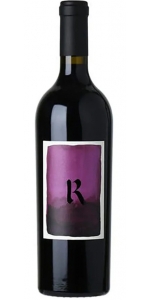
The Tempest was one of the first wines, and the first Proprietary Blend, we produced. At the time, it seemed almost uncanny that we were able to access three grape varietals at the same time from the same vineyard; it was blind luck or perhaps the proverbial “perfect storm.” The resulting wine reflected a fierce determination to brave the storm as well as a new desire to realize the possibilities of Merlot. The Tempest is still made with outstanding grapes, from vineyards such as Blair in Calistoga and cooler sites like Farella and Orchard. Predominantly Merlot with lesser amounts of Cabernet Sauvignon depending on vintage, The Tempest is a roiling cauldron of fresh red and blue fruit and silky tannins – a wine that shows what Merlot can be in the right hands, from the right vineyards.
Red fruit; silky tannins; more approachable in its youth
Review:
The 2022 The Tempest is a blend of 67% Merlot, 10% Cabernet Franc, and 23% Cabernet Sauvignon. Deep garnet-purple colored, it comes skipping out of the glass with bright, cheery notes of black raspberries, mulberries, and kirsch, leading to hints of lavender, wild sage, and aniseed. The medium to full-bodied palate delivers bright, crunchy fruit with firm, fine-grained tannins and great tension, finishing on a lingering peppery note. This was bottled in March 2024.
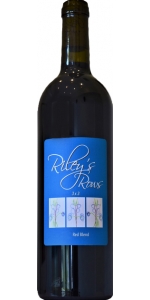
Riley's Rows 3x3 Red Blend is made from 36% Cabernet Sauvignon, 35% Syrah, 29% Merlot
Riley’s Rows "Three by Three" Proprietary Red Blend North Coast is a great wine from some of the winery's favorite North Coast vineyard sites. The Merlot is from their Brandt ranch in Lake County…which, is one of the best vineyards in Lake County. The Cabernet and Syrah are both from great Sonoma County sites.
Riley’s Rows 3 x 3 displays a nose of ripe plum and Bing cherries with a hint of cocoa. The palate opens with ripe red berries. The mid-palate offers a delicious melange of blackberry, Rainer Cherry, and nutmeg. The wine has a long finish, very balanced acidity, and soft tannins. The wine is approachable now but will age nicely for many years to come!
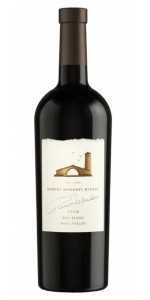
Robert Mondavi Winery Napa Red Blend is made from 74% Cabernet Sauvignon, 13% Cabernet Franc, 9% Merlot, 4% Petit Verdot.
Robert Mondavi’s vision was to elevate Napa to the world stage. In celebration of his achievement, our Napa Tier wines are sourced from distinctive vineyards throughout the Napa Valley and truly emulate a classic Napa Valley style.
Nearly half of this year’s blend is sourced from the deep, well-drained soils of Oakville, which provides gorgeously dark, supple wines with fine tannins. Stags Leap District, Oak Knoll, Yountville, and Rutherford also find their place in the bottle, with the varying mesoclimates and soils of these vineyards integrating seamlessly into a 100% Napa Valley blend.
Review:
"Dominated by 80% Cabernet Sauvignon with smaller percentages of the other Bordeaux red grapes, this wine speaks of heritage and prestige. Broad, silky, and powerful, the graceful liquid is enhanced by dark chocolate, white pepper, black plum, violets, and sweet earth."
-Meridith May, Tasting Panel, January/February 2023 Pts. Tasting Panel
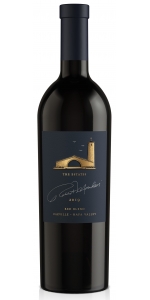
Robert Mondavi Winery The Estates Red Blend is made from 49% Cabernet Franc, 47% Cabernet Sauvignon, 4% Petit Verdot.
Robert Mondavi’s vision was to elevate Napa to the world stage. In celebration of his achievement, our Napa Tier wines are sourced from distinctive vineyards throughout the Napa Valley and truly emulate a classic Napa Valley style.
Aromas of blackberry, cherry, toasted almond, bay leaf and mocha. Luscious ripe cherry and cassis, with savory notes of dried herbs and toast. Rich, weighty, and mouth-coating, with classic fine To Kalon tannins.
Review:
This has a pretty fragrance of violets, green peppercorns, salted olives, blackcurrants and black raspberries. Creamy, salted dark chocolate and praline to follow. Medium-to full-bodied with fine-grained tannins. Delicious and superbly balanced. 50% cabernet franc, 47% cabernet sauvignon and 3% petit verdot.
-James Sucking 94 Points
The 2019 Red Blend Estate comes all from the To Kalon Vineyard and is close to an even split of Cabernet Franc and Cabernet Sauvignon. It's a clear step up over the base Red Blend and offers terrific, full-bodied aromas and flavors of darker fruits, dark chocolate, violets, and a kiss of spring flowers. With silky tannins, terrific balance, and outstanding length, it's going to evolve for 15 years or so.
-Jeb Dunnuck 94 Points
Sale price good on website only and wine must be shipped to your home.
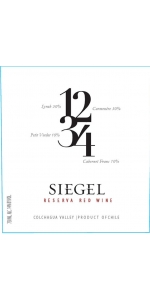
Siegel Reserve Red Blend 1234 is made from 50% Syrah, 30% Carmenère, 10% Cabernet Franc and 10% Petit Verdot.
Deep ruby color. Intense aromas of black fruits, white pepper, spices and a hint of clove. The blend of four varieties gives a complex, deep wine with juicy tannins, good volume and very balanced.
Pre-fermenting cold maceration for five days, alcoholic fermentation at 26-28 C to obtain color and structure. Post fermentation maceration of two to three weeks according wine tasting and then the wine is separated from the skins. The wine ends its malolactic fermentation in tank. Harvest: by hand (30 day harvest window)
Paella, Confit de Canard (duck confit) and pastas.
Sale price good on website only and wine must be shipped to your home.
Siegel Reserve Red Blend 1234 is made from 50% Syrah, 30% Carmenère, 10% Cabernet Franc and 10% Petit Verdot.
Deep ruby color. Intense aromas of black fruits, white pepper, spices and a hint of clove. The blend of four varieties gives a complex, deep wine with juicy tannins, good volume and very balanced.
Pre-fermenting cold maceration for five days, alcoholic fermentation at 26-28 C to obtain color and structure. Post fermentation maceration of two to three weeks according wine tasting and then the wine is separated from the skins. The wine ends its malolactic fermentation in tank. Harvest: by hand (30 day harvest window)
Paella, Confit de Canard (duck confit) and pastas.
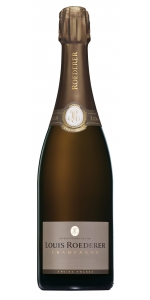
Intense, fresh and fruity bouquet, reminiscent of a tangy red fruit tart (wild strawberry, blueberry), slightly sweet yet underpinned by more concentrated, jammy and citrus notes. The aromatic complexity comes through after a few swirls in the glass giving us a medley of spice, warm cinnamon and peppers. Fleshy attack dominated by ripe, crunchy, plump red fruit that brings depth and creaminess. The fruity structure is gradually elongated by a chalky, mineral freshness that creates a lingering sensation of lightness and harmony on the finish.
Review:
Roederer's 2014 Brut Vintage is beautiful, offering up aromas of pear, mirabelle plum, red berries, warm biscuits and smoke. Full-bodied, layered and elegantly muscular, it's seamless and complete, with terrific mid-palate depth and amplitude. Framed by bright acids and enlivened by a pinpoint mousse, it concludes with a penetrating finish. The blend is 70% Pinot Noir, emphasizing Verzy, and pressure is a touch higher than in its more ethereal Blanc de Blancs counterpart. As I wrote of its 2013 predecessor, this is a wine that puts many prestige cuvées to shame.
95 Points Robert Parker's Wine Advocate
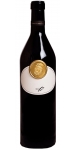
Buccella Cuvee Katrina Eileen Napa Valley is made from 100% Cabernet Sauvignon.
Named after our first-born daughter, Cuvée Katrina Eileen is primarily composed of fruit from a vineyard in the Western Hills of Yountville, where yields are miniscule. The extremely rocky soil of the vineyard produces concentrated clusters of perfectly ripened Cabernet Sauvignon. In German, the name “Katrina” represents purity and fittingly, this wine is made entirely from the Cabernet Sauvignon grape, providing a pure expression of this decadent varietal. It also reflects our daughter’s personality with flavors that are complex, unreserved and expressive.
Always a 100% Cabernet blend, our 2017 Cuvée Katrina Eileen is an opulent and mouth-enriching wine. Captivated by the inky-black color, luscious scents of dark espresso and cinnamon stick leap out, along with powerful elements of graphite and cassis. Remarkably rich and seamless, while boasting flavors of blueberry compote, dark chocolate and black raspberries, this is a compelling and luxurious wine focused upon velvety texture, silky tannins and incredible length. An intentional breadth on the palate and length in the finish are hallmarks of this wine.
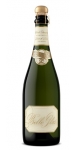
Copper Cane Wine & Spirits proudly introduces two new additions to its Belle Glos collection: Sparkling Blanc de Blanc and Sparkling Rosé. Crafted by fifth-generation winemaker Joe Wagner, these sparkling wines represent a bold expansion into the world of traditional method sparkling wines. The release marks a pivotal moment for Belle Glos, a brand known for its meticulous craftsmanship, as it explores the refined, celebratory nature of sparkling varietals.
Zero Dosage Sparkling Wines Reflect Terroir, Tradition, and Russian River Valley Purity
Rooted in the Russian River Valley’s unique microclimate, these wines are made in a zero-dosage style—meaning no added sugar after fermentation. This style highlights the vineyard’s terroir and natural acidity without relying on sweetness to balance the profile. Through traditional methods, including aging in French oak barrels, malolactic fermentation, and multi-vintage blending, Wagner crafts wines that exhibit purity, depth, and complexity, while maintaining a youthful brightness and firm minerality.
Review:
This clean and focused zero dosage Blanc de Blancs brings aromas of bright lemon, green apple, citrus blossom and grapefruit pith on the nose. The palate is dry, acidic and lively, with flavors of pithy lime, toasted hazelnut, green apple and lemon balm mingling across the finish. It's oyster time, people!
-Wine Enthusiast 93 Points



