
" We don't sell the wine without touching the vine "
| Country: | Spain |
| Region: | Getariako Txakolina |
| Winery: | Alleme |
| Grape Type: | Hondarrabi Zuri |
| Organic: | Yes |
| Vintage: | 2014 |
| Bottle Size: | 750 ml |
Alleme Getariako Txakolina is 100% Hondarribi Zuri
A very fruity, persistent and clean Txakoli. It reminds the white exotic fruits, such as lichy. It has a straw yellow color, without the slightest tone of rust and a faint natural gas pearl crown, due to the grape juice fermentation. In the mouth, it is greasy and unctuous, with a good balance of structure and acidity. In order to get such a Txakoli, we have combined the most traditional and the most innovative production methods to create it. Thanks to the batonnage (stirring of the lees), we have attained the characteristic unctuosity of this Txakoli.
After harvesting and pressing, the must is left to ferment in stainless steel tanks. Traditionally, and until recently, this was done in oak or chestnut barrels, called kupels, in Basque. Fermentation lasts 20–25 days and then the txacolí is left to lie on its lees. The CO2 prevents oxidation and dissolves the sediments and gives the wine its sparkling characteristic. The wines is not racked so it does not lose its sparkle and is clarified by natural sedimentation by gravity in the tank or barrel. Traditionally, the wine is tasted on the feast of San Antonio on 17 January, which is known as Txacolí Day (Txacoli Eguna, in Basque).
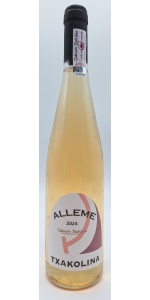
Alleme Getariako Txakolina Rosado is made from 50% Hondarrabi Zuri and 50% Hondarrabi Beltza
Limpid pink. Bright and energetic on the nose and palate, displaying vibrant, mineral-tinged cranberry, blood orange and white pepper qualities and a touch of pungent flowers. Racy and sharply focused, carrying no excess fat. Finishes tight and dry, displaying repeating citrus character and good persistence.
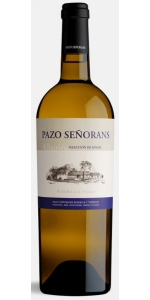
Pazo de Senorans Seleccion de Anada Albarino is made from 100 percent Albarino.
Straw yellow with greenish tints, vivid and brilliant. High intensity and very expressive. Profusion of aromas with traces of mineral. Great volume and ample body leaving a lasting impression from beginning to end.
Reviews:
I think the 2014 Albariño Selección de Añada could be the finest vintage of this characterful long-aging Albariño, from a year with a more moderate 13% alcohol and very high acidity (and low pH) that make the wine fresher and more vibrant. It is developing very slowly and showing quite young after it spent over 30 months with lees in 1,500- and 3,000-liter stainless steel tanks. It has a pale color and an elegant nose with notes of freshly cut grass, white flowers and wet granite. The palate is vibrant with effervescent acidity, and it has a long, dry and tasty finish with an austere sensation, far away from the tropical notes of some past vintages. This is superb and should continue developing nicely in bottle. Bravo! It wasn't bottled until April 2023, and 14,000 bottles were produced.
-Wine Advocate 96 Points
Tech:

All older vintage wines have been purchased from a single collectors cellar. Pictures can be requested before shipment.
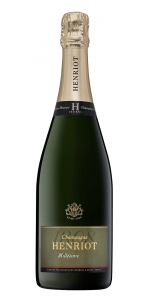
Henriot Brut Millesime 2014 is made from 50% Chardonnay, 50% Pinot Noir.
If the expression is intense and heady, it is nevertheless of an extraordinary finesse and elegance. A strength of character emerges, powerful, virile yet restrained and humble. The register is fresh, floral, vanilla, greedy. In the mouth the structure is solid, constructive, rectangular. The tannins take place and last after tasting. The freshness is present throughout the tasting, ending with a delicate bitter touch.
Review:
Showing floral notes of acacia and jasmine alongside sourdough, lemons and green apples. Walnuts and apricots, too. Open and inviting, with gentle nutty undertones, a medium to full body and a fine mousse. Long and persistent. 50% chardonnay and 50% pinot noir. Disgorged October 2022. This will be released later in 2023. Drink or hold.
- James Suckling 93 Points
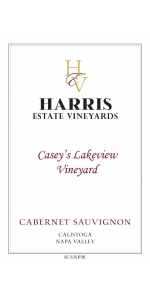
The Cabernet Sauvignon Casey’s Lakeview is similarly inky bluish/purple to the rim. Tasting like blood, this wine is dense and rich with lots of chocolate, espresso, earth and spice. It is deep, full-bodied, and again, a masculine style of wine that needs at least 4-5 years of cellaring and should keep for 25 or more years.
Lakeview Vineyard is the winery’s mid-block vineyard planted to a combination of clone 6 & 337 Cabernet Sauvignon on 101-14 rootstock. Excellent drainage from the rocky and chalky soils plus plenty of sunlight throughout the day produces wines of bold character with mouth filling flavors.
Organic farming methods are used to produce this Cabernet Sauvignon Casey's Lakeview vineyard. Vines are 17 years old. Ageing in French oak barrels (85% new) for 20 months, then 12 months in bottle prior to release. Non-filtered.
Review:
"The 2014 Cabernet Sauvignon Casey's Lakeview Vineyard is the most overt of these wines. Superripe black cherry, plum, chocolate and licorice add to an impression of flamboyance that sits on the edge of being too much. The effects of the drought are felt in the wine's slightly roasted profile. - Antonio Galloni"
- Antonio Galloni's Vinous (December 2016), 91 pts
Alleme Getariako Txakolina 2014 is 100% Hondarribi Zuri
A very fruity, persistent and clean Txakoli. It reminds the white exotic fruits, such as lichy. It has a straw yellow color, without the slightest tone of rust and a faint natural gas pearl crown, due to the grape juice fermentation. In the mouth, it is greasy and unctuous, with a good balance of structure and acidity. In order to get such a Txakoli, we have combined the most traditional and the most innovative production methods to create it. Thanks to the batonnage (stirring of the lees), we have attained the characteristic unctuosity of this Txakoli.
After harvesting and pressing, the must is left to ferment in stainless steel tanks. Traditionally, and until recently, this was done in oak or chestnut barrels, called kupels, in Basque. Fermentation lasts 20–25 days and then the txacolí is left to lie on its lees. The CO2 prevents oxidation and dissolves the sediments and gives the wine its sparkling characteristic. The wines is not racked so it does not lose its sparkle and is clarified by natural sedimentation by gravity in the tank or barrel. Traditionally, the wine is tasted on the feast of San Antonio on 17 January, which is known as Txacolí Day (Txacoli Eguna, in Basque).
The Alleme Estate
Alleme is produced at Bodega Talai Berri. Located in the town of Zarautz (in the Spanish side of the Basque Country).
Zarautz is a small fishing towns on the coast of the Bay of Biscay, in the province of Guipuzcoa, Basque Country, Spain.
Built in 1992, the winery lays on the sunniest slopes of Mount Talai Mendi, surrounded by 12 ha of vineyards.
Bixente Eizagirre Aginaga represents the fourth dynasty generation, and his daughters, Itziar and Onditz, the fifth generation making Txakoli out of their vineyards fruits.
The Region
- History: The Denominación de Origen Txacolí de Getaria was created in 1990 and covers around 227 hectares of vineyards, down from over 1,000 hectares at the turn of the 20th century. However, wine had traditionally been made in this manner for hundreds of years and was popular from the Middle Ages up to the end of the 19th Century, when the vines were devastated by the phylloxera virus and the effects of industrialization of the Basque Country. There are now 26 wineries (bodegas) registered with the DO.
- The Climate: The DO area is protected from the cold northerly winds by the coastal hills, and enjoys a relatively mild climate, with an average annual temperature of 13.5°C, and moderate sunlight hours. Hail is a serious risk for the grapes. The rainfall of 1,600 mm/yr is the highest of all the Spanish wine regions.
- Grape Varietals: The only authorized grapes are Hondarrabi Zuri (white) and Hondarribi Beltza (red)
The Alleme Vineyards
The vineyards are all located near the coast where they are protected from the spring frost and from the summer heat. They are planted on the southeast facing slopes for additional protection from the sea breezes and in order to receive more sunlight. The slopes are often very steep and sometimes not terraced. The vines are trained over wires and sometimes over earthen or stone pillars. They can be anywhere between 10 and 100 meters above sealevel. The subsoil is predominantly clay covered by a layer of sandy soil.
Talai Berri owns 12 hectares.
In 1992 the Hill-Smith family counted themselves amongst those fortunate enough to own a vineyard upon the famous Coonawarra terra rossa soil over limestone. Experimentation, innovation, minimalist intervention and small batch winemaking has resulted in The Menzies’ reputation as a wine of longevity, elegance and structure.
Situated in the heart of Coonawarra’s terra rossa strip, The Menzies Estate vineyard lies on a flat plain, approximately 70km from the coast. Given the terrain and influence of the cooling Bonney upwelling, Coonawarra is an ideal location to grow premium Cabernet Sauvignon. Our soil is red sandy loam over limestone, which is classic Cabernet Sauvignon country. The grapes for The Menzies 2017 are from vines planted in 1994 and 1996. Bunches are usually small with small berries, giving concentration via an ideal skin to juice ratio favouring the making of fullbodied reds.
Experimentation, innovation, minimalist intervention, and small batch winemaking has resulted in The Menzies' reputation as a wine of longevity, elegance, and structure.
Aromas of fresh rosemary, mulberry, violets and exotic spices. Take a sip and you will feel the poise and tension for which great Cabernet is renowned. A wine of great complexity with flavors of blackcurrant, bitter chocolate, and mulberries, wrapped in divine tannins and a lovely sweet, dark fruit finish. With decanting in its youth, it is enjoyable as an elegant full-bodied red wine.
Review:
The 2017 The Menzies Cabernet Sauvignon is looking good next to the 2016 tasted beside it. It is fresh and vibrant, with layers of complexing dark earth characters, with cigar box, black olive brine, cassis, bramble, milk chocolate and cracked black pepper. This is very good, and it has what I am coming to recognize as a "Yalumba red character": dried herbs, particularly oregano. The juicy splay of fruit through the finish is a highlight.
-Wine Advocate 95 Points
Brize Ambre Coteaux du Layon is made from 100% Chenin Blanc.
Coteaux du Layon is a prestigious sweet wine appellation in the Loire Valley, producing luscious dessert wines from late-harvested Chenin Blanc grapes. The 'Ambre' (Amber) cuvée takes its name from the beautiful amber-gold color that develops as the wine ages.
This sweet wine offers rich aromas of honey, apricot, candied fruits, and quince. On the palate, it is generous and well-balanced, with concentrated sweetness offset by bright acidity that keeps the wine fresh and elegant.
Pair with foie gras, blue cheese, fruit tarts, or enjoy as a dessert on its own.



