" We don't sell the wine without touching the vine "
| Country: | Italy |
| Region: | Veneto |
| Winery: | Tenute Salvaterra |
| Grape Type: | Corvina |
| Vintage: | 2019 |
| Bottle Size: | 750 ml |
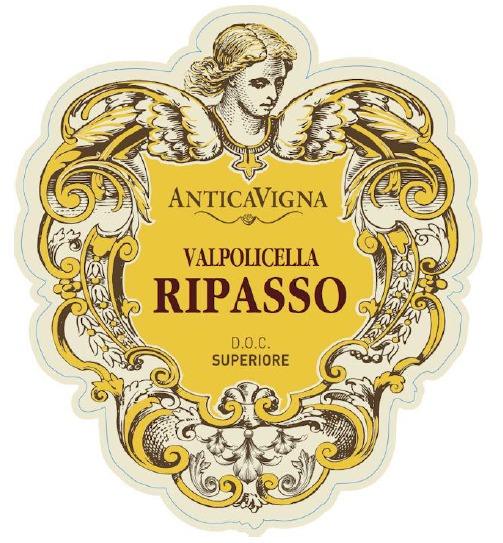
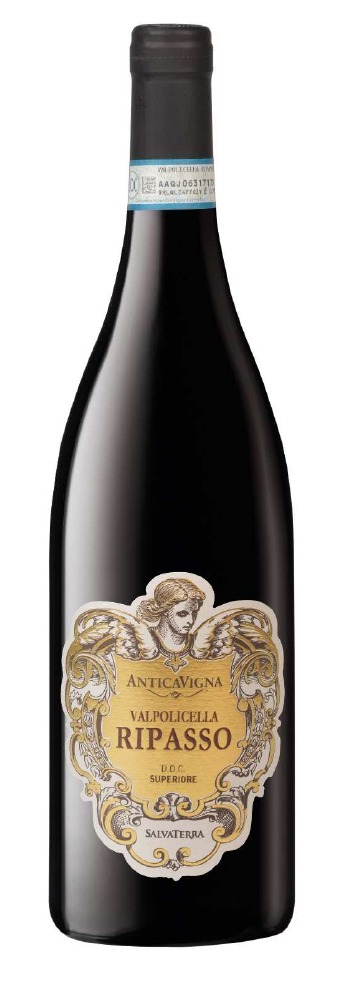
Antica Vigna Valpolicella Ripasso DOC Superiore is made from 50% Corvina, 45% Rondinella and 5% Merlot.
Ripasso Superiore DOC is an elegant and refined wine, showing a beautiful and intense ruby color. Spicy, with cherry hints and wild berries notes, it features great personality and complexity. In the palate it is rich, very fruity, elegant and still young but already very well-orchestrated, with the typical notes of wild berries that blend well with the complexity of the wine.
20% in steel· 80% in wood for 6 months of which 2/3 in American and French barriques, half of which are used for the second and third time 1/3 in large barrels
Aging:
Fermentation time: about 7/10 days the first and 15 days the second.
Fermentation: at a controlled temperature of 18/20° and second fermentation on the skins of Amarone at 18/20°C.
Vinification: soft crushing of destemmed grapes to obtain Valpolicella.
Drying: the grapes are not dried but vinified fresh.
Harvest: mid-September with manual harvesting of the grapes.
VINIFICATION AND AGENG:
Vineyard management: sustainable agriculture and great attention to natural cycles
Vine density: 4,000 to 5,400 vines per hectare
Vine planting year: from 1972 to 2009
Vineyard training system: guyot and pergola
Soil type: limestone
Exposure: south
Height: 350/400 meters asl
Geographical location: Tenuta di Mezzane, Tenuta di Cazzano di Tramigna
THE TERRITORY:
Pairs well with grilled and roasted meats, as well as cheese.
Antica Vigna Amarone della Valpolicella Riserva is made from 65% Corvina, 20% Rondinella, 10% Corvinone, 5% Merlot.
Amarone DOCG has maintained unchanged its typicality, so that “the essence of the territory” of Valle di Mezzane and Cazzano di Tramigna powerfully emerges. Rich in color, firmly structured but with fresh notes.
WINEMAKING AND AGING:
Manual harvest early October with selection of the best bunches.
Drying: natural drying in fruit cellar for 3/4 months with a sharp drop in weight of around 30%.
Vinification: soft crushing of destemmed grapes in the months of January and February.
Fermentation: at a controlled temperature of 18/21°C. Fermentation time: about 30 days
Aging:· 80% in oak barrels for 30 months of which 2/3 in American and French barriques, half of which are used for the second and third time, 1/3 in large
THE TERRITORY:
Geographical location: Tenuta di Mezzane, Tenuta di Cazzano di Tramigna
Height: 350/400 meters asl
Exposure: south
Soil type: limestone
Vineyard training system: guyot and pergola
Vine planting year: from 1972 to 2009
Vine density: 4,000 to 5,400 vines per hectare Vineyard management: sustainable agriculture and great attention to natural
cycles
Pairs well with grilled and roasted meats, as well as cheese.
Timeless Notes:
Dark cherry in color, firm on the palate with a vibrant acidity underbelly. Thought lush on the palate the flavors are complex and elegant from entry to mid-palate with hints of currant and wild berries. The finish brings in a touch of tobacco and leather notes ,classic examples of this region, with more ripe fruit flavors that linger on long strain tannin finish. Complex with depth and elegance on the palate. This one is drinking now, but can handle more time in the cellar with ease. An excellent value in the Riserva category.
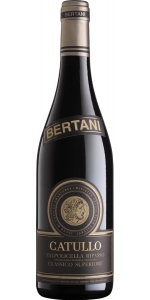
Bertani Valpolicella Ripasso Classico Superiore Catullo is made from 70% Corvina Veronese, 20% Corvinone, 10% Rondinella. Valpolicella Classica, Tenuta Novare Estate in Arbizzano di Negrar.
Wine of medium structure with elegant spicy notes of vanilla and chocolate accompanied by typical notes of cherry, sour cherry and white pepper. The palate offers the easy drinkability typical of Valpolicella and, at the same time, silky tannic structure and intense, prolonged aromatic persistence. The finish is fresh, soft and savory. A wine in the classic style, elegant, balanced, harmonious.
Review:
If I was forced to choose a number of wines that can steer the anachronistic Ripasso category into a brighter future, this would be among a very few. A mid-weighted, streamlined expression with just enough fruit on the bones. Think strawberries, lilacs, Asian plums, cloves and a hint of licorice. A noble, almost alpine bitterness lifts the finish. Brilliant. Drink or hold.
-James Suckling 95 Points
Cantina di Verona Valpolicella Ripasso Superiore Vallis Dei is made from 70% Corvina Veronese, 25% Rondinella, 5% Molinara
Color: intense red ruby
Nose: winey, fruity with hints of oak. Some spice and vanilla.
Mouth: It is well balanced with round tannins.
Yield: 10000 kg of grapes per hectar – after which the grapes are dried “appassimento”
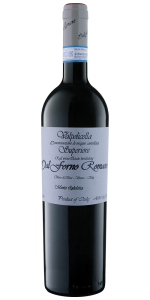
Dal Forno Romano Valpolicella Superiore is made from Corvina, Corvinone, Rondinella, Oseleta and Croatina grown at the Monte Lodoletta estate in the Val d'Illasi, eastern Valpolicella.
One of Italy's most iconic producers, Romano Dal Forno revolutionized Valpolicella winemaking with an obsessive pursuit of quality. The grapes are hand-harvested with meticulous selection, then dried for approximately 45 days in the estate's patented, computer-controlled appassimento rooms. After pressing, the wine is fermented in custom-designed stainless steel tanks and aged for 24 months in new French oak barrels, followed by extended bottle aging before release.
Deep ruby in color with aromas of blueberry, blackberry, cherry and cocoa. Full-bodied and opulent on the palate with powerful yet polished tannins, layers of dark fruit, sweet spice, tobacco and chocolate. Despite its remarkable concentration, the wine maintains an elegant freshness and balance. Pairs beautifully with grilled or roasted red meats, game and aged cheeses.
14.5% ABV
A perfumed and elegant wine with subtle aromas of balsamic, coconut, dark bramble fruit, jasmine, mulberries, red cherries and chocolate. It’s spicy rather than fruity. On the palate it shows salted chocolate flavors and a full body. It’s crisp, zesty and velvety, with creamy tannins and a graphite finish. It shows tension despite its concentrated style. It will be released in January 2027. Try then or hold.
-James Suckling 97 Points
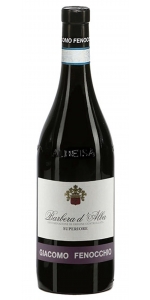
Fenocchio DOC Barbera d'Alba Superiore Bussia is made from 100 percent Barbera.
The color is a deep ruby red with garnet reflections. It has a rather intense bouquet, with scents typical of the vine and a full bodied and dry flavor, with a distinct and pleasing acidity. It becomes mature with aging, acquiring a full and balanced flavor.
Parcel is 2.5 hectares (6.2 acres) planted at 300 meters above sea level.
It pairs well with red and white meats, tagliatelle pasta and cheeses.
Antica Vigna Valpolicella Ripasso DOC Superiore is made from 50% Corvina, 45% Rondinella and 5% Merlot.
Ripasso Superiore DOC is an elegant and refined wine, showing a beautiful and intense ruby color. Spicy, with cherry hints and wild berries notes, it features great personality and complexity. In the palate it is rich, very fruity, elegant and still young but already very well-orchestrated, with the typical notes of wild berries that blend well with the complexity of the wine.
20% in steel· 80% in wood for 6 months of which 2/3 in American and French barriques, half of which are used for the second and third time 1/3 in large barrels
Aging:
Fermentation time: about 7/10 days the first and 15 days the second.
Fermentation: at a controlled temperature of 18/20° and second fermentation on the skins of Amarone at 18/20°C.
Vinification: soft crushing of destemmed grapes to obtain Valpolicella.
Drying: the grapes are not dried but vinified fresh.
Harvest: mid-September with manual harvesting of the grapes.
VINIFICATION AND AGENG:
Vineyard management: sustainable agriculture and great attention to natural cycles
Vine density: 4,000 to 5,400 vines per hectare
Vine planting year: from 1972 to 2009
Vineyard training system: guyot and pergola
Soil type: limestone
Exposure: south
Height: 350/400 meters asl
Geographical location: Tenuta di Mezzane, Tenuta di Cazzano di Tramigna
THE TERRITORY:
Pairs well with grilled and roasted meats, as well as cheese.
Tenute Salvaterra is located in the heart of Valpolicella, in the magnificent Villa Giona, dating back to the sixteenth century, in San Pietro in Cariano. The Company was established in the nineties by the Furia Family in Valgatara, in the heart of Valpolicella. Over the years, it has rapidly developed becoming one of the landmark Wineries in Valpolicella, leader in drying techniques to produce Amarone, Ripasso and other wines of the same category.
For Tenute SalvaTerra, values and mission coincide:
Safeguarding a natural resource as the “Earth”, which is unique and cannot be reproduced and whose values are to be kept and preserved;
Turning a natural element as the “Earth” into a magical product, wine, whose ingredients are: Love – Respect – Passion – Pride – Fatigue – Patience – Anticipation – Creativity;
Respecting the natural elements of the “Earth”: Colors - Orography - Seasons - Balance (the right thing in the right place)(the right thing in the right place).
The Grande Valpolicella extends towards Eastern Verona and Valpolicella Classica of Tenute di Prun and Cengia. On the hills of all these valleys they cultivate the most famous native grapes of the Verona area - Corvina, Corvinone, Rondinella - along with a few other minor varieties.
Rubus Cabernet Sauvignon Napa Valley is made from 100 percent Napa Valley Cabernet
Its long finish displays full mature flavors of blackberry, currant and chocolate with just a hint of toasty oak and black cherry. The tannins are refined and polished, allowing the fruit to be the focus.
From the volcanic soils in the blocks residing at the summit of Stony Hill's vineyard, their 2019 Cabernet Sauvignon is showing beautifully. 2019 was a warm year with late spring rains and a true, dry fall finish. e late spring rains imbued wines with a characteristic freshness and tension, balanced by a generous fruit profile. Bing cherry, cassis, pomegranate seed, singed bay leaf, and cacao sings from the glass. The palate receives a structure showing breadth and presence with lacey tannins and a delicate, persistent finish.
Continuum Red Blend 2022 is made from 45% Cabernet Sauvignon, 43% Cabernet Franc, 8% Petit Verdot, 4% Merlot.
2022 tells a story of subtle drama of the seasons. Aromatically effusive, 2022 Continuum is a seductive wine with an upright and regal core. Elegantly interwoven notes of black plum, black cherry, cacao, forest floor and tobacco leaf mingle with our sage mountain garrigue and volcanic minerality. Energetic and expressive, 2022 Continuum is a harmoniously integrated wine with structural complexity wrapped in a velvet robe.
WINEGROWING- Continuum is estate grown on our Sage Mountain Vineyard. It’s location, high on Pritchard Hill along the eastern ridge above Oakville, overlooks Napa Valley and the San Francisco Bay. The rocky, volcanic soils of the site focus the vine’s energy keeping yields low yielding fruit of depth and complexity. 38 acres of mature estate vineyard, planted in 1991 and 1996, with additional plantings in 2004, 2010, together comprise 38 distinct vineyard blocks. Cabernet Sauvignon, Cabernet Franc, Petit Verdot, and Merlot are grown from 1300 to 1600 feet in elevation, on western and southern facing aspects with slight northern and eastern slopes in places. This diversity of plantings on our volcanic soils are the essence of the complexity of Continuum.
PRODUCTION- Continuum is 100% estate grown, produced and bottled. All fruit is selectively hand-harvested at night. The fruit is then sorted before and after de-stemming, and gravity fed into French oak or concrete tanks. A threeday cold soak is followed by fermentation, receiving three to four pumpovers daily, and délestage two to three times in total during the most active period. The wine remains on skins in tank for 20 to 40 days. All lots are then drained, basket pressed, and transferred with lees for malolactic fermentation and aging. Continuum spent 22 months in barrel. 63 percent of French oak barrels were new and 35 percent were once used. A single concrete amphora was also used for aging. The wine clarified slowly and settled naturally in our cold barrel room, was racked sparingly and bottled without fining or filtration. Each vineyard lot was tasted and carefully considered many times to assemble the blend.
Review:
Perfumed aromas of subtle currants, roses, lavender and sage, following through to a medium body with super-fine tannins that caress the palate and leave it fresh and inspired.
- James Suckling 99 Points