
" We don't sell the wine without touching the vine "
| BUY MORE! SAVE MORE! | ||||||||||||||||||||
|
| Country: | United States |
| Regions: | Oregon Oregon (Willamette) |
| Wineries: | Dr. Loosen J. Christopher Wines |
| Grape Type: | Riesling |
| Organic: | Yes |
| Vintage: | 2018 |
| Bottle Size: | 750 ml |
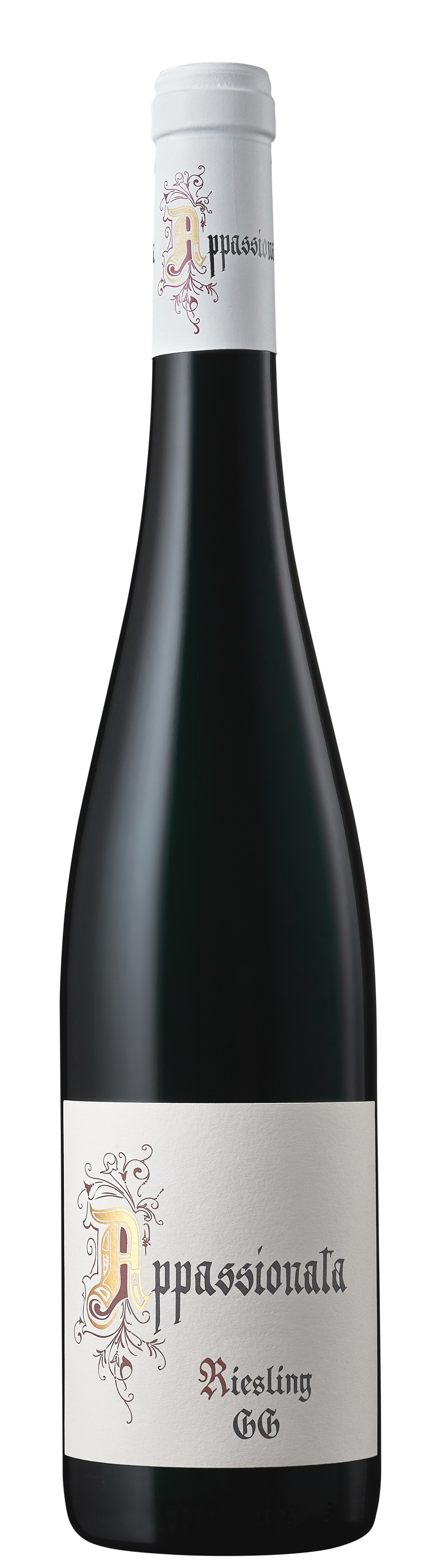
Inspired by the historical winemaking techniques of Erni Loosen’s great-grandfather, the Appassionata Riesling GG is made in the same way as the Dr. Loosen Grosses Gewächs (“Great Growth”) Rieslings he produces in Germany. The GG designation indicates a dry-style wine from a vineyard of special distinction — in this case, the old-vine Medici vineyard, planted in 1976. We farm this exceptional site, which is just a few miles east on the Chehalem Mountain ridge.
The fruit for this wine was harvested from old Rieslng vines (planted in 1976) in the Medici Vineyard, which is also in the Chehalem Mountains AVA, just a few miles from the winery. We lease this vineyard and have been farming it organically since 2015. The wine was fermented in a 3,000-liter German oak cask, and rests on the full lees for 12 months before bottling. The extended lees contact allows the wine to clarify and find its own harmonious balance naturally.
Production notes:
Whole-cluster pressing; natural fermentation in a neutral 3,000-liter oak cask; matured on the full lees for 12 months; no bâtonnage.
Dynamic Rieslings from the Slate Slopes of the Mosel
The Dr. Loosen estate has been in the same family for over 200 years. When Ernst Loosen assumed ownership in 1988, he realized that with ungrafted vines averaging 60 years old in some of Germany’s best-rated vineyards, he had the raw materials to create stunningly intense, world-class wines. To achieve this, Ernst dramatically restricts crop size, prohibits chemical fertilization, insists on very strict fruit selection, and employs gentle cellar practices that allow the wine to develop its full potential with a minimum of handling.
Classified quality
All of Dr. Loosen’s six major vineyards were designated as “Erste Lage” — equivalent to grand cru — in the 1868 Prussian classification of Mosel vineyards. Only wines from these top-rated sites are bottled with a single-vineyard designation. All others are labeled simply as estate wines.
The Elements of Quality at Dr. Loosen
The regional climate
The Mosel’s steep, south-facing slopes create the perfect climate for Riesling, giving the vines ideal exposure to the low-lying, northern sun. Generally cool conditions allow the grapes to ripen slowly, while retaining bright acidity.
The slate soil
The Mosel’s stony soil and rocky outcroppings reflect sunlight and hold in heat, creating very warm microclimates in the best sites and helping to ensure excellent ripeness. Thin topsoil forces the vines to dig deep for water and nutrients, producing vibrant wines that capture the strong minerality of the soil.
Old, ungrafted vines
Dr. Loosen owns vines that are well over 120 years old, and all are on original rootstock (phylloxera can’t survive in the Mosel, so ungrafted vines are allowed here). Old vines produce naturally lower yields, resulting in higher concentration and richness.
Dry Rieslings
Starting with the 2008 vintage, Ernst Loosen has embarked on a quest to revive the dry Riesling style of his grandfather. Learn more
Accolades for Ernst Loosen
Winery of the Year, 2012, Wine & Spirits
Star Winemaker, Europe, 2010, Wine Behind the label, 7th ed.
European Winery of the Year nominee, 2007 & 2008, Wine Enthusiast
Best German Producer of the Past 25 Years, Wine & Spirits, 2007
Man of the Year 2005, Decanter
White Wine Maker of the Year 2005, Wine International
World’s 50 Most Influential Winemakers, Wine & Spirits
Germany’s Winemaker of the Year 2001, Gault Millau
Inspired by the historical winemaking techniques of Erni Loosen’s great-grandfather, the Appassionata Riesling GG is made in the same way as the Dr. Loosen Grosses Gewächs (“Great Growth”) Rieslings he produces in Germany. The GG designation indicates a dry-style wine from a vineyard of special distinction — in this case, the old-vine Medici vineyard, planted in 1976. We farm this exceptional site, which is just a few miles east on the Chehalem Mountain ridge.
The fruit for this wine was harvested from old Rieslng vines (planted in 1976) in the Medici Vineyard, which is also in the Chehalem Mountains AVA, just a few miles from the winery. We lease this vineyard and have been farming it organically since 2015. The wine was fermented in a 3,000-liter German oak cask, and rests on the full lees for 12 months before bottling. The extended lees contact allows the wine to clarify and find its own harmonious balance naturally.
Production notes:
Whole-cluster pressing; natural fermentation in a neutral 3,000-liter oak cask; matured on the full lees for 12 months; no bâtonnage.
Review:
If you prefer a thinking person's wine you'll run out of superlatives to describe this Riesling from Dr Loosen's Oregon project with J Christopher Wines. From a personal favourite, the old vines of the Medici Vineyard, the winemaking shows serious patience and determination. Fermented in a 3,000-liter, neutral oak German Fuder cask. It rests on the full lees for two years and is then held in bottle for three to five years before release. Aged, savoury and delicious. Aromas are savoury and saline. Lanolin, dandelion, seafoam, and beeswax with hints of fresh herbs and dried lemon peel. The palate is brilliant, savoury and bright and complex. Energetic flavours of wet slate, savoury bee pollen, white tea and lanolin notes. The finish offers crushed stone vibrancy.
-Decanter 93 Points
Winzer von Erbach Riesling Eiswein is made from 100 percent Riesling.
The Eiswein has aromas of concentrated yellow fruit and a fruity sweetness. It's a high end product with a very long aging potential.
The grapes were picked frozen which resulted in a concentration of sugar, acidity and aromas and a low yield.
Pairs with blue cheese, fois gras, French apple cake.
Long Shadows Saggi Red is made with 58% Sangiovese, 30% Cabernet Sauvignon 12% Syrah. Among Tuscany's oldest and most prestigious wine families, Ambrogio and Giovanni Folonari teamed with Allen Shoup to produce a wine that showcases Washington State's terroir with plenty of Italian character. Saggi (meaning "wisdom") is a stunning blend of two outstanding Washington Sangiovese vineyards. Candy Mountain Sangiovese gives the wine its dark fruit flavors and appealing notes of anise. Dick Boushey's Yakima Valley Sangiovese, planted in 1992, adds vibrancy and liveliness. Because Cabernet Sauvignon has the potential to overtake Sangiovese, the Folonaris work closely with Sagemoor Vineyards to carefully select blocks of Cabernet they know from experience deliver elegant character and refined tannins. Syrah, also from Sagemoor, adds to the wine's dark color and rich mid-palate.
Review:
The 2018 Red Wine Saggi is mostly Candy Mountain Sangiovese (58%) with Cabernet Sauvignon (30%) and Syrah (12%). Gilles Nicault has created a sensational, one-of-a-kind blend here. The wine explodes out of the glass with potpourri and anise tones alongside a beautiful core of red and dark fruits. The palate offers tobacco, milk chocolate and boysenberry flavors, serious depth and concentration, insanely good range and an opulent sense of texture. Complex and delicious with firm tannins and a touch of hedonism, this sensational and novel blend will provide drinking enjoyment for another 15 years to come.
-Vinous 95 Points
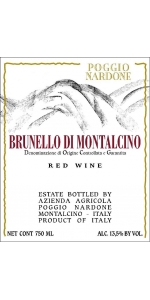
Poggio Nardone Brunello di Montalcino is made from 100 percent Sangiovese Grosso.
The rich nose displays scents of spices combined with aromas of small red ripe fruits, blackberry and blueberry.
Well structured, determined and elegant, with round and silky tannins. Very nice finish.
Alcoholic fermentation was done in tank, maloactic fermentation in oak barrels. Wine was then aged for 3 years in French oak barrels.
Review:
Noble and decidedly balsamic in the primary profile alternating notes of peppermint, eucalyptus, green tea leaves and guaranà. A lot of very delicate dried cherries are housed in the background giving brilliance and crunchiness. Medium bodied, well extracted mature tannins and a finale which squeezes from the centre palate onwards. Better from 2025.
- WinesCritic.com 93 Points
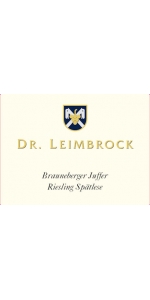
A late harvest Riesling with fruity sweetness and great aging potential, aromatic bouquet of honey, melon, ripe fruits. Grapes come from Brauneberger Juffer and Juffer-Sonnenuhr - one of the most prestigious vineyards in the Mosel winegrowing region. The vineyard faces south and provides the best conditions for growing Riesling.
Pairs well with pâté, Asian cuisine.
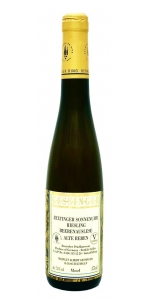
Gessinger Zeltinger Sonnenuhr Riesling Beerenauslese is made from 100 percent Riesling.
This deep yellow-colored wine offers a quite aromatic nose made of mirabelle, ripe apple, almond cream, date, ether oil, and earthy spices. It proves nicely complex and delicately oily on the otherwise focused and delicately racy palate, and leaves a subtly unctuous and still quite sweet feel of honeyed dried fruits, starfruit, kumquat, and almond cream in the precise and persistent finish. Some fresher elements of citrusy fruits and grapefruit already lighten up the aftertaste and hint at the greatness to come. This beautiful dessert wine is still really in its infancy but will develop into quite a beauty at maturity, once the candy floss driven sweetness will have receded into the background.
The Riesling Beerenauslese remains on the lees for several months to add a creamy texture to the mineral notes and to enhance the mouth-feel and drinkability.Zeltinger Sonnenuhr Riesling Beerenauslese Alte Reben was made from botrytized fruit hand-picked at a whopping 150° Oechsle from old ungrafted vines, spontaneously fermented and vegan. Fermentation with preferably wild yeasts gives this wine a unique and authentic taste, reflecting the extreme vineyard sites of the Mosel Valley. A cool temperature allows a slow fermentation which can continue for as long as the wine and the vintage requires.
Perfect match to sweet-and-sour dishes as well as spicy food.
Holocene The Black Square Cabernet Sauvignon is made from 100 percent Cabernet Sauvignon.
There is something ethereal about Cabernet Sauvignon grown in the cobblestone soils of the Walla Walla Valley. This region offers aromatic exuberance, elegance, finesse, a polished texture, layered complexity, and remarkable length. It is a place where one can craft a singular, stand-alone example of this varietal—unique not only in the United States but worldwide—while still echoing some of our favorite wines from Bordeaux.
In 2022, Winemaker Todd Alexander embarked on a new (yet familiar) journey that he had been patiently awaiting the perfect moment to explore. The Black Square is in its inaugural vintage, and this 2022 is 100% Cabernet Sauvignon grown in the Rocks District of Milton-Freewater, Oregon, which is part of the Walla Walla Valley.
The Black Square embodies elegance and grace framed by great structure, supple texture, and acidity to ensure longevity. It shows ample fruit with complex savory notes. This is not a heavy wine that is monolithic and dull—there are already plenty of those available. This wine offers a unique expression of Cabernet; it may be the most delicious wine Todd Alexander has ever crafted, venturing into new territory for Rocks District Cabernet Sauvignon.
Review:
As black as squid ink, The Black Square is balance personified. A concentrated blackberry aroma seems as dark as the wine's name, with equally dark espresso, olive and charred steak notes joining it in the abyss. A dark plum and ripe boysenberry flavor combo is accompanied by traces of salty Mission olives, wet slate and silky smooth tannins. The one bright feature illuminating the way is the wine's amped-up acidity. None so black
-Wine Enthusiast 98 Points Number 5 in the Top 100
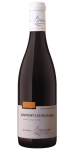
Boussey Savigny les Beaune is made from 100 percent Pinot Noir.
The grapes for this wine arecoming from 3 different parcels of Savigny les Beaune loctaed in these 3 different lieux-dits: Les Saucours, les Petits Liards and Les Fourches.
The wine shows aromas of Red fruits with floral notes. It is elegant with a very pleasant long finish.



