
" We don't sell the wine without touching the vine "
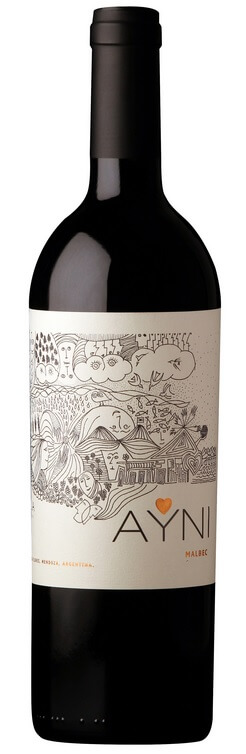
Ayni Malbec Paraje Altamira is made from 100 percent Malbec.
Ayni is the Quechua term for the principle of reciprocity, practiced for centuries by the Andean people - "in order to receive, you first have to give." Chakana's renowned Paraje Altamira vineyard, which sits 3,300 feet above sea level, bears the name Ayni & is the source of the Ayni wines.
Deep ruby-red in color with violet hints. Complex and intense bouquet, featuring blackberries, cherries and plums, with delicate floral notes and spices. Balanced and fresh; full-bodied with good length of spices.
Pairs well with grilled meats and stews.
Review:
"Chakana is an organic and biodynamic producer in Mendoza, that harvests from a vineyard in Paraje Altamira to produce this terroir-focused, minimal intervention Malbec. Aged in a mixture of casks and barrels for 12 months, this is a pure, energetic red in which fresh red fruit aromas combine with spice, herbs and mineral notes. In the mouth, it’s fluid with lively acidity and firm, chalky tannins. A potent, long-lasting wine. Drinking Window: 2023 - 2030"
- Decanter Magazine, 94 pts
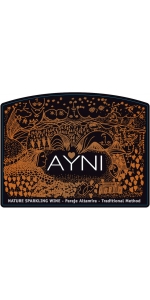
Ayni is the quechua name of a principle of reciporcity practised for centuries by the andean cultures, it means in order to receive something you first have to give. Ayni is also the name of our most special vineyard, located in Paraje Altamira one of the best appelations within Uco Valley in Mendoza.
Argentina has a history of sparkling wine production since the early 1960’s.
Tasting Notes: Aged for 18 months on its lees before disgorgement. It’s a creamy with a nice toast aroma. It is made in a well-balanced style, with fine bubbles and a dry, palate-cleansing finish.
Vineyards: 100% Altamira in the Uco Valley subregion
Soil type: Sandy loam over calcium carbonate coated gravels, 30 to 50 cm deep
Grapes: 100% Pinot Noir
Average age of the vines: 10 years
Winemaking: Methode Traditionnelle (Champenoise). Aged sur lattes for 18 months. Made following the tratidional method, fermentation goes until it gets totallay dry. No liquor is added to keep the freshnes, elegance and purity of is clean profile.
A versatile wine, good on its own or paired with any food.
"An impressive first release for this all-Pinot Noir bubbly from Paraje Altamira, aged for 18 months on its lees before disgorgement. It’s a creamy, bready, well-balanced style, with fine bubbles and a dry, palate-cleansing finish. A fizz to watch. 2017-22"
- Tim Atkin (Argentina Special Report 2017), 92 pts
"Perhaps with the same sort of structural power that Altamira reds possess, this sparkling rosé shows something immutable in body, lively texture, bracing acidity. The wine spent 18 months on the lees and this, no doubt, provides flavor complexities well beyond the fruit, but still the fruit predominates with intense aromas, substantial, and crisp, lively acidity. If what you’re looking for is a sparkler for carpaccio or roast beef, this is it."
- Descorchads 2018, 94 pts
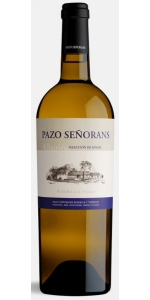
Pazo de Senorans Seleccion de Anada Albarino is made from 100 percent Albarino.
Straw yellow with greenish tints, vivid and brilliant. High intensity and very expressive. Profusion of aromas with traces of mineral. Great volume and ample body leaving a lasting impression from beginning to end.
Reviews:
The 2015 Albariño Selección de Añada is nothing short of phenomenal. For some reason, I hadn't tasted the young 2015 Albariño at the time it was released. It comes from the Los Bancales vineyard planted some 50 years ago and fermented with indigenous yeasts but without malolactic fermentation. It has a bright, almost fluorescent color and a complex, subtle and nuanced, elegant and expressive nose, with notes of sea shells and sea breeze, grass and white flowers. It's very clean, and the palate shows great balance and even feels a bit young. It has remarkable acidity and freshness (seven grams of tartaric acid) with good ripeness and 13% alcohol. This matured in tank with lees for over 30 months and was bottled in June 2024. It feels more serious and less exotic than earlier vintages. 18,000 bottles produced. This is the finest vintage that I can remember. Bravo!
-Wine Advocate 97 Points
Tech:
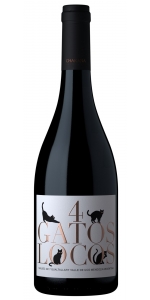
4 Gatos Locos Malbec is made from 100% Malbec.
4 gatos locos is a project created by Gabriel Bloise, Facundo Bonamaizon, Mariana and Juan Pelizzatti, winemaker, viticulturist and founders of Chakana (respectively), and it is based on a 20 ha vineyard in Alto Gualtallary, the most prominent growing region in Argentina.
The vineyard is located at 1360 mts a.s.l on a 10% slope on the Sierra del Jaboncillo, a relatively old geological formation near the alluvial fan of the Las Tunas river, in the Tupungato area, in north western Valle de Uco. The long exposure to arid conditions of calcium rich gravel has allowed microbes to develop one of the areas richest in calcium carbonate in Mendoza. The altitude, the slope, the gravel and the calcium carbonate create unique deep, textured wines which have become distinctive of this area. Moderate high temperatures controlled by high altitude in sunny conditions produce perfectly ripe grapes of unusually intense color and great vitality, balanced by the mineral freshness of calcium carbonate. Local aromátic plants naturally occurring in native vegetation areas interspersed in the vineyard give the wine a unique herbal touch that underline the character of the place.
4 Gatos locos is packaged with 4 different labels, reflecting the different personalities of the partners in this project. In an industry dominated by narcissistic efforts of self promotion and luxury, 4 gatos locos (a popular frase in argentina to represent “nobodies”) represents an authentic collective effort to develop outstanding wine that captures the personality and the potential of a place, which we strongly believe it is the best Mendoza has to offer.
Residual sugar: <1,8 g/lPh: 3,8
Acidity: 5,7 g/l
Aged in new french oak 500 liter barrels and 5000 liter foudre for 18 months. Then aged for 12 months in bottle.
Fermented with natural yeast, macerated for 28 days.
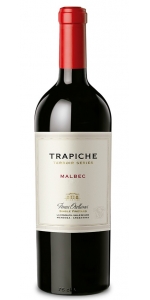
Trapiche Terroir Series Finca Orellana is made from 100 percent Malbec.
The history of Trapiche begins in 1883, in a small vineyard called El Trapiche, in the district of Godoy Cruz, Mendoza, where the grapes for the first fine wines were grown. With more than 130 years of experience, Trapiche has earned its place as a pioneering brand in the introduction of French vines, the production of varietal wines, the import of French oak barrels and the use of stainless steel tanks. True to its origins, today Trapiche is in a continuous quest for the latest best practices .Led by Daniel Pi, Director of Winemaking, Trapiche's winemaking team permanently strives to improve winemaking practices by exchanging experience and knowledge with winemakers from other wine producing countries such as France, the US, Australia and New Zealand.
With a deep garnet red color, this Malbec expresses aromas of red fruits such as cherries and currants, and intense balsamic notes with hints of fresh herbs. In the mouth, it is sweet and broad with a great concentration of fruit and soft, ripe tannins. It has a long, persistent and elegant finish.
Review:
El Peral may not be on the radar of many Argentine Malbec lovers. But if you take a look at Descorchados, you will realize that here we are fans of this area, a place of gentle hills, streams and trees. This vineyard was planted in 1946, and today it delivers deliciously liquefied fruit, with hints of cherries and cassis, but above all violets and blackberries in a long and deep body. Give it at least ten years in the bottle.
-Patricio Tapia - Descorchados 95 Points
-Tim Atkin 95 Points
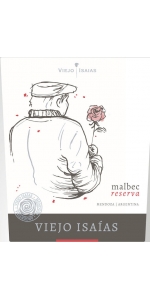
Viejo Isaias Malbec Reserva is made from 100 percent Malbec.
Story Of The Rose:
Viejo Isaias, meaning "old Isaac" is the grandfather of the winemaker, Rodrigo. When Rodrigo was a boy, Isaac would take him on long walks throughout their vineyard in Mendoza. On these walks Isaac would keep a watch over the health of the vines, but more importantly he would keep a watch for the first rose of the year. Every year for 40 years, he would find the first flowered rose and bring it back to his wife, Juana. The rose on the label is a symbol of their love for each other and for the culture of Argentine wine.
Don Isaías Hernández - a man with calloused hands and tanned by the work effort. With his example he taught me that nothing is achieved without sacrifice, that is why I want to keep his spirit alive in this reserva wine. This Malbec is the fruit of a dedicated winemaking, carefully crafted from the harvest to the palate of every single wine lover.
Intense touch of blueberries and plums, highlighted with vanilla and white chocolate from the oak aging. A nice wine with a good body, full of sweet tannins with good concentration and long persistence.
100% Malolactic fermentation Viejo Isaias is 100% oak aged, with 10 months American oak, 6 months in the bottle.
Vineyard site : Perdriel, Luján de Cuyo, upper area of Mendoza River.
Altitude: 950 meters above sea level
Soil: sandy loam
Vineyard planted in 2000.
Density per hectare: 3,500.
Production per vine plant: 2 x750 ml bottles on average.
Review:
Very clear aromas of black cherries and fresh flowers follow through to a medium body with fine tannins and a fresh finish. Very polished texture. Drink or hold."
- James Suckling (March 2022), 91 pts
Color: Deep ruby red with violet hints
Nose: Complex and intense, features black berries, cherries and plum, with delicate floral notes and spices.
Mouth: Balanced and fresh, full bodied with good length of spices.
Review:
"One of two Ayni Malbec releases in 2015, this is made in a fruitier, more approachable style with understated oak. Balanced, floral and elegant, it’s sappy and appealing, with notes of liquorice and black plums and a long, tangy finish. 2018-23"
- Tim Atkin (Argentina Special Report 2017), 95 pts
The Ayni Estate
Ayni is produced in a state-of-the-art winery, Chakana, built with the purpose of achieving outstanding quality.
Chakana winery was founded by Juan Pelizzatti on May 2nd, 2002. Juan was driven to enter the wine industry first and foremost by his passion for wine, and also by the desire to invest his time and money on a product of agriculture. Although Juan did not know it at the time, the company was founded on the same day the Chakana was celebrated on the Andes highlands: on that same day, the Southern Cross (the Chakana for the Inca people) becomes vertical in the night Andean sky.
Juan's mission is to create an integral experience to introduce world consumers to the taste and culture of the Andes. His vision is to become one of the top 20 exporters of wine from Argentina, by consistently offering outstanding value for money.
Wine is currently produced in four different levels at Chakana, by winemaker Gabriel Bloise:
Entry Level: Maipe
Reserve Level: Maipe Reserve, Cueva de las Manos, Nuna
Estate Selection
Ayni
The winemaking process is focused on treating the grapes with great care and with strict control of every step of the production.
Wines are designed under the responsibility of the renowned international wine consultant Alberto Antonini.
The winery is located on a 150 ha. estate, 34 km South of the city of Mendoza, in Agrelo, Lujan de Cuyo.
The grapes grown are 35 year-old Malbec, Bonarda and Cabernet Sauvignon.
Deep and textured soils facilitate plant development and confer great body and structure to the wines.
The year-long sunny and dry conditions allow almost organic viticulture practices. The outstanding feature includes a great daily thermal amplitude, with mild days and cold nights, permitting a particular richness of polifenols that improves the wines flavors and color.
A drip irrigation system has been set up to achieve a precise control of the vegetative cycle and a rational use of water. Waters are processed and used in the vineyards.
The Ayni Vineyards
Chakana sources grapes from their own four estates:
Agrelo
Acreage: 150 ha, 120 ha with vineyards
70 ha entry level
40 ha reserve level
10 ha estate & ayni
Acreage by varietal at Agrelo Estate:
Malbec: 50 ha
Cabernet Sauvignon: 30 ha
Syrah: 10 ha
Bonarda: 10 ha
Tannat: 2,5 ha
Petit Verdot: 2.5 ha
Cabernet Franc: 1.5 ha
Aspirant Bouchet: 2.5 ha
Ancellotta: 2 ha
Sauvignon Blanc: 4 ha
Viognier: 2.5 ha
Chardonnay: 2.5 ha
Wine Profile: Medium bodied, elegant, fresher fruit. Round tannin on gravels.
Terroir: Very heterogeneous – deep clay to sandy clay gravels; cool climate
Altamira I
Acreage: 15 ha, Malbec high density. Planted in 2010, not in production
Wine Profile: Full bodied, impressive tannic structure and roundness, spicy and complex.
Terroir: Sandy clay gravel, limestone; cooler climate
Altamira II
Acreage: 36 ha, 26 ha with vineyards
20 ha malbec, estate and ayni level
4 ha chardonnay, entry level and reserve
2 ha pinot noir (used for sparkling wine)
Wine Profile: Medium bodied, elegant, fresher fruit. Round tannin on gravels.
Terroir: Very heterogeneous – deep clay to sandy clay gravels; cool climate
Terrada
Acreage: 21 ha, all in vines
100% malbec, old vines, high density
Reserve – Estate Selection
Wine Profile: Complex, ripe fruit, medium bodied, elegant.
Terroir: Sandy clay gravels, 70cm. soil depth, Some limestone; warmer climate.
They also source wines from contract suppliers in Ugarteche and Medrano, for entry level wines, and in Vista Flores, for Estate Selection & Ayni levels.
Ayni is the quechua name of a principle of reciporcity practised for centuries by the andean cultures, it means in order to receive something you first have to give. Ayni is also the name of our most special vineyard, located in Paraje Altamira one of the best appelations within Uco Valley in Mendoza.
Argentina has a history of sparkling wine production since the early 1960’s.
Tasting Notes: Aged for 18 months on its lees before disgorgement. It’s a creamy with a nice toast aroma. It is made in a well-balanced style, with fine bubbles and a dry, palate-cleansing finish.
Vineyards: 100% Altamira in the Uco Valley subregion
Soil type: Sandy loam over calcium carbonate coated gravels, 30 to 50 cm deep
Grapes: 100% Pinot Noir
Average age of the vines: 10 years
Winemaking: Methode Traditionnelle (Champenoise). Aged sur lattes for 18 months. Made following the tratidional method, fermentation goes until it gets totallay dry. No liquor is added to keep the freshnes, elegance and purity of is clean profile.
A versatile wine, good on its own or paired with any food.
"An impressive first release for this all-Pinot Noir bubbly from Paraje Altamira, aged for 18 months on its lees before disgorgement. It’s a creamy, bready, well-balanced style, with fine bubbles and a dry, palate-cleansing finish. A fizz to watch. 2017-22"
- Tim Atkin (Argentina Special Report 2017), 92 pts
"Perhaps with the same sort of structural power that Altamira reds possess, this sparkling rosé shows something immutable in body, lively texture, bracing acidity. The wine spent 18 months on the lees and this, no doubt, provides flavor complexities well beyond the fruit, but still the fruit predominates with intense aromas, substantial, and crisp, lively acidity. If what you’re looking for is a sparkler for carpaccio or roast beef, this is it."
- Descorchads 2018, 94 pts
Long Shadows Chester Kidder is made from 60% Cabernet Sauvignon, 25% Syrah and 15% Petit Verdot
Allen Shoup named this wine in honor of his mother, Elizabeth Chester, and his grandmother, Maggie Kidder. He selected Long Shadows' director of winemaking and viticulture, Gilles Nicault, to craft this New World blend of Cabernet Sauvignon, Syrah and other classic Bordeaux varieties.
Select Cabernet Sauvignon lots underwent an extended maceration of 40 days to produce supple yet firm tannins that stand up to 30 months of barrel aging in tight-grained French oak barrels (85% new). The extra time in barrel helped to integrate the fruit, enhance the mid-palate with an extra layer of complexity, and provide an appealing earthiness to the finish.
Review:
The Cabernet Sauvignon-dominated 2017 Chester Kidder is another more closed, reserved wine that's loaded with potential. Cassis, toasted spices, violets, and leafy herb notes give way to a rich, full-bodied red that has ripe, velvety tannins, a rounded, mouth-filling texture, and one heck of a great finish. Give bottles 3-5 years if you can and it should be very long lived.
-Jeb Dunnuck 93 Points
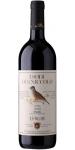
Castellare di Castellina 'I Sodi di San Niccolo' Toscana IGT is a blend of Sangioveto (85%-90%) and Malvasia nera (15-10%)
Intense ruby red in color and with a great olfactory concentration, thanks to the presence of a ripe red fruit that leads to notes of jam, but also spices, vanilla and licorice. In the mouth the wine is characterized by a dense and elegant texture, also supported by the important acidity of the Sangiovese, the tannins are absolutely sweet and the finish is long and of great persistence.
Excellent with cured meats and savory meats, with succulent dishes and mature cheeses. Much appreciated when paired with Tuscan Pecorino and Parmigiano.
The masterpiece of Castellare, I Sodi di San Niccolo, has twice placed in the top 100 of Wine Spectator, and has been awarded “Three Glasses” by Il Gambero Rosso.
I Sodi di San Niccolo is produced solely with native varieties: 85-90% of Sangioveto and 10-15% of Malvasia Nera, I Sodi comes from the two best crus of the farm.
The word "I Sodi" was used by the Tuscan farmers to describe those grounds which had to be processed by hand, being too hard (in fact firm) or too steep to allow for the employment of the horses, unlike the "fields" that make the grounds more easily cultivable.
Reviews:
Packed with ripe, juicy cherry, blackberry, pomegranate and floral aromas and flavors, this red is supple and beautifully integrated. Earth, iron and tobacco accents add detail as this winds down on the lazy, resonant aftertaste, showing terrific energy. Sangioveto and Malvasia Nera. Best from 2026 through 2043.
-Wine Spectator 97 Points
#35 Wine Spectator Top 100 of 2024
Vinous 97+ Points



