
" We don't sell the wine without touching the vine "
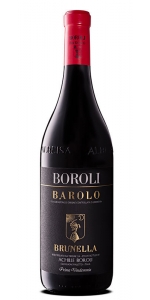
Boroli Barolo Brunella is made from 100 percent Nebbiolo.
A clear ruby red color, with very light orange reflections. A net aroma in which liquorice stands out at first, immediately followed by a fruity scent; the aroma makes you scent it again and again to discover different and pleasant facets. The fruity aroma magnificently prevails after a few minutes in the glass. A very enveloping, fresh and harmonious taste, with a delicate and tasty presence of wood. A long lasting taste that invites to sip it slowly again and again.
Tasting Notes
Brunella is distinguished by a careful selection of grapes, perfect destemming, long macerations with submerged cap. The barrels for Brunella are specifically chosen by the winemaker.
Wine Production
Brunella is one of the most historic single vineyard sites of all of Castiglione Falletto, however it hasn’t ever been bottled singularly under the Menzione Geografica Aggiuntiva BRUNELLA until 2013. The Brunella vineyard occupies the western crest of the Villero hillside and complete surrounds the Boroli winery. The vineyard is a monopole—owned entirely by Boroli and is the most prestigious wine in the lineup. As it occupies the best exposed section of the Villero hillside, La Brunella expresses power, drive, complexity, and extraordinary length and ageability.
About the Vineyard
The Boroli family is a family of entrepreneurs, with roots in Piedmont dating back to 1831. The family started their winemaking business in1997, when Silvano and Elena Boroli felt an ardent desire to step away from the pressures of their publishing business and reconnect to nature. Silvano and Elena grew the company until their son, Achille, stepped in to run the wine-growing and production business in 2012.
With the 2012 grape harvest Achille decided to radically change the methods used in vineyards and wineries, aiming for the highest quality in Barolo and its crus. He cut production levels, updated the winemaking technology, and focused on low intervention methods to raise the quality of the Boroli wines be on par with the finest Barolo wines.
Review:
Ripe red cherries and blood oranges, as well as herbs and roses on the nose, leading to a juicy and flavorful palate that has a swathe of bright, juicy red-fruit flavor. Drinking well now.
-James Suckling 93 Points
Boroli Barolo Brunella is made from 100 percent Nebbiolo.
A clear ruby red color, with very light orange reflections. A net aroma in which liquorice stands out at first, immediately followed by a fruity scent; the aroma makes you scent it again and again to discover different and pleasant facets. The fruity aroma magnificently prevails after a few minutes in the glass. A very enveloping, fresh and harmonious taste, with a delicate and tasty presence of wood. A long lasting taste that invites to sip it slowly again and again.
Tasting Notes
Brunella is distinguished by a careful selection of grapes, perfect destemming, long macerations with submerged cap. The barrels for Brunella are specifically chosen by the winemaker.
Wine Production
Brunella is one of the most historic single vineyard sites of all of Castiglione Falletto, however it hasn’t ever been bottled singularly under the Menzione Geografica Aggiuntiva BRUNELLA until 2013. The Brunella vineyard occupies the western crest of the Villero hillside and complete surrounds the Boroli winery. The vineyard is a monopole—owned entirely by Boroli and is the most prestigious wine in the lineup. As it occupies the best exposed section of the Villero hillside, La Brunella expresses power, drive, complexity, and extraordinary length and ageability.
About the Vineyard
The Boroli family is a family of entrepreneurs, with roots in Piedmont dating back to 1831. The family started their winemaking business in1997, when Silvano and Elena Boroli felt an ardent desire to step away from the pressures of their publishing business and reconnect to nature. Silvano and Elena grew the company until their son, Achille, stepped in to run the wine-growing and production business in 2012.
In the 2012 grape harvest Achille decided to radically change the methods used in vineyards and wineries, aiming for the highest quality in Barolo and its crus. He cut production levels, updated the winemaking technology, and focused on low intervention methods to raise the quality of the Boroli wines be on par with the finest Barolo wines.
Review:
Solid and centered, it displays a splendid Mediterranean character reminiscent of rosemary, wild thyme, marjoram, lemons, and red plums. Full body, perfectly extracted tannins of commendable beauty, and a slender yet disturbingly charming finish. Wow! Better from 2024
-WineCritic.com 96 Points
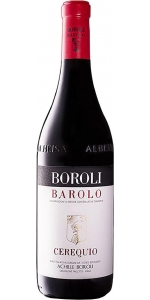
Boroli Cerequio is made from 100 percent Nebbiolo.
The Boroli family is a family of entrepreneurs, with roots in Piedmont dating back to 1831. The family started their winemaking business in1997, when Silvano and Elena Boroli felt an ardent desire to step away from the pressures of their publishing business and reconnect to nature. Silvano and Elena grew the company until their son, Achille, stepped in to run the wine-growing and production business in 2012.
With the 2012 grape harvest Achille decided to radically change the methods used in vineyards and wineries, aiming for the highest quality in Barolo and its crus. He cut production levels, updated the winemaking technology, and focused on low intervention methods to raise the quality of the Boroli wines be on par with the finest Barolo wines.
About the Vineyard
The Cerequio cru lies just across the valley from the Boroli winery in the commune of La Morra and is considered one of the most prestigious sites in the Barolo DOCG zone. It is known to produce Nebbiolo wine of enormous elegance and finesse.
Wine Production
Cerequio is distinguished by a careful selection of grapes, precise destemming, and a long maceration with submerged cap.
Tasting Notes
A clear bright ruby color with very light garnet red reflections; intense and persistent aroma of red fruit with notes of plum and cherry. A pleasant aroma of wood is noticeable after the fruity aroma, anticipating the full taste of a great wine suitable for long lasting life. A succulent, rich, full-bodied and pleasant taste emerges after the woody one, with the presence of slightly ripe red fruit.
Food Pairing
Thanks to its viscosity and body, Barolo is the ideal wine to pair with elaborate dishes and dishes like truffle dishes, meat dishes, pasta with porcini mushrooms, game, and aged cheeses. Cerequio is also perfect with dry pastries or chocolate.
Review:
Precise and essential, it displays notes of lavender, hibiscus, violet, white pepper, lime, jasmine flowers, and elderberry. Medium body, perfectly ripe, fine-grained tannins, and a juicy finish that displays smoothness and relaxation. Beautiful right away, it will only improve from 2024 onwards. One of the best Barolos tasted in the 2019 vintage.
-WineCritics.com 96 Points
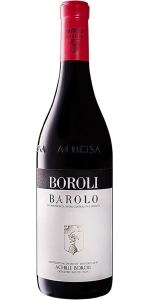
Boroli's Barolo is made by a special combination of careful grape selection, precise destemming, and long mascerations with submerged cap. The barrels used to age this wine are very carefully chosen by the winemaker.
Clear bright ruby color with very light garnet red reflections; intense and persistent aroma of red fruit with notes of plum and cherry. A pleasant aroma of wood is noticeable after the fruity aroma, anticipating the full taste of a great wine suitable for long lasting life. A succulent, rich, full-bodied and pleasant taste emerges after the woody one, with the presence of slightly ripe red fruit.
Barolo pairs perfectly with rich dishes such as roasted meats and pasta with truffles.
Review:
A relatively easy-drinking Barolo. Layered fruit on the nose with strawberries and red cherries, together with violets and some licorice. On the medium-bodied palate there’s a light frame of dusty tannins and a sense of freshness. Simple yet precise.
-James Suckling 91 Points
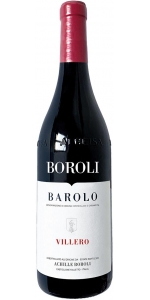
Villero is undoubtedly one of the most important vineyards in Castiglione Falletto in terms of quality and exposure.
The soil is clayey and calcareous, with a south and southwest exposure. The combination of exposure and soil give us a structured and powerful Barolo, with a deep aromatic profile. The tannins are smooth and soft, thanks to long maceration.
Barolo Villero is a long-lasting wine, capable of reaching its full potential even many years after the harvest.
Wine Production
Villero is distinguished by a careful selection of grapes, perfect destemming, long macerations with submerged cap.
Tasting Notes
Clear bright ruby colour with very light garnet red reflections; intense and persistent aroma of red fruit with notes of plum and cherry. A pleasant aroma of wood is noticeable after the fruity aroma, anticipating the full taste of a great wine suitable for long lasting life. A succulent, rich, full-bodied and pleasant taste emerges after the woody one, with the presence of slightly ripe red fruit
Food Pairing
Thanks to its viscosity and body, Barolo is the ideal wine to combine with elaborate dishes such as truffle dishes, meat dishes, pasta with porcini mushrooms, game, and aged cheeses. Villero is also perfect with dry pastries or chocolate.
Review:
This Villero shows sterness and class at the same time. The nose is focused on cherrystone aromas, Parma violets, pomegranates and slightly earthy notes. The attack is dry and austere, with firm, dusty tannins soaked in licorice and tar, enhanced by a bright, juicy and polished blood-orange finish. This is a Barolo to discover over the years, even though it’s ready to drink now.
-James Suckling 95 Points
Boroli Cerequio is made from 100 percent Nebbiolo.
The Boroli family is a family of entrepreneurs, with roots in Piedmont dating back to 1831. The family started their winemaking business in1997, when Silvano and Elena Boroli felt an ardent desire to step away from the pressures of their publishing business and reconnect to nature. Silvano and Elena grew the company until their son, Achille, stepped in to run the wine-growing and production business in 2012.
With the 2012 grape harvest Achille decided to radically change the methods used in vineyards and wineries, aiming for the highest quality in Barolo and its crus. He cut production levels, updated the winemaking technology, and focused on low intervention methods to raise the quality of the Boroli wines be on par with the finest Barolo wines.
About the Vineyard
The Cerequio cru lies just across the valley from the Boroli winery in the commune of La Morra and is considered one of the most prestigious sites in the Barolo DOCG zone. It is known to produce Nebbiolo wine of enormous elegance and finesse.
Wine Production
Cerequio is distinguished by a careful selection of grapes, precise destemming, and a long maceration with submerged cap.
Tasting Notes
A clear bright ruby color with very light garnet red reflections; intense and persistent aroma of red fruit with notes of plum and cherry. A pleasant aroma of wood is noticeable after the fruity aroma, anticipating the full taste of a great wine suitable for long lasting life. A succulent, rich, full-bodied and pleasant taste emerges after the woody one, with the presence of slightly ripe red fruit.
Food Pairing
Thanks to its viscosity and body, Barolo is the ideal wine to pair with elaborate dishes and dishes like truffle dishes, meat dishes, pasta with porcini mushrooms, game, and aged cheeses. Cerequio is also perfect with dry pastries or chocolate.
Review:
Elegant bright ruby red. Fragrant and inviting nose of strawberries with whipped cream, icing sugar, elderflower and roses. Flattering palate with clear fruit and appealing acidity, unfolds into a complex style, punchy on the palate with a clear, slightly salty finish.
-Falstaff 95 Points
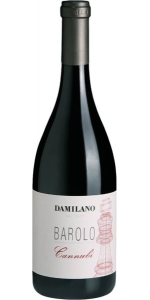
Damilano Barolo Cannubi is made from 100 percent Nebbiolo.
Garnet ruby red in color with orange reflections. The bouquet is ample and embracing, with pronounced fruity notes of cherry and plum and notes of tobacco, licorice and cocoa. On the palate, the wine is harmonious, pleasantly dry with soft tannins, broad and full-bodied. Persistent finish.
Cannubi is a sumptuous wine, perfect with the full-flavored Piedmontese cuisine such as white truffle -based dishes and braised meat. Ideal with the refined dishes of the great international gastronomy.
Review:
Sweet berries, tar and hazelnuts on the nose with some iodine and dry earth. Full-bodied with a solid center palate of juicy fruit and powerful, fine tannins. It’s racy and very long. Needs time to soften. Better after 2023.
-James Suckling 96 Points
A polished wine with charming layers of fruit and complexity. The enchanting aromas of red cherry, rambutan, strawberry, and rose develop and open into a deeply flavoured palate. A velvety wrap of tannins surrounds the dark plums and morello cherry and a light dusting of vanilla.
-Decanter 97 Points
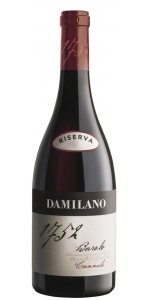
“1752” is the name of the Damilano Barolo Cannubi Riserva, in honor of the year in which the historic bottle was first marked “Cannubi”. It still exists today perfectly conserved by the Manzone family in Bra, close to Barolo. The bottle is clearly marked as being of “1752” vintage, indicating that Cannubi historically precedes Barolo.
About the Vineyard:
The Cannubi Cru is in found within one of the 6 core zones which comprise a UNESCO heritage site in Italy. A mixture of Tortonian and Helvetian calcareous marl gives the grapes intense aromas of cherry, plum and tobacco, rose and violet in sequence. Its low potassium and high calcium/magnesium content offer the wine a fine and polished touch. The vineyard is located at about 270 m. a.s.l. and has a south-east sun exposure. Barolo Riserva Cannubi 1752 It is a small plot of about 2 hectares of Nebbiolo vines, currently between 30 and 50 years of age.
Tasting Notes:
Garnet ruby red in color, the bouquet is intense and balanced, with notes of violet, red fruit, cherry and plum, spices, liquorice, cocoa, leather and tobacco. Dry, robust, full-bodied, very persistent, rich and velvety
Food Pairing:
This wine is excellent with typical piedmontes pasta (tajarin, ravioli); perfect with red meat, braised and roast meat, game and absolutely ideal with all types of cheeses.
Review:
The purity of this wine is pretty phenomenal with blackberries, strawberries, fresh flowers and licorice. Hints of tar. It’s full-bodied, yet composed and compact with ultra fine tannins and a long, flavorful finish. Very structured. Try after 2024.
-James Suckling 97 Points
“1752” is the name of the Damilano Barolo Cannubi Riserva, in honor of the year in which the historic bottle was first marked “Cannubi”. It still exists today perfectly conserved by the Manzone family in Bra, close to Barolo. The bottle is clearly marked as being of “1752” vintage, indicating that Cannubi historically precedes Barolo.
About the Vineyard:
The Cannubi Cru is in found within one of the 6 core zones which comprise a UNESCO heritage site in Italy. A mixture of Tortonian and Helvetian calcareous marl gives the grapes intense aromas of cherry, plum and tobacco, rose and violet in sequence. Its low potassium and high calcium/magnesium content offer the wine a fine and polished touch. The vineyard is located at about 270 m. a.s.l. and has a south-east sun exposure. Barolo Riserva Cannubi 1752 It is a small plot of about 2 hectares of Nebbiolo vines, currently between 30 and 50 years of age.
Tasting Notes:
Garnet ruby red in color, the bouquet is intense and balanced, with notes of violet, red fruit, cherry and plum, spices, liquorice, cocoa, leather and tobacco. Dry, robust, full-bodied, very persistent, rich and velvety
Food Pairing:
This wine is excellent with typical piedmontes pasta (tajarin, ravioli); perfect with red meat, braised and roast meat, game and absolutely ideal with all types of cheeses.
Review:
“Incredible, reserved ripeness and depth already evident on the nose after one whiff, offering plum, cedar, rose hip, sandalwood, and licorice. Full-bodied with superb depth of fruit and an abundance of polished tannins that give the wine poise and grace, even though it’s long and powerful. The quality of the tannins are exceptional. Sheer and refined. This comes from the center of Cannubi.”
-James Suckling 99 Points
“1752” is the name of the Damilano Barolo Cannubi Riserva, in honor of the year in which the historic bottle was first marked “Cannubi”. It still exists today perfectly conserved by the Manzone family in Bra, close to Barolo. The bottle is clearly marked as being of “1752” vintage, indicating that Cannubi historically precedes Barolo.
About the Vineyard:
The Cannubi Cru is in found within one of the 6 core zones which comprise a UNESCO heritage site in Italy. A mixture of Tortonian and Helvetian calcareous marl gives the grapes intense aromas of cherry, plum and tobacco, rose and violet in sequence. Its low potassium and high calcium/magnesium content offer the wine a fine and polished touch. The vineyard is located at about 270 m. a.s.l. and has a south-east sun exposure. Barolo Riserva Cannubi 1752 It is a small plot of about 2 hectares of Nebbiolo vines, currently between 30 and 50 years of age.
Tasting Notes:
Garnet ruby red in color, the bouquet is intense and balanced, with notes of violet, red fruit, cherry and plum, spices, liquorice, cocoa, leather and tobacco. Dry, robust, full-bodied, very persistent, rich and velvety
Food Pairing:
This wine is excellent with typical piedmontes pasta (tajarin, ravioli); perfect with red meat, braised and roast meat, game and absolutely ideal with all types of cheeses.
Review:
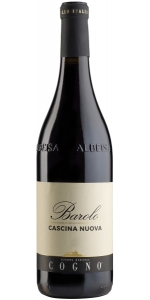
Elvio Cogno Cascina Nuova Barolo 2017
Born to satisfy the curiosity of consumers keen to have a more immediate understanding of Barolo, the wine is bright garnet red in color with orange tints. Pleasing and immediate, it offers scents of flowers and light, delicate spices. The mouth is agreeably rounded, juicy and fresh, with just the right balance between pleasantness and elegance. The aftertaste is very harmonious with a mineral, aromatic finish.
Review:
Attractive dried strawberry with cherry and tar on the nose. Full-bodied with powerful tannins that are dusty and intense. Very flavorful and long. Solid as a rock. Needs at least three or four years to soften and come together.
-James Suckling 95 Points
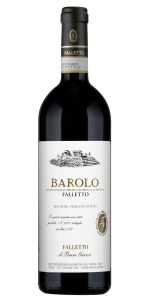
Falletto di Bruno Giacosa Barolo is made from 100 percent Nebbiolo
The 2018 vintage was well received after the turbulent 2017 growing year. A longer winter heralded in heavy rains in May and June, which gave the vines much needed water after the previous year's drought. Throughout the summer, conditions were generally ideal with warm days and cool nights, making harvest an overall success. Early samples of Barbaresco and Barolo are indicating a soft, balanced vintage.
Red garnet in color. Intense and fine aromas of fresh red fruit. The palate presents good freshness, excellent structure and fine, velvety tannins.
Review:
The 2018 Bruno Giacosa Barolo is very rich and hedonistic, with ripe strawberries and rose hip and notes of incense, lilies and violets. It is a lovely nose, persistent, intense and enticing and on the palate it is like falling into a soft velvety bed of rose petals. It already has such beautiful harmony and poise. It has a lush, sensual texture of crushed velvet, and is full-bodied without feeling heavy. There are plenty of dense, savory tannins extending the very long finish, creating a combination of seductive charm and power. This is something special, a great achievement in this vintage. Wait 2-3 years at least but I would not want to miss that young fragrance. (SH)
-Wine Independent 98 Points
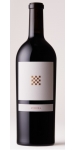
Vintners Dennis O’Neil and Steph Martin began development of Checkerboard Vineyards in 1999 and retained winemaker Martha McClellan to create a portfolio of wines reflecting the mountainside. The estate includes four vineyard sites of different elevation, exposure and soil composition, providing the foundation for a portfolio that includes Checkerboard Aurora Vineyard, Checkerboard Coyote Ridge Vineyard, Checkerboard Nash Creek Vineyard, Checkerboard Kings Row, Checkerboard Sauvignon Blanc, and Checkerboard Rose. Grapes are harvested at dawn in micro-lots and delivered steps away to the winery where clusters are sorted, discarding any blemished ones. Individual berries are hand-selected for vinification and transferred for fermentation, by hand, to Taransaud wooden tanks, stainless tanks, and individual wooden barrels.
Farming is based on long-term sustainability and includes water conservation and monitoring, permanent cover crops planted in alternating rows, and the use of entomology for pest control and the development of soils with good organic matter and microbiology. Checkerboard Vineyards is a member of Fish Friendly Farming which promotes environmentally-friendly land practices and water quality management. Aurora Vineyard is located in a small valley midway up Diamond Mountain and on a large knoll at an elevation of 1,200 feet. The knoll bulges outward, giving the vineyard full Southern exposure and open light from the East and West and protection from Napa Valley’s summer fog. Six acres are planted in the knoll’s rich, volcanic soils that are riddled with basalt cobble in a loamy red clay. The remaining six acres are planted in a deep gravely mix of volcanic ash and chips of decomposed Rhyolite that were washed down from the steep, rocky crags of Diamond Mountain above.
There's a fresh, sweet aroma to the 2016 Checkerboard Aurora Vineyard that builds excitement and anticipation for what's to come. On approach, the palate is juicy and expansive and explodes with flavors of blackberry, mulberry, dark cherry, caramel, leaf tobacco and green olive. The wine continues with a voluptuousness that's linear and constant yet lifted by natural acidity. The finish is showy, long and lingering with finely polished tannins. An exceptional vintage.

Ferren Chardonnay Volpert Vineyard is 100 percent Chardonnay.
At the end of Taylor Lane outside of the coastal village of Occidental lies Volpert Vineyard. With the Pacific Ocean in sight, this vineyard resides at the far western edge of the West Sonoma Coast AVA. As such, this may be the source of our most high-toned and mineral laden wines. Owned by the Volpert family and farmed organically by Greg Adams, these five acres of heritage clone Pinot noir and Chardonnay are at the absolute cutting edge of Sonoma Coast viticulture.
Review:
Aromatic and distinctive, with a hint of smoked sea salt up front. Offers flavors of pear, yellow apple and peach at the core, with lime zest and herbal accents of lemon verbena, lemon balm and honeysuckle, plus a touch of fresh ginger. All of the flavors reverberate with fresh acidity and cardamom details on the finish. Drink now through 2038.—M.W."
- Wine Spectator (May 2025), 95 pts



