" We don't sell the wine without touching the vine "
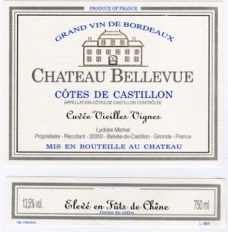
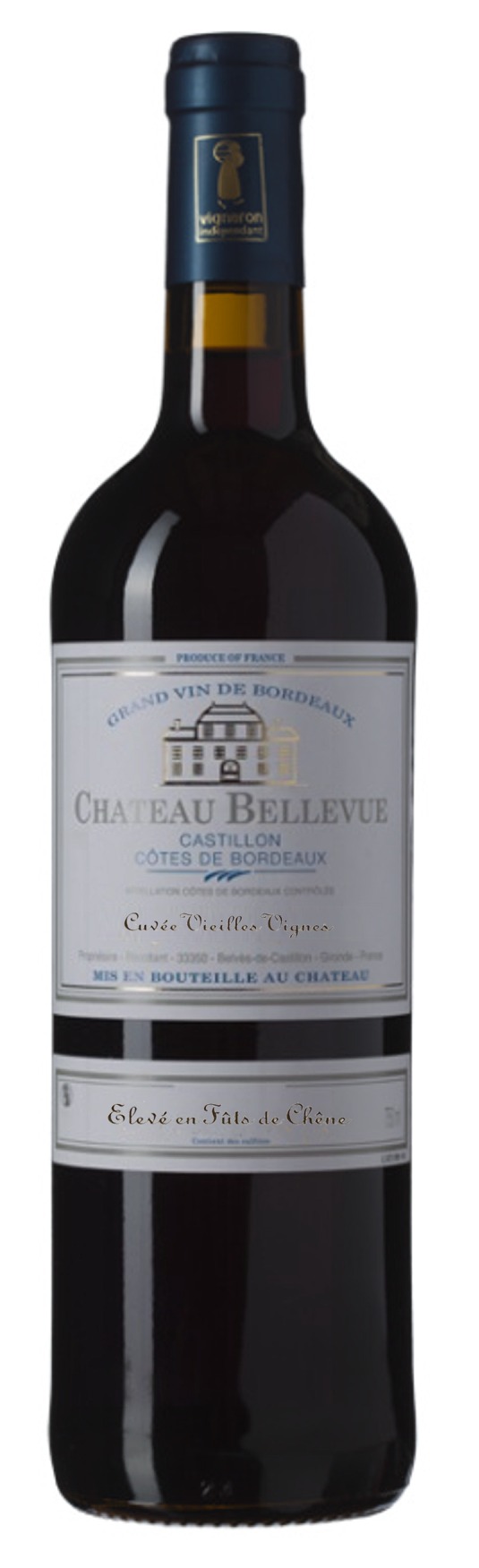
Bellevue Cotes de Bordeaux-Castillon Vieilles Vignes 2020 is 65% Merlot, 35% Cabernet Franc.
Average age of the vines is 40 years old.
The wine offers a rich and intense bouquet of blackcurrant, blackberry and strawberry.
It is smooth and full in the mouth with a velvety texture. Acidity combined with firm but well-integrated tannins are a fine supporting cast to the black fruit flavors at the end.
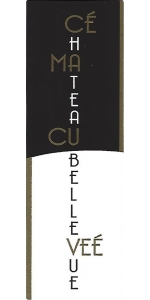
Bellevue Cotes de Bordeaux-Castillon Cé Ma Cuvée is made from 70% Merlot and 30% Cabernet Franc
The wine is made with 70% Merlot and 30% Cabernet Franc. Average age of the vines is 50 years old (everything is between 40 and 60 years old).
Cé Ma Cuvée is a tribute from Michel Lydoire to his 2 daughters:
Cé is for Céline. She is like the Merlot grape varietal. Pleasant and calm.
Ma is for Marina. She is like the Cabernet Franc grape varietal. Tough and with a lot of character.
The color is deep and inky.
The nose is spicy, fruity and oaky with some nice vanilla and coconut aromas.
The mouthfeel is complex, with ripe red and black fruit flavors. Some spiciness and integrated oak flavors.
The wine starts as the Vieilles vignes, but some wine is aged in 500-liter American Oak Barrels for 18 months.
They are using a mix of different toastiness for the barrels. Some high toast and some are medium toast.
This is a fun wine that can be enjoyed with any food, charbroil burgers, grilled vegetables, cheeses ... or even with dark chocolate desserts.

Xavier Vignon Cotes du Rhone Rouge Cuvee Vieilles Vignes Organic is made from 50% Grenache, 40% Mourvèdre, 5% Syrah and 5% Cinsault.
The diversity of terroirs used in this blend allows this wine to combine freshness and balance.
We used Clay and limestone plots located on the hillside where old Grenache naturally express roasted hints. We could obtain in this wine empyreumatical hints without the use of barrels. These plots particular soils and orientation allowed grapes to reach an optimal level of ripeness while conserving a good acidity level.
We also integrated grapes coming from plots located on red rocky clay soils also named “garrigues”. These big red stone are restituting heat coming from the sun at night and bring power and structure to the wine.
Also the blend features vines coming from sandy clays, which are light and rather fresh soils: this allowed the wine to maintain a freshness and vivacity.
Bouquet of cassis, blueberries, lavender, cured meats, and graphite. It's deep, rich, medium to full-bodied, and has a great finish. The Mourvèdre keeps this tight and fresh.
Pairs with grilled beef rib - Veal Columbo - Pork ribs slightly spiced
Review:
"The spicy nose with a slew of red-fruit aromas pulls you into this full-bodied but lively and very well-balanced Cote-du-Rhone. Lovely, creamy texture that’s neatly supported by fine tannins. Long, supple finish. From organically grown grapes. Drink or hold."
- James Suckling (March 2022), 92 pts
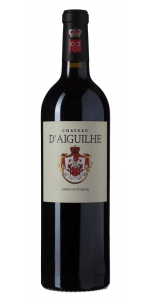
This wine reveals a complex and elegant bouquet that combines ripe fruit, leather and a fine woodiness. Round and warm on the attack, the palate is supported by solid tannins and a pleasant freshness in this harmonious and well textured wine.
The Merlot bring fruity notes and minerality from the clay-limestone terroir, enhanced by the incredibly expressive and spicy Cabernet Franc.
Review:
"A terrific effort from this large and immaculately maintained property on the clay-limestone slopes of the Côtes de Castillon, the 2019 d'Aiguilhe exhibits aromas of cherries and cassis mingled with notions of burning embers, licorice and warm spices. Medium to full-bodied, layered and concentrated, with lively acids, powdery tannins and a mineral finish, it's intelligently matured in tank and large-format oak as well as small barriques. - William Kelley"
- Robert Parker's Wine Advocate (April 2022), 92 pts
"The 2019 d'Aiguilhe has a really lovely bouquet of ample black cherry, mulberry and light floral scents, very pure and delineated. The palate is medium-bodied with cedar-infused red fruit. While not as exuberant as the aromatics, this is nicely detailed and quite poised on the finish. No, I still cannot pronounce its name, but this Castillon Côtes de Bordeaux is well worth seeking out. - Neal Martin"
- Antonio Galloni's Vinous (February 2022), 92 pts
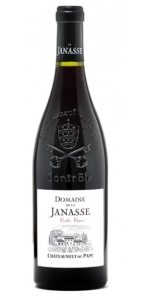
Domaine de la Janasse Chateauneuf-du-Pape Cuvee Vieilles Vignes is made from 65% Grenache, 20% Mourvèdre, 10% Syrah, 5% divers.
In contrast to Chaupin, which is made from old-vine Grenache on sandy soils, the cuvée Vieilles Vignes is from old vines of Grenache, Mourvedre, Syrah along with smaller percentages of other permitted varieties that are grown in these old vineyards. The wine is sourced from 4 terroirs: pebbly clay, sand, gravelly red clay and sandy limestone. Vieilles Vignes is always the most powerful and concentrated Châteauneuf-du-Pape cuvée made at Domaine de la Janasse.
Review:
The 2020 Châteauneuf Du Pape Vieilles Vignes also saw some stems (the estate started keeping some stems with the 2016 vintage) and was 75% destemmed, with the blend being 70% Grenache, 20% Mourvèdre, and the rest Syrah, Cinsault, and Terret Noir. As usual, it’s a more powerful, black-fruited wine comparted to the Cuvée Chaupin and has lots of crème de cassis, liquid violet, crushed stone, woodsmoke, and peppery herbs. It displays the vintage’s purity and freshness yet brings the concentration as well as the structure. I’ll be shocked if it’s not in the handful of top wines in the vintage.
-Jeb Dunnuck 96-98 Points
Domaine de la Janasse Chateauneuf-du-Pape Cuvee Vieilles Vignes is made from 65% Grenache, 20% Mourvèdre, 10% Syrah, 5% divers.
In contrast to Chaupin, which is made from old-vine Grenache on sandy soils, the cuvée Vieilles Vignes is from old vines of Grenache, Mourvedre, Syrah along with smaller percentages of other permitted varieties that are grown in these old vineyards. The wine is sourced from 4 terroirs: pebbly clay, sand, gravelly red clay and sandy limestone. Vieilles Vignes is always the most powerful and concentrated Châteauneuf-du-Pape cuvée made at Domaine de la Janasse.
Review:
The advantages of old vines are perhaps most evident in the more difficult vintages (whether hot and dry or cool and rainy). The 2021 Chateauneuf du Pape Vieilles Vignes is a strong effort, delivering supple, velvety waves of ripe black cherries and black raspberries. Medium to full-bodied, it's rich and concentrated without seeming at all heavy or unbalanced, finishing long and juicy. It's approximately 75% Grenache, 15% Mourvèdre, 5% Syrah and 5% other varieties, keeping in mind that up to 15% of the old Grenache vines are actually Clairette Rose.
-Wine Advocate 96 Points
Bellevue Cotes de Castillon Cuvee Vieilles Vignes is made from 65% Merlot, 35% Cabernet Franc. Aged in mostly new oak barrels (90% French oak and 10% American oak), and some Château Haut Brion 2nd Barrels.
The wine offers a rich and intense bouquet of blackcurrant, blackberry and strawberry. It is smooth and full in the mouth with a velvety texture. Acidity combined with firm but well-integrated tannins are a fine supporting cast to the black fruit flavors at the end.
The Bellevue Estate
Chateau Bellevue was founded in 1998, with its oldest origins dating to the 1960's. The project is aided by Chateau Cheval Blanc's former enologist, Gilles Paquet. Reserve wines are produced when the vintage merits; most recently in 2000, 2001, 2004, 2005 and 2006. Production: 380 hectolitres (4,222 cases), 95% Claret Rouge and 5% Claret Rosé.
The Bellevue Vineyard
The 8.5 hectares (21 acres) of vineyards are 40 year old vines, planted to Merlot, Cabernet Franc, and Cabernet Sauvignon. Yield: 40 hectolitres/hectare. Hillside Clay and Limestone soil.
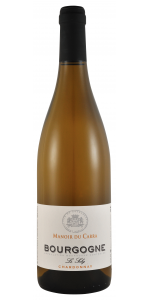
Manoir du Carra Bourgogne Blanc Le Soly is made of 100% Chardonnay. Average 50 year old vines.
The nose shows step by step fruity, smoky and mineral aromas. A slight oaky hint in the end with a lingering finish: those are typical Chardonnay aromas.
The wine is estate bottled.Ageing is done on fine lees during 3 to 5 months. About 40% of the wine has its alcoholic and malolactic fermentation in oak barrels (new, one, two or three wine barrels) with a weekly “Bâtonnage” (lee stirring) during 6 months. In the end, the wine in the barrels is blended with the wine in vats. Manual harvest of very ripe grapes. Selection of the best grapes on a vibrating sorting table, light pressing. The alcoholic fermentation takes place in cold stainless-steel vats.
Irresistible ripened plums and opulent dusty blackberries lift the senses, alluring the nose to tertiary notes of delicate florals and intriguing mineral edges. Balance is the defining quality of this wine; even in its youth, 2021 Black Label is resolutely complete from beginning to end. Every element is in place, as dimpled yet silky tannins unfold with grace and finesse, revealing a core of power and depth. Broad strokes of black mulberries, crème de cassis, and juniper accelerate through the mid-palate with captivating width and focus. This thrilling dance culminates in a stunning finish of opulent and elegant dark fruits that persist with each sip, leaving an indelible impression of the near-perfect growing season that shaped the Fortuna Vineyard—full of power and sinue—and Leopoldina Vineyard—full of poise and intention—in the 2021 vintage.
"Stunning stuff, the 2021 Cabernet Sauvignon Black Label offers a full-bodied, deep, majestic style as well as beautiful aromatics of cr me de cassis, violets, flowers, and nicely integrated background oak. It has ultra-fine tannins, flawless balance, and a regal, age-worthy style that has so much to love. It, however, is not going to be for the instant gratification crowd and this actually shut down pretty quickly with air. I would hide bottle for 4-6 years and it s going to cruise over the following two decades in cold cellars."
- 97 Points Jeb Dunnuck
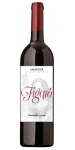
Figaro Tinto Calatayud is 100% Garnacha, made from a selection of the best grapes grown in the oldest vineyards. While not truly an "oaked wine", a short stay in oak barrels provides a nice spicy flavor boost.
Tasting notes: Bright violet. Dark berry and cherry aromas show a jammy aspect. Supple and gently sweet, with good lift to its black raspberry and boysenberry flavors. Smooth and broad on the finish, leaving behind a hint of spiciness. Extremely easy to drink and an excellent value.