
" We don't sell the wine without touching the vine "
| Country: | France |
| Region: | Burgundy |
| Winery: | Pernot Belicard |
| Grape Type: | Chardonnay |
| Organic: | Yes |
| Vintage: | 2020 |
| Bottle Size: | 750 ml |
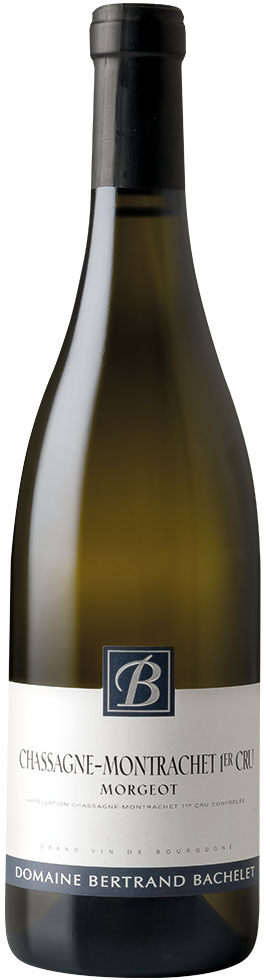
Bertrand Bachelet Chassagne Montrachet Premier Cru Morgeot is made from 100 percent Chardonnay.
The Chassagne-Montrachet appellation is located in the southern part of the Côte de Beaune and produces mainly white wines.
'Morgeot' is located in the south of the village, characterized by compact limestone soil containing iron oxide, which gives the soil its particular red-brown color.
The wine offers a golden color, a subtle nose of white flowers and honey notes. Full-bodied and well-structured on the palate.
The softness of the Chardonnay on the palate makes an interesting pairing with cooked foie gras; it also sits well with lobster, spiny lobster, or even morel mushroom dumplings or Bresse chicken in a cream sauce.
Bachelet Bertrand Chassagne Montrachet Blanc Premier Cru Morgeot is made from 100 percent Chardonnay.
The Chassagne-Montrachet appellation is located in the southern part of the Côte de Beaune and produces mainly white wines. 'Morgeot' is located in the south of the village, characterized by compact limestone soil containing iron oxide, which gives the soil its particular red-brown color.
The wine offers a golden color, a subtle nose of white flowers and honey notes. Full-bodied and well-structured on the palate.
The softness of the Chardonnay on the palate makes an interesting pairing with cooked foie gras; it also sits well with lobster, spiny lobster, or even morel mushroom dumplings or Bresse chicken in a cream sauce.
Bachelet Bertrand Saint-Aubin Premier Cru En Remilly is made from 100 percent Chardonnay.
Saint-Aubin is situated in the heart of the Côte des Blancs, between Chassagne-Montrachet and Puligny-Montrachet; both white and red wines are produced here but Chardonnay remains predominant. The Saint-Aubin appellation covers a wide area, with an altitude ranging from 300 to 450 meters, and with very varied expositions and soils, which makes each climat unique.
Saint-Aubin En Remilly is located in the south-east of Gamay, a hamlet near the village of Saint Aubin and next to the Puligny-Montrachet and Chassagne-Montrachet appellations. This area benefits from a south-western exposition.
The wine offers a pale yellow color, with gold nuances; a mineral nose, a dense texture on the palate, bringing together substance and tension.
Perfect as an aperitif, pairs very well with firm-textured fish or with shellfish.
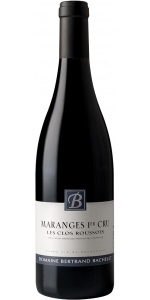
Bertrand Bachelet Maranges Rouge 1er Cru Les Clos Roussots is made from 100 percent Pinot Noir.
The Maranges appellation is the youngest of the Côte de Beaune family, making its debut in May 1989. It spans three villages: Dezize-lès-Maranges, Cheilly-les-Maranges and Sampigny-les-Maranges. Several hills and slopes make up the appellation; they face south/south-east, at an altitude of between 200 and 400 meters. This appellation produces mainly red wines comprising 95% of total production.
The Maranges 1ers Crus are spread over seven distinct terroirs: "Les Clos Roussots", which represents the second largest terroir of the appellation, spans the Cheilly-les-Maranges and Sampigny-les-Maranges areas.
The wine boasts a beautiful bright red color. The nose provides subtle harmony between red and black fruits, spices and vanilla. On the palate, this wine is both solid and fresh, harmonious and bold.
Enjoy with a veal roast and sweet potatoes or matured cheeses.
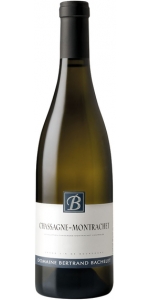
Bachelet Bertrand Chassagne Montrachet Blanc is made from 100 percent Chardonnay.
The Chassagne-Montrachet appellation is located in the southern part of the Côte de Beaune and produces mainly white wines. The vineyard faces east, with varied soil types, characterized by the presence of iron oxide, which gives a red-brown color to the soil.
Bachelet Bertrand Chassagne-Montrachet is produced from two villages, La Canière and Les Lombardes.
The wine offers a golden color, a soft, floral nose with spicy notes. On the palate, the wine is ample and harmonious, combining freshness and tension.
Pairs well with fish (especially salmon) or white meat in sauce (poultry, veal).
-150x300.jpg "Bachelet Bertrand Maranges Blanc Premier Cru Fussiere 2023")
Bertrand Bachelet Maranges Blanc 1er Cru La Fussiere is made from 100 percent Chardonnay.
The Maranges appellation is the youngest of the Côte de Beaune family, making its debut in May 1989. It spans three villages, namely Dezize-lès-Maranges, Cheilly-les-Maranges and Sampigny-les-Maranges. Several hills and slopes make up this appellation, all south/south-east-facing, at an altitude of between 200 and 400 metres. The Maranges 1ers Crus are spread over seven distinct villages.
'La Fussière' is the main village of the Maranges appellation and is located in the Cheilly and Dezize-les-Maranges areas.
This wine has a pale gold robe, with plenty of sparkle. At first, the nose evokes notes of white flowers, like acacias, then the second nose delivers a flinty, slightly buttery aspect. Plenty of versatility and subtlety on the palate, with floral notes.
A good accompaniment to a cold starter or fish. Try with a slightly sharp hard cheese, such as Cantal or Gouda, to draw out its natural vivacity.
Bertrand Bachelet Chassagne Montrachet Premier Cru Morgeot is made from 100 percent Chardonnay.
The Chassagne-Montrachet appellation is located in the southern part of the Côte de Beaune and produces mainly white wines.
'Morgeot' is located in the south of the village, characterized by compact limestone soil containing iron oxide, which gives the soil its particular red-brown color.
The wine offers a golden color, a subtle nose of white flowers and honey notes. Full-bodied and well-structured on the palate.
The softness of the Chardonnay on the palate makes an interesting pairing with cooked foie gras; it also sits well with lobster, spiny lobster, or even morel mushroom dumplings or Bresse chicken in a cream sauce.
Review:
"Very unique lime, stone and smoke aromas follow through to a medium body with a tangy finish. Stone and mineral undertones. Dense. Layered, yet vibrant. Fantastic. Drink or hold."
James Suckling (September 20th 2021), 95 pts
This small six-hectare domaine located in the heart of Puligny-Montrachet is making rapid strides. Philippe Pernot (a scion of the Paul Pernot dynasty) launched the Pernot-Belicard label in 2009 after marrying Miss Belicard, daughter of Mr Belicard (who owned vineyards in Puligny-Montrachet). In the vineyards, Philippe cultivates the soils, de-buds aggressively and takes pains to retain his old vines in good health. The grapes are harvested by hand, with Philippe typically among the earlier pickers in the village. Since 2014, there's more sorting, the grapes passing over a shaker table before being whole cluster pressed. Initially, the wines were bottled to make room for the new vintage, but Philippe, evidently an inquiring mind, felt that something was missing: now, the wines stay in barrel until August, but spend an additional three to six months in temperature controlled stainless steel tanks with the fine lees. The result are wines that are more integrated and complete. These are already very good wines, and Philippe possesses some enviable parcels, but it is his desire to refine and improve that marks this out as an estate to watch.
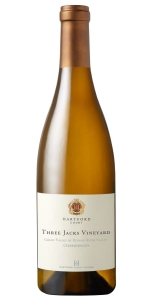
Hartford Court Three Jacks Chardonnay is made from 100 percent Chardonnay.
The Three Jacks Vineyard Chardonnay exhibits aromas of lemon curd, orange marmalade, and brioche, with juicy flavors of pear, candied citrus peel, chamomile, and a rich, mineral-driven texture. The wine is full-bodied, weighty, and rich yet remarkably agile on its feet because of firm underlying acidity.
The 2019 Chardonnay Three Jacks Vineyard, from vines planted in 1995, was barrel fermented and matured in 31% new French oak for 14 months. It's one of the best iterations I've tasted, combining expansive flavor and texture with precise, laser-like acidity. It offers delicate, pure scents of apricot, dried tarragon, white pepper and citrus blossoms with a stony undercurrent. The medium-bodied palate has dynamic energy from its oily texture and shimmery acidity, and it finishes with tense, mineral-driven flavors. It has much more to give as it unfurls in bottle and will be long lived in the cellar.
- Robert Parker's Wine Advocate 95 Points
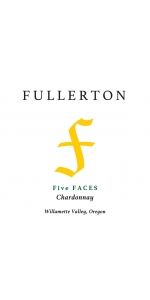
Fullerton Five Faces Chardonnay is made from 100 percent Chardonnay.
Five FACES is an acronym for the Fullerton family – Filip, Alex, Caroline, Eric, and Susanne. The wines blend fruit from multiple vineyards in Willamette Valley, mainly in the north of the valley with one to the west in the Van Duzer Corridor. A full representation of the Willamee Valley’s soil types is on display with one volcanic vineyard, two loess (windblown) vineyards, and two sedimentary vineyards. The vineyards range in elevation from 550-700 feet.
Honeydew melon, japanese pear, apricot, honeysuckle, apple-blossom, nutmeg, brioche, and lemon curd. Melon is echoed on the palate with notes of lemon, tangerine, toasted almonds, and fennel. Lovely and integrated acidity balances the palate weight from 17 months on the lees.
17 months in 10% new French Oak
Paris with creamy dishes and cheeses. Chicken and Turkey.
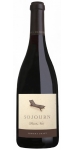
Gap's Crown Vineyard has become one of the most iconic Pinot noir vineyards in the Sonoma Coast. It was originally developed by Premier Pacific Vineyards between 2002 and 2005 and later purchased by Price Family Vineyards in 2013. In 2007, Sojourn Cellars became one of the best to make a vineyard-designate wine from Gap's Crown. Our clone 115 block, planted in 2005 on 3309 root stock at 800 feet elevation, has been the foundation for Sojourn since we began making Pinot noir from this vineyard. Our clone 828 block was planted in 2002 on 420A root stock, and two clone 667 blocks round out the blend, both planted in 2004 on 3309 root stock. This hillside vineyard is situated on the western slope of Sonoma Mountain and is cooled by the persistent wind and fog of the Petaluma Gap.
WINEMAKER NOTES: The 2021 growing season offered optimal conditions in the Sonoma Coast to harvest grapes of exceptional quality. The air remained clear with no res in Sonoma and pandemic lock downs ended. Our spirits were lifted and the grape harvest and wine quality benefited. . Brief heat waves in August and September ripened the grapes to ideal maturity as the weather stayed dry until major rains arrived October 22, after our grapes were harvested. Yields were lower than average in 2021, with small berries and loose clusters creating wines of increased depth and concentration. In 2021 we blended destemmed clone 115 and clone 667, while fermenting all the clone 828 100% whole-cluster. The resulting wine, our 15th vintage of Pinot noir from Gap’s Crown Vineyard, offers complex layers of elegant fruit flavors with a bold strength at its core.
Review:
Like a majority of the Sojourn 2021 Pinot Noirs, the Gap’s Crown is also aged in 50% new French oak but sees approximately 15% whole cluster during fermentation. This Pinot Noir is always one of my favorites coming out of the Sonoma Coast, and the Sojourn 2021 is another beautiful example. A shimmering ruby-garnet core with a blueish rim in the glass, it assembles bountiful notes of dark cherry compote, fresh black raspberry, spiced blue plum skin, brown mushroom, salty sea breeze, liquid chocolate, and hints of dried lemongrass. Complex, engaging, and downright delicious, this should be a wine that everyone should seek out to try. 1025 cases were produced. Better in 2023 and then enjoy for the next 12–15 years. Highly recommended and editor’s choice.
- International Wine Report 97 Points
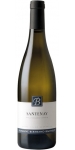
Bachelet Bertrand Santenay Blanc is made from 100 percent Chardonnay.
The Santenay Blanc comes from a parcel that is 1.2 hectares in size (3 acres) in the village called 'En Charron', at around 300 meters above sea level, with excellent sunshine and thin limestone soil, guaranteeing great aromatic finesse.
The wine shows a beautiful golden color, a fresh and slightly roasted nose combining lemon and lime aromas with a hint of vanilla. On the palate, almond and toasted hazelnut flavors, along with notes of white flowers and vanilla nuances.



