" We don't sell the wine without touching the vine "
| Country: | France |
| Region: | Burgundy |
| Winery: | Pernot Belicard |
| Grape Type: | Chardonnay |
| Organic: | Yes |
| Vintage: | 2022 |
| Bottle Size: | 750 ml |
Bertrand Bachelet Chassagne Montrachet Premier Cru Morgeot is made from 100 percent Chardonnay.
The Chassagne-Montrachet appellation is located in the southern part of the Côte de Beaune and produces mainly white wines.
'Morgeot' is located in the south of the village, characterized by compact limestone soil containing iron oxide, which gives the soil its particular red-brown color.
The wine offers a golden color, a subtle nose of white flowers and honey notes. Full-bodied and well-structured on the palate.
The softness of the Chardonnay on the palate makes an interesting pairing with cooked foie gras; it also sits well with lobster, spiny lobster, or even morel mushroom dumplings or Bresse chicken in a cream sauce.
Bertrand Bachelet Maranges Rouge 1er Cru Les Clos Roussots is made from 100 percent Pinot Noir.
The Maranges appellation is the youngest of the Côte de Beaune family, making its debut in May 1989. It spans three villages: Dezize-lès-Maranges, Cheilly-les-Maranges and Sampigny-les-Maranges. Several hills and slopes make up the appellation; they face south/south-east, at an altitude of between 200 and 400 meters. This appellation produces mainly red wines comprising 95% of total production.
The Maranges 1ers Crus are spread over seven distinct terroirs: "Les Clos Roussots", which represents the second largest terroir of the appellation, spans the Cheilly-les-Maranges and Sampigny-les-Maranges areas.
The wine boasts a beautiful bright red color. The nose provides subtle harmony between red and black fruits, spices and vanilla. On the palate, this wine is both solid and fresh, harmonious and bold.
Enjoy with a veal roast and sweet potatoes or matured cheeses.
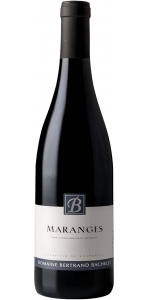
Bertrand Bachelet Maranges Rouge is made from 100 percent Pinot Noir.
The Maranges appellation is the youngest of the Côte de Beaune family, making its debut in May 1989. It spans three villages, namely Dezize-lès-Maranges, Cheilly-les-Maranges and Sampigny-les-Maranges. Several hills and slopes make up this appellation, all south/south-east-facing, at an altitude of between 200 and 400 metres. The Maranges 1ers Crus are spread over seven distinct villages.
'La Fussière' is the main village of the Maranges appellation and is located in the Cheilly and Dezize-les-Maranges areas.
When young, ideal with meat such as a rib of beef or filet mignon; when aged, it pairs wonderfully with dishes in spicy sauces.
-150x300.jpg "Bachelet Bertrand Maranges Blanc Premier Cru Fussiere 2023")
Bertrand Bachelet Maranges Blanc 1er Cru La Fussiere is made from 100 percent Chardonnay.
The Maranges appellation is the youngest of the Côte de Beaune family, making its debut in May 1989. It spans three villages, namely Dezize-lès-Maranges, Cheilly-les-Maranges and Sampigny-les-Maranges. Several hills and slopes make up this appellation, all south/south-east-facing, at an altitude of between 200 and 400 metres. The Maranges 1ers Crus are spread over seven distinct villages.
'La Fussière' is the main village of the Maranges appellation and is located in the Cheilly and Dezize-les-Maranges areas.
This wine has a pale gold robe, with plenty of sparkle. At first, the nose evokes notes of white flowers, like acacias, then the second nose delivers a flinty, slightly buttery aspect. Plenty of versatility and subtlety on the palate, with floral notes.
A good accompaniment to a cold starter or fish. Try with a slightly sharp hard cheese, such as Cantal or Gouda, to draw out its natural vivacity.
Bertrand Bachelet Maranges Rouge 1er Cru Les Clos Roussots is made from 100 percent Pinot Noir.
The Maranges appellation is the youngest of the Côte de Beaune family, making its debut in May 1989. It spans three villages: Dezize-lès-Maranges, Cheilly-les-Maranges and Sampigny-les-Maranges. Several hills and slopes make up the appellation; they face south/south-east, at an altitude of between 200 and 400 meters. This appellation produces mainly red wines comprising 95% of total production.
The Maranges 1ers Crus are spread over seven distinct terroirs: "Les Clos Roussots", which represents the second largest terroir of the appellation, spans the Cheilly-les-Maranges and Sampigny-les-Maranges areas.
The wine boasts a beautiful bright red color. The nose provides subtle harmony between red and black fruits, spices and vanilla. On the palate, this wine is both solid and fresh, harmonious and bold.
Enjoy with a veal roast and sweet potatoes or matured cheeses.
Bertrand Bachelet Maranges Rouge is made from 100 percent Pinot Noir.
The Maranges appellation is the youngest of the Côte de Beaune family, making its debut in May 1989. It spans three villages, namely Dezize-lès-Maranges, Cheilly-les-Maranges and Sampigny-les-Maranges. Several hills and slopes make up this appellation, all south/south-east-facing, at an altitude of between 200 and 400 metres. The Maranges 1ers Crus are spread over seven distinct villages.
'La Fussière' is the main village of the Maranges appellation and is located in the Cheilly and Dezize-les-Maranges areas.
When young, ideal with meat such as a rib of beef or filet mignon; when aged, it pairs wonderfully with dishes in spicy sauces.
Bertrand Bachelet Chassagne Montrachet Premier Cru Morgeot is made from 100 percent Chardonnay.
The Chassagne-Montrachet appellation is located in the southern part of the Côte de Beaune and produces mainly white wines.
'Morgeot' is located in the south of the village, characterized by compact limestone soil containing iron oxide, which gives the soil its particular red-brown color.
The wine offers a golden color, a subtle nose of white flowers and honey notes. Full-bodied and well-structured on the palate.
The softness of the Chardonnay on the palate makes an interesting pairing with cooked foie gras; it also sits well with lobster, spiny lobster, or even morel mushroom dumplings or Bresse chicken in a cream sauce.
This small six-hectare domaine located in the heart of Puligny-Montrachet is making rapid strides. Philippe Pernot (a scion of the Paul Pernot dynasty) launched the Pernot-Belicard label in 2009 after marrying Miss Belicard, daughter of Mr Belicard (who owned vineyards in Puligny-Montrachet). In the vineyards, Philippe cultivates the soils, de-buds aggressively and takes pains to retain his old vines in good health. The grapes are harvested by hand, with Philippe typically among the earlier pickers in the village. Since 2014, there's more sorting, the grapes passing over a shaker table before being whole cluster pressed. Initially, the wines were bottled to make room for the new vintage, but Philippe, evidently an inquiring mind, felt that something was missing: now, the wines stay in barrel until August, but spend an additional three to six months in temperature controlled stainless steel tanks with the fine lees. The result are wines that are more integrated and complete. These are already very good wines, and Philippe possesses some enviable parcels, but it is his desire to refine and improve that marks this out as an estate to watch.
Bavencoff Meursault Blanc is made from 100 percent Chardonnay.
Clear golden and green robe. Meursault shows a green golden color, leaning towards bronze as it ages. Limpid and brilliant, it exhibits silver highlights. The young wine is redolent of toasted almonds and hazelnuts in a floral and mineral (flint) setting. Butter, honey, and citrus fruits are also present. On the palate it is rich and ample with a nice balance between freshness and smooth nutty flavors. .
Aged in French oak barrels (50% new).
Noble and fine-textured fish or meat, blue cheeses and foie gras.
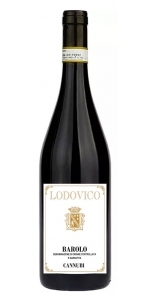
Lodovico Barolo Cannubi is made from 100% Nebbiolo.
With a ruby-red color, the Barolo Cannubi has a rich bouquet which gradually recalls the scents of roses flowers, truffles and wood spice. The palate is at first elegant and refined, then is begins to gain in complexity with a little breathing or decanting.
Vine: Nebbiolo, sub-variety Lampia and Michet
Grapes provenance: Cannubi Boschis vineyard in the village of Barolo
Soil: composed mainly of large clayey limestone marls and sands
Vineyards: South-est facing with Guyot pruning (6-8 buds / vine)
N° Vines / hectare: 5000
Yield / hectare: 50-55 q / Ha
Plant year: 1970
Size of the vineyard: 1.3 hectare (3.21 acres) in the family since 1996 out of 40 hectares (98.8 acres) total for Cannubi.
Average height: 250-260 mt
Nebbiolo is a native black grape variety of Piedmont that gives birth also Barolo and Barbaresco. The name ‘Nebbiolo’ derives from the word ‘fog’ and there could be two reasons. The first hypothesis traces the name of Nebbiolo back to the obscured, almost clouded appearance of the grape, covered with abundant bloom. The second hypothesis, more suggestive, is linked to the very late ripening of the grapes: the Nebbiolo grape harvest often takes place in late October, when the vineyards are enveloped in morning mists.
Pairs with aged cheeses, red meat, rich/earthy dishes, truffle risotto, pasta with sausages and mushrooms. Braised or roasted meats.
Since the founding in 1978, Quilceda Creek has dedicated itself to one thing: producing world-class Cabernet Sauvignon. Director of Winemaking Paul Golitzin believes that the winery’s greatest assets are the vineyards of the Columbia Valley. Through vineyard ownership and control, and through precision farming, they are able to grow and produce the highest caliber Cabernet Sauvignon. In award of their relentless pursuit of producing perfect Cabernet Sauvignon, Quilceda Creek has received seven 100 Point ratings from Wine Advocate, three 100 Point ratings from Owen Bargreen, two 100 Point ratings from Decanter and three Top Ten Wines of the Year from Wine Spectator.
The 2021 Quilceda Creek Cabernet Sauvignon is a wine for the ages. Potent aromas jump out of the glass, showing framboise candy, black tea, and a strong classic note of sandalwood. Savory cumin, sage, and garrigue round out this powerful nose. The palate is sweet and velvety, leading to an amazing crescendo of power and refinement.
Review:
The flagship 2021 Cabernet Sauvignon Columbia Valley is 100% Cabernet Sauvignon (90% from Champoux Vineyard and 10% from Mach One Vineyard) raised all in new barrels. It's slightly deeper hued than the CVR and has a stunning nose of blackcurrants, smoked tobacco, toasted spices, and graphite with a beautiful varietal, herbal undertone that comes through with time in the glass. Deep, rich, full-bodied, and velvety textured, this thrilling Washington State Cabernet Sauvignon will benefit from 4-5 years of bottle age and evolve for two decades. This is unquestionably up with the greatest vintages of this cuvée ever made.
-Jeb Dunnuck 100 Points
The 2021 Columbia Valley Cabernet Sauvignon from Quilceda Creek is once again another monumental release. It begins to impress with its striking perfumed aromas of ripe blackberries and dark currants, which are joined together with crushed violets, graphite, tobacco, and hints of licorice all developing in the glass. On the palate this possesses a gorgeous full body that is impeccably structured with beautifully polished tannins that result in an utterly seamless texture. This continues to impress with its excellent balance and concentration combined with remarkable overall power and finesse. There is a lovely touch of underlying acidity that ties it all together and provides a wonderful sense of freshness that carries it into the lavish finish. While this is already stunning in its youth, it is ultimately an age worthy wine which will go on to evolve for decades. Quilceda Creek sets the benchmark for Cabernet Sauvignon in Washington, and this is a clear example of why they have earned that reputation.
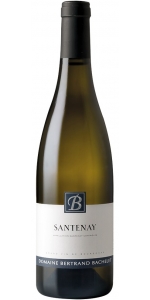
Bachelet Bertrand Santenay Blanc is made from 100 percent Chardonnay.
Tasting Notes:
The Santenay Blanc comes from a parcel that is 1.2 hectares in size (3 acres) in the village called “En Charron”, at around 300 meters above sea level, with excellent sunshine and thin limestone soil, guaranteeing great aromatic finesse.
The wine shows a beautiful golden color, a fresh and slightly roasted nose combining lemon and lime aromas with a hint of vanilla. On the palate, almond and toasted hazelnut flavors, along with notes of white flowers and vanilla nuances.
Guillemot-Michel Vire-Clesse Charleston is made from 100 percent Chardonnay.
This cuvée is produced from hundred-year old vines that the great-grandfather planted after he returned from World War I. The family wanted to honor his memory and vinify these vines the same way he did, in old demi-muids.
Charleston is a deep and complex wine that gently express itself in the glass, offering juicy white fruit flavors and a lengthy finish.
Charleston is vinified and aged for one year in demi-muids of over 10 years old. During the following harvest, the wine is racked and placed in vats for another 6 months of aging before bottling.
Fish in white sauce, poultry in creamy sauce, hard cheeses.
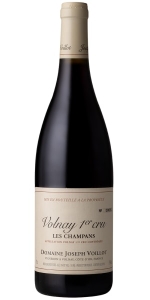
The 2021 Domaine Joseph Voillot Volnay Les Champans Premier Cru is from the domain’s largest premier cru holding, 4.2 acres whose vines date from 1934, 1971, and 1985. Champans is down-slope in the premier cru band, and its wine typically has more fruit and power than other Voillot Volnays.
Review:
‘The 2021 Volnay Les Champans Ter Cru has much more brightness and delineation than the Fremiets this year, with red cherries, wild strawberries and ust a touch of iodine and sous-bois. This is nicely focused. The palate is medium-bodied with sappy red fruit, fine structure, pliant tannins and a harmonious finish. Not the most complex Champans encountered from this address, yet it has class.
-Vinous 91-93 Points
The 2021 les Champans is also a simply stunning example of this fine premier cru vineyard. The beautifully elegant nose wafts from the glass in a blend of red and black plums, cherries, spit-roasted quail, a complex base of soil, woodsmoke, coffee bean and a deft touch of vanillin oak. On the palate the wine is pure, full-bodied and shows off superb depth at the core, great soil signature, ripe, fine-grained tannins and a long, nascently complex and very promising finish. This is a touch more reserved on the palate than the Fremiets and will take a bit longer to blossom, but it is going to be stellar. 2034-2085.
93+ pts- John Gilman, View from the Cellar #102
'Ma Belle-Fille' was named by Sir Peter as a warm tribute to Emily Michael, his "Daughter-in-Law", and mother of the third generation of the family. Planted at the highest elevation on the estate, the marine influence on Ma Belle-Fille vineyard is greater, resulting in cooler daily temperatures in the summer and autumn months. Situated above the summer fog ceiling and exposed to the southeast, the vineyard receives the very first rays of sunshine each morning and remains sunny all day long. This full exposure, combined with cooler temperatures, causes the fruit to mature earlier than the rest of our estate.
Vintage Notes
The combination of a wet winter with significant rains in December through March and cool weather delayed budbreak nearly a month. Flowering and fruit set were also pushed back and the weather during the later flowering was favorable resulting in decent fruit set and slightly above average yields for the Chardonnay vineyards—a marked improvement over the record-low yielding 2022 vintage. The growing season was temperate without major heat spikes allowing the berries to hold onto their acidity which carried through into the wines. Harvest was almost a month later than normal with the last Belle Cote block coming in on November 2nd.
At the highest elevation on the estate, the marine influence on Ma Belle-Fille is greater, resulting in cooler daily temperatures in the summer and autumn months. Situated far above the summer fog ceiling and exposed to the southeast, the vineyard receives the very first rays of sunshine each morning and remains sunny all day long. This full exposure, combined with cooler temperatures, causes the fruit to mature earlier than the rest of our estate.
Beautifully perfumed with layers of honeysuckle, jasmine and dried orange peel accented by apricot, vanilla cream and spring flower notes, the 2023 ‘Ma Belle-Fille’ delivers with a rich, creamy entry and generous, structured mid-palate showing great drive and intensity with a long, mouth-watering finish. A truly special wine from an extraordinary vintage.
Review:
So delicious and drinkable from the first whiff to the lingering finish. An uber-chardonnay that packs in all the richness of fruit and smooth spiciness of oak fermentation, with vibrant acidity and a silky texture. Well balanced in a cool, ideal vintage and a great candidate for aging longer term. Drinkable now and best from 2030.
James Suckling 99 Points