
" We don't sell the wine without touching the vine "
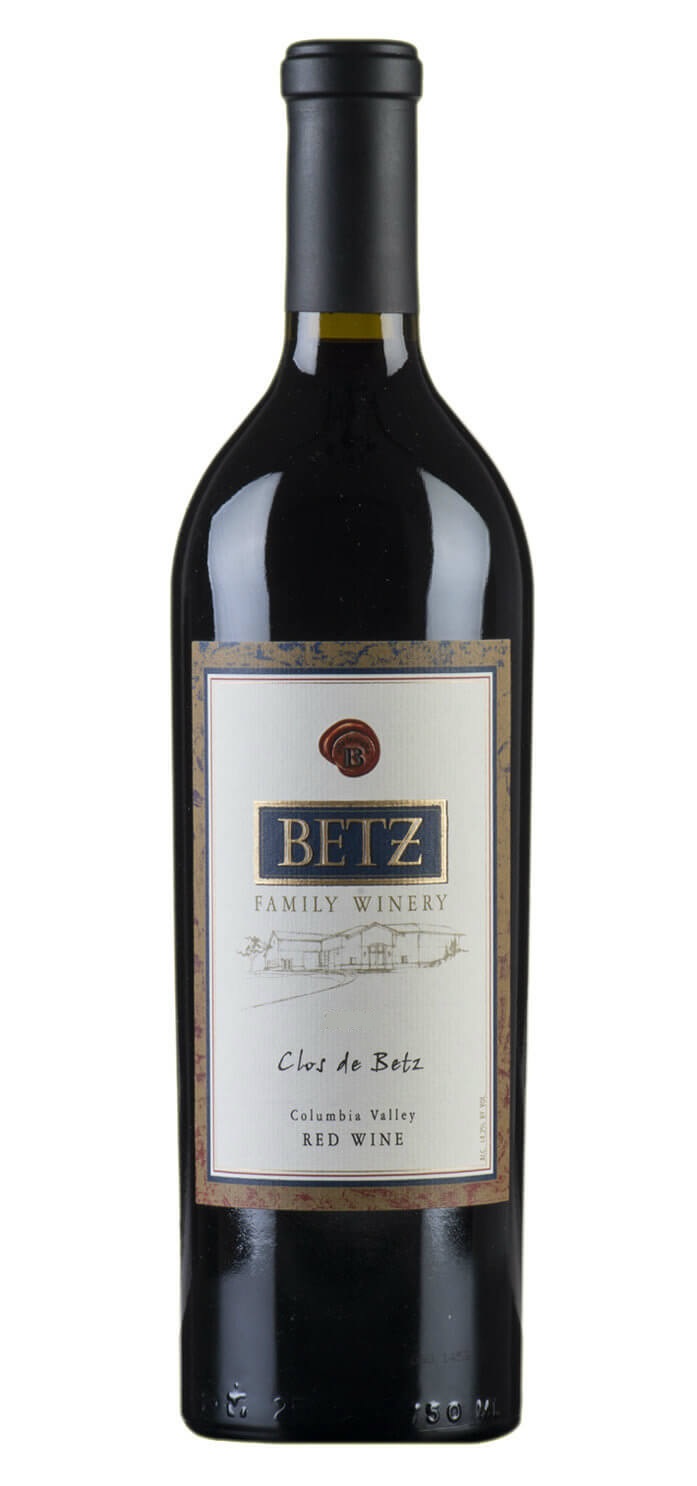
| Country: | United States |
| Regions: | Washington Washington (Columbia Valley) |
| Winery: | Betz Family Wines |
| Grape Type: | Merlot |
| Vintage: | 2015 |
| Bottle Size: | 750 ml |
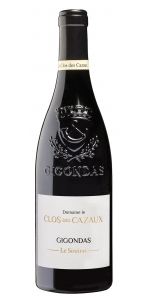
Clos des Cazaux Gigondas Le Souiras is 100% Grenache.
“Le Souiras” is the terroir located at the very South end of the Gigondas appellation. Here, in the midst of the Dentelles de Montmirail, an extraordinary calcareous massif, we planted grapevines on slopes surrounded by Mediterranean vegetation.
We are situated at an altitude of 250 meters, where the nights are cooler. The terroir is stony with a layer of grey and blue clay under the topsoil. The slopes face West and are protected from the strong summer sun by the Montmirail hill. Due to this ideal microclimate, our old Grenache grapevines contain all the complexity and balance of this sunny terroir.
Color : Dark intense ruby color.
Bouquet : Notes of little red fruits, white pepper, caramel and juniper.
Palate : The first impression is arresting and generally qualified as round, complex and dense.
The aromas of black cherry, mocha and white pepper are very intense. The palate is powerful, elegant and velvety.
The finish is long, with very silky tannins and a very slight bitterness that gives this exceptional Grenache an impression of freshness.
Review:
"A brilliant wine that has so much to love, the 2022 Gigondas Le Souiras is all Grenache that was brought up in barrels. It exhibits a vivid ruby hue as well as classic kirsch and blackberry fruit intermixed with peppery garrigue, spice, and ample Provençal nuances. This medium-bodied, fresh, focused 2022 has a beautiful sense of elegance, fine tannins, and the balance to evolve gracefully over the coming 10-12 years."
- Jeb Dunnuck (December 5th 2024), 94 pts
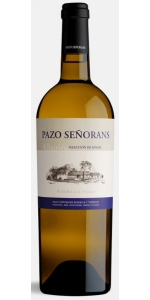
Pazo de Senorans Seleccion de Anada Albarino is made from 100 percent Albarino.
Straw yellow with greenish tints, vivid and brilliant. High intensity and very expressive. Profusion of aromas with traces of mineral. Great volume and ample body leaving a lasting impression from beginning to end.
Reviews:
The 2015 Albariño Selección de Añada is nothing short of phenomenal. For some reason, I hadn't tasted the young 2015 Albariño at the time it was released. It comes from the Los Bancales vineyard planted some 50 years ago and fermented with indigenous yeasts but without malolactic fermentation. It has a bright, almost fluorescent color and a complex, subtle and nuanced, elegant and expressive nose, with notes of sea shells and sea breeze, grass and white flowers. It's very clean, and the palate shows great balance and even feels a bit young. It has remarkable acidity and freshness (seven grams of tartaric acid) with good ripeness and 13% alcohol. This matured in tank with lees for over 30 months and was bottled in June 2024. It feels more serious and less exotic than earlier vintages. 18,000 bottles produced. This is the finest vintage that I can remember. Bravo!
-Wine Advocate 97 Points
Tech:
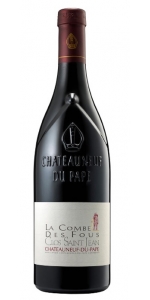
Clos Saint-Jean is a 41-hectare estate in Châteauneuf-du-Pape run by brothers Vincent and Pascal Maurel. Considered by many critics and wine-writers as the preeminent estate espousing the modern style of winemaking in Châteauneuf, this cellar is one of the oldest in the region, having been founded in 1900 by the greatgreat-grandfather of Vincent and Pascal, Edmund Tacussel. A short time after its founding and well before the AOP of Chateauneuf-du-Pape was created in 1923, Edmund began bottling estate wines in 1910.
The farming at Clos Saint-Jean is fully sustainable due to the warm and dry climate, which prevents the need for chemical inputs. Instead, Vincent and Pascal employ organic methods for pest control, mainly pheromones, to prevent pests from taking up residence in their vines, a process called amusingly enough in French, confusion sexuelle. The vines tended manually, and harvest is conducted in several passes entirely by hand.
Combe des Fous literally means, the hill of the fool. The hill, in this case, is located in the far southern reach of Le Crau which was left barren for many centuries because the layer of galets was so exceedingly deep that everyone assumed vines could never survive there. The fool in this situation is Edmund Tacussel, the great-great-grandfather of Vincent and Pascal Maruel who planted a Grenache vineyard on this site in 1905. That old-vine Grenache form the heart of this cuvée with a small amount of Syrah, Cinsault and Vaccarèse. La Combe des Fous is only made in the best vintages.
Review:
This has good concentration and energy to the dense core of dark fruit and bitter cherry, with great poise and elegance despite its ripeness (an impressive feat for the vintage). Guided by finely crushed mineral accents and tannins, this reveals pretty high-toned floral notes and leafy tobacco. Grenache, Syrah, Mourvedre, Cinsault, Vaccarese and Muscardin. Drink now through 2032. 900 cases made.
-Wine Spectator 95 Points
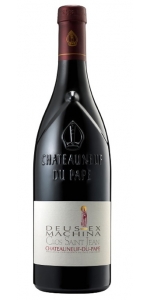
Clos Saint-Jean is a 41-hectare estate in Châteauneuf-du-Pape run by brothers Vincent and Pascal Maurel. Considered by many critics and wine-writers as the preeminent estate espousing the modern style of winemaking in Châteauneuf, this cellar is one of the oldest in the region, having been founded in 1900 by the greatgreat-grandfather of Vincent and Pascal, Edmund Tacussel. A short time after its founding and well before the AOP of Chateauneuf-du-Pape was created in 1923, Edmund began bottling estate wines in 1910.
The farming at Clos Saint-Jean is fully sustainable due to the warm and dry climate, which prevents the need for chemical inputs. Instead, Vincent and Pascal employ organic methods for pest control, mainly pheromones, to prevent pests from taking up residence in their vines, a process called amusingly enough in French, confusion sexuelle. The vines tended manually, and harvest is conducted in several passes entirely by hand.
Deus ex Machina is a literary and dramatic term for a miraculous intervention that interrupts a logical course of events in a plot or play. A suitable name for a cuvée that had it’s start in the torrid vintage of 2003 when Philippe Cambie and Vincent Maurel made the decision to harvest at the end of September, weeks after their neighbors. Deus ex Machina is a blend of old vine Grenache from La Crau, aged in tank with equally ancient Mourvedre from the sandy soils of BoisDauphin aged in demi-muid. Deus ex Machina is only made in the best vintages.
Review:
Lastly, the 2022 Châteauneuf Du Pape Deus-Ex Machina shows a similar profile to the Combes des Fous, yet it brings another level of tannins and concentration. Kirsch liqueur, white flowers, sandalwood, cured meats, and graphite notes all shine here, and it's full-bodied, has a deep, layered, powerful, yet weightless profile, lots of ripe tannins, and a blockbuster of a finish. This ripe, sexy, seamless, incredibly impressive beauty will compete with anything in the vintage. As usual, this cuvée is 60% Grenache and 40% Mourvedre, which is brought up in roughly 40% new demi-muids.
Review: Jeb Dunnuck 97 Points
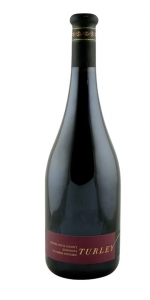
After working with the fruit for over a decade, Turkey is proud to present the first single-vineyard bottling for Turley from the Del Barba Vineyard. Contra Costa is a delta where the San Joaquin and Sacramento rivers meet, and these head-trained vines are planted in deep dehli blow sand, made up of decomposed granite coming down from the Sierra Mountains. The resulting wine embodies the best the delta has to offer: silken textures, ultra fine tannin, and dark saline fruits.
Review:
"The 2023 Zinfandel del Barba is ripe, boisterous and super-expressive. Floral overtones and bright acids run through a core of red/purplish fruit. Sandy soils confer lovely aromatic presence to this pure Zinfandel. This is an especially accessible offering from Turley."
-Vinous 91-93 Points
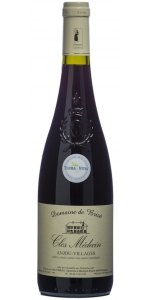
Brize Clos Medecin Anjou Villages Rouge is made from 60% Cabernet Franc and 40% Cabernet Sauvignon.
This is the flagship of the Estate. Clos Medecin has been produced at the estate for 90 years. All the grapes for this wine come from a very special parcel. The wine offers red fruit aromas. It is fresh, round and ample in the mouth.
Betz Family Clos de Betz is 67 % Merlot, 27% Cabernet Sauvignon, 6% Petit Verdot
Review:
The 2015 Clos de Betz is a blend of 75% Merlot, 15% Cabernet Sauvignon and 10% Petit Verdot. Offering up aromas of blackcurrants, crème de cassis, licorice, incense and rich soil tones, it's full-bodied, layered and velvety, with super concentration and depth, fine-grained structuring tannins and a long, youthfully chewy finish. The structural refinement and detail are indicative of Betz's thoughtful approach to the challenges of the 2015 vintage.
-Wine Advocate 95 Points
Since our first vintage in 1997 we’ve had a single minded goal of crafting compelling wines with individual character that are approachable and ageworthy, and which showcase Washington as a distinguished wine region of the world.
By carving out specific vineyard blocks and being meticulous in the vineyard and cellar we are able to achieve the quality we aspire to.
As importantly over the years our winery culture has become a way of life in which everyone – our growers, winery team and customers are family.
Today, Betz family Winery is headed by our two families, both committed to be true to our heritage, our family members, and true to what Betz winery embodies: wines of dimension and pleasure, wines that allow the character of Washington to shine through. They are a blend of the best elements of the new and the old worlds; full ripe fruit and yet structured for longevity.
We believe our best wines are yet to come.
Our Values
Washington’s Columbia Valley is one of the world’s blessed sites to grow classic wine grapes.
Avennia Sestina Cabernet Sauvignon is made from 77% Cabernet Sauvignon, 17% Merlot, 6% Cabernet Franc.
The story of this wine - The Sestina is an ancient form of poetry from Medieval France. Just as a modern poet can fill this form with new expressions, Avennia uses the traditional Bordeaux blend to express Washington. Sestina is their vision for an old vine, complex blend where all of the components complement each other. This wine is designed for the cellar, so the emphasis is on structure, balance, and complexity.
Winemaker Tasting Notes - “Good deep ruby/garnet color, with aromas of black cherry, fresh black currant, dark mocha, cigar box, and graphite. The palate is lively and dense with mountain berries, mocha, vanilla honey, damp earth, and wildflowers. The finish shows a distinct chalky minerality and beautiful tension. This is a classically balanced and ageworthy Sestina. Drink 2025-2040.” - Chris Peterson, Winemaker
Review:
"The Cabernet Sauvignon-dominated release from Peterson, the 2017 Sestina comes from the Red Willow, Bacchus, and Dionysus vineyards. Rocking levels of crème de cassis, sappy herbs, violets, and cedar pencil all flow to a full-bodied, incredibly pure, polished 2017 that offers flawless balance, ripe tannins, and a great, great finish. It's more approachable than normal yet is still going to evolve for 15 to 20 years. The blend is 77% Cabernet Sauvignon, 17% Merlot, and the rest Cabernet Franc, all raised 20 months in 50% new French oak."
- Jeb Dunnuck (April 2020), 95 pts
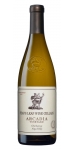
This ARCADIA VINEYARD Chardonnay offers inviting aromas of honeydew melon, peach pie, baked squash, brioche, lemongrass and honeycomb. These aromas are very fragrant and layered with just a touch of oak. The wine has a bright and flavorful entrance with flavors of Kiwi fruit, brioche, and a pleasing mineral note on the finish. Enjoy this wine with grilled fish or shrimp with capers and lemons, seared scallops drizzled with lemon-infused olive oil, or roast chicken with fennel and sage.
Review:
This beautiful wine stays with you beyond the palate. Deliciously balanced and bright, it holds its weight well, revealing rich, complex layers of green apple, pear and Meyer lemon with notes of baking spice, oak and crème brûlée. Virginie Boone
-Wine Enthusiast 95 Points



