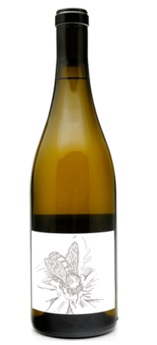
| Country: | United States |
| Region: | Oregon (Willamette) |
| Winery: | Big Table Farm Winery |
| Grape Type: | Chardonnay |
| Organic: | Yes |
| Vintage: | 2015 |
| Bottle Size: | 750 ml |
This chardonnay has a characteristic pale yellow color with a shade of gold and subtle nose that will remind you the fresh butter nuts and roasted almonds. On the palate, it is full bodied and fruity with a pleasant roundness.
Average age of the vines is 25 years old.
We produce a part of this cuvee with 12 hours skin maceration and another part from directly pressed grapes.
Wine was slightly filtered before bottling to insure the wine remains stable.
Best friend as an aperitive or with freshwater fish, shellfish and goat cheeses.
Ancien Chardonnay Carneros is made from 100 percent Chardonnay.
Chardonnay Carneros owes its style, depth, and structure to intensely flavored, low yielding, heirloom clones growing in two Carneros vineyards: on the Napa side, the Toyon Farm and on the Sonoma side, the Sangiacomo Vella Ranch. Ancien Wines hand-selected the cuttings themselves, from older vineyards in the Carneros area. These cuttings are reputed to have origins tracing to Paul Masson who imported them from Burgundy in the early 1940’s, from Louis Latour's renowned Corton Charlemagne vineyard. These selections are often referred to as “Old Wente”or “Robert Young,”denoting the sourced mother blocks in the 1960s.
Notes of ripe apple and honeydew melon greet and are delicately perfumed by notes of freesia and citrus blossom. Brighter notes of lime and Meyer lemon match the refreshing acidity of this wine, balanced by a creamy palate and leading to a finish that will continue to lengthen in the coming months. A wonderfully textured and vibrant Chardonnay displaying the best of Carneros.
Chardonnay Carneros is guided toward a layered, complex, and expressive style that develops gracefully in the bottle and shows enticing minerality, vivacious fruit, length and structure. The watchword is balance. Grapes were pressed as whole clusters, settled and fermented entirely in French oak from four different coopers, chosen for their unique synergism and support of the fruit on the palate. One third of the barrels were new. A variety of yeasts were used, including native strains, and fermentation proceeded evenly and slowly, averaging a cool 55°F. The wine was aged on its yeast lees, which were stirred weekly through the spring.
Bavencoff Bourgogne Blanc is made from 100 percent Chardonnay.
This Bourgogne Chardonnay is fresh and bright. The aromas are expressive with Honeysuckle, Broom and Mushroom. A nice balance between the acidity and the fruitiness, complementing the minerality. It will drink well during its youth but will gain some extra aromatic complexity after a few month in the cellar.
Very pleasant as an aperitif. Our Bourgogne Chardonnay also goes very well with cold meats, fish, grilled and marinated vegetables as well as goat cheese.
Wine was slightly filtered before bottling.
100% Malolactic fermentation done.
Aged 14 months. 80%of the wine was aged in Stainless steel tanks with 20% was aged in French Oak barriques (228 liter barrels).
Review:
Wine Enthusiast (April 2025), 90 pts
Blending Detail:
Grenache speaks loudly in the Bésoleil with notes of pomegranate, red raspberry, and strawberry leaf. The Counoise and Cinsualt bring bing cherry fruit and blueberry notes to the table, complicated by pepper and garrique. Mourvedre donates a wild meatiness to the blend, and a purple hue. Syrah rounds things out, adding texture, and flesh to the palate.
Review:
The first vintage where they’ve pushed the bottling back to give the cuvee 16-18 months in barrel, the 2015 Besoleil is a dead ringer for a high-quality Chateauneuf du Pape and offers perfumed notes of herbes de Provence, kirsch, licorice and sweet spice. It’s medium to full-bodied, textured and fruit-forward, with a hedonistic yet elegant profile that’s going to evolve gracefully.
Robert Parker 91-93 Points
Bydand Chardonnay Sonoma Coast is made from 100% Chardonnay
Aged for 16 months in 30% new French oak, 70% neutral French oak
Farmed by one of California’s most respected and longest operating grape-growing families, the Roberts Road Vineyard is located in the Petaluma Gap. Sitting on well draining gravel soils, coastal winds allow for a long, slow and even growing season. Planted in 1998 these Dijon 95 grapes provide minerality and vibrancy to a full-bodied wine with impressive purity of flavor and mouth-feel. French oak barrels add subtle toast to aromas of pear, stone fruits and white citrus.
Collier Creek Big Rooster Cabernet Sauvignon is made from 90% Cabernet Sauvignon and 10% Teroldego.
Nestled in the heart of the Lodi Appellation, where farmland ran as far as the eye could see, Collier Creek is a place that reminds us of simpler times. With notes of dark fruit, vanilla and full bodied, we're cocky about how good this Cabernet is. The Big Rooster lands in dry and fruit forward on the finish.
RS: 4.3 g/L
TA: 6.8 g/L
Pair with red meat and stews, or hard cheeses like cheddar.
Barrel fermented in mixed age French oak producing a medium clear lemon color. This wine has a luminescent, straw color with a subtle sheen. Meyer lemon, white nectarine, baking spice, and salt water taffy on the nose. The palette offers up warm oak spice, sandalwood, and stone fruit.
With a lemon-butter-cream texture, this wine is lush yet still very bright and fresh. Lively acidity, with a custard type of roundness/richness, and the warm oak spice follows through on the pallet. Delicious balance between richness and freshness.
As with all our whites, this wine will reward you for cellaring.
Review:
Interesting aromas of dried lemons, grapefruit, mango and passion fruit. Medium to full body, polyphenolic and creamy texture and a crispy yet structured finish. I love the tension and layers of fruit. Drink now. -James Suckling 93 Points
In 2006 we moved to Oregon from Napa, where Brian had been making wine for ten years. We bought property in the Willamette Valley (about an hour outside of Portland).
This Oregon adventure is inspired by our desire to grow grapes, make wine, and to have the space for all of Clare’s animals and Brian’s wacky projects.
We named our farm and winery after our goal to provide a gracious and welcoming table for ourselves and friends, with a cornucopia of hand-crafted food and wine.
And now, almost ten years after we took the leap, we have developed this land into a working farm and built a barn and winery. We feel lucky to live here and we are still in awe and deeply grateful for the chance to build this dream and share it with you!
In 1996 Brian worked his first harvest. Having studied fermentation science at Davis, he took to the process of winemaking easily and loved it.
While working in Napa Valley, Brian learned from some of California's most esteemed winemakers and wineries - Turley Wine cellars, Neyers Vineyards, Blankiet Estate and Marcassin, just to name a few. Brian also spent a harvest working in Australia at Trevor Jones Fine Wines.
These varied experiences have contributed to Brian’s ability to optimize each vintage.
Raats MR Mvemve Raats de Compostella is made from 63% Cabernet Sauvignon, 17% Cabernet Franc, 12% Malbec, 6% Petit Verdot, 2% Merlot
The name de Compostella (meaning “field of stars” or “compilation of stars”) was chosen to reflect the fact that each component is crafted to stand alone as a world class varietal wine. The wine exhibits a deep, dark ruby color. Blackcurrant and black cherry fruit with hints of violets, cedar and cinnamon are revealed on the nose. The palate is rich and complex with mineral, blackberry fruit and dark chocolate on the finish. The five Bordeaux varietals harmoniously convene in this consistent, linear flavor profile that is polished with a well-defined finish.
Review:
he 2020 De Compostella is composed of 30% Cabernet Franc, 28% Cabernet Sauvignon, 21% Malbec, 16% Merlot and 5% Petit Verdot. Beginning with a focused, juicy and complex nose of dark red fruits, the wine has impeccable balance between oak, fruit and earthy floral tones. Full-bodied and with succulent acidity, the palette offers a firm frame of fine-grained tannins, while the fruit profile makes way for elegant earth and notes of crème de cassis sway with subtle flavors of sage and spiced plum. The red blend continues to somersault and reveal its complexities over the long-lingering and ever-evolving finish. Be patient with this exceptional wine
-Wine Advocate 95 Points
Crianza is the essential wine. Balance and integrity. It displays the fine manners of experience and the grace of plethoric vine. Juicy black fruit on the palate inviting you to eat well and feel good.
But there is more. Crianza maintains an invisible pact with the landscape. An imperceptible force that brings us closer to the truth of the place. And instantly turns extreme climate vineyards into the most welcoming place in the world.
Prepared with Tempranillo grapes (100%), this wine has a very bright, intense maraschino cherry colour that fades to a Cardinal red rim.
It has a very marked aroma with a good balance of fruit and wood, where tones of vanilla intermingle with well-ripened fruit, black berries and wild fruits. There are also noticeable hints of leather and liquorice, resulting from the mingling of the French oak and the aromas inherent in this variety of grape.
In the mouth, the wine has a smooth texture but fills the palate with balanced flavours, including fine tannins, which help extend the life of the wine. The finish and aftertaste are both long and elegant.
Vineyard:
Pago de los Capellanes, Pedrosa de Duero.
Variety composition:
100% Tempranillo.
Type of soil:
Clayey and chalky.
Aging:
12 months in barrel and remainder on rack.
Type of oak:
100% French oak, medium toast.
Serving:
Uncork and decant one hour before serving at a temperature of 16-18 ºC.
Selected harvest with yields limited to 5000 kg per hectare. The harvest begins in early October, starting with the most mature parcels. Once the grapes are brought into the winery, the tanks are seeded with indigenous yeast (start culture) and the alcoholic fermentation begins. During the barrelling period, which lasts 30 days, the wine is crushed and pumped over daily, all the while controlling the density, temperature and evolution of the yeast. At the end of this fermentation, the tanks are emptied and the wine taken for malolactic fermentation.
The malolactic fermentation begins without the addition of bacteria. The temperature is held steady at 20ºC for period of 22 days, during which we monitor the levels of malic and lactic acids. When the malic acid content is less than 0.1 grams per litre, the wine is decanted to separate the lees and is transferred directly to the barrels without undergoing any type of filtration, clarification or cold treatment.
The wine is aged for twelve months in new and semi-new French oak barrels (no more than three years old). At the end of this period, it is taken to the tank for homogenisation, where it undergoes light filtration through cartridges (open pore) and is then bottled.