
" We don't sell the wine without touching the vine "
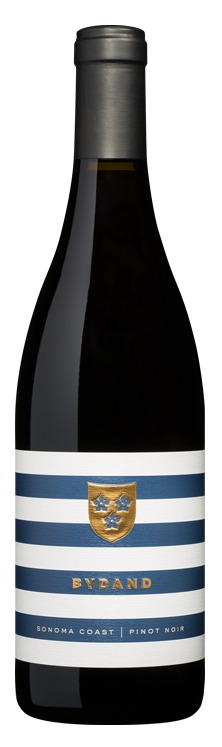
| Country: | United States |
| Regions: | California California (Sonoma County) |
| Winery: | Bydand |
| Grape Type: | Pinot Noir |
| Vintage: | 2016 |
| Bottle Size: | 750 ml |
Bydand Pinot Noir Umino Vineyard is made from 100 percent Pinot Noir.
This small, sustainably farmed vineyard perches on a south-facing ridge in the Sebastopol Hills area of the esteemed Russian River Valley AVA, and has produced exceptional Pinot Noir for Bydand since their first vintage. Third-generation farmer David Umino rejected early assessments that the site was too cool for viticulture, and planted Pinot Noir there in 1996. The cold maritime winds in fact help to modulate ripening, and protect the grape’s natural purity and balance - resulting in fruit-driven wines with expressive red fruit and dark berry flavors, balanced with crushed rock and mouth-watering freshness. Velvety tannins coat the palate, providing an alluring and persistent finish.
This site combines the best of the earthy west Sonoma Coast and well-fruited Russian River.

Cattail Creek Pinot Noir Sonoma Coast is made from 100 percent Pinot Noir.
The cool maritime influence of the Sonoma Coast appellation is on full display in this elegant Pinot Noir. Aromas of fresh cherry, raspberry, and violet give way to a silky, medium-bodied palate with layers of red fruit, subtle earthy notes, and gentle spice. The wine's bright natural acidity and fine-grained tannins create a beautifully balanced structure, making it a versatile companion at the table. Enjoy now or cellar for 3-5 years.
Ferren Pinot Noir Sonoma Coast is made from 100 percent Pinot Noir.
100% native fermentation (primary and secondary), long cool fermentations often lasting up to a full year, minimal lees stirring, no additions of any kind (commercial yeast, water, acid, enzymes, etc., never any fining or filtration). Aged 18 months in 15% new French oak (Francois Freres, Vosges, Troncais Forrests)
Review:
A lovely and balanced wine that is pleasurable and complex. Spices, cherries, dried cranberries, mixed berries, bramble fruit, black truffles and forest floor. Salty minerality and orange zest in the finish. Medium body. Drink now.
-James Suckling 94 Points
Kosta Browne Sonoma Coast Pinot Noir is made from 100 percent Pinot Noir.
Dark cherry, raspberry, and elderberry intertwine with intriguing hints of fresh basil, and pomegranate. Decadent fruit flavors unfold, showcasing remarkable acidity with dynamic structure and an enduring finish.
Our Appellation Series wines embody our unwavering commitment to exploration and the artistry of crafting soulful, thought-provoking wines that pay homage to the world’s extraordinary terroirs.
The Sonoma Coast is the largest appellation in Sonoma County, strongly influenced by its proximity to the ocean and heavy rainfall—producing more than twice the annual amount of its inland neighbors.
Our Sonoma Coast vineyards span the northern true coastal zone and the southern edge of the appellation. This distinctive blend is made from 11 different clones, fermented in predominantly stainless steel, and aged for 16 months in 38% new oak. The resulting wine has an energetic acidity with cascading layers of black cherry and elderberry, followed by a lasting finish.
Fact of Note: This Sonoma Coast blend was the longest to ferment in stainless steel from our Appellation Series.
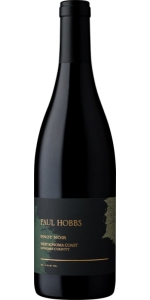
Paul Hobbs West Sonoma Coast Pinot Noir is made from 100 percent Pinot Noir.
Hailing from the newly established West Sonoma Coast AVA,.
Lovely ruby red shades catch the eye, while exotic notes of tart Morello cherry and pungent pine forest swirl with fresh raspberry. Bright, pure fruit carries through on the palate, layered with earthy hints of damp loam and rocky salinity, all backed by the elegant, fine-grained tannins and stylish grip that cool West Sonoma Coast offers at its best.
Review:
A rush of sugared beet, pomegranate, and vanilla-soaked raspberry mingles with a touch of salinity on entry, while a soil component reflects the super-cool climate of the appellation. Power and elegance coexist in this red, which finishes with graphite, peony, basil, and exotic incense.
-Tasting Panel 97 Points
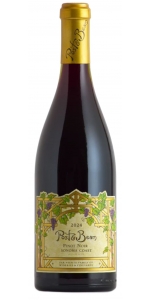
Post & Beam by Far Niente Sonoma Coast Pinot Noir is made from 100% Pinot Noir.
Post & Beam Pinot Noir, crafted with the same care and expertise that defines Far Niente Wine Estates, is sourced from the Sonoma Coast's cool, coastal vineyards. This wine offers vibrant acidity, expressive fruit, and nuanced complexity, with aromas of ripe red fruit and a hint of spice. The smooth, balanced palate finishes with elegance, making it perfect for backyard get-togethers.
Review:
A full-bodied wine with plush and generous fruit and pretty floral aromas. Mouth-filling with fine, chalky tannins and flavors of cherries, raspberries and some baking spices. Drink or hold.
-James Suckling 92 Points
Bydand Pinot Noir Sonoma Coast is made from 100% Pinot Noir
Aged for 16 months in 40% new French oak, 60% neutral French oak
Umino Vineyard is perched atop rolling hills overlooking the Petaluma Gap in Sebastopol, CA. Taking advantage of maritime influence this 11-acre vineyard benefits from warm sunshine throughout the day and cool coastal winds at night. Planted in 1996 to 4 Dijon Clones of Pinot Noir these vines produce wine of purity and balance. Exhibiting rich flavors and aromas of crushed rose petal, raspberry and cherry cola with earthy minerality and lively acidity.
Review:
"Earthy black tea, Asian spice and sage underscore a savory note in this ultimately balanced, well-integrated wine. Finishing touches of toasted oak and cola round out the finish. - VIRGINIE BOONE"
- Wine Enthusiast (July 2020), 90 pts
Bydand is the Gordon family motto meaning "stay and fight".
Colin Gordon & Tim Beranek met in 2010 while working at Kosta Browne in Sebastopol, CA. In 2013 they reunited at Outpost wines under winemaker Thomas Brown. Tim and Colin work together and share all winemaking and operational responsibilities.
Winemaking at Bydand represents a commitment to simplicity and quality. They partner with growers who meticulously farm each vineyard to ensure Bydand top quality fruit. Every phase of Bydand wine production meets the highest standards; they use a minimalist approach to winemaking though small lot fermentations, traditional low impact methods, careful aging and bottling.
The vineyards:
Chardonnnay: Sangiacomo - Roberts Road
Pinot Noir: Umino Vineyard
Cabernet Sauvignon - Slaughterhouse Vineyard
The 2019 Ulysses Cabernet Sauvignon has notes of truffle, blackberries, cassis bud and tobacco with tight polished tannins. A vertical structure and persistent intensity.
Review:
The 2019 Cabernet Sauvignon is mostly Cabernet Sauvignon (90%) with the rest Cabernet Franc and Petit Verdot. Incredible aromatics of red and black currants, spring flowers, graphite, camphor, and cedar define the aromatics, and it's incredibly polished and elegant on the palate, with medium to full body, gorgeous tannins, and a great finish. This is another awesome 2019 that matches ample richness and depth with a terrific sense of finesse.
-Jeb Dunnuck 97 Points
Hailing from over two dozen vineyards across the beautiful Golden State, the Turley Juvenile is more of a clear bellwether for a vintage than any other wine we make. Fragrant, lifted aromas of ripe dark fruits like black raspberry and blood orange on the nose. Superb balance between acidity, tannin, and spice, with a succulent, profoundly satisfying texture.
Review:
The 2024 Zinfandel Juvenile is a very pretty entry-level offering from Turley. Crushed flowers, sweet red berry fruit, spice and mint give this mid-weight, perfumed red tons of character. The 2024 is an especially delicate, gracious Zinfandel. What a beauty.
-Vinous 91 Points



