" We don't sell the wine without touching the vine "
| Country: | France |
| Regions: | Rhone Chateauneuf du Pape |
| Winery: | Cabrieres |
| Grape Type: | Grenache |
| Vintage: | 2020 |
| Bottle Size: | 750 ml |
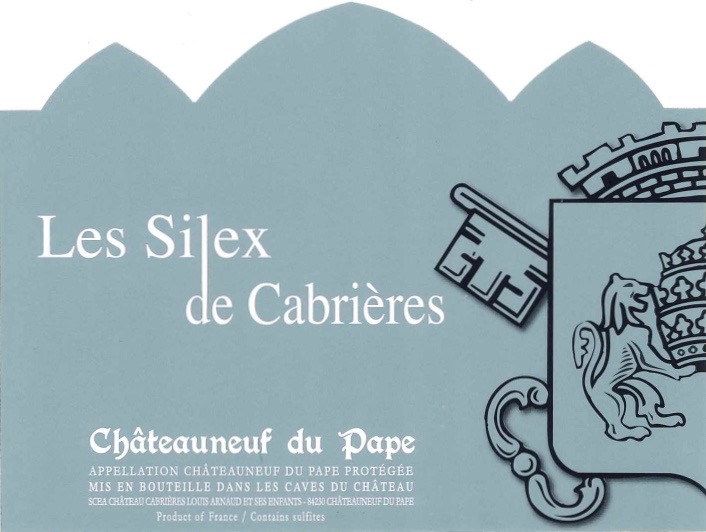
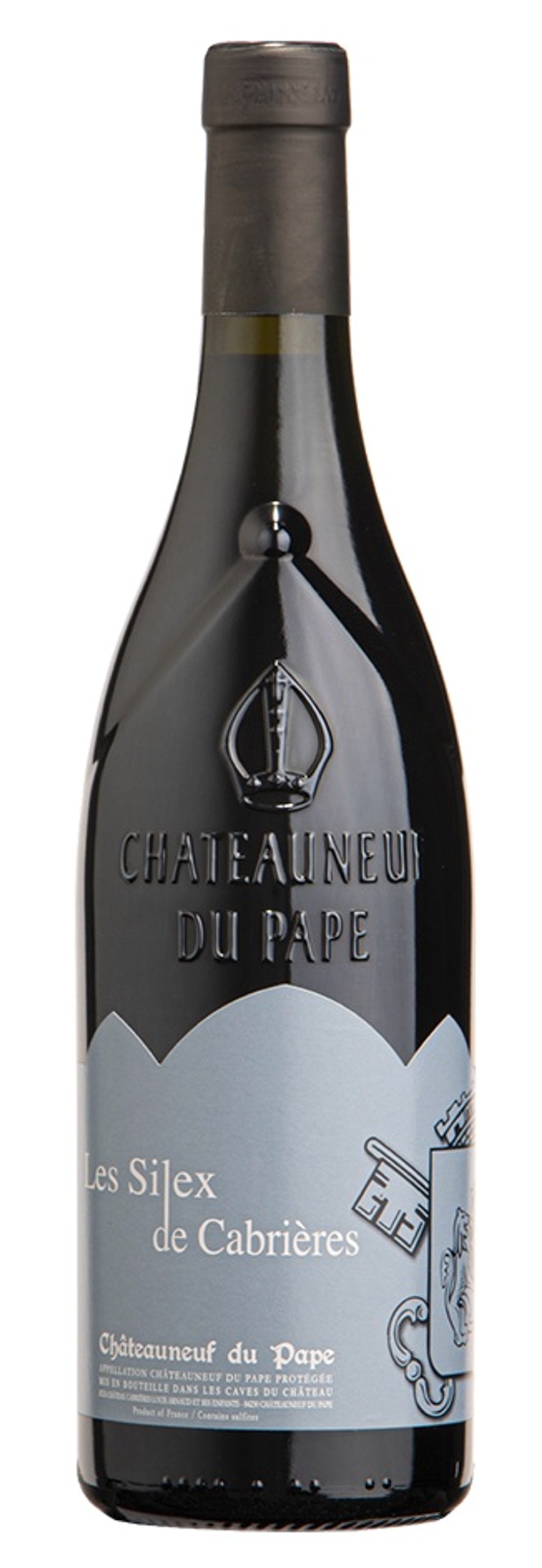
Cabrieres Chateauneuf du Pape Rouge Les Silex is made from 80% Grenache and 20% Syrah .
The vineyard is situated on the high tablelands, which are characteristic of the northern area of Châteauneuf-du-Pape. The terrain consists mainly of alpine diluvium and chalky Miocenian soil, with large flint pebbles covering the surface. These pebbles conserve the heat of the day during the night, thus avoiding too much evaporation.
A blend of 80% Grenache and 20% Syrah. Elegant cherry red color, with expressive notes of red fruits (strawberry and raspberry). Mellow tannins, well-balanced on the palate. I feel I need to point out the freshness, it is bright and lively on the palate, something we don’t see a lot of in this region. This also makes it extremely food friendly as it can hold up to fatty proteins.
Very good with white meat, red meat, charcuterie and cheese.
Cabrieres Chateauneuf du Pape Rouge L'Esprit is made from 50% Grenache, 15% Syrah, 15% Mourvèdre, 10% Cinsault and 10% remaining: Muscardin, Counoise, Picpoul, Terret noir, Vaccarèse, Clairette, Bourboulenc, Roussanne, Picardan.
The vineyard is situated on the high tablelands, which are characteristic of the northern area of Châteauneuf-du-Pape. The terrain consists mainly of alpine diluvium and chalky Miocenian soil, with large flint pebbles covering the surface. These pebbles conserve the heat of the day during the night, thus avoiding too much evaporation.
85-year-old vines. Aged 12 months in French oak. Intense ruby color, with a dominant nose of black fruits (blackcurrant and blackberry) evolving into smoke and grilled notes. Robust tannins on the palate with a long finish.
Pair with choice red meat, prime rib and game, or try with strong cheeses and chocolate dessert.
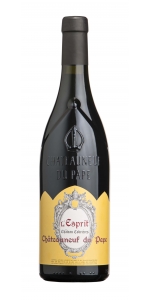
The vineyard is situated on the high tablelands, which are characteristic of the northern area of Châteauneuf-du-Pape. The terrain consists mainly of alpine diluvium and chalky Miocenian soil, with large flint pebbles covering the surface. These pebbles conserve the heat of the day during the night, thus avoiding too much evaporation.
85-year-old vines. Aged 12 months in French oak. Intense ruby color, with a dominant nose of black fruits (blackcurrant and blackberry) evolving into smoke and grilled notes. Robust tannins on the palate with a long finish.
L'Esprit de Chateau Cabrieres Chateauneuf du Pape Rouge is 50% Grenache, 15% Syrah, 15% Mourvèdre, 10% Cinsault and 10% remaining: Muscardin, Counoise, Picpoul, Terret noir, Vaccarèse, Clairette, Bourboulenc, Roussanne, Picardan.
Pairs best with choice red meat, prime rib and game, or try with strong cheeses and chocolate dessert.

Chateau Cabrieres Chateauneuf du Pape Blanc Confidentiel is 50% Clairette and 50% Grenache Blanc.
Beautiful pale gold color with green reflections. The wine is clear and bright.
A nose of great finesse and richness, with hints of pear and citrus fruit. Racy and dense, with good persistence, this wine will develop nicely on the mineral side.
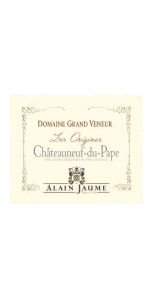
Grand Veneur Chateauneuf-du-Pape Rouge Les Origines is made from 50% Grenache, 30% Mourvedre and 20% Syrah
Matured in vats (grenache) and in oak casks (syrah and mourvèdre).
Deep and brilliant, purple-red colour. An exciting nose with aromas of black fruit (blackcurrant, cherry) spices and vanilla. This great aromatic complexity is found on the palate : the spices and ripe fruit appear with an elegant woodiness and harmonious tannins. The finish has good aromatic length and introduces a touch of liquorice and pepper.
A terrific Châteauneuf du Pape with great concentration and finesse.
Best between 2 and 20 years. Best to decant if young (less than 5 years old).
Soil type Extreme north of Châteauneuf du Pape. This plateau is made with a high quantity of red clay mixed with rocks. This area is considerated to be one of the best to produce rich and powerful red wines. By definition, LES ORIGINES will always deliver a great complexity and ageing potential. Winemaking & ageing Harvest is sorted by hand, destemmed and crushed. Fermentation temperature is controlled at 30°C. Vatting period of 18 to 20 days. Matured in vats (grenache) and in oak casks (syrah and mourvèdre).
Review:
"The huge nose of violet pastilles, mulberries, smoked bacon and a touch of hot asphalt pulls you into this expansive but beautifully balanced Chateauneuf that’s packed with fine, powdery tannin. So much bitter-chocolate character, but this exactly matches the deep fruit and, at the long crescendo finish, there are fascinating balsamic and hot dry-earth touches. Drinkable now, but best from 2025."
- James Suckling (March 2022), 94 pts
Grand Veneur Chateauneuf-du-Pape Rouge Les Origines is made from 50% Grenache, 30% Mourvedre and 20% Syrah
Matured in vats (grenache) and in oak casks (syrah and mourvèdre).
Deep and brilliant, purple-red colour. An exciting nose with aromas of black fruit (blackcurrant, cherry) spices and vanilla. This great aromatic complexity is found on the palate : the spices and ripe fruit appear with an elegant woodiness and harmonious tannins. The finish has good aromatic length and introduces a touch of liquorice and pepper.
A terrific Châteauneuf du Pape with great concentration and finesse.
Best between 2 and 20 years. Best to decant if young (less than 5 years old).
Soil type Extreme north of Châteauneuf du Pape. This plateau is made with a high quantity of red clay mixed with rocks. This area is considerated to be one of the best to produce rich and powerful red wines. By definition, LES ORIGINES will always deliver a great complexity and ageing potential. Winemaking & ageing Harvest is sorted by hand, destemmed and crushed. Fermentation temperature is controlled at 30°C. Vatting period of 18 to 20 days. Matured in vats (grenache) and in oak casks (syrah and mourvèdre).
Review:
"The 2019 Châteauneuf Du Pape Les Origines is also deep purple-hued and has a classic bouquet of crème de cassis and blackberry fruits intermixed with notions of graphite, chocolate, and spicy wood. Rich, full-bodied, and concentrated, this is beautifully done and despite its more modern elevage, it has plenty of Provençal character and charm."
- Jeb Dunnuck (October 2020), 94-96+ pts
"Warm in feel, with a gush of plum puree and blackberry paste flavors, liberally laced with black licorice and roasted alder notes. A solidly built, modern version, with a nice tug of warm earth on the back end. Best from 2022 through 2034. —J.M."
- Wine Spectator's Insider (June 9th 2021), 93 pts
Cabrieres Chateauneuf du Pape Rouge Les Silex is made from 80% Grenache and 20% Syrah .
The vineyard is situated on the high tablelands, which are characteristic of the northern area of Châteauneuf-du-Pape. The terrain consists mainly of alpine diluvium and chalky Miocenian soil, with large flint pebbles covering the surface. These pebbles conserve the heat of the day during the night, thus avoiding too much evaporation.
This 2020 has opened up and is drinking great right now. A blend of 80% Grenache and 20% Syrah. Elegant cherry red color, with expressive notes of red fruits (strawberry and raspberry). Mellow tannins, well-balanced on the palate. I feel I need to point out the freshness, it is bright and lively on the palate, something we don’t see a lot of in this region. This also makes it extremely food friendly as it can hold up to fatty proteins.
Very good with white meat, red meat, charcuterie and cheese.
The Arnaud family has owned the Château Cabrières property for three generations. In 2009, Guy Arnaud handed over the estate to his daughter, Agnes Arnaud, married to Patrick Vernier. Today, Agnes and Patrick are run the estate together.
The name ‘Cabrières’ comes from the Latin name Capraria, designating a place where goats are raised.
Château Cabrières is located in the village of Châteauneuf-du-Pape, in the Vaucluse department. The property dates back many centuries, indicated by a bread oven door that was discovered and preserved - the stone cut recalls the technique used in the 14th and 15th centuries. This proves the historic nature of the Chateau and its vine stock, both of which benefit from the flinty nature of the local soil, where vines have been planted since 1344.
The CDP vineyard is situated on the high tablelands, which are characteristic of the northern area of Châteauneuf-du-Pape. The terrain consists mainly of alpine diluvium and chalky Miocenian soil, with large flint pebbles covering the surface. These pebbles conserve the heat of the day during the night, thus avoiding too much evaporation.
Hall Wines The Kathryn Hall Cabernet Sauvignon is made from 96% Cabernet, 4% Merlot.
The 2017 Kathryn Hall is deep, dark ruby in color and elegantly balanced with layered aromas of concentrated blackberry, freshly turned earth, and a hint of warm, spicy oak. The palate is fruit-forward with underlying notes of rich cocoa and leather. Layers of black fruit, nutmeg, cassis and brooding earthy notes are abundant. Supple, seamless tannin abounds, and the wine finishes with an incredible dark fruit feed-back that lasts several minutes.
Review:
The 2019 Cabernet Sauvignon Kathryn Hall is a blend of 95% Cabernet Sauvignon and 5% Merlot, brought up mostly in new barrels. It’s a killer bottle of wine offering lots of ripe black fruits intermixed with savory herbs, melted chocolate, and tobacco. Medium to full-bodied on the palate, it shows the lush, round, velvety style of the 2019 vintage and is already impossible to resist. It’s going to evolve for 15+ years if well stored.
-Jeb Dunnuck 95 Points
Freemark Abbey 'Sycamore' Cabernet Sauvignon is made from 95% Cabernet Sauvignon, 4% Petit Verdot, 1% Cabernet Franc.
Located on the southern end of the Rutherford Bench, Sycamore Vineyard’s proximity to the Mayacamas Mountains provides the perfect climate for growing a rich, textured Cabernet. The wine is intense in aromatic complexity, reminiscent of blackberry, pomegranate syrup, black tea, and forest floor. The palate is rich and textured with flavors of forest fruits, dark chocolate, bay leaf, and warm oak spices. The ‘Rutherford dust’ is evident in the tannin structure, giving it textures that are bold but integrated, making it lovely to drink now with the capability to age in the cellar for decades.
Primary Vineyard: Sycamore Vineyard—Rutherford (100%): Small 24-acre vineyard located about 1.2 miles south of Bosche, right up against the Mayacamas Range, this vineyard has a rich clay loam. Sycamore Vineyard produces small berries reminiscent of mountain fruit berries, with intense extract of color and flavor. The color is very dark early in the fermentation, with flavors of black currant and black berry with a forest floor complexity.
Review:
Even better, the 2019 Cabernet Sauvignon Sycamore Vineyard is jaw-dropping stuff and does everything right. More structured and tannic compared to the Bosche, it has loads of red and black fruits as well as sandalwood, camphor, bay leaf, and bouquet garni-like aromas and flavors. Full-bodied, deep, layered, and concentrated, yet still with this wonderful sense of elegance, it needs 3-5 years of bottle age and will evolve for 20-25 years as well.
-Jeb Dunnuck 97 Points