
" We don't sell the wine without touching the vine "
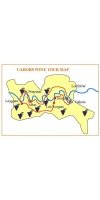
The region of Cahors is a 500-kilometer pathway that leads through Quercy creating alluvial soils and fertile valleys thanks to the broken limestone hills in the region. Described as the Sud-Quercy, or Southwest. There are actually ten wine regions that stretch from the Spanish border to central France from the Pyrenees, to the Mediterranean, and the Atlantic. The region consists of 45 villages and 4250 acres and is a compact area that is 40 kilometers wide and 60 kilometers long. The majority of the vineyards, 70% of them to be exact, are located on a narrow strip of land on each side of the Lot River between Cahors and Puy L'Eveque. The wines in this area are very fruity, full-bodied, bold, and powerful. The rest of the vineyards are on the limestone causse plateau above Cahors, tend to less robust, but have the same distinctive finesse and elegance. Most of the hillsides are limestone soils. Because of the combination of soils, which are very conducive to grape growing, and the climate, which is mild with lots of sunshine, vineyards in Cahors produce wines with all of the characteristics of a great vineyard. The region produces inexpensive table wine to some of the most award winning reds and whites in the world.
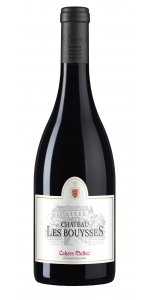
Bouysses Cahors is made from 100 percent 100% Malbec.
A beautiful dark brilliant ruby purple color. The nose is complex of black cherry, blackberry with a hint of violet, followed by a buttery and vanilla note. The palate is rich, powerful, with smooth and melted tannins. This wine is fleshy and velvety.
Serve with game meat, red meat, duck confit, and goat cheese.
J. Christopher Appassionata Fortissimo Pinot Noir is made from 100 percent Pinot Noir.
Inspired by the three movements of Beethoven’s “Appassionata” Piano Sonata, there are three Appassionata Pinot Noirs, released at different tempos.
The finale of the Appassionata Pinot Sonata is Fortissimo (dynamically forceful). Selected for ultimate expressivity and longevity, it is not released until 10 years after the vintage. This is the epitome of expressive excellence that we are seeking in Willamette Valley Pinot Noir – a wine that combines brooding intensity with lilting grace and can stand alongside the classic wines of the world. The 2012 Fortissimo is muscular and full-bodied, with a deep color and seamless structure. In this phase of maturation, tertiary aromas begin to show a profound complexity and subtle earthiness that only develops with bottle age and cannot be accelerated
Review:
Loosen Bros. and J. Christopher Wines just released the Fortissimo and it is showing great acidity and fine-grained tannins. Its aromas and flavors of sweet red cherries, roasted pork shoulder and orange-pekoe tea are alive and kicking. Enjoy 2023–2032.
-Wine Enthusiast 95 Points
More intense than you might expect from an 11 year old Pinot Noir, certainly one that has been held back at the estate for 10 years before release. Grilled raspberry leaf and reductive smoky notes greet you on the nose here, with sweet black fruits softening the tangy red cherry and cranberry of Oregon Pinot, all wrapped up with waves of leather, sage and tobacco. This has power and succulence, and even at 10 years old it feels pretty young, just at the beginning of its development with a good decade ahead of it. Late release is an unusual approach in Oregon, but not so unusual if you follow Loosen’s winemaking in the Mosel, where he has been known to keep Riesling between 20 and 30 years in barrel. In this case the barrel ageing is for around two years, with the rest taking place in the bottle. Old fashioned winemaking, delicious results. 20% new oak. Fermented with natural yeast, unfiltered and unfined. Tim Malone winemaker. First time on the Place from this wine, from a vineyard in the foothills of the Chehalem Mountains in Oregon’s Willamette Valley. Heavy bottle.
- Jane Anson - Inside Bordeaux 97 Points
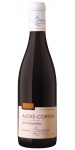
Boussey Aloxe Corton Les Valozieres is made from 100 percent Pinot Noir.
The Aloxe Corton appellation is located right between the Cotes de Nuits and Cotes de Beaune, at the bottom of the Hill of Corton. The old vines planted in the village of "Valozieres" enjoy a perfect location and a specific terroir made of red/brown colored soils with a few silica veins and silex, limestone components, leading to solid and structured wines.
The wine displays a dark ruby and garnet color. The aromas are classic of the appellation with small red fruits, developping peony, jasmine, leather, truffle aromas with age. A firm structure, rich and chewy tannins, and a great length.



