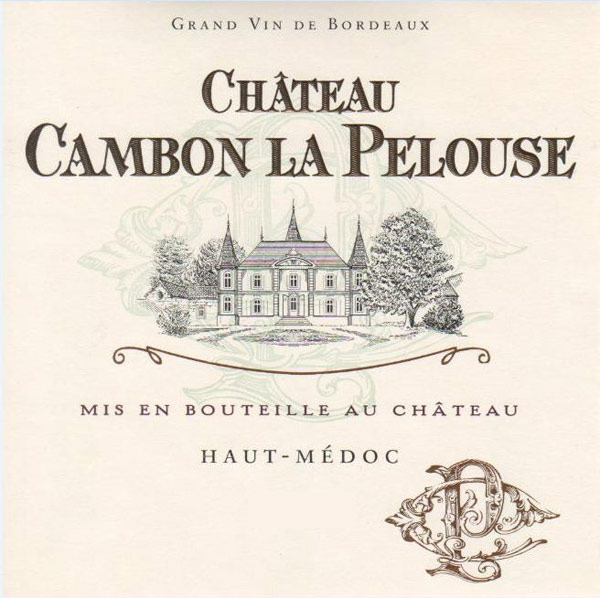
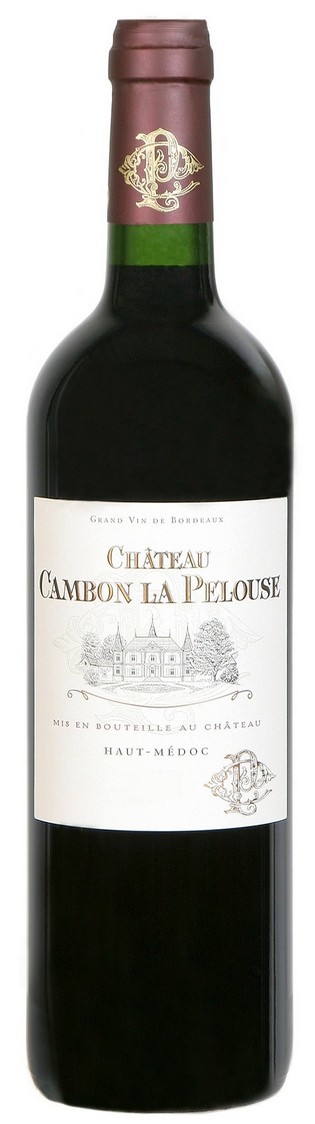
" We don't sell the wine without touching the vine "
| Country: | France |
| Region: | Bordeaux |
| Winery: | Cambon la Pelouse |
| Grape Types: | Cabernet Sauvignon Merlot |
| Vintage: | 2015 |
| Bottle Size: | 750 ml |

La Rioja Alta Gran Reserva 904 is made from 90% Tempranillo, 10% Graciano
The 2015 Gran Reserva 904 Tinto offers great aromatic complexity, with notes of wild strawberry, red cherry, plum, blackberry and cranberry combined with aromas of tobacco, brioche, ground coffee, caramel, cedar and cinnamon blossom. The alcohol and acidity are elegantly balanced on the palate and its polished, gentle tannins and freshness provide a smooth and refined mouthfeel. Fine, delicate and very long aftertaste, that will continue to be rounded with time in the bottle, making this new Gran Reserva 904 a wine with great cellaring potential.
Especially recommended with all kinds of meat and stews, seasoned fish and desserts with chocolate or red fruit toppings. Perfect as an after-dinner drink.
Review:
A perfumed nose of plums, mulberries, mushrooms, caramel, sweet tobacco and sweet spices. Full-bodied with velvety, fine tannins and lively acidity. Balanced and supple with a creamy texture. Delicate and precise with a long, polished finish.
- James Suckling 97 Points

All older vintage wines have been purchased from a single collectors cellar. Pictures can be requested before shipment.

“1752” is the name of the Damilano Barolo Cannubi Riserva, in honor of the year in which the historic bottle was first marked “Cannubi”. It still exists today perfectly conserved by the Manzone family in Bra, close to Barolo. The bottle is clearly marked as being of “1752” vintage, indicating that Cannubi historically precedes Barolo.
About the Vineyard:
The Cannubi Cru is in found within one of the 6 core zones which comprise a UNESCO heritage site in Italy. A mixture of Tortonian and Helvetian calcareous marl gives the grapes intense aromas of cherry, plum and tobacco, rose and violet in sequence. Its low potassium and high calcium/magnesium content offer the wine a fine and polished touch. The vineyard is located at about 270 m. a.s.l. and has a south-east sun exposure. Barolo Riserva Cannubi 1752 It is a small plot of about 2 hectares of Nebbiolo vines, currently between 30 and 50 years of age.
Tasting Notes:
Garnet ruby red in color, the bouquet is intense and balanced, with notes of violet, red fruit, cherry and plum, spices, liquorice, cocoa, leather and tobacco. Dry, robust, full-bodied, very persistent, rich and velvety
Food Pairing:
This wine is excellent with typical piedmontes pasta (tajarin, ravioli); perfect with red meat, braised and roast meat, game and absolutely ideal with all types of cheeses.
Review:
“Incredible, reserved ripeness and depth already evident on the nose after one whiff, offering plum, cedar, rose hip, sandalwood, and licorice. Full-bodied with superb depth of fruit and an abundance of polished tannins that give the wine poise and grace, even though it’s long and powerful. The quality of the tannins are exceptional. Sheer and refined. This comes from the center of Cannubi.”
-James Suckling 99 Points

This is a 9 liter imperial also called a Salmanazar .
Roland Champion Champagne Blanc de Blanc Grand Cru 2014 is made from 100% Grand Cru Chardonnay from the chalky soils of Chouilly.
This Champagne is full of elegance and finesse. Very complex nose, with a bouquet of aromas dominated by honey, brioche and notes of dried fruits, hazelnuts and sweets. Perfectly matured.
Manual harvest; then pressing immediately to avoid oxidation & preserve quality. Free run juice only. Aged six years on the lees.
It matches magnificently with foie gras!
Review:
"Based in Chouilly on the Côte des Blancs, it is obvious this producer will have a Blanc de Blancs Champagne. And very good it is, with some age after six years on lees while still having freshness, crisp acidity and a tight, steely edge. The bottling will benefit from further aging, and it will be at its best from 2022. - ROGER VOSS"
- Wine Enthusiast (December 2020), 92 pt

Roland Champion Champagne Blanc de Blanc Grand Cru 100% chardonnay.
Champagne with rich and structured aromas. Very pleasant and generous roundness, nice length in mouth. Golden color with buttery and fruity aromas. All the expression of a magnificent terroir for your most pleasurable moments.
Manual harvest; then pressing immediately to avoid oxidation & preserve quality. Free run juice only. Aged six years sur lattes.
It matches magnificently with foie gras!

Roland Champion Champagne Blanc de Blancs Grand Cru Vintage Brut Grand Eclat is 100% Grand Cru Chardonnay from the chalky soils of Chouilly.
This Champagne is full of elegance and finesse. Very complex nose, with a bouquet of aromas dominated by honey, brioche and notes of dried fruits, hazelnuts and sweets. Perfectly matured.
Cambon la Pelouse Haut Medoc is produced from a careful selection of the grapes. Made from 50% Merlot, 35% Cabernet Sauvignon, and 15% Cabernet Franc and Petit Verdot. Limited yield: 45 hl/ha.
Aged in oak barrels for 12 months (50% new oak). Intense ruby/purple color. Delicate aromas of red fruit, liquorice, vanilla and caramel. Ripe fruit flavors, well balanced, great harmonious structure, silky tannins and a good length.
Pairs well with game and red meats, cured cheeses.
Review:
"From an estate right on the border of Margaux, the 2015 Cambon la Pelouse checks in as 50% Merlot, 35% Cabernet Sauvignon, and the rest Cabernet Franc and Petit Verdot, all brought up in 35% new barrels. It has beautiful complexity in its spicy oak, cedarwood, and black raspberry and currant aromas and flavors. These all carry to a medium-bodied red that has a seamless, ultra-fine texture, good concentration, and a great finish. It’s a beautiful, incredibly high-quality wine that’s already drinking brilliantly, yet I suspect it will shine for another decade."
- Jeb Dunnuck (March 2019), 91 pts
The Cambon la Pelouse Estate
Cambon la Pelouse is located in Macau, between Chateau Giscours and Chateau Cantemerle, just outside the Margaux appellation. Mr de Cambon founded the estate during the French Revolution. Annick and Jean-Pierre Marie took it over in 1996 and made some great investments to renovate the property.
The Cambon la Pelouse Vineyard
The vineyard spreads over 60 hectares of vines with an average of 30 years. The soil is made of fine and larger gravel from the quaternary period.
The vineyard is farmed under the "culture raisonnee" method (sustainable). Hand-harvesting, pruning, thinning out of the leaves, green harvesting, destemming ensure the perfect quality of the grapes.

Finca los Cedros Single Vineyard Malbec is made from 100 percent Malbec.
Single vineyard wine from the Finca los Cedros vineyard in Paraje Altamira (3,600 ft. elevation). Planted in high density (8,000 plants per hectare) on calcareous gravel soils, this Malbec has a fresh & easy-drinking style with a mineral character.
Intense purple color. Plum, brambly berries, spices and an iris/violet note are apparent on the nose. Intense, fruity flavors with velvety tannins.
Fermentation with indigenous yeasts. Aged 12 months in oak barrels and concrete vats.
Excellent with roasted meats, duck, salad, pasta, pizza.

Chappellet Pritchard Hill Estate Vineyard Cabernet Sauvignon is made from 95% Cabernet Sauvignon & 5% Petit Verdot.
Chappellet's Pritchard Hill Cabernet Sauvignon has been, since the beginning of their winemaking career, the most sought after wine of their portfolio. The wine is truly a love letter to the winegrowing potential of Pritchard Hill. The wine was inspired by Bordeaux, and like most left bank Bordeaux, the wine is a blend of predominately Cabernet Sauvignon with remaining amounts other classic Bordeaux blend varieties. The vines grow upon rocky, mountainside vineyards. After harvest and fermentation, the wine was aged for 22 months in 100% new French oak barrels.
Review:

The backbone of this Cabernet Sauvignon is derived from a vineyard in the Atlas Peak AVA of Napa Valley where soils are volcanic in origin and have limited water retention. The balance of fruit is sourced from Coombsville and Oak Knoll. The small berry clusters and intense fruit from low-yielding vines create a wine with full flavor and longevity.
This Cabernet delivers multi-layered aromas of ripe black cherries, toasted oak, dark chocolate, cardamom, vanilla bean, and cedar. A rich medium-bodied wine with plush rounded tannins and juicy blackberries and orange zest that linger on the finish.
TA: 0.72 g/100ml
pH: 3.59