
" We don't sell the wine without touching the vine "
| Country: | Italy |
| Region: | Piemonte |
| Winery: | Cascina Castle T |
| Grape Type: | Moscato |
| Vintage: | 2011 |
| Bottle Size: | 750 ml |
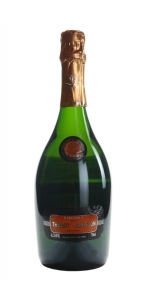
Thibaut-Janisson Blanc de Chardonnay is made from 100% Chardonnay
Appellation 100% Virginia
Winemaking Notes The grapes are handpicked in small baskets late August and are gently pressed as whole clusters. After a settling of 24 hours, the juice is inoculated with selected Champagne yeast and ferments in stainless steel tanks at low temperature. Once the fermentation is over, the wine ages on the fine lees until the spring of the following year. The blend is then put together and cold-stabilized prior to bottling. The bottling occurs in the spring when the cellar temperature is conducive to a second fermentation in the bottle. The now sparkling wine will age on the yeast for over 24 months. At disgorging, a small amount of dosage liquor is added in order to balance the natural acidity.
Clean, crisp and refreshing! With scents of white flowers, apples and pears. This sparkling wine is elegant and complex with vibrant aromas, and fine active streamers. The depth of complexity is elegant and the intricate nuances of the terroir fill the nose and stimulate the palate. It’s full of youthful, bright and alert acidity.

Rinaldi Moscato d'Asti Bug Juice is made from 100 percent Moscato.
Straw-yellow color. The bouquet is delicate and intense with aromas of fruit (apple, peach) and spices (sage). The palate is sweet and smooth with lingering aromatic persistence. A refreshing and pleasant wine, perfect for brunch, picnics or poolside.
The training system used is Guyot with a density of 2500-3000 vines per hectare Manual harvest into crates. Soft pressing. Settling in steel vats to allow natural clearing of musts. Racking, increase in temperature. Temperature and pressure controlled fermentation until bottling.
Dessert, ideal with hazelnut cake. Original with "strong" cheese such as Robiola of Roccaverano and Gorgonzola.

All older vintage wines have been purchased from a single collectors cellar. Pictures can be requested before shipment.
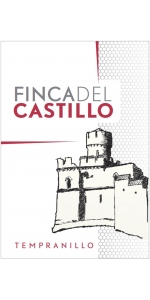
Finca del Castillo Tempranillo La Mancha is made from 30 year old vine Tempranillo (100%).
This pretty little red has a flavor reminiscent of good Cotes du Rhone. Medium bodied, flavorful; hints of raspberry and strawberry. Shows best with picnic fare and grilled meats. Perfect summer red.
Finca del Castillo Tempranillo La Mancha is made from 30 year old vine Tempranillo (100%).
This pretty little red has a flavor reminiscent of good Cotes du Rhone. Medium bodied, flavorful; hints of raspberry and strawberry. Shows best with picnic fare and grilled meats. Perfect summer red.
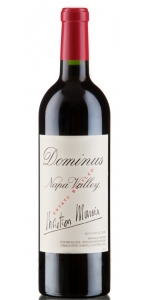
Dominus Napa Valley Christian Moueix Red Blend is made from 87% Cabernet Sauvignon, 9% Cabernet Franc, 4% Petit Verdot.
Dominus Estate is the Napa Valley property of Bordeaux producer Christian Moueix. The wine is bottled from the historic Napanook Vineyard. Located at the foothills of the Mayacamas, the vineyard was planted in 1838 and continues to evolve under the stewardship of Christian Moueix. The estate's Bordeaux varietals benefit from the Yountville microclimate where temperatures are moderated by cool breezes from the San Pablo Bay. The resulting wine is a uniquely refined expression of this special terroir. The 2023 vintage is seductive and deep with notes of cedar, oriental spices, wild berry, and cocoa, followed by a finely etched finish.
Reviews:
Black currant, pencil shaving, subtle sandalwood, wet earth, forest floor and violet aromas follow through to a medium- to full-bodied palate with ultra-fine tannins that integrate perfectly at the end. A polished and caressing texture that goes on for minutes. The balance and drinkability of this Dominus is terrific, and it will age beautifully. A blend of 87% cabernet sauvignon, 9% cabernet franc and 4% petit verdot. From organically grown grapes. Very drinkable now, but will age beautifully.
James Suckling 99 Points
Cascina Castle T Moscato d' Asti 2011 is made from 100% Moscato d'Asti
Vinification: the grapes are soft pressed and the free run juice is placed in stainless steel tanks where it is allowed to settle (sedimentation) and then passed through a centrifuge. The fined must is then passed through a filter of diatomaceous earth and placed in autoclaves of stainless steel. Specially selected yeast are added and fermentation is controlled at 17 degrees. There is no malolactic fermentation and the wine is held in the tanks at 0 degree. At the time of bottling the temperature is raised again to 17 degrees, and when the ideal balance between sugar and acidity is reached and the desired atmospheric pressure is obtained, 2 atmospheres of pressure (usually 2 weeks), the wine is cooled to block further fermentation and again filtered. It is then bottled. Only 5.5% of alcohol.
Bright pale yellow color filled with golden and apricot reflections.
Seductive bouquet rich in orange blossoms, peaches and apricots intertwined with hints of tropical fruits and honey.
Ligthly frizzante due to the naturally retained CO2 with sweet soft velvety fruit on the palate and a refreshingly dry and lingering finish. This is a unique wine of extraordinary delicacy and finesse.
Robert Parker says "this tropical fruit bomb of an aperitif wine defines the words 'seduction' and 'delicious'. "
Food pairing: brunch wine excellent with ice cream, fruits, salads.
The Cascina Castle T Estate
Cascina Castle’T, a family estate owned by Maria Borio, is located South of Torino in the Piedmonte region, 300 meters above sea level. The property was built in the 1600s.
The Cascina Castle T Vineyards
The 10 hectares (24.7 acres) of vineyards are located on the cooler hills of the Langhe area on the sides of the Belbo Valley near Canelli.
The vineyard for Barbera d'Asti is planted in clay and limestone soils and situated on a south western exposure, lying at about 300 meters above sea level. The vines are an average of 40-50 years old. There are 5,000 vines per hectare and the vineyard is kept fully covered with grass. Most of the vineyards are planted with Barbera except for a small plot planted with Moscato. All the production is strictly organic with a low yield, less than 30 hl/ha.
The vineyard for Moscato d'Asti is rich in clay and is on a south east exposure, lying at about 200 meters above sea level. The vines are an average of 15 years old.
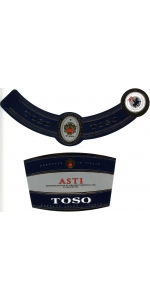
Toso Asti Spumante is made with 100 percent Moscato d' Asti
Sweet, aromatic, fruity and floral sparkling wine, moderate in alcohol, with fine sparkle and long lasting perlage. Of yellow straw color, it is a fine and elegant wine, ideal to celebrate every joyful event.
Toso Asti Spumante is made from Moscato grapes grown on hills in the South of Piedmont An early picking insures a higher acidity and a more floral bouquet. The grapes are crushed immediately to avoid any oxidation which might detract from the wine's aromas. The grapes are gently crushed and the juice is settled, centrifuged and filtered. The purified musts are placed in stainless steel tanks and held at near freezing temperatures which blocks completely any fermentation. This enables the producers to draw batches of fresh must whenever they decide to bottle. The batch of must is then inoculated with special yeast and fermented in an autoclave to retain the naturally produced carbon dioxide. The fermentation is stopped by a rapid chilling when the wine reaches the desired ratio of alcohol (standardly 7%) to residual sugar ( 3-5% ). The wine is then filtered, bottled and, at Toso, immediately shipped to ensure the freshest product possible.
Fresh, a floral bouquet, a sweet, fruity taste, Excellent as aperitif, best enjoyed with fruit, dried pastries and desserts in general.
SonVida Malbec is made from 95% Malbec and 5% Cabernet Sauvignon
SonVida Malbec is a single vineyard wine, the supreme expression of the award-winning zone of Altamira, in Argentina's Uco Valley. Altamira's smooth tannins shine through, and the combination of acidity and minerality lead the wine to a long, integrated finish.
"The wine is proud to be ripe and generous. Aromas dominated by smokey mulberry and blueberry. It's plush and coats the palate with bramble, blueberry and liquorice and the scent of vanilla. Immediately muscular and broad-shouldered in the glass, with a savory note, perhaps tapenade, running through the dense palate with mint and dried herbs on the finish. The oak will integrate over time, mixing its spice with the warm spice of fruit. - Joe Fattorini - The Wine Show"
Sunny Summer with moderate nighttime temperatures, followed by an early Fall.
Grapes come from the Mendoza region, in the Paraje Altamira area.
YIELD: 35 Hl/HA
MACERATION: Total 25 days, first cold-soaked 5 days, 14 days fermentation at 24° C, plus 7 additional days. No filtration.
SonVida Malbec can be enjoyed on its own, and matches perfectly with meats, chicken, turkey and hard cheeses. It is enjoyed best in good company. ‘Would you like another glass?’ The answer, almost always, is ‘yes’.
Arzuaga Ribera del Duero Crianza 95% Tempranillo and 5% Cabernet Sauvignon.
Dark cherry color with purple highlights. Powerful nose and high aromatic diversity of ripe red and black fruits, spicy and balsamic notes, and a roasted finish. Soft and mellow in the mouth with a great fruitiness and length.



