
" We don't sell the wine without touching the vine "
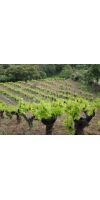
Cava is a wine producing region in Spain and means “cellar” to the Catalonian people who live there. The sparkling wine crafted in that region goes by the name Cava. The winemaking region stretches through the area and encompasses areas that produce Cava wines. The most prominent and famous company in the region is Codorniu because the company first led the way in winemaking and is still the most classical. Vines used in the production of Cava wines are typically grown in Catalonia, and include varieties such as Macabeo, Xarel-lo, Parellada, and at time, Chardonnay is grown. When out of the Catalonia region, the Macabeo variety is solely used. A rose wine of Cava is also available, and the wine is crafted from a robust blend of the grape varieties Carinena and Garnacha Tinta. The Cava region’s small group of 50 individuals were spread out and then dwelled in three separate villages in the region. These villages are called Ansovell, el Querforadat, and Cava. Although not all sparkling wines from the region are Cava wines, since not all of the wines are made in the traditional Spanish method used to craft Champagne. That method requires the wines to sit in bottles used for champagne.
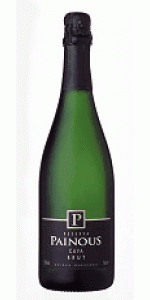
Grape varieties: Parellada 40%, Macabeo 30% and Xarel·lo 30%.
Harvest: Occurs in 3 stages. Macabeo within the first fortnight of September, Xarello during the second fortnight in September and Parellada within the first fortnight of October.
First fermentation and vinification: This is a "Methode Traditionnelle" with
soft pressing of the grapes to obtain 60% of the must (flower must). It is decanted and fermented with controlled temperatures of 18ºC for 20 days until it fully develops the primary aromas of the grapes.
Secondary fermentation: takes place in the bottle for 40 days at a temperature of 16ºC and final ageing for 20 months. Residual sugar: 7 gr. per litre.
Color: Pale yellow with green tones. Shiny and clear.
Aromas: Powerful in the nose, clean. Ageing aromas.
Taste: Soft and well structured, long aftertaste and good balance of acidity and sugar contents.
Gastronomy: It should be served chilled between 5ºC and 7ºC. A flute type glass is recommended. Excellent with pasta, red and soft meats and white fish.Painous is unique in that it is a Cava-Joven style sparkling wine, meaning, the wine receives the minimum aging of 9 months. This allows crisp, fresh aromas and flavors to be expressed. It is delicious for aperitif.
Review:
"Golden straw color. Aromas and flavors of brown butter poached pear, marzipan, lemon and apple, and floating in the pool with the grill going with a round, crisp, finely carbonated, dry medium body and an interesting, medium-length finish manifesting notes of dried apples, apricot jam, blanched almonds, and jasmine rice with no oak flavor. Layers of flavor from fruit to earth dance on the tongue for a classic expression of sparkling wine from Catalonia."
- Beverage Testing Institute (November 2022), 91 pts - Gold Medal
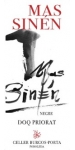
Mas Sinen Negre Priorat is made from 38% Garnacha, 22% Cabernet Sauvignon, 23% Carinena, 16% Syrah
Aged in 90% French, 10% American oak barrels for 12 months.
Maceration for 21 days. ML in stainless steel tanks.
Clarification with white egg and soft filtration.
The wine shows great spice and leather components, some minerality and a lot of ripe red fruits aromas as well.
This wine is certified organic.
Review:
"Dark, bright-rimmed ruby. Highly perfumed, mineral- and smoke-accented red and dark fruit preserve, baking spice and floral pastille aromas, along with hints of licorice and black tea. Gently chewy and focused on the palate, offering juicy cherry, blackberry and spicecake flavors that deepen and turn spicier as the wine opens up. Finishes impressively long and sappy, with a lingering floral nuance, well-integrated tannins and a jolt of smoky minerality. Raised in new and used barrels, 90% French and 10% American.- Josh Raynolds"
- Antonio Galloni's Vinous (March 2021), 93 pts
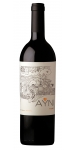
Ayni Malbec Paraje Altamira is made from 100 percent Malbec.
Ayni is the Quechua term for the principle of reciprocity, practiced for centuries by the Andean people - "in order to receive, you first have to give." Chakana's renowned Paraje Altamira vineyard, which sits 3,300 feet above sea level, bears the name Ayni & is the source of the Ayni wines.
Deep ruby-red in color with violet hints. Complex and intense bouquet, featuring blackberries, cherries and plums, with delicate floral notes and spices. Balanced and fresh; full-bodied with good length of spices.
Pairs well with grilled meats and stews.
Review:
"Chakana is an organic and biodynamic producer in Mendoza, that harvests from a vineyard in Paraje Altamira to produce this terroir-focused, minimal intervention Malbec. Aged in a mixture of casks and barrels for 12 months, this is a pure, energetic red in which fresh red fruit aromas combine with spice, herbs and mineral notes. In the mouth, it’s fluid with lively acidity and firm, chalky tannins. A potent, long-lasting wine. Drinking Window: 2023 - 2030"
- Decanter Magazine, 94 pts



