
" We don't sell the wine without touching the vine "
| BUY MORE! SAVE MORE! | ||||||||||||||||
|
| Country: | France |
| Region: | Rhone |
| Winery: | Caves Carod Freres |
| Grape Type: | Muscat |
| Vintage: | NV |
| Bottle Size: | 750 ml |
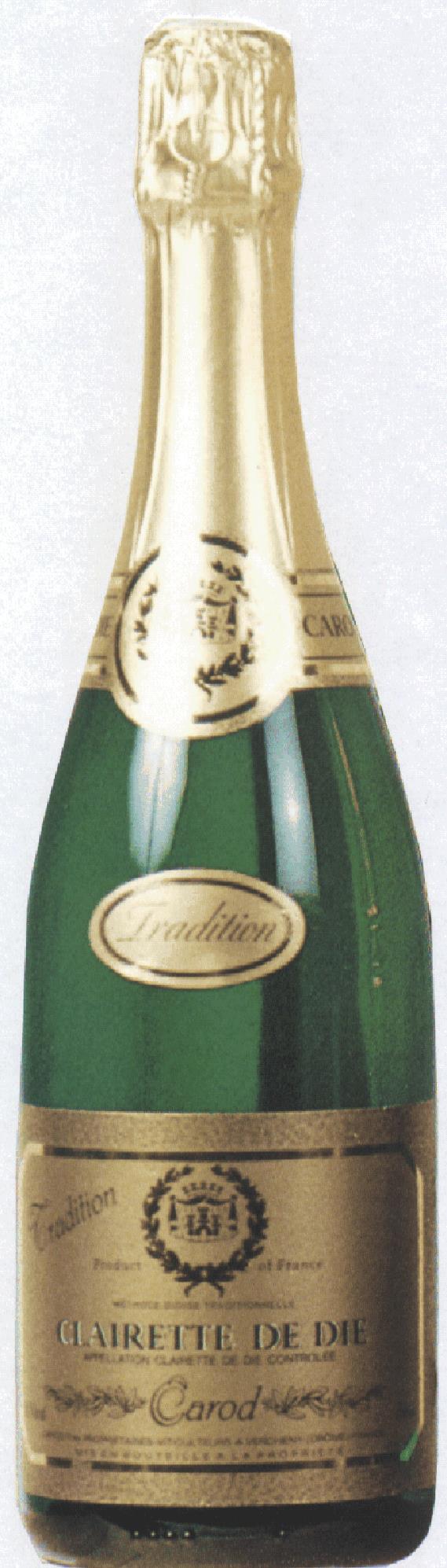
Cave Carod Clairette de Die is made from 75% Muscat Petits Grains and 25% Clairette. Clairette de Die is produced with the ancestral dioise method.
The grapes are rapidly pressed after the harvest and then placed in vats at low temperatures (replicating the process used by the Voconces in ancient times who kept the jars in the icy waters of their local rivers). The half-fermented must is bottled and fermentation continues in the bottle, giving a naturally sparkling wine. Disgorging occurs at least six months after bottling, while the wine still contains sugar and has reached an alcohol content of 7 to 9 %.
This is a sparkling wine with very fine bubbles, light in alcohol (8°), and containing residual sugar (incomplete fermentation). Clairette de Die has been known since ancient times (dates back to 77 A.D.). Clairette brings delicacy and lightness to the wine whereas Muscat gives its typical sweet flavor. The wine displays intense aromas, a refreshing balance of fruit and acidity with peach, orange and white flowers flavors.
This is an ideal wine for all desserts and ice creams, and is very interesting with foie gras. It is especially suitable for daytime meetings and cocktail parties. A great breakfast wine!
Wine to be consumed young, to conserve the full fruity and floral flavors. To be stored flat in a cool room away from light.
GOLD MEDAL - Effervescents du Monde 2010
GOLD MEDAL - Concours General Agricole de Paris 2012
SILVER MEDAL - Concours General Agricole de Paris 2011
The Caves Carod Freres Estate
In 1973, Alain and Marcel Carod took over the winery that was founded by their grand father. Caves Carod are located in the heart of the appellation. Cave Carod is the second largest of 20 producers of Clairette de Die in the region. The brothers make wine from their own vineyard and act also as wine merchants. Modern equipment combined with traditional winemaking and extensive production control enable them to create quality wines. They produce around 111,111 cases per year, 90% Clairette de Die and 10% Crémant de Die, and 30% of their production is exported.In April 2008, Cave Carod was acquired by "Les Grands Chais de France".
The Caves Carod Freres Vineyards
The A.O.C. Clairette de Die spreads over 1,300 hectares (3,211 acres) and 32 villages, located on hillsides. The soils are clay and limestone based. These types of soils are difficult to work with but together with the climate, rigorous grape selection and careful cultivation of the vine (an ancestral tradition), can produce very fine wines with individual flavors. The vineyard's altitude (over 700 meters) makes it one of the highest in France. Carod brothers farm 50 hectares of land (123.50 acres).
.
Baron Aime Cremant de Bourgogne Brut is made from 40% Chardonnay, 30% Pinot Noir, 30% Aligote.
Light yellow with bright reflections. The nose is fresh and lemony with subtle floral aromas, apple and citrus fruits. The mouth is fresh, delicate, tight and precise with fine bubbles that stimulate the palate nicely.
A delicious aperitif and a great match with shellfish.
Review:
Golden straw color. Aromas and flavors of brioche, green and yellow apple, dried pineapple, and lemon oil with a supple, vibrant, finely carbonated, dry medium body and a smooth, engaging, medium-long finish displaying impressions of croissant with salted butter and tart pear jam, white tea, and grapefruit peel with no oak flavor. A lovely and racy apéritif that will pair splendidly with a cheese and bread course."
- Beverage Testing Institute 93 pts - GOLD MEDAL - BEST BUY
Bastgen Berncastel-Cueser Weisenstein Riesling Spatlese Trocken is made from 100 percent Riesling.
Bright, clean, fresh and zesty. Grapefruit like flavors. Fruity aromas and a nice minerality, typical of the Riesling grape grown on blue slate soil. Round, rich and a very long finish. The grapes for this wine are vigorously selected. Botrytis is not tolerated. At harvest the grapes are fully ripened, have a golden color, and a soft tartness. After a long spontaneous fermentation in a traditional 1000L barrel, the wine just reaches the dry stage. This gives the wine a creamy structure that interplays with ripe yellow and exotic fruit aromas.
They meticulously tend 4.5 ha (11.11 acres) of which 80% is Riesling. The soil is made of slate. Their vineyards are located in Kesten and Brauneberg, on a steep terrace, and planted to 50-year old vines. Fortunately for Bastgen, they own part of the famous Brauneberger Juffer Sonnenuhr. The vines produce very small, ripe berries that are very tasty.
Camus Graves Blanc is made from 50% Sauvignon Blanc and 50% Semillon.
A beautiful, brilliant color, this wine offers a great aromatic balance with complex and mineral notes, Offering white fruit (peach and pear), citrus (grapefruit and lemon), and a toasty finish with a delicate oak presence. The mouthfeel is rich and complex with a great minerality, freshness, structure, and a good length to the finish.
Pairs with poultry, fish, and shellfish.
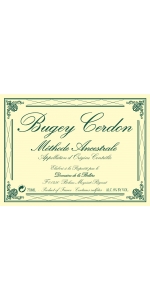
Beliere Bugey-Cerdon is made from 95% Gamay, 5% Poulsard (a local grape from Jura).
Spontaneous fermentation. An altogether preferable scenario to spontaneous combustion, and A LOT more fun to drink. This pink, semi-dry bubbly was made by spontaneous fermentation, otherwise known as methode ancestrale. Grapes are picked by hand (not just any grapes, these are the local Poulsard and Gamay grown on mountainous slopes in the shadow of the Alps), and fermented in chilled vats just reaching 5 or 6 degrees alcohol. The young and light wine is then bottled, along with its active yeast and considerable unfermented sugars. Under pressure of the cork, the wine continues to ferment, gaining a few degrees of alcohol but retaining a nice amount of sweetness. The bubbles, of course, are another result of fermentation under pressure. This one is so delicious and fun to drink, with a distinctly, well, grapy aroma and a fruitiness that calls out for celebration and jubilation.
This is also wonderful served with chocolate cake!
8% ABV.
Produced from the "Ancestral method" (also used to produce Clairette de Die): Low temperature fermentation starting in the tank, light filtration that leaves active yeast in the wine, bottling of the wine with fermentation continuing in the bottle ("spontaneous fermentation in the bottle"), retaining some sugar (40 gr/liter at the end). Made from 95% Gamay, 5% Poulsard (a local grape from Jura).
Review:
"Amber color. Aromas and flavors of cranberry juice, rose petal, cherry and kiwi, and red apple with a round, bright, effervescent, fruity medium-to-full body and a delightful, medium-long finish that shows nuances of cherry, cranberry, beeswax, and rose water. Concentrated fruit flavors, creamy bubbles, and well balanced acidity will make this a splendid pairing with charcuterie." - Beverage Testing -Institute (November 2022), 92 pts - Gold Medal
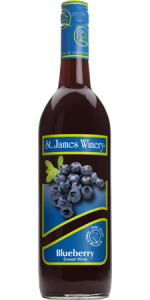
Made from blueberries
10.5% Alcohol by Volume
10.6% Residual Sugar
Fresh from the field Blueberry aromas and flavors. Excellent served chilled with your favorite dessert, or in a creative cocktail as a mixer with sparkling water and a mint garnish.
Select Wine Competition Awards:
2013 SILVER San Francisco Chronicle
2013 SILVER New World International
2013 SILVER Dallas Morning News
2013 SILVER International Eastern
2012 GOLD Indy International
2012 SILVER International Eastern
2012 SILVER Lone Star International
2012 SILVER Los Angeles International
2012 SILVER Long Beach Grand Cru
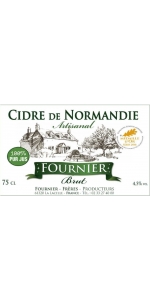
The Fournier Family cider story started in 1943. Located in South Normandy in the middle of Dukes of Alençon province, the landscape is offering a mix between green valley and strong hills. Apples and pear trees are growing up on the hills. It is in this typical and original environment that Fournier Cider is cultivating their orchard. The fruit variety selected is giving character, authenticity and quality. The Cidre Fournier Spirit is having under control quality in their growth over: love of the land, the orchards, qualitative fruits and product well made.
perfect with savory dishes like meat and buckwheat pancake. It can be mixed with fruit liquor for cocktail.
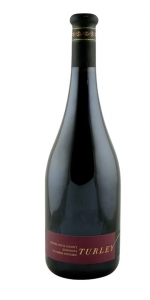
After working with the fruit for over a decade, Turkey is proud to present the first single-vineyard bottling for Turley from the Del Barba Vineyard. Contra Costa is a delta where the San Joaquin and Sacramento rivers meet, and these head-trained vines are planted in deep dehli blow sand, made up of decomposed granite coming down from the Sierra Mountains. The resulting wine embodies the best the delta has to offer: silken textures, ultra fine tannin, and dark saline fruits.
Review:
"The 2023 Zinfandel del Barba is ripe, boisterous and super-expressive. Floral overtones and bright acids run through a core of red/purplish fruit. Sandy soils confer lovely aromatic presence to this pure Zinfandel. This is an especially accessible offering from Turley."
-Vinous 91-93 Points
The Fournier Family cider story started in 1943. Located in South Normandy in the middle of Dukes of Alençon province, the landscape is offering a mix between green valley and strong hills. Apples and pear trees are growing up on the hills. It is in this typical and original environment that Fournier Cider is cultivating their orchard. The fruit variety selected is giving character, authenticity and quality. The Cidre Fournier Spirit is having under control quality in their growth over: love of the land, the orchards, qualitative fruits and product well made.
perfect with savory dishes like meat and buckwheat pancake. It can be mixed with fruit liquor for cocktail.
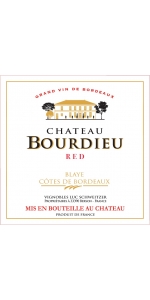
Bourdieu Blaye Cotes de Bordeaux is made from 87% Merlot, 10% Cabernet Sauvignon and 3% Cabernet Franc.
Chateau Bourdieu Blaye Cotes de Bordeaux offers a beautiful red ruby color deep and intense. It exhales red fruits and blackcurrant aromas, completed by notes of redcurrant. The mouthfeel is round and juicy, with a smooth, well integrated tannins that offers a nice structure and a long finish.
Perfect with a magret de canard (duck breast) or a filet of beef.
Review:
"Brooding blackcurrant, black cherry and cassis combine beautifully with fine tobacco and cedar notes. Persistent and concentrated with satin tannins and supporting acidity. Long and finessed."
-Decanter, (July 2024), Gold Medal - 95 points
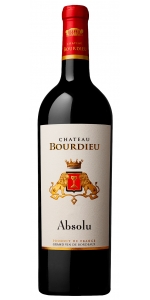
Chateau Bourdieu Absolu Blaye Cotes de Bordeaux is made from 79% merlot, 17% Cabernet Sauvignon, 4% Malbec.
When Luc Schweitzer was joined by his two sons Richard and Ludovic at the estate, he wanted to embrace this new chapter in the family history and launched in 2016 a special cuvée from Château Bourdieu called "Absolu". This top-of-the-range cuvée is the best of what their terroir has to offer. The 35 year-old facing south vines benefit from a meticulous care: regular maintenance of the soil, yield control, manual leaf stripping, sorting of the berries - all practices that ensure the quality of this great Bordeaux wine.
A deep garnet color with magnificent purple highlights. The nose is intense and full, revealing notes of ripe black fruits and subtle hints of vanilla and roasted coffee. Great structure with finesse and tannic density that brings depth and length to the mouth. The aromatic purity of the perfectly ripened grape varieties is magnified by the complex and subtle oak flavors.
Pair: Rib of grilled beef and tournedos Rossini - butter pan-fried beef filet served on a crouton, and topped with a hot slice of fresh foie gras.
Review:
"A rich, opulent wine, this is full of dark tannins and powerful fruit. It's a big wine, with licorice and dense wood flavors that give a smoky character and reflect some serious extraction. The wine needs to smooth out to showcase its concentrated richness. Drink from 2024. - Roger VOSS"
- Wine Enthusiast (May 2021), 91 pts
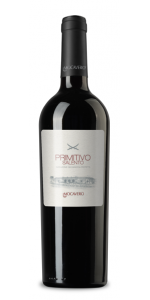
Mocavero Primitivo del Salento is 100% Primitivo.
Deep red color with hints of violet, sweet spicy and ripe fruity notes, soft, persistent taste with skilful balanced tannins.
This ancient vine variety requires special attention during vinification to ensure that it expresses all the varietal characteristics, it needs periodic aeration and a particular temperature control. Once maceration is complete, the must is separated from the marc and fermentation ends in stainless steel tanks.Once it has been fermented the wine is refined in american Oak barrels for 3-4 months. When the refining process is complete, the wine is filtered and bottled.
Pairs best with roast meat, wild fowl, cold-cuts and mature cheese.
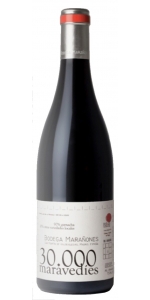
Maranones 30.000 Maravedies Vinos de Madrid Sierra Gredos is made from 90% Garnacha and 10% local grape varietals called Morenillo (Morate).
“The first of our red wines would be 30,000 maravedíes, which is our Comarca wine, a regional wine, village wine.
30,000 maravedíes is the coming together of all soils, orientations, dominantly Garnacha at 90 percent with a remaining 10 percent of local grapes.
The name also reflects the union between history, the winery, the structure and the place. Álvaro de Luna paid 30,000 maravedíes to buy the whole region from the monks who fostered the cultivation of the vine. It is a historical name. It refers to what was paid for the Valley and pays homage to the Valley. It also evokes what the monks had developed. This history is part of our heritage and we continue it.
This village wine wants to tell you the whole history of the Valley. At the end it delivers a structure tending towards the mineral, the floral, length, fruitiness and ease of drinking.”
30-70 year-old vines produce a vibrant, fresh wine that boasts juicy red berry, wild herb, flower and balsamic flavors with hints of sweet spice. Smooth tannins provide finesse and longevity.
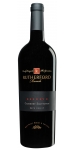
Rutherford Ranch Reserve Cabernet Sauvignon
Rich and vibrant with classic Rutherford Cabernet tannins, dark cherry mingled with toasty oak, sweet oak and sweet sage lingering on the palate.
The base for our Reserve Cabernet is from the world-renowned Rutherford appellation, which is home to our Abela and Franklin estate vineyards. Perfect climatic conditions and the region’s deep, loamy, well-drained soils produce dark, intensely flavored Cabernet Sauvignon grapes. Our rich soil sets the foundation for an exquisite, cellar-ready wine that will evolve in character and quality for years to come.
This Reserve Cabernet Sauvignon is a beautiful complement to ribeye steak, rack of lamb or mushroom risotto.
Review:
A flint and gunpowder nose leads to bold graphite, blueberry and tobacco flavors in this full-bodied wine that is laced with a high level of fine-grained tannins. This wine is meant for aging, being so tightly packed with fruits and minerals and having the structure to keep it fresh while more complex flavors develop over time. Best from 2028–2038.
-Wine Enthusiast 93 Points
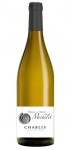
Michelet Chablis Premier Cru Beauroy is made from 100 percent Chardonnay.
Chablis is the northernmost wine region of Burgundy, renowned for producing some of the world's finest and most mineral-driven Chardonnay. The Premier Cru 'Beauroy' vineyard is located on the right bank of the Serein River on slopes with Kimmeridgian clay and limestone soils rich in fossilized oyster shells.
This wine displays a brilliant pale gold color with green reflections. The nose offers aromas of citrus, white flowers, and characteristic flinty minerality. On the palate, it is precise and elegant with bright acidity, flavors of green apple and lemon, and a long mineral finish.
Pairs excellently with oysters, shellfish, sushi, or simply prepared white fish.



