" We don't sell the wine without touching the vine "
| BUY MORE! SAVE MORE! | ||||||||||||||||||||
|
| Country: | France |
| Regions: | Rhone Gigondas |
| Winery: | Clos des Cazaux |
| Grape Type: | Grenache |
| Vintage: | 2023 |
| Bottle Size: | 750 ml |
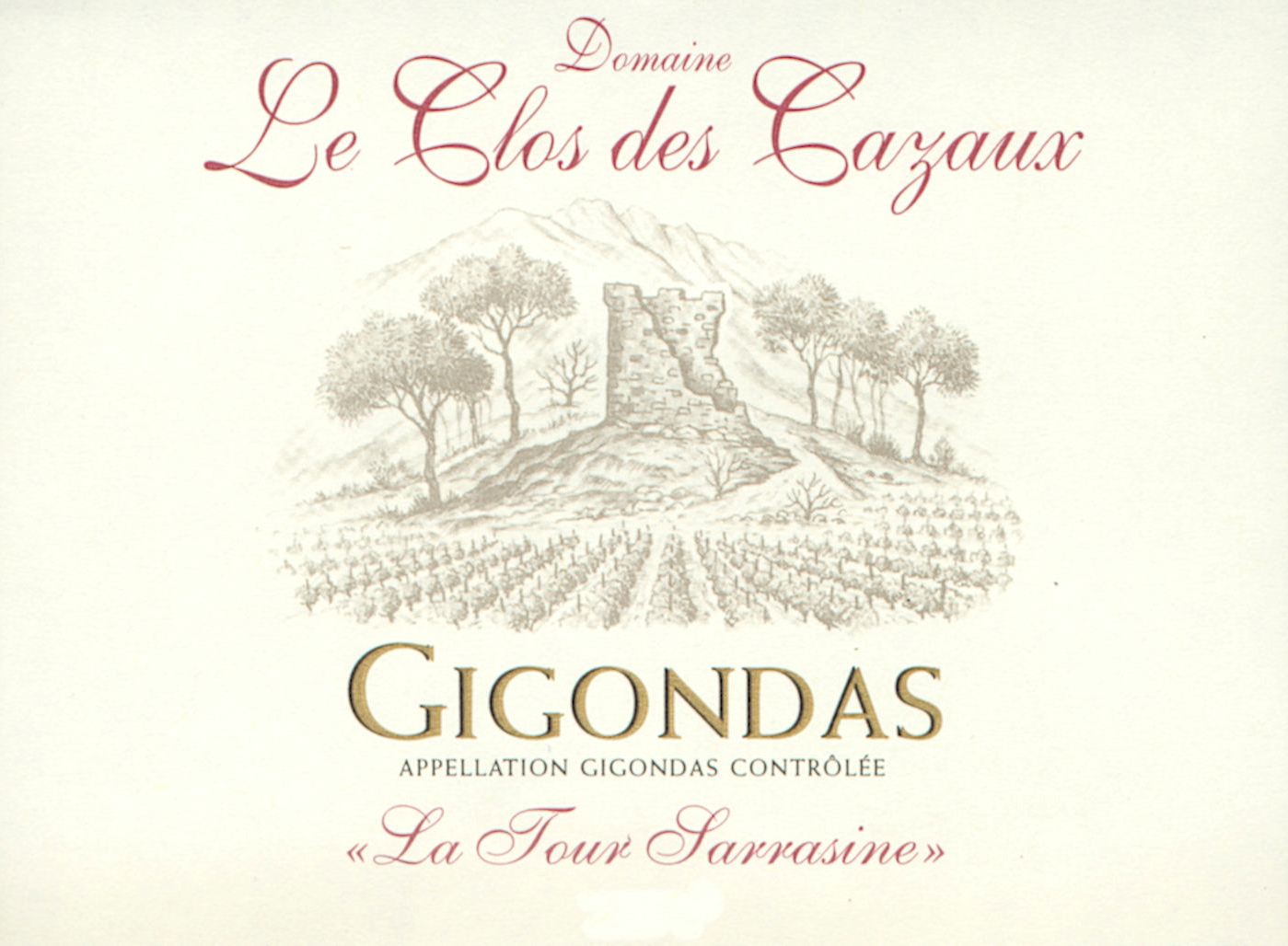
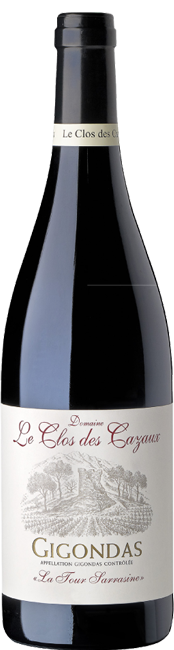
Cazaux Gigondas Tour Sarrasine is made from 75% Grenache, 15% Syrah, 10% Mourvèdre. 45 year old vines on average.
This strong, warm wine comes from a selection of grapes planted on exceptional soils. The vineyards in Gigondas are situated on the arid hills of the Dentelles de Montmirail. The Mistral blows regularly on these slopes which limits the amount of treatment needed to the vines. The vines grow on stony soils and produce wine that can be kept easily for 10 yrs.
Intense, persistent red and dark fruit aromas. Raspberry, pepper and spice flavors. Silky tannins.
The Domaine Le Clos des Cazaux Estate
The Domaine was founded in 1905 by Gabriel Archimbaud and is now run by Maurice Vache and his two sons Jean-Michel and Frederic. The Archimbaud and Vache families are among the oldest ones in Vacqueyras. The oldest part of the property dates back to the 12th century and belonged to "Les Chevaliers de l'Ordre des Templiers" (the Templar Knights). An ancient Moorish Tower sits on the property, the Tower of Sarrasine in ruins.
The Domaine Le Clos des Cazaux Vineyard
The estate spreads over 40 hectares (98.8 acres) of vineyard land:
- 25 ha in Gigondas. The quality of the soil is outstanding and the sun exposure is optimal due to the special location of the vineyard, surrounded by the rocky massif of the "Dentelles de Montmirail", upon which is built the Sarrasine tower.
- 15 ha in Vacqueyras, on sandy-clayey and sunny slopes.
The vineyards are planted to 60% Grenache, 30% Syrah and 10% Mourvedre. The vines are 40-50 year old. The annual production is 8,800 to 10,000 cases. The average yield is 28 hl/ha.
The vines are cultivated with utmost respect to the environment. Only Bordeaux mixture (antifungal agent consisting of a solution of copper sulfate and quicklime) and sulfur is used in the phytosanitary (pertaining to the health of plant) and vineyard treatment. At all times, the vineyards are manually tended, including manual harvest. To ensure optimal quality, only the best grapes are selected during a green harvest in Summer which eliminates at least 20% of the production.
Each grape variety is picked at its optimum maturity and vinified separately. Syrah is usually harvested first, followed by Grenache and then Mourvèdre. The whole clusters are placed into specially equipped bins having a screw in the bottom that allow the grapes to fall into the tanks without any crushing. This near carbonic fermentation period depends on the grape varieties and the conditions. When the fermentation is complete, the varietal wines are blended together (typically in November).
The maturation takes place first in stainless steel tanks for the juice to settle, then in concrete or enamel tanks. The wines mature in the cellars for at least 2 years before bottling. There is no fining, and only a light filtration to limit the natural deposit on the bottle.
Mordoree Cotes du Rhone Rouge La Dame Rousse is made from 40% Grenache, 30% Syrah, 15% Cinsault, 10% Carignan, 5% Counoise.
20 year old vines.
100 % destemming, 15 day maceration with a maximum of 30° C temperature
Deep red color. Blackcurrant and violet aromas. Melted and fine tannins, good finish.
Food pairing: cold meats and delicatessen, grilled meats, semi-mature cheeses.
Cazaux Vacqueyras Cuvee des Templiers is a blend of 50% Syrah, 50% Grenache.
The Syrah vines are situated on the sandy, grey clay slopes of Vacqueyras near the estate. They are facing east west, so the sun warms the grapes early in the morning allowing a considerable synthesis of sugars. The sandy soil is poor giving a reduced yield. The resulting wine is very fruity with strong persistent aromas of red fruits, spices and violets brought by the Syrah. Intense black cherry, blackberry, blueberry and cherry flavors. Explosive fruit tannins give the sweet, creamy flavors structure and focus, bright and uplifting on the finish.
Enjoy this wine when young with grilled beef and bearnaise sauce, lamb and thyme. After 7-10 years excellent with game meats.
Review:
"Very dark in the glass. A spicy nose full of cardamom and cumin. Full-bodied but not overly. Feels rounded and powerful, but has seen no oak. Quite extracted, this certainly needs time but promises some future complexity. - Matt WALLS "
- Decanter (October 1st 2022), 91 pts
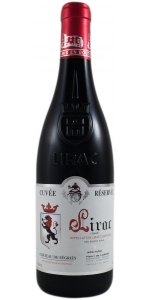
Segries Lirac Rouge Cuvee Reservee is made from 50% Grenache, 30% Syrah, 10% Cinsault, 10% Mourvèdre
Dark garnet in color. Expressive Red fruits and spicy. Sweet tannins and good length
Ageing up to 10 years
Vineyards Clay and limestone Area: 24 hectares Age of Vines: 80 years Yeild: 24 Hl/Ha Production: 570 Hl Harvest and VInification Harvest by hand and 100% destemmed. Maceration for 21 days in cement tank - Fermentation with controlled temperature at Château de Ségriès.
Pairs well with Stews, Grilled meats, Game, Various cheeses
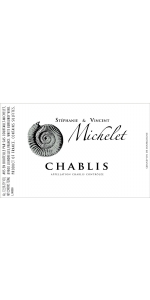
Michelet Courtaullt Chablis AOC is made from 100% Chardonnay.
Golden colored and very aromatic with white flowers, fresh fruit, lime, citrus aromas as well as a bergamot. Pleasant mouthfeel, supple, crisp, fruity flavors. There is a touch of acidity, revealing a deliciously integrated minerality.This Chablis is produced from vineyards located on slopes benefiting from a mainly south, southwest sun exposure in villages of the Northwestern part of the Chablis area (Lignorelles, Beine, Villy and Chablis).
Ideal as an aperitif, the wine is an excellent companion to seafood, smoked salmon for example.
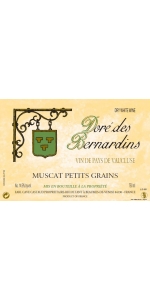
Bernardins Dry Muscat Dore des Bernardins is made from 100% white Muscat petit grains.
Doré des Bernardins is a dry white wine that is only produced in years when the Muscat à petit grains crop is large enough. Grapes are picked at the same ripeness level as for the Vin Doux Naturel. In contrast to Muscat de Beaumes de Venise, the fermentation isn’t stopped, giving a fruity dry wine with intense Muscat aromas.
Dry Muscat with a fruity, nice perfume, honeysuckle and melon aromas, lively rounded mouth-feel. Elegant, fresh and medium-bodied.
Situation
Spreads out over the south-east side of the Dentelles de Montmirail hills, in Beaumes de Venise in the southern part of the Rhone valley.
Terroir
On a poor sandy, hungry and arid soil consisting of tender limestone and gritty zones of sandy mollasse.
In the vineyard
The vineyards and their terroir are the essence of our wines. This is where everything starts and where we focus our efforts throughout the year. You can’t make great wine without great grapes.
The viticulture is essentially done by hand. Five people work full-time in the vineyards. They are supplemented by seasonal employees who work during bunch thinning and the harvest in order to bring out the very best in our vines. Working by hand and the attention each vine gets are fundamental. Pruning, de-budding, trellising, leaf removal and picking are thus carried out by hand with the utmost care.
We prepare the soil by using good old-fashioned ploughing. Organic compost is made from grape marc (the discarded stalks and skins).
As a way of protecting the plants, we only use phytosanitary products when necessary and within strict guidelines by staggering the treatments appropriately, to minimise the amount of chemicals used. We prefer to use as much as possible manual and organic techniques. Leaving natural grass cover, removing buds and leaves from the vines, preserving biodiversity around the vineyard: olive, almond and cypress trees, wild rosemary and capers.
Winemaking
Our Doré des Bernardins is a dry white wine that we only produce in years when the Muscat à petits grains crop is large enough. We pick the grapes at the same ripeness level as for the Vin Doux Naturel. In contrast to Muscat de Beaumes, the fermentation isn’t stopped, giving a fruity dry wine with intense Muscat aromas.
Nicely chilled, this dry white wine is great as an aperitif or with asparagus, seafood, king prawns, fish.
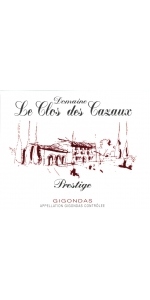
Cazaux Gigondas Cuvee Prestige is made from 50% Grenache, 30% Syrah, and 20% Mourvèdre.
A blend of Grenache, Syrah and Mourvedre produced from the oldest vines of the estate and only in the years of highest grape quality. Aromas of prune, chocolate, spices, fruit brandy and plum. Rounded tannins and a long finish.
Red meats aged, venison
Review:
"Not yet bottled, the 2019 Gigondas Cuvée Prestige checks in as 50% Grenache, 30% Syrah, and 20% Mourvèdre, all from the older vines of the estate and vinified and aged in barrel. There are a tiny 700 cases produced. A terrific nose of red and black fruits, Provençal garrigue, and subtle spicy oak is followed by remarkable purity of fruit, silky tannins, and a great finish. it has a touch of modern character which is going to integrate with 2-3 years of bottle age, and it will have 10-15 years or more of prime drinking.."
- Jeb Dunnuck (January 2022), 91-93+ pts
Cazaux Gigondas Cuvee Prestige is made from 50% Grenache, 30% Syrah, and 20% Mourvèdre.
A blend of Grenache, Syrah and Mourvedre produced from the oldest vines of the estate and only in the years of highest grape quality. Aromas of prune, chocolate, spices, fruit brandy and plum. Rounded tannins and a long finish.
Red meats aged, venison
Review:
"I was also able to taste the late-release 2020 Gigondas Cuvée Prestige, which is 50% Grenache, 30% Syrah, and 20% Mourvèdre that was brought up in barrel. It has a rocking nose of Provençal spices, saddle leather, dried flowers, and assorted strawberry and raspberry fruit. It's medium to full-bodied, has fine tannins, beautiful overall balance, and a great finish. Count me in as a fan. Enjoy bottles any time over the coming 7-8 years."
- Jeb Dunnuck (October 30th 2023), 94 pts
Cazaux Gigondas Cuvee Prestige is made from 50% Grenache, 30% Syrah, and 20% Mourvèdre.
A blend of Grenache, Syrah and Mourvedre produced from the oldest vines of the estate and only in the years of highest grape quality. Aromas of prune, chocolate, spices, fruit brandy and plum. Rounded tannins and a long finish.
Red meats aged, venison
Review:
"Not yet bottled, the 2019 Gigondas Cuvée Prestige checks in as 50% Grenache, 30% Syrah, and 20% Mourvèdre, all from the older vines of the estate and vinified and aged in barrel. There are a tiny 700 cases produced. A terrific nose of red and black fruits, Provençal garrigue, and subtle spicy oak is followed by remarkable purity of fruit, silky tannins, and a great finish. it has a touch of modern character which is going to integrate with 2-3 years of bottle age, and it will have 10-15 years or more of prime drinking.."
- Jeb Dunnuck (January 2022), 91-93+ pts
Cazaux Gigondas Cuvee Prestige is made from 50% Grenache, 30% Syrah, and 20% Mourvèdre.
A blend of Grenache, Syrah and Mourvedre produced from the oldest vines of the estate and only in the years of highest grape quality. Aromas of prune, chocolate, spices, fruit brandy and plum. Rounded tannins and a long finish.
Red meats aged, venison
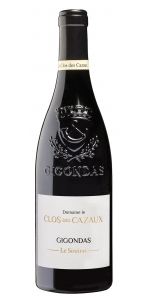
Clos des Cazaux Gigondas Le Souiras is 100% Grenache.
“Le Souiras” is the terroir located at the very South end of the Gigondas appellation. Here, in the midst of the Dentelles de Montmirail, an extraordinary calcareous massif, we planted grapevines on slopes surrounded by Mediterranean vegetation.
We are situated at an altitude of 250 meters, where the nights are cooler. The terroir is stony with a layer of grey and blue clay under the topsoil. The slopes face West and are protected from the strong summer sun by the Montmirail hill. Due to this ideal microclimate, our old Grenache grapevines contain all the complexity and balance of this sunny terroir.
Color : Dark intense ruby color.
Bouquet : Notes of little red fruits, white pepper, caramel and juniper.
Palate : The first impression is arresting and generally qualified as round, complex and dense.
The aromas of black cherry, mocha and white pepper are very intense. The palate is powerful, elegant and velvety.
The finish is long, with very silky tannins and a very slight bitterness that gives this exceptional Grenache an impression of freshness.
Review:
"A brilliant wine that has so much to love, the 2022 Gigondas Le Souiras is all Grenache that was brought up in barrels. It exhibits a vivid ruby hue as well as classic kirsch and blackberry fruit intermixed with peppery garrigue, spice, and ample Provençal nuances. This medium-bodied, fresh, focused 2022 has a beautiful sense of elegance, fine tannins, and the balance to evolve gracefully over the coming 10-12 years."
- Jeb Dunnuck (December 5th 2024), 94 pts
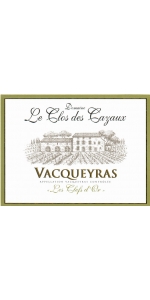
Cazaux Vacqueyras Blanc Les Clefs d'Or is made from 50% Clairette, 30% Roussanne and 20% Grenache Blanc.
A wine with lively acidity, expressive aromas of fennel and white flowers. It is long and full in the mouth with minty and anisy aromas mixed with white peach flavors. Refreshing and mineral character.
Clairette grapes are green harvested to concentrate and harmonize aroma. Each grape varietal is hand picked separately. Pressing with skin contact at low temperature. Aged 12 months in stainless steel tank. (No oak)
Enjoy this wine with all sorts of fish starters, squid salad with olive oil and basil. A must try with fresh oysters.
Review:
"Exotic citrus, pineapple, baking spices, and minty flower notes emerge from the 2023 Vacqueyras Les Clefs D'Or Blanc, a medium-bodied, juicy, lively, balanced white that has the vintage's ripe yet pure, layered, focused style. It's incredibly well done and worth your time and money."
- Jeb Dunnuck (April 1st 2025), 92 pts
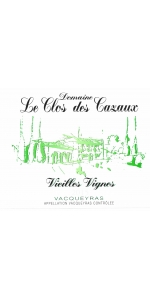
Cazaux Vacqueyras Blanc Vieilles Vignes 50% Clairette, 30% Roussanne and 20% Viognier
The wine has a beautiful golden color.
The aromas are rich and
exotic with mango, almonds, toast, lemon, pineapple white flowers and
papaye. These aromas will develop to honey, butter and pear after ageing
for a few years.
The finish is long, citrusy and toasty.
Terroir: Slopes of sandy soil or grey limestone.
Yield: 25 -30 hl/ha
Age of the vines: 70 years old minimum. The oldest are around 90 years old.
The
grapes are pressed pneumatically after a few hours contact with the
skins.The must is kept at 20°c during the alcoholic fermentation to
optimise the aromas and respect the wine’s suppleness.
Barrel fermented an aged in 228-liter French Oak barrel for 12 months with regular stirrings of the lees.
MaloLactic Fermentation also in barrel.
Enjoy this wine with rich dish, river fish or poultry cooking in creamy sauce. Delicious with a mushroom risotto.
J Lohr Signature Paso Robles Cabernet Sauvignon is made from 80% Cabernet Sauvignon 6% Cabernet Franc 6% Saint Macaire 4% Petit Verdot 4% Malbec.
J. Lohr Signature Cabernet Sauvignon was first produced to honor the 80th birthday of founder Jerry Lohr. This limited release was specially selected and blended from the exceptional 2016 vintage in Paso Robles. It is both a tribute to Jerry's pioneering efforts in the region and our red wine portfolio's ultimate expression of Cabernet Sauvignon. VINEYARDS & CELLAR Beck Vineyard, in the Creston District of Paso Robles, is a unique, high elevation site that sits at 1,700 feet above the early morning fog line. Its calcareous soils and cooling afternoon winds are perfect for growing Cabernet Sauvignon. The Cabernet from this vineyard ripens early with excellent color, purity of fruit, and phenolic maturity. Incorporation of Cabernet Franc brings freshness to the blend, while the rare Bordeaux variety, Saint Macaire, brings density and a savory character. Petit Verdot and Malbec add structure, color, and a component of bright fruit. The hand-harvested grapes were held separate at harvest and berry-sorted into six-ton open top tanks for fermentation. Maceration took place on the skins for five days, before early pressing to achieve ideal tannin extraction. Aged 19 months in 100% new French oak from coopers Nadalie and Sylvain.
Review:
The nose on this luxury-level bottling is pure and refreshing, offering aromas of black cherry, loamy soil, dried mint and caramel-laced coffee. The palate is framed by upright tannins, yet is soft enough to enjoy now, showing deep flavors of black currant, dried herb, milk chocolate and toffee. Drink 2020–2040.
-Wine Enthusiast 95 Points
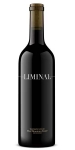
Liminal WeatherEye Vineyard The Mountain Tower is made from 40% Cabernet Franc, 33% Cabernet Sauvignon and 27% Merlot.
All three of these blocks lie quite close together on the steep north-facing side of WeatherEye. Here, full ripeness is reached while preserving great varietal character and lively acidity.
Elegant and evocative aromas of red and black currants, dark plum, violet, Ugandan chocolate, wild tobacco, crushed vanilla bean, and dried thyme. Suave and poised on the palate, with beautifully complex black and blue fruit compote, crushed wild roses, clean tilled dark earth, and windblown herbs. This wine, though drinking great now, is still gathering power, and will age gracefully for many years to come.