
" We don't sell the wine without touching the vine "
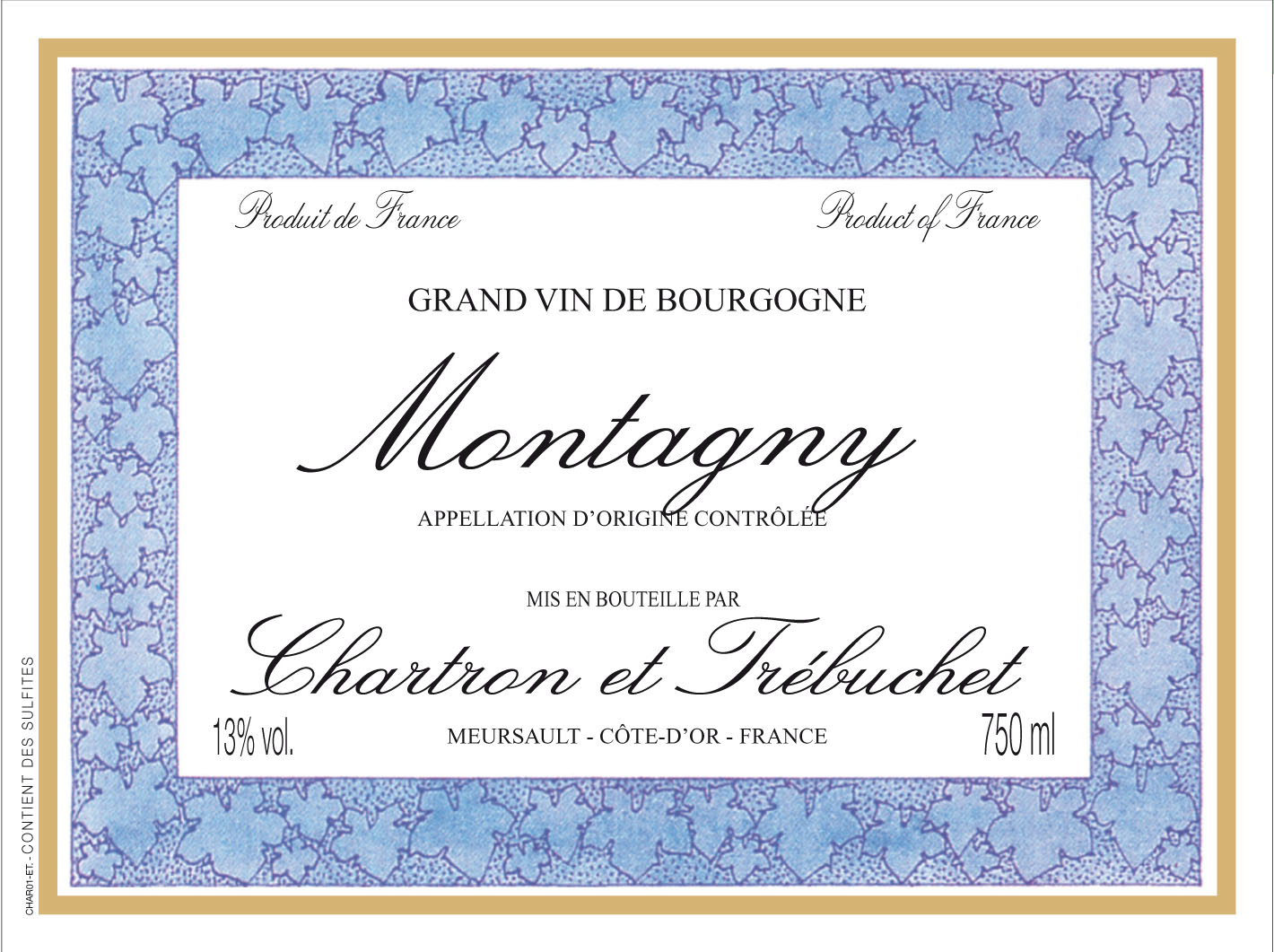
| Country: | France |
| Region: | Burgundy |
| Winery: | Chartron et Trebuchet |
| Grape Type: | Chardonnay |
| Vintage: | 2011 |
| Bottle Size: | 750 ml |
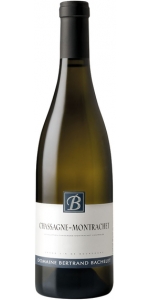
Bachelet Bertrand Chassagne Montrachet Blanc is made from 100 percent Chardonnay.
The Chassagne-Montrachet appellation is located in the southern part of the Côte de Beaune and produces mainly white wines. The vineyard faces east, with varied soil types, characterized by the presence of iron oxide, which gives a red-brown color to the soil.
Bachelet Bertrand Chassagne-Montrachet is produced from two villages, La Canière and Les Lombardes.
The wine offers a golden color, a soft, floral nose with spicy notes. On the palate, the wine is ample and harmonious, combining freshness and tension.
Pairs well with fish (especially salmon) or white meat in sauce (poultry, veal).
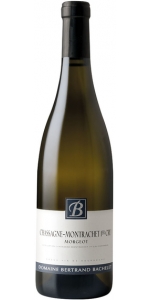
Bachelet Bertrand Chassagne Montrachet Blanc Premier Cru Morgeot is made from 100 percent Chardonnay.
The Chassagne-Montrachet appellation is located in the southern part of the Côte de Beaune and produces mainly white wines. 'Morgeot' is located in the south of the village, characterized by compact limestone soil containing iron oxide, which gives the soil its particular red-brown color.
The wine offers a golden color, a subtle nose of white flowers and honey notes. Full-bodied and well-structured on the palate.
The softness of the Chardonnay on the palate makes an interesting pairing with cooked foie gras; it also sits well with lobster, spiny lobster, or even morel mushroom dumplings or Bresse chicken in a cream sauce.
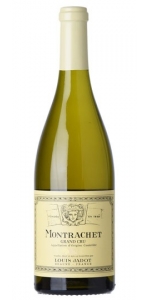
Louis Jadot Montrachet Grand Cru is made from 100 percent Chardonnay.
Le Montrachet is situated to the south of the Côte de Beaune, on both villages of Puligny Montrachet and Chassagne Montrachet (like the Batard Montrachet Grand Cru).
The terroir is extremely chalky with a lot of stones, perfectly drained and easy to overheat with south-south-eastern exposition.
The Montrachet is produced with Chardonnay
Grapes are harvested by hand and put in small cases in order not to damage the fruits. Grapes are pressed softly, they ferment in oak barrels produced by our cooperage. 1/3 are new barrels. Aging usually lasts 15 months on fine lies before bottling.
Review:
Aromas of buttered toast, honeyed peaches, white flowers and mint introduce the 2019 Montrachet Grand Cru (Maison Louis Jadot), a full-bodied, layered and enveloping wine that's satiny and sumptuous, with lively acids and fine depth at the core. While I'd give the nod to the stunning Demoiselles as Jadot's best white wine this year, this Montrachet—purchased from the Chassagne-Montrachet side, from the house's usual source—is undeniably promising.
-Wine Advocate 94-96 Points
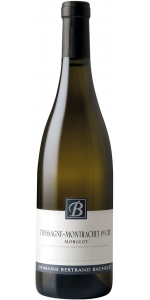
Bertrand Bachelet Chassagne Montrachet Premier Cru Morgeot is made from 100 percent Chardonnay.
The Chassagne-Montrachet appellation is located in the southern part of the Côte de Beaune and produces mainly white wines.
'Morgeot' is located in the south of the village, characterized by compact limestone soil containing iron oxide, which gives the soil its particular red-brown color.
The wine offers a golden color, a subtle nose of white flowers and honey notes. Full-bodied and well-structured on the palate.
The softness of the Chardonnay on the palate makes an interesting pairing with cooked foie gras; it also sits well with lobster, spiny lobster, or even morel mushroom dumplings or Bresse chicken in a cream sauce.
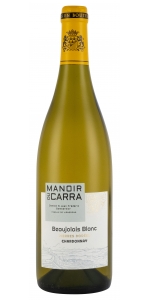
Carra Beaujolais Blanc Pierres Dorees is made from 100 percent Chardonnay.
The nose shows step by step floral and fruity aromas. A vanilla hint in the end with a lingering finish: those are typical Chardonnay aromas.
Carra Beaujolais Blanc Pierres Dorees is made from 100 percent Chardonnay.
The nose shows step by step floral and fruity aromas. A vanilla hint in the end with a lingering finish: those are typical Chardonnay aromas.
The Chassagne-Montrachet is a pure golden yellow color. The nose opens on complex aromas with vanilla and apricot notes. Spicy aromas can be smelt. Ample and round on the mouth, aromas of vanilla develop, ending with a sweet note of sap.
The Chartron et Trebuchet Estate
Owners of Premiers and Grands Crus in Puligny-Montrachet since 1859 with the Domaine Jean Chartron, Jean-René Chartron founded the Maison Chartron et Trébuchet in 1984 with Louis Trébuchet, manager of a wine trading company.
Vincent Sauvestre acquired the company in 2004. His objective is to continue to promote the great white wines of Burgundy, whilst respecting and perpetuating the quality work achieved by Jean Chartron and Louis Trébuchet.
The Maison Chartron et Trébuchet specialises in producing great white Burgundy wines. The know-how of the winemakers begins with a radical selection of the very best plots: the highest-quality terroirs of the Côte are chosen and the grapes are carefully monitored throughout the ripening period. Grapes are hand-picked when the balance between acidity and sweetness is at its prime: the fruit must not be too ripe so that the full potential of the terroir is maintained, including its acidity, to ensure that the wines age properly. All of the winemaking is done in casks: the alcoholic fermentation is followed by malolactic fermentation. A proportion of 20 to 40% of new barrels is used, depending on the appellations and the vintage. Wines are left to age for 12 to 18 months depending on the appellations.
The Chartron et Trebuchet Vineyards
Chartron et Trébuchet's vineyards are all planted on Limestone and Clay based soils. In average, the age of the vines is 30 years old.
A brooding and intense wine. The aromas begin with notes of blueberry, cassis, a hint of lavender followed by a myriad of exotic spices, some hazelnut, thyme and an element of licorice. Firm, mature tannins—evidence of Ten's ageability—are followed by a long, velvety finish.
Pearmund Cellars Old Vine Chardonnay is made from 100 percent Chardonnay.
Warm buttery flavor, hint of pear and apple. Full-bodied and lush to the palate. Aged nine months in French oak



