
" We don't sell the wine without touching the vine "
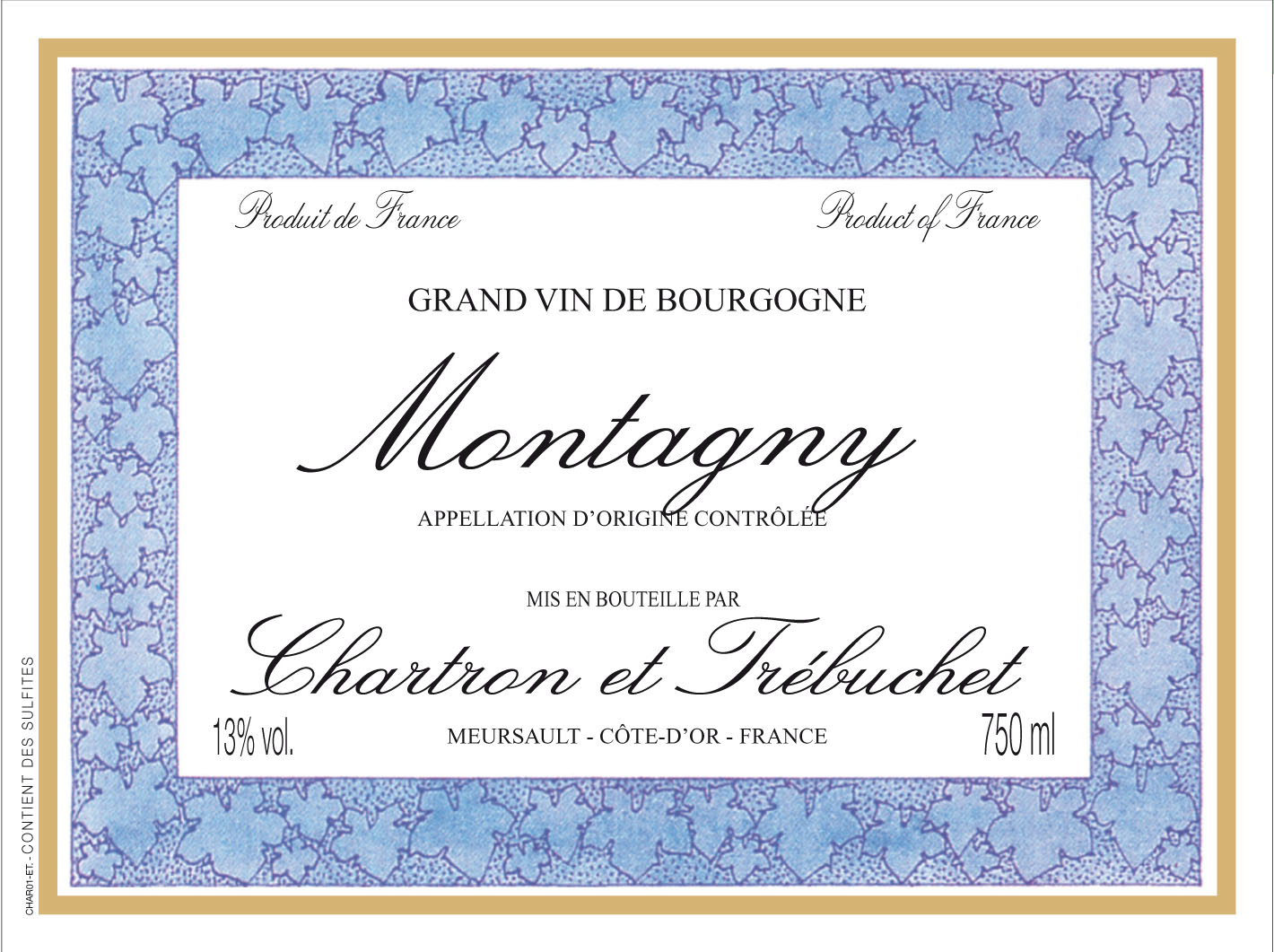
| Country: | France |
| Region: | Burgundy |
| Winery: | Chartron et Trebuchet |
| Grape Type: | Chardonnay |
| Vintage: | 2011 |
| Bottle Size: | 750 ml |

Louis Jadot Montrachet Grand Cru is made from 100 percent Chardonnay.
Le Montrachet is situated to the south of the Côte de Beaune, on both villages of Puligny Montrachet and Chassagne Montrachet (like the Batard Montrachet Grand Cru).
The terroir is extremely chalky with a lot of stones, perfectly drained and easy to overheat with south-south-eastern exposition.
The Montrachet is produced with Chardonnay
Grapes are harvested by hand and put in small cases in order not to damage the fruits. Grapes are pressed softly, they ferment in oak barrels produced by our cooperage. 1/3 are new barrels. Aging usually lasts 15 months on fine lies before bottling.
Review:
Aromas of buttered toast, honeyed peaches, white flowers and mint introduce the 2019 Montrachet Grand Cru (Maison Louis Jadot), a full-bodied, layered and enveloping wine that's satiny and sumptuous, with lively acids and fine depth at the core. While I'd give the nod to the stunning Demoiselles as Jadot's best white wine this year, this Montrachet—purchased from the Chassagne-Montrachet side, from the house's usual source—is undeniably promising.
-Wine Advocate 94-96 Points

Bachelet Bertrand Chassagne Montrachet Rouge is made from 100 percent Pinot Noir.
The Chassagne-Montrachet appellation is originally better known for its white wines, but also produces high quality red wines. The complexity of the terroir allows both varieties to thrive side by side.
The wine is produced from vineyards located in the villages of Les Lombardes and Les Benoites that benefit from iron rich clay soils. A ruby garnet color, and an expressive nose of spices and red fruits that echo on the palate.
Pairs well with a nice cut of red meat.
Bachelet Bertrand Chassagne Montrachet Rouge is made from 100 percent Pinot Noir.
The Chassagne-Montrachet appellation is originally better known for its white wines, but also produces high quality red wines. The complexity of the terroir allows both varieties to thrive side by side.
The wine is produced from vineyards located in the villages of Les Lombardes and Les Benoites that benefit from iron rich clay soils. A ruby garnet color, and an expressive nose of spices and red fruits that echo on the palate.
Pairs well with a nice cut of red meat.

Bertrand Bachelet Chassagne Montrachet Premier Cru Morgeot is made from 100 percent Chardonnay.
The Chassagne-Montrachet appellation is located in the southern part of the Côte de Beaune and produces mainly white wines.
'Morgeot' is located in the south of the village, characterized by compact limestone soil containing iron oxide, which gives the soil its particular red-brown color.
The wine offers a golden color, a subtle nose of white flowers and honey notes. Full-bodied and well-structured on the palate.
The softness of the Chardonnay on the palate makes an interesting pairing with cooked foie gras; it also sits well with lobster, spiny lobster, or even morel mushroom dumplings or Bresse chicken in a cream sauce.

Manoir du Carra Bourgogne Blanc Le Soly is made of 100% Chardonnay. Average 50 year old vines.
The nose shows step by step fruity, smoky and mineral aromas. A slight oaky hint in the end with a lingering finish: those are typical Chardonnay aromas.
The wine is estate bottled.Ageing is done on fine lees during 3 to 5 months. About 40% of the wine has its alcoholic and malolactic fermentation in oak barrels (new, one, two or three wine barrels) with a weekly “Bâtonnage” (lee stirring) during 6 months. In the end, the wine in the barrels is blended with the wine in vats. Manual harvest of very ripe grapes. Selection of the best grapes on a vibrating sorting table, light pressing. The alcoholic fermentation takes place in cold stainless-steel vats.

Brulesecaille Blanc Grande Reserve is made from 75% Sauvignon Blanc, 25% Sauvignon Gris.
Average age of the vines is 25 years.
Manual harvest from September 19th-20th 2016.
Direct press at low pressure (whole cluster) with low amount of SO2, settling at 10°C.
Addition of yeast and alcoholic fermentation in casks 400 liters.
Raised on the lees for 6 months with regular batonnage (stirring of the lees).
Bottling in april 2017.
Fish, seafood, white meats, fine goat cheeses.
The Chassagne-Montrachet is a pure golden yellow color. The nose opens on complex aromas with vanilla and apricot notes. Spicy aromas can be smelt. Ample and round on the mouth, aromas of vanilla develop, ending with a sweet note of sap.
The Chartron et Trebuchet Estate
Owners of Premiers and Grands Crus in Puligny-Montrachet since 1859 with the Domaine Jean Chartron, Jean-René Chartron founded the Maison Chartron et Trébuchet in 1984 with Louis Trébuchet, manager of a wine trading company.
Vincent Sauvestre acquired the company in 2004. His objective is to continue to promote the great white wines of Burgundy, whilst respecting and perpetuating the quality work achieved by Jean Chartron and Louis Trébuchet.
The Maison Chartron et Trébuchet specialises in producing great white Burgundy wines. The know-how of the winemakers begins with a radical selection of the very best plots: the highest-quality terroirs of the Côte are chosen and the grapes are carefully monitored throughout the ripening period. Grapes are hand-picked when the balance between acidity and sweetness is at its prime: the fruit must not be too ripe so that the full potential of the terroir is maintained, including its acidity, to ensure that the wines age properly. All of the winemaking is done in casks: the alcoholic fermentation is followed by malolactic fermentation. A proportion of 20 to 40% of new barrels is used, depending on the appellations and the vintage. Wines are left to age for 12 to 18 months depending on the appellations.
The Chartron et Trebuchet Vineyards
Chartron et Trébuchet's vineyards are all planted on Limestone and Clay based soils. In average, the age of the vines is 30 years old.

For our 2018 Napa Valley Quilt Reserve, we tasted the developing wine throughout the fermentation and aging processes, then set aside the very best 2% for this reserve bottling. Our lot selection was based on intensity, complexity and boldness of expression that could withstand a longer aging cycle and heavier use of new French oak.
Tasting Notes
Deep Ruby Red in color with aromas of black currant, bright cherry, toffee, blackberry, marionberry pie and notes of dark chocolate. Rich and satisfying on the palate with flavors of boysenberry jam, black cherry pie filling, and cocoa layered with notes of vanilla and hazelnut. A full-bodied Cabernet with layers of concentrated black fruit, bright acidity and excellent balance. A long, velvety and satisfying finish, enjoy this stellar vintage now and for years to come!
Powerful and rich tasting, this wine from Joseph Wagner is velvety in texture and spicy in aroma. It drips with jammy Port like flavors that are backed by fine-grained tannins that tightened a bit on the finish for a good grip. Best from 2025.
-Tasting Panel 97 Points

Brize Clos Medecin Anjou Villages Rouge is made from 60% Cabernet Franc and 40% Cabernet Sauvignon.
This is the flagship of the Estate. Clos Medecin has been produced at the estate for 90 years. All the grapes for this wine come from a very special parcel. The wine offers red fruit aromas. It is fresh, round and ample in the mouth.



