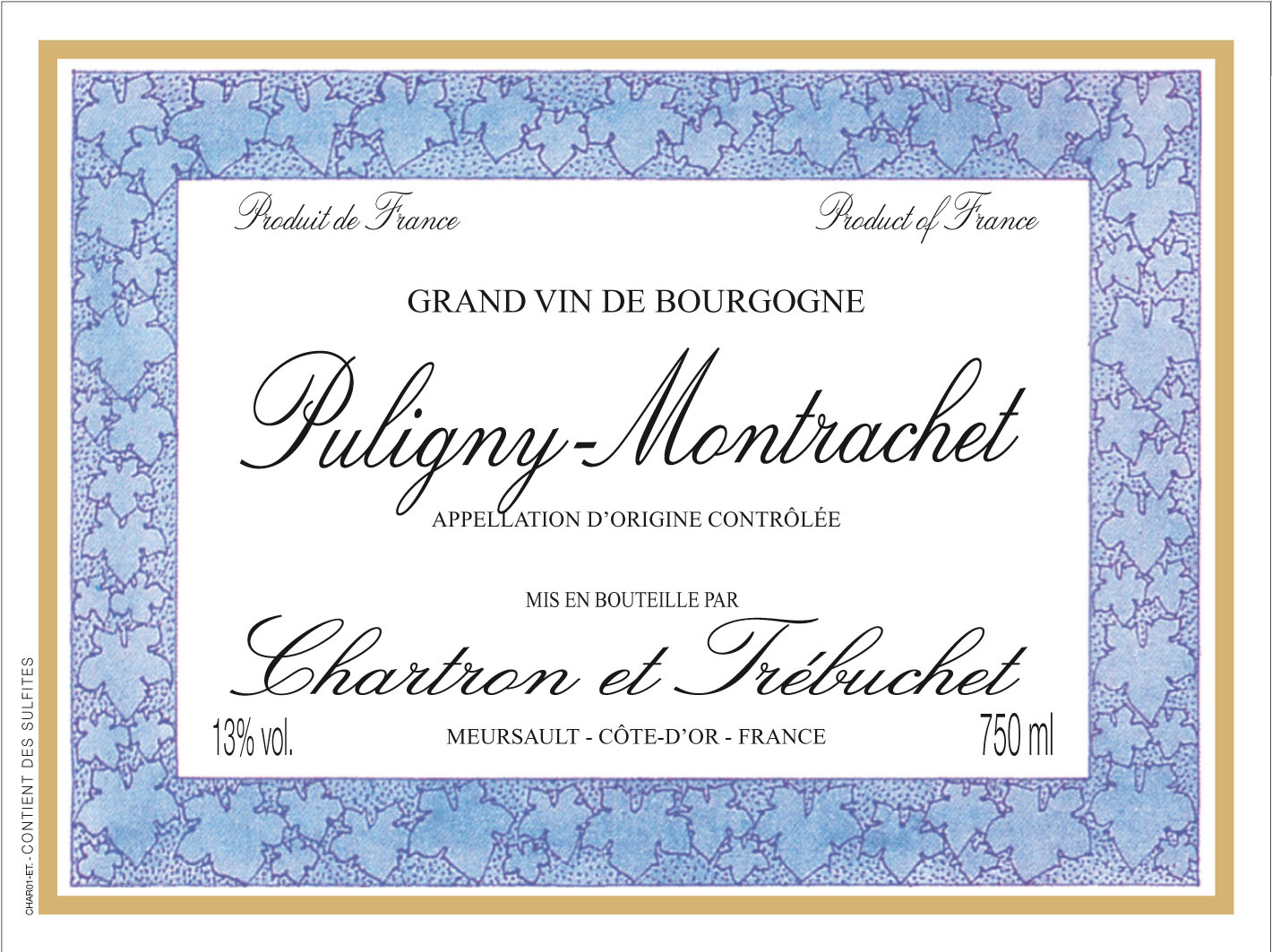
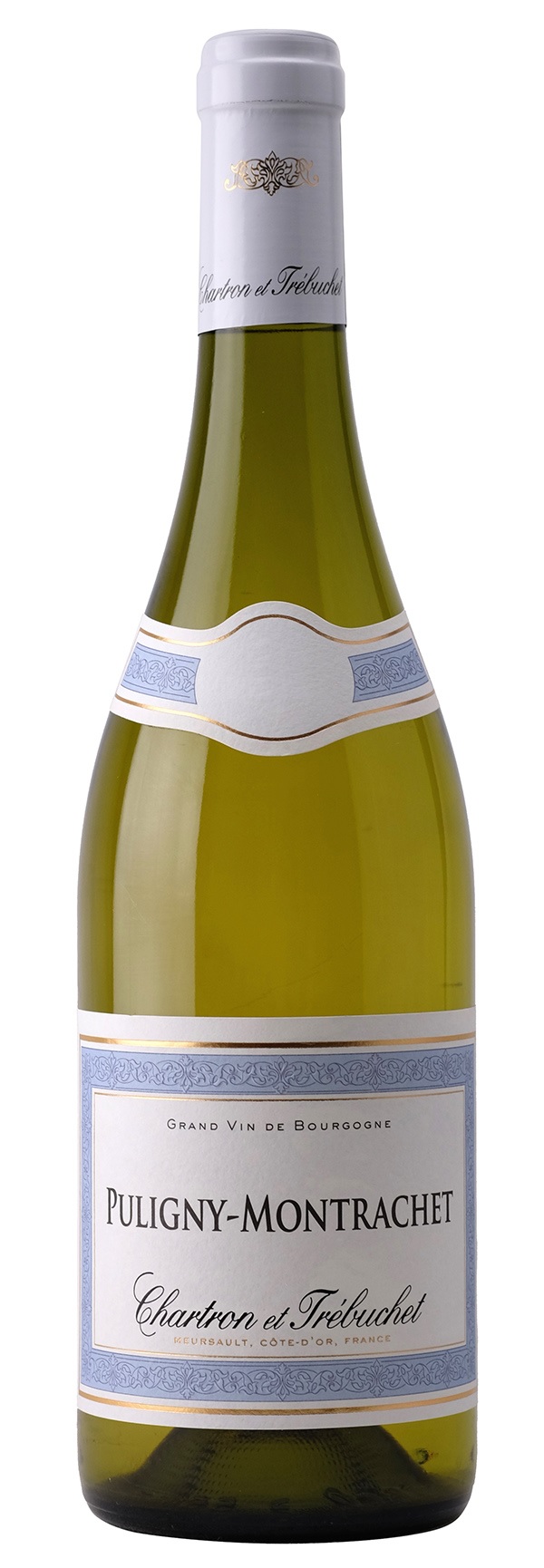
" We don't sell the wine without touching the vine "
| Country: | France |
| Region: | Burgundy |
| Winery: | Chartron et Trebuchet |
| Grape Type: | Chardonnay |
| Vintage: | 2018 |
| Bottle Size: | 750 ml |
Alejandro Bulgheroni Lithology Beckstoffer Las Piedras Cabernet Sauvignon is made from 100 percent Cabernet Sauvignon.
From a St. Helena vineyard planted by early Napa settler Edward Bale more than 150 years ago, and later serving as the estate vineyard for the area’s first winery built by Henry Pellet in 1860, the Las Piedras site always gives us our prettiest wine. When placed next to Dr. Crane and To-Kalon wines, the Las Piedras show a certain elegance, with a very graceful entry and finely detailed complexity. We produce it with at least 75% new French oak, so there is a floral, spicy, and vanilla accent to the intense red and black fruits, cassis, and black cherry liqueur. What distinguishes this bottling is the beautifully fine tannins, delicate texture, and stunning purity. (Less than 100 cases made.)
Fermentation 70% Oak, 24% Concrete, 6% Puncheon
Review:
"The 2018 Cabernet Sauvignon Lithology Beckstoffer Las Piedras Vineyard comes from a world-class site outside of St. Helena and is all Cabernet that spent 20 months in 80% new oak. It offers a touch more red fruit as well ample cassis, spring flowers, loamy earth, and spice-like aromas and flavors. It has a wonderful sense of minerality, ultra-fine tannins, a dense, layered texture, and incredibly purity of fruit. It’s another just about off the charts release from this estate."
- Jeb Dunnuck 98 Points
Argot Chardonnay Sonoma County is made from 100 percent Chardonnay.
Pouring a green-tinted gold, our Sonoma County Chardonnay is a beautiful wine from word go. Radiating from within, a blast of apple/pear fruit informs this wine both aromatically, and on the palate. As flavors unfurl, a progression of orange blossom, pineapple, white peach, and hazlenut are followed by a finish dominated by ginger, baked apple, with a trailing kiss of mint’s freshness. A stunning wine — wholly informed by the perfection of 2018’s growing season — defined by its dichotomy of massively intense flavors, and superb acidity and freshness.
Raised by minimalistic methods, often associated with the classic Chardonnay winemaking techniques of Meursault. With a focus on the coolest Chardonnay region in Sonoma County, 2018’s long, even growing season favored our vineyards’ moderate climate, old vines and deep volcanic soils. These grapes were allowed an extended ripening period on the vine, resulting in perfect balance and concentrated flavors.
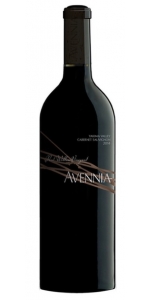
Avennia Red Willow Cabernet Sauvignon is made from 100% Cabernet Sauvignon.
The Red Willow Cabernet is a true blockbuster.
Coming from one specific block of 30 year old vines at this iconic vineyard, then strictly barrel selected, this is the essence of powerful, old vine Washington Cabernet. After all of our efforts promoting the idea of the Bordeaux blend, it would take a pretty compelling argument to suspend that idea and make a 100% varietal Cabernet. In 2016 Red Willow provided us with just that. Each time we tasted it in the barrel, the belief grew that this was something special. Something we can't make every year. In the end we were won over, and decided to make a limited amount of this wine. But don't be fooled, as this too is a blend and a selection. Each year as we are tasting the grapes as harvest approaches, we notice that the vines near the bottom of this long, steep west-facing slope, are a little different. The vines at the bottom are in a little richer soil, and get a little more water, so we pick them separately, sometimes even a week or ten days apart, and keep them separate in barrel.
This wine is all from the top of the vineyard, with its lower yield and poorer soils giving more concentration and interest. Then further, nearly every combination of new and used French oak barrels were trialed to find the best blend. It's not enough just to use the four best barrels, but to trial each combination to see how they complement each other. For a wine with this much mass, 100% new French oak was used for the first time at Avennia. It is a wine that needs a little cellaring to start, but should last a very long time.
Review:
The flagship Cabernet, the 2018 Cabernet Sauvignon Red Willow Vineyard is all varietal, from old vines in a great vineyard in Yakima Valley, that spent 20 months in 80% new French oak. It reveals a deep purple hue as well as a backward, brooding nose of smoked blackcurrants, tobacco, scorched earth, and violets. It has beautiful richness yet takes plenty of coaxing to open up. On the palate, it's medium to full-bodied and has a nicely textured, balanced mouthfeel, plenty of tannins, and outstanding length. It's mostly potential at this point and is going to benefit from at least 4-5 years of bottle age, but my money is on it having 20+ years of prime drinking.
-Jeb Dunnuck 96 Points
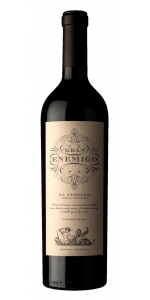
Enemigo El Enemigo Gran Enemigo is made from 100% Cabernet Franc.
In the spectrum of people who pay attention to detail, winemakers are often incredibly detail-oriented. This can sometimes spill over to become an internal battled, and, as Alejandro Vigil and Adrianna Catena state, "We are our own worst enemy." El Enemigo pays homage to this internal struggle.
The nose presents sweet aromas of black ripen fruits with hints of vanilla and chocolate, which appear after the oak ageing. The mouthfeel is sweet with structured, persistent tannins due to the natural acidity of this wine, leading into an excellent long finish.
Review:
The nose of the 2018 Gran Enemigo El Cepillo Single Vineyard, from a low-yielding and drier year, is full of curry, a note that was a constant across the three vintages I tasted together, but it tends to be stronger in low-yielding and dry years like this. It's also floral and comes through as aromatic and a little exotic, in a good way, with elegance, persistence and very pure flavors. It has fine-grained tannins, great acidity and balance. 7,200 bottles. All these single-vineyard bottlings mature in ancient 4,000-liter oak foudres for some 15 months.
-Wine Advocate 97 Points"Pretty and inviting on the nose with gorgeous aromas of floral violet, cassis and completed with a lifted, delicate liquorice note. The palate is graced with deep herb, pepper, crunchy red fruit and graceful, silky tannins."
-Decanter 97 Points
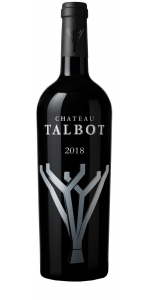
Chateau Talbot Saint-Julien Grand Cru Classe is made from 69 % Cabernet Sauvignon, 26 % Merlot, 5 % Petit Verdot.
The wine presents a delicate and captivating nose of black fruits, fresh tobacco, peppermint and floral nuances. Ripe and juicy fruit flavors of black currants on the palate with well integrated velvety tannins and a beautiful refreshing acidity to the long finish.
For the 2018 vintage, a special packaging with a unique silkscreen printing bottle was created to mark the 100th anniversary of the Cordier Family's acquisition of Chateau Talbot
Pair with red meat, roast pork, game meat, poultry, hard cheeses, poached pear.
"Rich aromas of blackcurrant, blackberry, chocolate, tobacco and licorice. Oyster shell, too. It’s full-bodied with firm, well integrated tannins. Polished, silky layers with a long finish. Gorgeous ripe and bright fruit in the center palate. Best in a long time. Try from 2025."
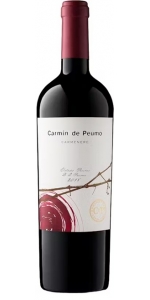
The Peumo Vineyard is located 170 m above sea level and extended along the Cachapoal River, on terraces of hills of the Coastal Mountains. The vines come from pre-phylloxera cuttings and are trellised to vertical shoot position and cordon pruned. The soils are deep with an upper layer of clay that retains moisture, which controls the vines’ vigor and growth and allows them to remain active through late May, when the Carmenere is picked.
Deep, dark red with hints of violet. Elegant and mineral on the nose, with notes of blackberry and a touch of blackcurrant. It fills the palate with underlying mature tannins. Deep, concentrated, with a long aftertaste and distinctive hints of the Peumo terroir. This 2018 vintage is characterized by its elegance and freshness; it is a wine with a lot of Carmenere character. Pairs best with elegant but simply prepared dishes such as juicy, rare roast beef, veal, pork tenderloin with roasted beets and cranberries, duck (con t or magret). Also delightful with squash-stuffed pasta with morel mushrooms or aged goat cheese with figs.
Review:
Carmín made its debut with the 2003 vintage, and since then it has come from a selection from Block 32, a sector of the vineyard in Peumo, on the banks of the Rapel River. Of its 28 hectares, seven are actually used and usually produce about 18,000 liters. The vineyards were planted in 1983 on stony clay soils on the hills that flank the Cachapoal River on its way to Lake Rapel. This was a cool year, and that's evident in the herbal notes and red fruits that fill the nose. The palate is generous in ripe red fruits, as well as in the herbal tones that refresh and add complexity at the same time. The texture is friendly, although it leaves room for a layer of very fine, sharp tannins that contribute tension, while the fruits and herbs continue their private party. We think this is the best version of Carmín that we have tried—far from the first Carmíns, which were tremendously ripe and extracted and far from this balance and elegance. Carmenere at the highest level.
-Patricio Tapia - Descorchados 98 Points
Chartron & Trebuchet Puligny-Montrachet is made from 100 percent Chardonnay.
Golden yellow color with green reflections. Mineral aromas (flint), floral (hawthorn) and milk (butter, warm croissant) that blend elegant with notes of honey and hazelnuts. On the palate, great concentration of aromas. A finish powerful and distinguished.
This Puligny Montrachet is blends elegantly with meat and fish (veal or chicken in white sauce, roasted sea bass, but also foie gras) or grilled shell fish with sauce (shrimp, lobster...).
Delicious as an aperitif or with mild tasting cheese (camembert, brie, blue, goat, gruyere...).
The Chartron et Trebuchet Estate
Owners of Premiers and Grands Crus in Puligny-Montrachet since 1859 with the Domaine Jean Chartron, Jean-René Chartron founded the Maison Chartron et Trébuchet in 1984 with Louis Trébuchet, manager of a wine trading company.
Vincent Sauvestre acquired the company in 2004. His objective is to continue to promote the great white wines of Burgundy, whilst respecting and perpetuating the quality work achieved by Jean Chartron and Louis Trébuchet.
The Maison Chartron et Trébuchet specialises in producing great white Burgundy wines. The know-how of the winemakers begins with a radical selection of the very best plots: the highest-quality terroirs of the Côte are chosen and the grapes are carefully monitored throughout the ripening period. Grapes are hand-picked when the balance between acidity and sweetness is at its prime: the fruit must not be too ripe so that the full potential of the terroir is maintained, including its acidity, to ensure that the wines age properly. All of the winemaking is done in casks: the alcoholic fermentation is followed by malolactic fermentation. A proportion of 20 to 40% of new barrels is used, depending on the appellations and the vintage. Wines are left to age for 12 to 18 months depending on the appellations.
The Chartron et Trebuchet Vineyards
Chartron et Trébuchet's vineyards are all planted on Limestone and Clay based soils. In average, the age of the vines is 30 years old.
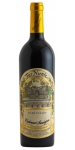
Far Niente Napa Valley Cabernet Sauvignon is made from 88% Cabernet Sauvignon, 6.5% Merlot, 2.5% Malbec, 2.5% Petit Verdot, 0.5% Cabernet Franc.
Beautiful aromas of dark plum, red cherry, licorice and warm baking spices open onto a plush and silky palate layered with plum, spiced cherry and cassis. A classic Napa Valley Cabernet, fine-grained tannins and lively acidity support the wine throughout, while the finish is refined and polished.
Review:
Very precisely polished and focused wine with aromas of black cherries, blue berries and violets followed by green bell pepper, black ink and gravel. Underlying umami notes, too. Full-bodied, firm yet finely grained juicy tannins with bright acidity that balances out the palate. Beautifully integrated toasty notes and baking spices on the mid-palate and in the finish. Flourishing and artful wine that will age gracefully.
-James Suckling 96 Points
Antica Vigna Valpolicella Ripasso DOC Superiore is made from 50% Corvina, 45% Rondinella and 5% Merlot.
Ripasso Superiore DOC is an elegant and refined wine, showing a beautiful and intense ruby color. Spicy, with cherry hints and wild berries notes, it features great personality and complexity. In the palate it is rich, very fruity, elegant and still young but already very well-orchestrated, with the typical notes of wild berries that blend well with the complexity of the wine.
20% in steel· 80% in wood for 6 months of which 2/3 in American and French barriques, half of which are used for the second and third time 1/3 in large barrels
Aging:
Fermentation time: about 7/10 days the first and 15 days the second.
Fermentation: at a controlled temperature of 18/20° and second fermentation on the skins of Amarone at 18/20°C.
Vinification: soft crushing of destemmed grapes to obtain Valpolicella.
Drying: the grapes are not dried but vinified fresh.
Harvest: mid-September with manual harvesting of the grapes.
VINIFICATION AND AGENG:
Vineyard management: sustainable agriculture and great attention to natural cycles
Vine density: 4,000 to 5,400 vines per hectare
Vine planting year: from 1972 to 2009
Vineyard training system: guyot and pergola
Soil type: limestone
Exposure: south
Height: 350/400 meters asl
Geographical location: Tenuta di Mezzane, Tenuta di Cazzano di Tramigna
THE TERRITORY:
Pairs well with grilled and roasted meats, as well as cheese.