
" We don't sell the wine without touching the vine "
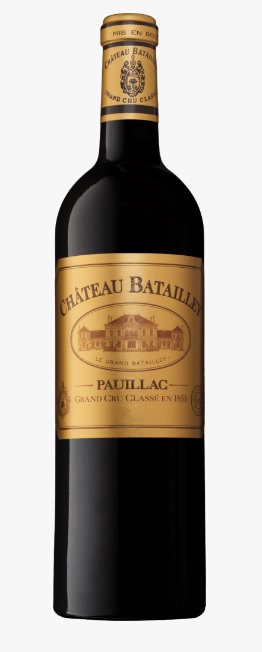
| Country: | France |
| Region: | Bordeaux |
| Winery: | Batailley |
| Grape Type: | Cabernet Sauvignon |
| Organic: | Yes |
| Vintage: | 2010 |
| Bottle Size: | 750 ml |

Chateau Talbot Saint-Julien Grand Cru Classe is made from 69 % Cabernet Sauvignon, 26 % Merlot, 5 % Petit Verdot.
The wine presents a delicate and captivating nose of black fruits, fresh tobacco, peppermint and floral nuances. Ripe and juicy fruit flavors of black currants on the palate with well integrated velvety tannins and a beautiful refreshing acidity to the long finish.
For the 2018 vintage, a special packaging with a unique silkscreen printing bottle was created to mark the 100th anniversary of the Cordier Family's acquisition of Chateau Talbot
Pair with red meat, roast pork, game meat, poultry, hard cheeses, poached pear.
"Rich aromas of blackcurrant, blackberry, chocolate, tobacco and licorice. Oyster shell, too. It’s full-bodied with firm, well integrated tannins. Polished, silky layers with a long finish. Gorgeous ripe and bright fruit in the center palate. Best in a long time. Try from 2025."

Chateau Talbot Saint-Julien Grand Cru Classe is made from 69 % Cabernet Sauvignon, 26 % Merlot, 5 % Petit Verdot.
The wine presents a delicate and captivating nose of black fruits, fresh tobacco, peppermint and floral nuances. Ripe and juicy fruit flavors of black currants on the palate with well integrated velvety tannins and a beautiful refreshing acidity to the long finish.
For the 2018 vintage, a special packaging with a unique silkscreen printing bottle was created to mark the 100th anniversary of the Cordier Family's acquisition of Chateau Talbot
Pair with red meat, roast pork, game meat, poultry, hard cheeses, poached pear.
"Well-built and rather refined for the vintage, with a deep well of red and black currant paste and plum reduction flavors supported by a deeply inlaid iron note, all of which run the length of the wine. Offers subtle savory, tobacco and singed cedar notes that add range, with a savory echo that leaves a mouthwatering feel in the end. Built to cellar. Cabernet Sauvignon, Merlot and Petit Verdot. Best from 2025 through 2040. - James Molesworth"
- Wine Spectator (March 2022), 95 pts

Grand Veneur Chateauneuf du Pape Rouge Le Miocene is made from 70% Grenache, 20% Syrah, 10% Mourvèdre .
An intense dark-ruby color. The nose develop aromas of ripe black fruit (such as blackberry), cherry and spice box. The palate reveals the presence of tannins, in high quantity and elegant. The finish is long and luxurious. This is the Châteauneuf du Pape expression, displaying all the characteristics of the terroir.
Soil type: Plots are located northern part of Châteauneuf du Pape and the vines are grown under organic process.The soil is marked by the violence wrought by the Rhone river. It consists of a layer of marine molasses of the Miocene period covered by alpine alluvium. The presence of a great number of rounded stones known as "galets" in the earth is evidence of the time when the Rhone, then a torrent, tore fragments of rock from the Alps and deposited them on the plain. The GRAND VENEUR cuvee will express year after year a great power and aromatic complexity.
Winemaking & ageing: Harvest is sorted by hand, destemmed and crushed. Fermentation temperature is controlled at 30°C. Vatting period of 18 to 20 days. Matured in vats and oak casks.

Grand Veneur Chateauneuf du Pape Rouge Le Miocene is made from 70% Grenache, 20% Syrah, 10% Mourvèdre .
An intense dark-ruby color. The nose develop aromas of ripe black fruit (such as blackberry), cherry and spice box. The palate reveals the presence of tannins, in high quantity and elegant. The finish is long and luxurious. This is the Châteauneuf du Pape expression, displaying all the characteristics of the terroir.
Soil type: Plots are located northern part of Châteauneuf du Pape and the vines are grown under organic process.The soil is marked by the violence wrought by the Rhone river. It consists of a layer of marine molasses of the Miocene period covered by alpine alluvium. The presence of a great number of rounded stones known as "galets" in the earth is evidence of the time when the Rhone, then a torrent, tore fragments of rock from the Alps and deposited them on the plain. The GRAND VENEUR cuvee will express year after year a great power and aromatic complexity.
Winemaking & ageing: Harvest is sorted by hand, destemmed and crushed. Fermentation temperature is controlled at 30°C. Vatting period of 18 to 20 days. Matured in vats and oak casks.

Grand Veneur Chateauneuf-du-Pape Rouge Les Origines is made from 50% Grenache, 30% Mourvedre and 20% Syrah
Matured in vats (grenache) and in oak casks (syrah and mourvèdre).
Deep and brilliant, purple-red colour. An exciting nose with aromas of black fruit (blackcurrant, cherry) spices and vanilla. This great aromatic complexity is found on the palate : the spices and ripe fruit appear with an elegant woodiness and harmonious tannins. The finish has good aromatic length and introduces a touch of liquorice and pepper.
A terrific Châteauneuf du Pape with great concentration and finesse.
Best between 2 and 20 years. Best to decant if young (less than 5 years old).
Soil type Extreme north of Châteauneuf du Pape. This plateau is made with a high quantity of red clay mixed with rocks. This area is considerated to be one of the best to produce rich and powerful red wines. By definition, LES ORIGINES will always deliver a great complexity and ageing potential. Winemaking & ageing Harvest is sorted by hand, destemmed and crushed. Fermentation temperature is controlled at 30°C. Vatting period of 18 to 20 days. Matured in vats (grenache) and in oak casks (syrah and mourvèdre).
Review:
"The huge nose of violet pastilles, mulberries, smoked bacon and a touch of hot asphalt pulls you into this expansive but beautifully balanced Chateauneuf that’s packed with fine, powdery tannin. So much bitter-chocolate character, but this exactly matches the deep fruit and, at the long crescendo finish, there are fascinating balsamic and hot dry-earth touches. Drinkable now, but best from 2025."
- James Suckling (March 2022), 94 pts
Grand Veneur Chateauneuf-du-Pape Rouge Les Origines is made from 50% Grenache, 30% Mourvedre and 20% Syrah
Matured in vats (grenache) and in oak casks (syrah and mourvèdre).
Deep and brilliant, purple-red colour. An exciting nose with aromas of black fruit (blackcurrant, cherry) spices and vanilla. This great aromatic complexity is found on the palate : the spices and ripe fruit appear with an elegant woodiness and harmonious tannins. The finish has good aromatic length and introduces a touch of liquorice and pepper.
A terrific Châteauneuf du Pape with great concentration and finesse.
Best between 2 and 20 years. Best to decant if young (less than 5 years old).
Soil type Extreme north of Châteauneuf du Pape. This plateau is made with a high quantity of red clay mixed with rocks. This area is considerated to be one of the best to produce rich and powerful red wines. By definition, LES ORIGINES will always deliver a great complexity and ageing potential. Winemaking & ageing Harvest is sorted by hand, destemmed and crushed. Fermentation temperature is controlled at 30°C. Vatting period of 18 to 20 days. Matured in vats (grenache) and in oak casks (syrah and mourvèdre).
Chateau Batailley Grand Cru is made from 78% Cabernet Sauvignon, 19% Merlot, 2% Petit Verdot & 1% Cabernet Franc.
Château Batailley is a winery in the Pauillac appellation of the Bordeaux region of France. The wine produced at the estate was classified as one of eighteen Cinquièmes Crus (Fifth Growths) in the Bordeaux Wine Official Classification of 1855.
Garnet-purple colour. Rich and expressive nose, fruity with notes of spices, smoke and vanilla. On the palate, this wine is supple, round, well balanced, with good acidity, a nice fruitiness and nice notes of leather and cedar. Long elegant finish.
Review:
The 2010 Batailley repeated its magnificent showing when poured at the chateau. It has a detailed bouquet of blackberry and cedar, quite backward and seemingly having advanced lite since | tasted in in April 2016. The palate remains full of tension and brimming with energy, delivering classic cedar and tobacco notes toward the persistent finish. Batailley can produce wines that live many decades, and this is clearly one of them. Tasted at the property. Drink 2020-2050
- Neal Martin Vinous 95 Points
The name "Batailley" would come from the "Battle" which took place in 1453 between the French and the English on the lands of the future domain; with the reconquest of Château Latour by the French, this year saw the end of the Hundred Years War. Château Batailley is one of the oldest residences in the town of Pauillac. Vines have been planted on this land rich in history since the 17th century. In the 18th century, three brothers and sisters of the Saint-Martin family, originally from Pauillac, acquired the estate.
In 1791, the two sisters sold their shares to Guillaume Pécholier, a Bordeaux wine merchant. In 1816, Daniel Guestier, from the trading company Barton & Guestier, bought the Château, modernized it, increased the surface area of the vineyard and improved the quality of the wine. His son succeeded him in 1847. It is the Guestier family who would have asked Jean-Pierre Barillet-Deschamps, landscape architect of Napoleon III, to design the 6-hectare park. In 1866, the Parisian banker Constant Halphen acquired the property.
In 1855, Château Batailley was classified in the Fifth Grand Cru category of the Médoc, thanks in particular to the improvements made by Daniel Guestier. The Classification of the Médoc was set up at the request of Napoleon III by the wine merchants of Bordeaux within the framework of the Universal Exhibition of Paris in 1855. It was developed according to the value of the wines, but also the reputation of the Châteaux.
Chateau Talbot Saint-Julien Grand Cru Classe is made from 69 % Cabernet Sauvignon, 26 % Merlot, 5 % Petit Verdot.
The wine presents a delicate and captivating nose of black fruits, fresh tobacco, peppermint and floral nuances. Ripe and juicy fruit flavors of black currants on the palate with well integrated velvety tannins and a beautiful refreshing acidity to the long finish.
For the 2018 vintage, a special packaging with a unique silkscreen printing bottle was created to mark the 100th anniversary of the Cordier Family's acquisition of Chateau Talbot
Pair with red meat, roast pork, game meat, poultry, hard cheeses, poached pear.
"Well-built and rather refined for the vintage, with a deep well of red and black currant paste and plum reduction flavors supported by a deeply inlaid iron note, all of which run the length of the wine. Offers subtle savory, tobacco and singed cedar notes that add range, with a savory echo that leaves a mouthwatering feel in the end. Built to cellar. Cabernet Sauvignon, Merlot and Petit Verdot. Best from 2025 through 2040. - James Molesworth"
- Wine Spectator (March 2022), 95 pts

Paul Hobbs Beckstoffer Dr. Crane Vineyard Cabernet Sauvignon is made from 100 percent Cabernet Sauvignon.
Grown on the west side of St. Helena, this distinctive cabernet sauvignon clearly displays its origins with a rich garnet hue and sophisticated aromas of cacao bean, crème de cassis, and sweet tobacco on the nose. Layered, with a superb structure, the wine offers impressions of blueberry coulis, black raspberry, and savory herbs like Herbs de Provence. The weighty mid-palate unveils anise spice and a graphite mineral note that combines with a fresh acidity that extends the long finish.
Review:
Needing plenty of air to show at its best, the 2019 Cabernet Sauvignon Beckstoffer Dr. Crane Vineyard is a sensational, gorgeous Napa Valley Cabernet that delivers the goods like only this region can. Pure Cabernet magic on the nose, with deep blackcurrants, smoked tobacco, lead pencil, and a kiss of spring flowers as well as a beautiful Pessac-Leognan-like scorched earth character, it hits the palate with full-bodied richness, silky tannins, no hard edges, and a great, great finish. It's one of those wines that builds incrementally on the palate and it's only after the second or third sip that you realize how special this wine is. It also offers that rare mix of power and elegance that's the hallmark of all great wines. It needs a couple of hours in the decanter if drinking any time soon. Hats off to Paul Hobbs for an incredible Napa Valley Cabernet Sauvignon.
-Jeb Dunnuck 100 Points

Rinaldi Moscato d'Asti Bug Juice is made from 100 percent Moscato.
Straw-yellow color. The bouquet is delicate and intense with aromas of fruit (apple, peach) and spices (sage). The palate is sweet and smooth with lingering aromatic persistence. A refreshing and pleasant wine, perfect for brunch, picnics or poolside.
The training system used is Guyot with a density of 2500-3000 vines per hectare Manual harvest into crates. Soft pressing. Settling in steel vats to allow natural clearing of musts. Racking, increase in temperature. Temperature and pressure controlled fermentation until bottling.
Dessert, ideal with hazelnut cake. Original with "strong" cheese such as Robiola of Roccaverano and Gorgonzola.



