
" We don't sell the wine without touching the vine "
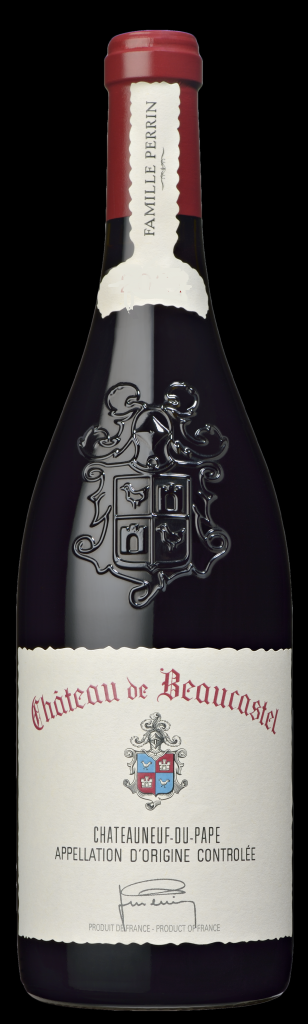
| Country: | France |
| Regions: | Rhone Chateauneuf du Pape |
| Winery: | Beaucastel |
| Grape Type: | Grenache |
| Organic: | Yes |
| Vintage: | 2007 |
| Bottle Size: | 750 ml |
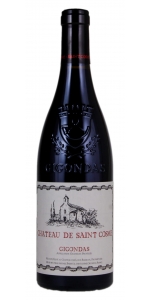
Chateau de Saint Cosme Gigondas is made from 70% Grenache, 15% Mourvèdre, 14% Syrah, 1% Cinsaut.
The wine shows intense blackberry and fig fruit with licorice, violets, and charcoal on the finish. It is remarkably fresh and finessed given the sun and warmth of the southern Rhône. The unique micro-climate combined with 60-year-old vines and traditional winemaking make Château de Saint Cosme Gigondas the benchmark wine of the appellation.
Review:
Leading off the Gigondas, the base 2020 Gigondas has lots of black raspberry, ground pepper, and violets notes as well as a round, supple, silky style on the palate. It should be approachable on release, yet it has plenty of mid-palate depth as well as tannins, and I have no doubt it will evolve for 20 years if properly stored.
-Jeb Dunnuck 91-93 Points
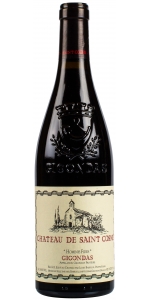
Hominis Fides is typically the most elegant of Château de Saint Cosme’s three single-vineyard Gigondas. “Grenache grown in the sandy soil produces marvelously textured wines as well as extremely refined tannins; a very special and stylish wine,” says Louis Barruol. The wine features aromas and flavors of pepper, truffle, graphite, and smoke.
Grenache is the pale-colored, red-fruited, and potpourri-scented red grape variety of the southern Rhône and can be paired with both rustic and sophisticated dishes. Full-bodied Grenache-based wines are ideal with stews, braises, and grilled meats, while lighter versions can work well with dark fish and tomato-based dishes such as ratatouille.
Review:
Deep, vivid ruby-red. Intensely perfumed, mineral-tinged scents of medicinal cherry, redcurrant and cassis are complemented by suggestions of star anise, white pepper and pungent flowers. It offers densely packed bitter cherry, red berry liqueur, lavender and licorice flavors that open up very slowly with air. Extremely primary but highly promising, with a long, spice- and mineral-tinged finish shaped by youthfully firming tannins. Made with 100% whole clusters; raised in barriques, one-third of them new.
-Vinous 95-97 Points
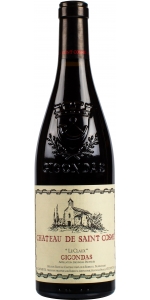
Chateau de Saint Cosme Gigondas Le Claux is made from 95% Grenache, 5% Syrah.
Château de Saint Cosme is the leading estate of Gigondas and produces the benchmark wines of the appellation. The property has been in the hands of the Barruol family since 1490. Louis Barruol took over from his father in 1992 making a dramatic shift to quality and converting to biodynamics in 2010.
Château de Saint Cosme Gigondas Le Claux is the estate’s oldest vineyard and sits near the entrance to the winery. “It was first planted in 1870 following phylloxera. My uncles thought it wasn’t producing enough fruit and planned to uproot it in 1914,” says Louis Barruol, but “World War I interrupted that plan.”
The 1.8-hectare Le Claux—meaning “Clos” in old French—is a field blend of predominately Grenache. Louis Barruol believes 10% of the vineyard is from the original 1870 planting. Vines are replaced by massal selection and the average vine age is 60-years. The wine is made with whole cluster fermentation from indigenous yeasts, is aged in 20% new 228-liter barrels, and bottled without fining or filtration.
Tasting Notes
Brilliant violet color. Displays pungent, mineral- and spice-accented cherry, black raspberry, potpourri and licorice aromas, along with hints of savory herbs, vanillo and incense. Chewy and tightly focused on the palate, offering bitter cherry, dark berry and Moroccan spice flavors that unfurl slowly through the back half. It closes with firm tension, chewy tannins and excellent tenacity, leaving resonating cherry and floral notes behind. All barriques, a third of them new.
-Vinous 95-97 Points
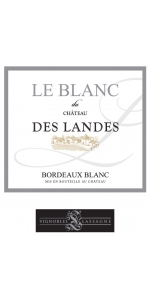
Le Blanc du Chateau des Landes Bordeaux Blanc is made from 50% Sauvignon Blanc and 50% Semillion.
Le Blanc du Chateau des Landes Bordeaux Blanc is a very fruity style of Bordeaux Blanc AOC. It has great aromatic intensity with white peach and citrus aromas.
No oak for this wine. The wine was aged on the lees for a few month in stainless steel tank.
Malolactic fermentation was completed as well in the process .
Excellent as an aperitif, it also goes very well with poultry and salads. If you have a chance to have access to fresh oyters, it is a great match as well.
The first vintage of this wine was made in 2018 as Nicolas Lassagne wanted to create an easy drinking wine that will be perfect as an aperitif in the summer time or to compliment salads and seafood in the winter time.
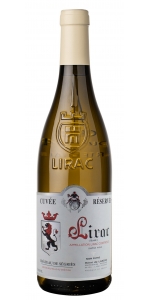
Segries Lirac Rouge Cuvee Reservee is made from 50% Ugni Blanc, 30% Clairette, 20% Roussanne.
Nice bronze reflections, aromas of white peach, honey, licorice notes on the finish. Beautiful freshness on the palate. Round, well-balanced and persistent wine.
Wine is a perfect match for seafood, poultry in a creamy sauce and goat cheese.
Maison de Magali Chateauneuf-du-Pape Rouge is made from 84% Grenache, 11% Syrah and 5% Mourvèdre.
Maison de Magali Chateauneuf-du-Pape is designed to be a very fruity and fresh CDP with structure. Different flavors of red and black fruits with a hint of pepper and spice notes.
Pair with grilled meat and vegetables. Also excellent with cheese and dark chocolate dessert.
Grenache 30%, Mourvèdre 30%, Vaccarèse, Terret noir, Muscardin, Clairette, Picpoul, Picardan, Bourboulenc, Roussanne,15% Counoise , 10% Syrah, 10% Cinsault : 5%
The story :
Château de Beaucastel has long been considered one of the great wines of France. It is unanimously renowned for its balance, elegance and ageing potential. Beaucastel has an extraordinary terroir at the Northern end of the appellation with heavy exposure to the Mistral. All 13 varieties of the appellation have been organically grown here since the sixties.
The vintage :
A great vintage, this year is characterised by the contrast between an extremely hot July and a very cool August.
September experienced heat and two heavy rain pours during the first half of the month. This did not hurt the quality of the vintage and we were able to harvest late with the beautiful Indian summer lasting until mid October.
Location :
Châteauneuf du Pape, between Orange and Avignon, Château de Beaucastel red is a 70-hectare vineyard.
Terroir :
Château de Beaucastel is 110 hectares, with one single plot at the north of the appellation. The terroir is archetypal of the best terroirs in Châteauneuf: rolled pebbles on the surface, sand, clay and limestone deeper down. The vines are old and have been organically grown for 50 years, which has allowed the roots to grow exceptionally deep.
Beaucastel grows all thirteen grape varieties authorised by the appellation.
Ageing :
Each variety is harvested manually and separately. Vinification is completed in truncated oak barrels for the reductive grapes (Mourvèdre and Syrah) and in traditional tiled cement tanks for the oxidative grapes (such as Grenache). After the malolactic fermentations, the family blends the different varieties and then the wine ages in oak Foudres for a year before bottling.
Review:
A straight up, phenomenal wine, this bottle of 2007 Château de Beaucastel Châteauneuf-du-Pape was double decanted (poured into a decanter and then back into the bottle) 12 hours prior to drinking and boasted gorgeous aromatics (blackberry, cassis, lavender, garrigue and roasted meat), full bodied power, serious concentration and unreal purity. Very polished and almost civilized by Beaucastel standards, this beauty should drink beautifully for 3 decades. Wow.
-Jeb Dunnuck 96+
An estate with worldwide recognition, Château de Beaucastel’s history dates back to 1549, when Pierre de Beaucastel purchased the land and built a manor house. In 1909, another Pierre -- Pierre Traminer-- purchased the estate, which he later transferred to his son-in-law Pierre Perrin. Today, the fourth and fifth generation of Perrins run the famed wine estate. Throughout the generations the family’s values have remained: absolute respect for land and terroir; biodynamic culture as a philosophy of life; and the research of truth, balance, and elegance. Pioneers in their innovative approach to organic farming in 1950 and then biodynamic farming in 1974, Famille Perrin has the deep conviction that the grapes must have flavors to make an expressive wine. The vineyards of Château de Beaucastel are located on historic land where each of the 13 approved grapes varietals of the Châteauneuf-du-Pape appellation are planted. Château de Beaucastel covers 315 acres. 250 acres are planted with vines, three-quarters in the AOC Châteauneuf-du-Pape and the remaining one-quarter in the AOC Côtes du Rhône. The art of blending is key at Château de Beaucastel, both the blending of talents of each family member and blending the 13 grapes to produce these exceptional Châteauneuf-du-Pape wines. They are in the process of renovating and rebuilding the winery’s cellar with an ecological focus, including a project to harness the cooling effect of the region's notorious 'Mistral' wind to limit the use of artificial air conditioning and bring down current cellar temperatures from 14°C to a desired 12°C. Once accomplished, the winery will be one of the most advanced in regard to environmental practices
A very deep purple, red in color. This wine showcases Shiraz with its depth of Barossa Valley and the alluring, aromatic freshness of Eden Valley. Vibrant aromas of dark cherries, anise and red raspberry. A distinctive wine with richness and dark berry, fruit compote palate. Perfectly balanced, elegant and refined.
Enjoy with beef filet, roast beetroot and horseradish, or Korean fried cauliflower.
This blend of Barossa Valley (67%) and Eden Valley fruit hails from five parcels averaging 80 years old, the oldest planted in 1854. Intensely concentrated in hue and muscular flavour. Spicy and mineral to the nose and palate, with glimpses of violets. Its iodine and liquorice-edged black cherry and blueberry flavour is succulent, but still in the grip of the sinewy, charry oak, making for an imposing, slightly austere finish. A powerhouse.
Saturated ruby. Heady aromas of ripe dark berries, cherry liqueur, vanilla and incense, with smoky mineral and exotic spice accents building in the glass. Seamless in texture and deeply concentrated, offering palate-staining black and blue fruit, floral pastille and mocha flavors that turn sweeter with air. At once plush and lively, finishing extremely long and smoky, with repeating dark berry and floral notes and velvety tannins.
-Vinous 96 Points
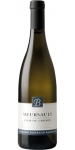
Bachelet Bertrand Meursault Clos du Cromin is made from 100 percent Chardonnay.
Meursault, the world-renowned appellation, has produced mostly fine white wines for centuries. Meursault Clos du Cromin takes its name from the village 'Le Cromin', situated in the north-east of the appellation, close to the Volnay vineyard, in rich, clay soil.
The wine reveals a beautifully transparent and brilliant color, a subtle nose of citrus fruits, butter and honey, and a long finish.
Pairs with a noble fish, or white meat in sauce.



