
" We don't sell the wine without touching the vine "
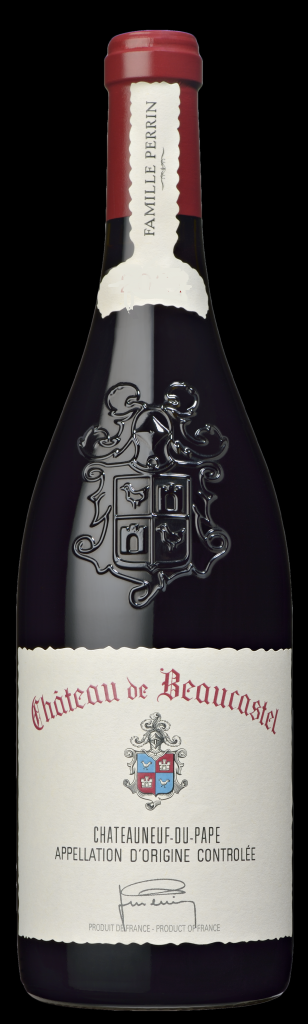
| Country: | France |
| Regions: | Rhone Chateauneuf du Pape |
| Winery: | Beaucastel |
| Grape Type: | Grenache |
| Organic: | Yes |
| Vintage: | 2009 |
| Bottle Size: | 750 ml |
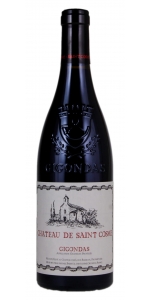
Chateau de Saint Cosme Gigondas is made from 70% Grenache, 15% Mourvèdre, 14% Syrah, 1% Cinsaut.
The wine shows intense blackberry and fig fruit with licorice, violets, and charcoal on the finish. It is remarkably fresh and finessed given the sun and warmth of the southern Rhône. The unique micro-climate combined with 60-year-old vines and traditional winemaking make Château de Saint Cosme Gigondas the benchmark wine of the appellation.
Review:
Leading off the Gigondas, the base 2020 Gigondas has lots of black raspberry, ground pepper, and violets notes as well as a round, supple, silky style on the palate. It should be approachable on release, yet it has plenty of mid-palate depth as well as tannins, and I have no doubt it will evolve for 20 years if properly stored.
-Jeb Dunnuck 91-93 Points
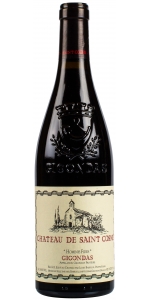
Hominis Fides is typically the most elegant of Château de Saint Cosme’s three single-vineyard Gigondas. “Grenache grown in the sandy soil produces marvelously textured wines as well as extremely refined tannins; a very special and stylish wine,” says Louis Barruol. The wine features aromas and flavors of pepper, truffle, graphite, and smoke.
Grenache is the pale-colored, red-fruited, and potpourri-scented red grape variety of the southern Rhône and can be paired with both rustic and sophisticated dishes. Full-bodied Grenache-based wines are ideal with stews, braises, and grilled meats, while lighter versions can work well with dark fish and tomato-based dishes such as ratatouille.
Review:
Deep, vivid ruby-red. Intensely perfumed, mineral-tinged scents of medicinal cherry, redcurrant and cassis are complemented by suggestions of star anise, white pepper and pungent flowers. It offers densely packed bitter cherry, red berry liqueur, lavender and licorice flavors that open up very slowly with air. Extremely primary but highly promising, with a long, spice- and mineral-tinged finish shaped by youthfully firming tannins. Made with 100% whole clusters; raised in barriques, one-third of them new.
-Vinous 95-97 Points
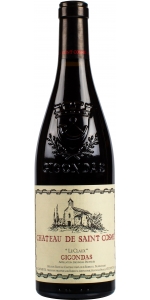
Chateau de Saint Cosme Gigondas Le Claux is made from 95% Grenache, 5% Syrah.
Château de Saint Cosme is the leading estate of Gigondas and produces the benchmark wines of the appellation. The property has been in the hands of the Barruol family since 1490. Louis Barruol took over from his father in 1992 making a dramatic shift to quality and converting to biodynamics in 2010.
Château de Saint Cosme Gigondas Le Claux is the estate’s oldest vineyard and sits near the entrance to the winery. “It was first planted in 1870 following phylloxera. My uncles thought it wasn’t producing enough fruit and planned to uproot it in 1914,” says Louis Barruol, but “World War I interrupted that plan.”
The 1.8-hectare Le Claux—meaning “Clos” in old French—is a field blend of predominately Grenache. Louis Barruol believes 10% of the vineyard is from the original 1870 planting. Vines are replaced by massal selection and the average vine age is 60-years. The wine is made with whole cluster fermentation from indigenous yeasts, is aged in 20% new 228-liter barrels, and bottled without fining or filtration.
Tasting Notes
Brilliant violet color. Displays pungent, mineral- and spice-accented cherry, black raspberry, potpourri and licorice aromas, along with hints of savory herbs, vanillo and incense. Chewy and tightly focused on the palate, offering bitter cherry, dark berry and Moroccan spice flavors that unfurl slowly through the back half. It closes with firm tension, chewy tannins and excellent tenacity, leaving resonating cherry and floral notes behind. All barriques, a third of them new.
-Vinous 95-97 Points
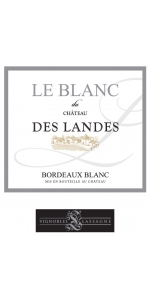
Le Blanc du Chateau des Landes Bordeaux Blanc is made from 50% Sauvignon Blanc and 50% Semillion.
Le Blanc du Chateau des Landes Bordeaux Blanc is a very fruity style of Bordeaux Blanc AOC. It has great aromatic intensity with white peach and citrus aromas.
No oak for this wine. The wine was aged on the lees for a few month in stainless steel tank.
Malolactic fermentation was completed as well in the process .
Excellent as an aperitif, it also goes very well with poultry and salads. If you have a chance to have access to fresh oyters, it is a great match as well.
The first vintage of this wine was made in 2018 as Nicolas Lassagne wanted to create an easy drinking wine that will be perfect as an aperitif in the summer time or to compliment salads and seafood in the winter time.
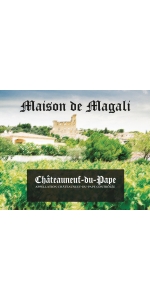
Maison de Magali Chateauneuf-du-Pape Rouge is made from 84% Grenache, 11% Syrah and 5% Mourvèdre.
Maison de Magali Chateauneuf-du-Pape is designed to be a very fruity and fresh CDP with structure. Different flavors of red and black fruits with a hint of pepper and spice notes.
Pair with grilled meat and vegetables. Also excellent with cheese and dark chocolate dessert.
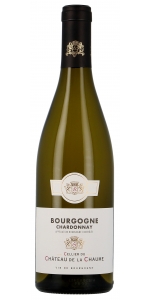
Cellier du Chateau de la Chaume Bourgogne Chardonnay is 100% Chardonnay.
Clear yellow color.
Aromas of white flowers, honeysuckle, leme tree and dried fruits.
The palate is rich and balanced, with good acidity and nice minerality.
Good length to the finish, pair with fish in creamy sauce, white meats and fine cheeses.
Grenache 30%, Mourvèdre 30%, Vaccarèse, Terret noir, Muscardin, Clairette, Picpoul, Picardan, Bourboulenc, Roussanne,15% Counoise , 10% Syrah, 10% Cinsault : 5%
The story :
Château de Beaucastel has long been considered one of the great wines of France. It is unanimously renowned for its balance, elegance and ageing potential. Beaucastel has an extraordinary terroir at the Northern end of the appellation with heavy exposure to the Mistral. All 13 varieties of the appellation have been organically grown here since the sixties.
The vintage :
A great vintage, this year is characterised by the contrast between an extremely hot July and a very cool August.
September experienced heat and two heavy rain pours during the first half of the month. This did not hurt the quality of the vintage and we were able to harvest late with the beautiful Indian summer lasting until mid October.
Location :
Châteauneuf du Pape, between Orange and Avignon, Château de Beaucastel red is a 70-hectare vineyard.
Terroir :
Château de Beaucastel is 110 hectares, with one single plot at the north of the appellation. The terroir is archetypal of the best terroirs in Châteauneuf: rolled pebbles on the surface, sand, clay and limestone deeper down. The vines are old and have been organically grown for 50 years, which has allowed the roots to grow exceptionally deep.
Beaucastel grows all thirteen grape varieties authorised by the appellation.
Ageing :
Each variety is harvested manually and separately. Vinification is completed in truncated oak barrels for the reductive grapes (Mourvèdre and Syrah) and in traditional tiled cement tanks for the oxidative grapes (such as Grenache). After the malolactic fermentations, the family blends the different varieties and then the wine ages in oak Foudres for a year before bottling.
Review:
One of the more endowed 2009s, this is packed with dark smoldering cocoa, mesquite, tobacco and roasted fig notes, all inlaid with pure cassis and plum preserves fruit flavors. Long and authoritative on the finish, with singed vanilla bean and tar notes adding length and dimension. Best from 2015 through 2026. 3,150 cases imported.
-Wine Spectator 96 Points
An estate with worldwide recognition, Château de Beaucastel’s history dates back to 1549, when Pierre de Beaucastel purchased the land and built a manor house. In 1909, another Pierre -- Pierre Traminer-- purchased the estate, which he later transferred to his son-in-law Pierre Perrin. Today, the fourth and fifth generation of Perrins run the famed wine estate. Throughout the generations the family’s values have remained: absolute respect for land and terroir; biodynamic culture as a philosophy of life; and the research of truth, balance, and elegance. Pioneers in their innovative approach to organic farming in 1950 and then biodynamic farming in 1974, Famille Perrin has the deep conviction that the grapes must have flavors to make an expressive wine. The vineyards of Château de Beaucastel are located on historic land where each of the 13 approved grapes varietals of the Châteauneuf-du-Pape appellation are planted. Château de Beaucastel covers 315 acres. 250 acres are planted with vines, three-quarters in the AOC Châteauneuf-du-Pape and the remaining one-quarter in the AOC Côtes du Rhône. The art of blending is key at Château de Beaucastel, both the blending of talents of each family member and blending the 13 grapes to produce these exceptional Châteauneuf-du-Pape wines. They are in the process of renovating and rebuilding the winery’s cellar with an ecological focus, including a project to harness the cooling effect of the region's notorious 'Mistral' wind to limit the use of artificial air conditioning and bring down current cellar temperatures from 14°C to a desired 12°C. Once accomplished, the winery will be one of the most advanced in regard to environmental practices
The 2021 Domaine Joseph Voillot Volnay Les Champans Premier Cru is from the domain’s largest premier cru holding, 4.2 acres whose vines date from 1934, 1971, and 1985. Champans is down-slope in the premier cru band, and its wine typically has more fruit and power than other Voillot Volnays.
Review:
‘The 2021 Volnay Les Champans Ter Cru has much more brightness and delineation than the Fremiets this year, with red cherries, wild strawberries and ust a touch of iodine and sous-bois. This is nicely focused. The palate is medium-bodied with sappy red fruit, fine structure, pliant tannins and a harmonious finish. Not the most complex Champans encountered from this address, yet it has class.
-Vinous 91-93 Points
The 2021 les Champans is also a simply stunning example of this fine premier cru vineyard. The beautifully elegant nose wafts from the glass in a blend of red and black plums, cherries, spit-roasted quail, a complex base of soil, woodsmoke, coffee bean and a deft touch of vanillin oak. On the palate the wine is pure, full-bodied and shows off superb depth at the core, great soil signature, ripe, fine-grained tannins and a long, nascently complex and very promising finish. This is a touch more reserved on the palate than the Fremiets and will take a bit longer to blossom, but it is going to be stellar. 2034-2085.
93+ pts- John Gilman, View from the Cellar #102
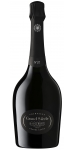
Laurent-Perrier Grand Siecle No. 27 is a blend of 60% Chardonnay, 40% Pinot Noir.
Grand Siècle was born from the vision of Bernard de Nonancourt: to recreate the perfect year, one that nature alone could never deliver. Iteration N°27 embodies this idea, crafted from a masterful blend of three outstanding years – 2015, 2013, and 2012 – with a predominance of Chardonnay complemented by Pinot Noir, sourced from eight Grand Cru vineyards.
After at least 10 years of aging on the lees, the result is a wine of rare aromatic complexity, combining freshness, energy, and timeless elegance. Grand Siècle is never tied to a single vintage but represents a higher concept: the pursuit of absolute balance between intensity, finesse and harmony. Since 1959, it has been revealed only 27 times in bottle and 24 times in magnum, affirming its place among the most exclusive and refined champagnes.
Vintage in Champagne is usually synonymous with excellence for Prestige Cuvées. Contrarily, Laurent‑Perrier believes that only the art of assemblage can offer what nature can never provide, that is, the perfect year.
The expression of the perfect year is that of a great champagne wine that has long ageing potential and over time develops depth, intensity and aromatic complexity yet retains its freshness and vibrancy.
Since 1959, Grand Siècle has been revealed only 26 times in bottle format and 23 times in magnum.
The « Grand Siècle » (Great Century) is the name given to one of the most prosperous periods (17th century) in the history of France known for the capacity of man, through his works, to create what nature cannot. Louis XIVth, known as the « Sun King », by creating the « Château de Versailles » and its gardens, was the architect of this model of harmony, balance and perfection.
The symmetry and perspective of the « Jardins à la française », the capacity to grow Mediterranean fruits (especially Oranges inside the « Orangerie ») in such a Northern climate, creating the Grand Canal, the fountains and ponds with no nearby rivers are many illustrations of this ability of man to sublimate natural elements. The name of Grand Siècle was chosen for Laurent‑Perrier’s Prestige Cuvée based on this common vision to reach a perfection that Nature, on its own, cannot provide.
Review:
Impressively aromatic, showing honeysuckle, violets and lavender with bread dough and just a hint of light caramel as well as dried apples, cooked pears and tarte tatin. Reductive with graphite, stone and iodine. Some chalk too. Full-bodied but not at all heavy, turning almost weightless. Nine years on the lees and 7 g/L dosage give energy, length and form. Goes on for minutes. This will age beautifully but is already fascinating, evolving in the glass. Drink or hold.
James Suckling 99 Points



