
" We don't sell the wine without touching the vine "

All older vintage wines have been purchased from a single collectors cellar. Pictures can be requested before shipment.
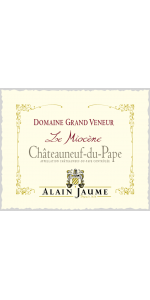
Grand Veneur Chateauneuf du Pape Rouge Le Miocene is made from 70% Grenache, 20% Syrah, 10% Mourvèdre .
An intense dark-ruby color. The nose develop aromas of ripe black fruit (such as blackberry), cherry and spice box. The palate reveals the presence of tannins, in high quantity and elegant. The finish is long and luxurious. This is the Châteauneuf du Pape expression, displaying all the characteristics of the terroir.
Soil type: Plots are located northern part of Châteauneuf du Pape and the vines are grown under organic process.The soil is marked by the violence wrought by the Rhone river. It consists of a layer of marine molasses of the Miocene period covered by alpine alluvium. The presence of a great number of rounded stones known as "galets" in the earth is evidence of the time when the Rhone, then a torrent, tore fragments of rock from the Alps and deposited them on the plain. The GRAND VENEUR cuvee will express year after year a great power and aromatic complexity.
Winemaking & ageing: Harvest is sorted by hand, destemmed and crushed. Fermentation temperature is controlled at 30°C. Vatting period of 18 to 20 days. Matured in vats and oak casks.
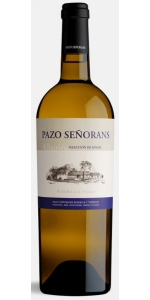
Pazo de Senorans Seleccion de Anada Albarino is made from 100 percent Albarino.
Straw yellow with greenish tints, vivid and brilliant. High intensity and very expressive. Profusion of aromas with traces of mineral. Great volume and ample body leaving a lasting impression from beginning to end.
Reviews:
The 2015 Albariño Selección de Añada is nothing short of phenomenal. For some reason, I hadn't tasted the young 2015 Albariño at the time it was released. It comes from the Los Bancales vineyard planted some 50 years ago and fermented with indigenous yeasts but without malolactic fermentation. It has a bright, almost fluorescent color and a complex, subtle and nuanced, elegant and expressive nose, with notes of sea shells and sea breeze, grass and white flowers. It's very clean, and the palate shows great balance and even feels a bit young. It has remarkable acidity and freshness (seven grams of tartaric acid) with good ripeness and 13% alcohol. This matured in tank with lees for over 30 months and was bottled in June 2024. It feels more serious and less exotic than earlier vintages. 18,000 bottles produced. This is the finest vintage that I can remember. Bravo!
-Wine Advocate 97 Points
Tech:
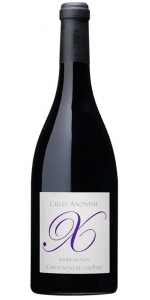
Xavier Vignon Chateauneuf-du-Pape Rouge Cuvee Anonyme 2019 is made from 60% Grenache, 15% Mourvedre, 10% Syrah and the rest is "field blend" with the following grapes : grenache, vaccarese, counoise, mourvèdre, terret noir and muscardin.
One of Xavier Vignon's first almost anonymous blends only in MAGNUMS !
The grapes come from "collection vines", where many grape varieties are planted together, making it difficult to identify the exact share of each variety: grenache, vaccarese, counoise, mourvèdre, terret noir and muscardin.
Partially destemmed and vinified in a mix of demi-muids and tank, it offers a beautifully pure, vibrant bouquet of black raspberries, white and black pepper, candied orange, and violets. Complex, layered, and nuanced, this beauty is medium to full-bodied, has a seamless texture, and a great finish. It has both elegance and richness, and will keep for 15+ years.
Pairing: Duck in sauce with olives. Ravioli with porcini mushrooms, cream of parsnip and bacon crisps. Partridge leg confit with olive oil.
Review:
"The flagship from Xavier is the 2019 Châteauneuf Du Pape Cuvee Anonyme, and in 2019 it’s 60% Grenache, 15% Mourvèdre, 10% Syrah, and the balance a mix of permitted varieties. Partially destemmed and brought up in a mix of demi-muids and tank, it offers a beautifully pure, vibrant bouquet of black raspberries, white and black pepper, candied orange, and violets. Complex, layered, and nuanced, this beauty is medium to full-bodied, has a seamless texture, and a great finish. It has both elegance and richness, and will keep for 15+ years."
- Jeb Dunnuck (October 2020), 95-97 pt
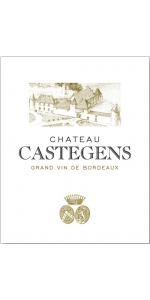
Chateau Castegens Cotes de Bordeaux Castillon is made from 80% Merlot, 18% Cabernet Franc and 2% Cabernet Sauvignon.
The wine boasts an intense, deep and lively red color. The nose offers black fruit, blackberry, cigar box, licorice, some delicate and integrated oak flavors as well. The mouth is full of fruit flavors, spice and fine toasty flavors. The structure is rich, but the tannins are well integrated already. The finish is long and a slight mintiness give the wine a great length and some purity.
Pairs great with meat and vegetables on the grill.
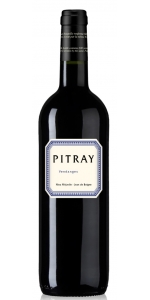
Chateau Pitray Castillon Cotes de Bordeaux Le Grand Vin is made from 90% Merlot and 10% Cabernet Franc.
Notes of candied fruit, dried figs, currants marked by their delicacy despite the sensation of great maturity. On the palate, we find this aromatic range with present but very velvety tannins.
Ageing: partially in new oak barrels, partially 1 and 2 years old barrels and stainless steel tanks.Vinification: thermo-regulated concrete tank.
2 other grape selection including one handed, before filling the tanks.
Harvest: last generation harvesting machine with on-board grape selection.
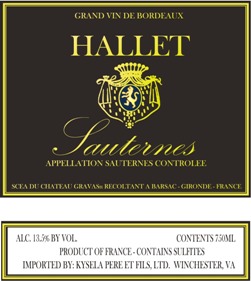
Hallet Sauternes (half bottle) is made from 100% Sémillon.
With delicate aromas of honey, citrus, crystallized fruit and acacia, it makes a good match not only for desserts, but also for foie gras, roasted meats and blue cheeses. It makes a delicious aperitif when served chilled.
The Hallet Estate
Chateau Hallet is located in Sauternes, and is a Michel Bernard family rental system vineyard. This family also owns Chateau Gravas, Sauternes.
The Hallet Vineyard
The vineyard is 5 hectares (13 acres) total. The soil is a mix of clay and limestone. The 30 year-old vines are harvested by hand: the grapes are picked in successive passes. The wine matures in stainless steel tank and no oak is used.
The production is 1,250 cases / year on average.
We are delighted to offer our first Beckstoffer Georges III bottling in many years. The spectacular vineyard site with its back to the Silverado Trail is the historic site of the grand old BV masterpieces produced for most of the last century. It is as pure an expression of Napa Valley terroir as is available anywhere, from anyone. Ripe and round black fruits, spice, blueberry, and cedar, and cigar box aromas are echoed on the palate and balanced by a preternatural lift from natural acidity and a swell of earth notes. A stunning achievement.
Review:
Thick in sage brush, dried herb and earth, this wine is powerfully built and unabashedly ripe. Dark black fruit, mocha and graphite notes arise along the thick, intense palate, leading to finishing touches of slate and iron. Cellaring will help to tame the tannins; enjoy from 2028–2035.
-Cellar Selection Wine Enthusiast 94 Points
Licenciado Rioja Reserva is made from 100% Tempranillo
This single vineyard wine is always produced from the same vineyard that is also used to make the Gran Reserva wine.
Licenciado shows a ruby red color and outstanding aromas of wild berries, vanilla and spice. The palate is well-balanced, rounded and elegant, and offers black pepper, ripe black fruits and vanilla flavors. Its freshness, oak ageing and high extraction guarantee a longevity of at least 10 years after the year of harvest.
Best enjoyed with red meat and game
Review:
Spicy peppercorns, black cherries, plums and a touch of cocoa powder. Medium-bodied with firm, fine tannins and an extensive finish. Drink now or hold.
-James Suckling 90 Points



