
" We don't sell the wine without touching the vine "

| Country: | France |
| Region: | Bordeaux |
| Grape Type: | Cabernet Sauvignon |
| Vintage: | 1978 |
| Bottle Size: | 900 ml |

All older vintage wines have been purchased from a single collectors cellar. Pictures can be requested before shipment.
All older vintage wines have been purchased from a single collectors cellar. Pictures can be requested before shipment.
All older vintage wines have been purchased from a single collectors cellar. Pictures can be requested before shipment.
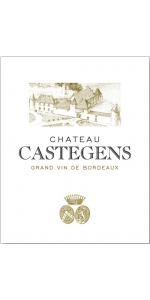
Chateau Castegens Cotes de Bordeaux Castillon is made from 80% Merlot, 18% Cabernet Franc and 2% Cabernet Sauvignon.
The wine boasts an intense, deep and lively red color. The nose offers black fruit, blackberry, cigar box, licorice, some delicate and integrated oak flavors as well. The mouth is full of fruit flavors, spice and fine toasty flavors. The structure is rich, but the tannins are well integrated already. The finish is long and a slight mintiness give the wine a great length and some purity.
Pairs great with meat and vegetables on the grill.
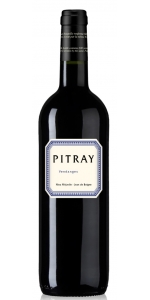
Chateau Pitray Castillon Cotes de Bordeaux Le Grand Vin is made from 90% Merlot and 10% Cabernet Franc.
Notes of candied fruit, dried figs, currants marked by their delicacy despite the sensation of great maturity. On the palate, we find this aromatic range with present but very velvety tannins.
Ageing: partially in new oak barrels, partially 1 and 2 years old barrels and stainless steel tanks.Vinification: thermo-regulated concrete tank.
2 other grape selection including one handed, before filling the tanks.
Harvest: last generation harvesting machine with on-board grape selection.
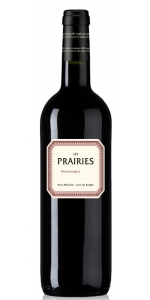
Chateau Pitray Castillon Cotes de Bordeaux Les Prairies is made from 75% Merlot, 23 % Cabernet Franc and 2 % Malbec.
Notes of ripe fruit and black tea leaves, it is a young but accomplished wine, ready to drink, whose tannins are already very well integrated.
All older vintage wines have been purchased from a single collector’s cellar. Pictures can be requested before shipment.
J. Lohr Hilltop Cabernet Sauvignon is made from 94% Cabernet Sauvignon, 3% Petit Verdot, 2% Malbec, 1% Cabernet Franc.
Displays blackberry and blueberry compote aromas garnished with crushed violet, cracked pepper, and black tea. Plump fruit on the palate with fine-grained tannins. Juicy layers of black and red currants lead to a bright finish accented by pastry notes from the 16 months aging in French cooperage.
-Tasting Panel 94 Points
-Wine Enthusiast 94 Points
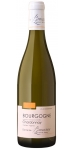
Boussey Bourgogne Blanc Cote d'Or Vieilles Vignes is made from 100 percent Chardonnay.
The grapes for Bourgogne Blanc Chardonnay Vieilles Vignes are grown on a parcel located within the city of Meursault.
The wine displays a refreshing nose of lime, citrus fruits, flint, honey and a touch of dried fruit. The palate is full of flavors, with honeysuckle, citrus and some salinity with an excellent balance between acidity and roundness.
Pair with cheese, seafood, nems, Spanish tapas and apple tart.



