" We don't sell the wine without touching the vine "
| Country: | United States |
| Regions: | California California (Paso Robles) |
| Winery: | Clos Solene |
| Grape Type: | Grenache |
| Vintage: | 2018 |
| Bottle Size: | 750 ml |
Mas Sinen Clos Priorat is made from 38% Garnacha, 22% Cabernet Sauvignon, 23% Carinena, 16% Syrah.
Before the 2017 vintage, this wine was called Negre. It is the same vinification and level of excellence as the prior cuvee, but with a different name.
It's quite ripe, concentrated, powerful and oaky with black rather than red fruit and peat and graphite aromas. The palate is full-bodied with plenty of rough-hewn tannins and moderate acidity, and is in need of bottle age and/or powerful food. An XXL Priorat.
Clos des Cazaux Gigondas Le Souiras is 100% Grenache.
“Le Souiras” is the terroir located at the very South end of the Gigondas appellation. Here, in the midst of the Dentelles de Montmirail, an extraordinary calcareous massif, we planted grapevines on slopes surrounded by Mediterranean vegetation.
We are situated at an altitude of 250 meters, where the nights are cooler. The terroir is stony with a layer of grey and blue clay under the topsoil. The slopes face West and are protected from the strong summer sun by the Montmirail hill. Due to this ideal microclimate, our old Grenache grapevines contain all the complexity and balance of this sunny terroir.
Color : Dark intense ruby color.
Bouquet : Notes of little red fruits, white pepper, caramel and juniper.
Palate : The first impression is arresting and generally qualified as round, complex and dense.
The aromas of black cherry, mocha and white pepper are very intense. The palate is powerful, elegant and velvety.
The finish is long, with very silky tannins and a very slight bitterness that gives this exceptional Grenache an impression of freshness.
Review:
"A brilliant wine that has so much to love, the 2022 Gigondas Le Souiras is all Grenache that was brought up in barrels. It exhibits a vivid ruby hue as well as classic kirsch and blackberry fruit intermixed with peppery garrigue, spice, and ample Provençal nuances. This medium-bodied, fresh, focused 2022 has a beautiful sense of elegance, fine tannins, and the balance to evolve gracefully over the coming 10-12 years."
- Jeb Dunnuck (December 5th 2024), 94 pts
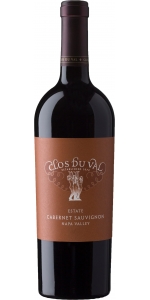
Clos du Val Estate Cabernet Sauvignon is made from 76% Cabernet Sauvignon, 7% Merlot, 5% Malbec and 1% each Cabernet Franc and Petit Verdot.
This fresh and vibrant Napa Valley Cabernet Sauvignon is brimming with aromas of blackberry, mulberry, cassis, and violet. On the palate, bright flavors of cranberry, red plum, cherry, and lavender are intertwined with supple tannins, balanced acidity, and a long, smooth finish.
Review:
"Sleek tannins, guided by sweet earth, slate, purple plum and black olive. Savory notes of fig, toasted cedar, and black tea meld with blackberries. Well structured and impeccably balanced."
-Tasting Panel 96 Points
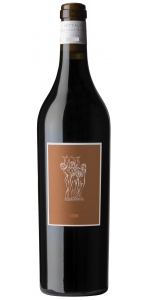
Clos Du Val Yettalil is a Bordeaux blend of Cabernet Sauvignon with Merlot, Cabernet Franc, Petit Verdot and Malbec
The 2019 Yettalil opens with aromas of fresh blackberry, ripe plum, and racy cassis layered with hints of violet, bay leaf, and thyme. Beautifully balanced and elegant on the palate, vibrant acidity and polished tannins give way to a concentrated core of black cherry, vanilla, and cedar. The texture is velvety and plush with a backbone of graphite and dark chocolate that lingers through a long finish.
Review:
The 2019 Yettalil is a blend of Cabernet Sauvignon, Merlot, Cabernet Franc, Petit Verdot, and Malbec. Deep garnet-purple in color, it charges out with energetic notes of crushed black and red currants, warm black plums, and black raspberries, plus suggestions of cedar, violets, and Indian spice with a waft of tree bark. The medium to full-bodied palate is lively and well-structured, featuring firm, ripe tannins to frame the muscular fruits, finishing on a lingering fragrant earth note.
-Wine Independent 95 Points
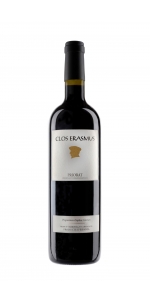
This wine is one of the absolute benchmarks for fine Priorat, and a reference in Spain. Sourced from 3 small vineyards in the Gratallops, this blend of Grenache and Syrah undergoes strict berry selection and is fermented and aged for 20 months in barrels and amphorae. It is all about dense fruit, exotic spice and licorella minerality, with a freshness and elegance are truly singular, even among the top wines of the appellation.
Review:
A complex bouquet that develops with a little time in the glass from fresh wild berry notes to floral and savoury-herbal nuances with violets and dried thyme. Extremely elegant on the palate, intense yet light-footed and vibrant, with fine-grained, perfect tannins and a long mineral, ethereal and savoury finish.
-Falstaff 100 Points
The 2021 Clos Erasmus is not a shy wine and comes in at 15% alcohol but with a pH of 3.3. The search here is for balance, as power comes as a given in Priorat. It was produced with 70% Garnacha and 30% Syrah, mostly from 40-year-old vines, except for a small plot of around 85-year-old vines. The vineyards are certified organic, and they've practiced biodynamics since 2004 but never got certification. The vinification is simple and the same as for Laurel: the bunches cooled down for 24 hours before being sorted and destemmed, then the grapes were put into the vat, where they warm up and start fermenting with the indigenous yeasts. It was pressed and put in barrels, 40% of them new, where it underwent malolactic and aged for 18 months. It feels like the most elegant and ethereal Erasmus ever despite the 15% alcohol on the label. It's very young and feels a bit shy, slightly developing notes of Mediterranean herbs, wild berries and flowers and is a little closed but very harmonious and insinuating. It's medium to full-bodied, with very fine and elegant but abundant tannins. It does feel lighter than previous vintages, possibly the effect of the cooler year. 3,400 bottles produced. It was bottled in May 2023.
-Robert Parker 99 Points
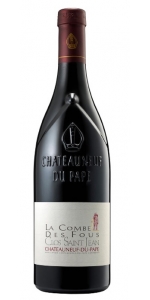
Clos Saint-Jean is a 41-hectare estate in Châteauneuf-du-Pape run by brothers Vincent and Pascal Maurel. Considered by many critics and wine-writers as the preeminent estate espousing the modern style of winemaking in Châteauneuf, this cellar is one of the oldest in the region, having been founded in 1900 by the greatgreat-grandfather of Vincent and Pascal, Edmund Tacussel. A short time after its founding and well before the AOP of Chateauneuf-du-Pape was created in 1923, Edmund began bottling estate wines in 1910.
The farming at Clos Saint-Jean is fully sustainable due to the warm and dry climate, which prevents the need for chemical inputs. Instead, Vincent and Pascal employ organic methods for pest control, mainly pheromones, to prevent pests from taking up residence in their vines, a process called amusingly enough in French, confusion sexuelle. The vines tended manually, and harvest is conducted in several passes entirely by hand.
Combe des Fous literally means, the hill of the fool. The hill, in this case, is located in the far southern reach of Le Crau which was left barren for many centuries because the layer of galets was so exceedingly deep that everyone assumed vines could never survive there. The fool in this situation is Edmund Tacussel, the great-great-grandfather of Vincent and Pascal Maruel who planted a Grenache vineyard on this site in 1905. That old-vine Grenache form the heart of this cuvée with a small amount of Syrah, Cinsault and Vaccarèse. La Combe des Fous is only made in the best vintages.
Review:
This has good concentration and energy to the dense core of dark fruit and bitter cherry, with great poise and elegance despite its ripeness (an impressive feat for the vintage). Guided by finely crushed mineral accents and tannins, this reveals pretty high-toned floral notes and leafy tobacco. Grenache, Syrah, Mourvedre, Cinsault, Vaccarese and Muscardin. Drink now through 2032. 900 cases made.
-Wine Spectator 95 Points
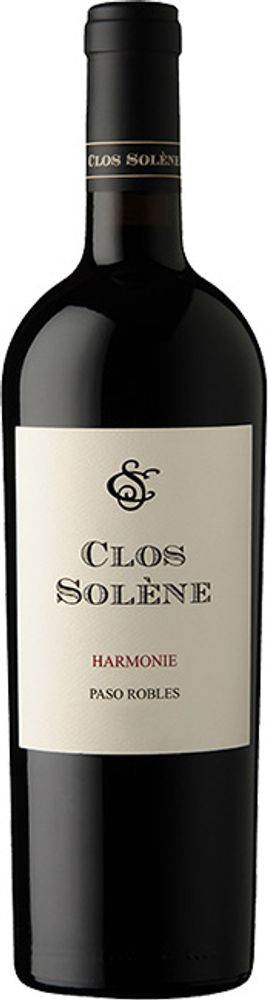
Clos Solene Harmonie is made from Paso Robles 67% Grenache, 18% Mourvèdre and 15% Syrah
Composed of 5 of the best vineyards on the west side of Paso Robles with mainly limestone and shale terroirs, brought elegance and pureness to this vintage. Aged for 16 months in larger used barrels, it delivers, on the nose, an incredible bouquet, and on the palate, notes of strawberries followed by some silkiness texture with delicate tannins and a great acidity.
Aged 16 months in mostly used puncheons 400-liter barrels (15% new)
Pairs with roasted pork. Eggplant parmesan, filet mignon
Review:
"The Grenache-dominated cuvée is the 2018 Harmonie, which is 70% Grenache, 16% Syrah, and 14% Mourvèdre. It's a big wine, yet it shows a fresher, beautifully vibrant nose of black raspberries, licorice, candied flowers, and spice that opens up beautifully with time in the glass. Brought up mostly in neutral barrel, it still has a kiss of background oak in its aromas and texture and is beautifully balanced, full-bodied, and elegant on the palate. It's a well put together Grenache that reminds me slightly of a more modern styled Châteauneuf du Pape. Drink it over the coming decade or so."
- Jeb DUNNUCK (September 1st 2020), 95 pts
Born and raised in the Southeast of France, Guillaume comes from a family of grape growers and winemakers. After 24 years in Narbonne, he moved to Bordeaux. Both regions famous for their wines are also very different from each other. It requires some grape growing and winemaking experience to switch from one to the other, such as different climates, soil types, vine illnesses and more. But life is full of surprises. Not convinced he wanted to make wine in Bordeaux, he took a harvest internship at L’Aventure in Paso Robles. The same bolt of lighting that he felt for Solène, struck again. He fell in love with the soil and terroir of Paso Robles. What was supposed to be a 3-month harvest internship, turned into 6 months, and he was offered the position of Assistant Winemaker. While working for L’Aventure, he worked day and night on his own project - to launch his very own brand. In 2007, Clos Solène was born.
When Guillaume and Solène acquired the estate in January of 2017, the existing vineyard was planted in 1998 onto vigorous rootstock. The rows were planted a little wider than Guillaume would have planted, but he felt that it was a great place to start, especially having 20-year-old vines in place, which is considered “old vines” for this area. After testing to make sure the vines were clean of any and all viruses, Guillaume decided to re-graft the whole 8 acres and turn the plot into a nursery for future planting.
Robert Parker on Clos Solene:
"Clos Solène was founded in 2007 by Guillaume and Solène Fabre. At present, they make about 2,500 cases a year but have recently purchased their own estate and hope to grow the brand to around 4,000 cases. Guillaume, a native of the Languedoc-Roussillon in France, has begun planting rootstocks and grafting over vines and is experimenting with Côte-Rôtie-style training for his Syrah vines. Currently, most of the fruit is purchased, but the pair hopes to dial back to only 30% purchased fruit as their own vines come online. Guillaume says he wants his wines to have “a common denominator of elegance and perfume,” and indeed the wines are much more restrained than is usual for Paso. 2017 with its heat spikes was especially challenging here. “It was 105 degrees for two straight weeks,” Guillaume recalls. “We picked a bit earlier, used less new oak, less stems and less extraction. We did triage picks and then sorted very heavily. We lost about 30% to 40% of production on the sorting table because we let go of anything impacted by that heat. - Erin BROOKS"
- Robert Parker's Wine Advocate (February 2020)
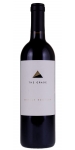
The Grade Cellar Kingly Project Cabernet Sauvignon is made from Napa Valley Cabernet Sauvignon.
"This is a noble expression of Cabernet Sauvignon" in full regalia, with decadent aromas and a mouthfeel viscous and sleek. "This vintage of the Kingly Project Cabernet Sauvignon enters the scene" -- Thomas Rivers Brown
Review:
The 2019 Cabernet Sauvignon Kingly Project is fabulous. A wine of vertical power and thrust, the 2019 soars out of the glass, showing magnificent intensity from start to finish. Black cherry, scorched earth, licorice, plum and chocolate give this substantial Cabernet tons of complexity. I would cellar the 2019 for at least a few years to allow the tannins to soften. -
- Antonio Galloni 97 Points
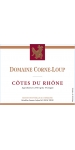
Corne Loup Cotes du Rhone Rouge is made from 50% Grenache, 40% Syrah and 10% Mourvedre.
Color: dark red ruby.
Aromas: red berries, truffles and spices.
Flavors: complex and rich. It shows red and black fruits, with an herbal spice type of aromas coming from the surrounding vegetation (Garrigue).
The average age of the vines is 40 years. (The oldest vines are 80 years old). Yield: 40 hl/ha The soil is mainly sandy marl and small pebble stones.
Lamb, duck, turkey, red meat, game and cheese.