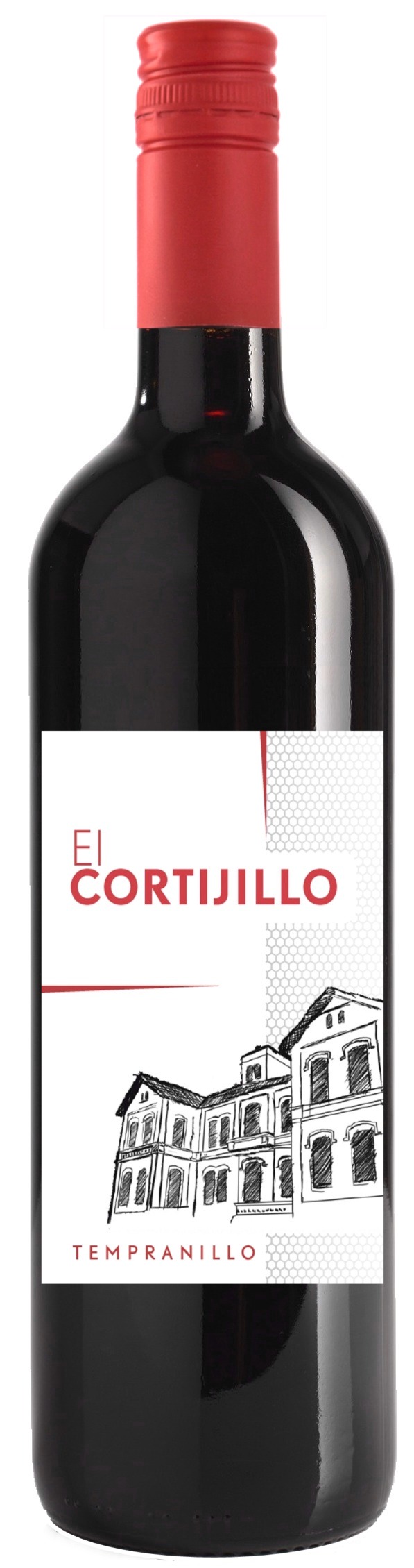
" We don't sell the wine without touching the vine "
| Country: | Spain |
| Region: | La Mancha |
| Winery: | El Cortijillo |
| Grape Type: | Tempranillo |
| Vintage: | 2022 |
| Bottle Size: | 750 ml |

El Cortijillo Tempranillo La Mancha is made from 100% Tempranillo
Up front aromas of raspberry and cherry fruit, medium to light weight, Rhône wine in character, cherry fruit flavors, followed by bright acidity. Reminds of a mythical cross between a Pinot Noir and a Côtes-du-Rhône. Pleasant and fun, bistro red.
Made from 30 year old vine.
Delicious with Paella, hamburger or pasta. But also great with grilled vegetables. (bell pepper, eggplant, etc)

Finca del Castillo Tempranillo La Mancha is made from 30 year old vine Tempranillo (100%).
This pretty little red has a flavor reminiscent of good Cotes du Rhone. Medium bodied, flavorful; hints of raspberry and strawberry. Shows best with picnic fare and grilled meats. Perfect summer red.
Finca del Castillo Tempranillo La Mancha is made from 30 year old vine Tempranillo (100%).
This pretty little red has a flavor reminiscent of good Cotes du Rhone. Medium bodied, flavorful; hints of raspberry and strawberry. Shows best with picnic fare and grilled meats. Perfect summer red.
The nose reveals aromas of blueberry, raspberry, and black tea, while the palate offers cranberry and plum fruit complemented by subtle notes of forest floor and exotic spices. Integrated tannins and balanced acidity carry through to a long, refined finish.
Review:
Jeb Dunnuck 92 Points
Wine Enthusiast 92 Points
Pago de los Capellanes Tinto Joven is made from 100% Tempranillo.
Joven Roble is for everyone and for every moment. Fresh and vibrant, while at the same time complete and full of energy. A clear, affable, open and solid character. We take its production very seriously to obtain a blissfully satisfying wine with every vintage.
Review:
All Tempranillo, the 2022 Ribera del Duero Tinto Joven has a deep purple hue as well as beautiful blue fruits, violets, graphite, and charcoal aromas and flavors. Along with medium to full-bodied richness, it has wonderful purity and precision, fine tannins, and a great finish. It's a stunning value.
-Jeb Dunnuck 94 Points

All older vintage wines have been purchased from a single collectors cellar. Pictures can be requested before shipment.
El Cortijillo Tempranillo La Mancha is made from 100% Tempranillo
Up front aromas of raspberry and cherry fruit, medium to light weight, Rhône wine in character, cherry fruit flavors, followed by bright acidity. Reminds of a mythical cross between a Pinot Noir and a Côtes-du-Rhône. Pleasant and fun, bistro red.
Made from 30 year old vine.
Delicious with Paella, hamburger or pasta. But also great with grilled vegetables. (bell pepper, eggplant, etc)
The El Cortijillo Estate
El Cortijillo means the little farm in Spanish. The wine is made by Vinicola de Castilla in Manzanares (Ciudad Real) in an up to date, state of the art winemaking facility (30,000 sq meters/300,000 sq ft) with the capacity of producing 2 million liters and holding 8,000 barrels. Founded in 1976, it's a privately owned corporation (not a co-op). Since its inception, a DO La Mancha pioneer in fruit-driven young wines, barrel-aged reds and varietals. More than 600 international awards for their wines.
Production by type: 65% Red wine, 35% White and Sparkling.
Export sales represent 50% of the production. The winery exports to 22 countries.
Capacity is 20,000,000 liters, currently running at 12,000,000 liters of yearly production.
This Bodega likes to promote their Crianza wines.
The El Cortijillo Vineyards
The winery and the vineyards are all located in the "La Mancha" DO. Tempranillo is the primary grape varietals and it represents 70% of the total production.
They grow the following 5 red grape varietals:
· Tempranillo
· Cabernet Sauvignon
· Merlot
· Petit Verdot
· Syrah
They also grow the following 6 differents types of White grape varietals:
· Verdejo
· Airén
· Macabeo
· Sauvignon Blanc
· Moscato
· Chardonnay.
The wines are all produced with grapes they only grow themselves. They own 50 hectares, and they currently rent another 550 hectares (long term leasing contract).
Toso Asti Spumante is made with 100 percent Moscato d' Asti
Sweet, aromatic, fruity and floral sparkling wine, moderate in alcohol, with fine sparkle and long lasting perlage. Of yellow straw color, it is a fine and elegant wine, ideal to celebrate every joyful event.
Toso Asti Spumante is made from Moscato grapes grown on hills in the South of Piedmont An early picking insures a higher acidity and a more floral bouquet. The grapes are crushed immediately to avoid any oxidation which might detract from the wine's aromas. The grapes are gently crushed and the juice is settled, centrifuged and filtered. The purified musts are placed in stainless steel tanks and held at near freezing temperatures which blocks completely any fermentation. This enables the producers to draw batches of fresh must whenever they decide to bottle. The batch of must is then inoculated with special yeast and fermented in an autoclave to retain the naturally produced carbon dioxide. The fermentation is stopped by a rapid chilling when the wine reaches the desired ratio of alcohol (standardly 7%) to residual sugar ( 3-5% ). The wine is then filtered, bottled and, at Toso, immediately shipped to ensure the freshest product possible.
Fresh, a floral bouquet, a sweet, fruity taste, Excellent as aperitif, best enjoyed with fruit, dried pastries and desserts in general.
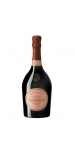
Laurent-Perrier Cuvee Rose NV is made Pinot Noir from 10 crus in the Montagne de Reims
The Cuvée Rosé from Laurent-Perrier is the most recognized rosé champagne in the world. The house uses its proprietary maceration technique and the wine is crafted for a fragrance and not mixed for a color. Held in an elegant bottle inspired by King Henri IV, it has been widely acknowledged for its consistent high quality for more than 40 years, and it is the benchmark for rosé champagne around the world.
Laurent-Perrier Cuvée Rosé is truly remarkable for its highly expressive bouquet, stemming from very careful preservation of fresh fruit aromas during the wine making. Made with 100% Pinot Noir from 10 different "crus " (or villages), from the North and South areas of the Montagne de Reims, as well as the famous village of Bouzy. Grapes from carefully selected plots are meticulously sorted and de-stemmed before going into the vats, and the controlled maceration helps with the color extraction and the development of the full aromatic richness of the Pinot Noir.
Intensely fruity flavors, clean and slightly sharp, the wine opens to the sensation of freshly picked red berries: strawberries, Morello cherries, black currants and raspberries. The finish is supple and rounded.
Its aromatic depth makes it ideal for pairing with marinated raw fish, grilled prawns, exotic dishes, Parma ham and red fruit desserts. Those who are more daring will try it with Asian or Indian cuisine.
Review:
Generosity no less than grace defines this 100% Pinot Noir from ten different crus primarily in the Montagne de Reims. Slightly coppery salmon-pink in the glass, it displays a radiant nose of ripe red berries that pop against glimmers of spiced biscotti and roasted cashew. On a broad palate of pure silk, raspberry and black cherry are underlined by blood-orange rind and crushed rock before a long, almost voluptuous finish that's slightly savory with dried mint.
-Tasting Panel 97 Points
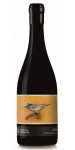
Ferrata Etna Bianco Veni is 100% Carricante
Straw yellow colored with hints of almonds, vanilla and ripe fruit notes on the nose. On the taste, it is very rich in savoriness and freshness.
No irrigation. Hand harvest at the end of october.
Selection of the best grapes made by hand.
Destemming and soft pressing into a pneumatic press (Extraction of the 60% of the Juice, Mosto Fiore).
60% of the juice was fermented in stainless steel tanks and 40% was fermented in French Oak barriques (no new oak, only second use barrels).
No ML Fermentation.
Batonnage in Oak.
Ageing in Oak and Stainless steel for 12-14 months, plus an additional 6 months minimum in the bottle.
Ideal with shellfish, raw fish or preparation with more intense flavors.
Also delicious with fresh and semi-matured cheeses.