
" We don't sell the wine without touching the vine "

| Country: | France |
| Region: | Languedoc |
| Winery: | Coussergues |
| Grape Types: | Chardonnay Viognier |
| Vintage: | 2011 |
| Bottle Size: | 750 ml |

All older vintage wines have been purchased from a single collectors cellar. Pictures can be requested before shipment.
All older vintage wines have been purchased from a single collectors cellar. Pictures can be requested before shipment.
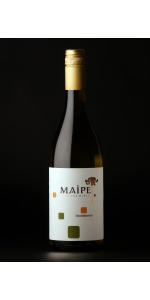
Maipe Chardonnay 2013 is made from 85% Chardonnay, 15% Viognier.
Manual harvest.
5 hour maceration on skins in temperature controlled steel vats; fermentation with selected yeasts at 14°-16°C; 30% malolactic fermentation.
30% was aged in French oak barrels.
Brilliant yellow golden color with green hints.
The wine is crisp and filled with white peach, pear, green apples flavors, toasty vanilla. Elegant and luscious wine, well balanced. Crisp and long finish.
Pairs well with creamy soups, pork, veal, vegetables.
All older vintage wines have been purchased from a single collectors cellar. Pictures can be requested before shipment.
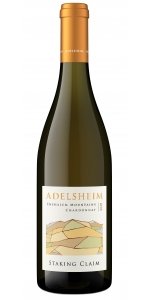
Adelsheim Vineyard Chardonnay Staking Claim is made from 100% Chardonnay.
Review:
Grapefruit pith, flint, roasted almonds and toasted lemons here. It’s medium-bodied, flinty and gently toasty with bright acidity and a fresh, tight finish. Sustainable.
-James Suckling 92 Points
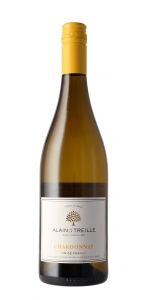
This chardonnay has a characteristic pale yellow color with a shade of gold and subtle nose that will remind you the fresh butter nuts and roasted almonds. On the palate, it is full bodied and fruity with a pleasant roundness.
Average age of the vines is 25 years old.
We produce a part of this cuvee with 12 hours skin maceration and another part from directly pressed grapes.
Wine was slightly filtered before bottling to insure the wine remains stable.
Best friend as an aperitive or with freshwater fish, shellfish and goat cheeses.
Coussergues Chardonnay Viognier is made with 50% Chardonnay, 50% Viognier Floral and fruity aromas of peach and apricot. Fresh, crisp and round in the mouth. Pear and tropical fruit flavors, soft texture and refreshing acidity. Excellent with chicken, salad.
The Coussergues Estate
Domaine de Coussergues, an ancient Baronnie founded in 1495 by a land grant from Charles VIII, is owned by the Baron Arnould de Bertier and his family. Arnould represents the fifteenth generation of the Sarret de Coussergues family to run the estate.
The winery is situated approximately 10 km east of Beziers, at Montblanc en Languedoc in the foothills overlooking the Mediterranean Sea. The domaine produces Cotes de Thongue and Pays d'Oc wines.
About 50% of their production is sold in bulk with 80% of their wine sold to export. Domaine de Coussergues has been a reliable producer of good value white wine over the years.
The Coussergues Vineyard
The proud Baron has 620 hectares of land (1,531 acres), 210 hectares in grapes and the rest in woodland and olive trees. Soil in the area is chalk, clay, flinty red clay and volcanic in nature.

Montes Alpha M 2019 is made from 80% Cabernet Sauvignon, 10% Cabernet Franc, 5% Merlot, 5% Petit Verdot.
Montes Alpha M is the result of an extremely limited production and a rigorous selection of the grapes, one by one, led by Aurelio Montes. Coming from the Colchagua Valley, it is one of the best and most awarded wines of Chile. The vineyards that give rise to Montes Alpha M are located in the Apalta zone of the Colchagua Valley. The soils are of granitic origin and are shallow in the upper, mountainous sectors. They vary in the clay content, depth, amount of organic matter, and especially the types of rocks and stones they are made up of. The soils origin can also range from fluvial to glacial, which shows the great diversity of soils in our vineyards. Some zones are influenced by the Tinguiririca River and others by mudslides and the detachment of material from high above in the mountain chain that delimits the valley.
Review:
Deep nose, but really fresh at the same time. Currants, blackberries and chili-pepper chocolate with cedary and meaty undertones. This is really juicy, with a tight, tensely framed palate, underscored by lots of creamy, dusty tannins. A lengthy, refined and elegant expression of cabernet sauvignon, but a strong statement from Colchagua. Drink or hold.
-James Suckling 97 Points
Trus Albillo Mayor Reserva Ribera del Duero is made from 100% Albillo Mayor.
Light straw yellow color despite its age. Aromas of white flowers and grapefruit typical of the variety, along with some very light notes of toasted wood and of long bottle ageing. Very well-balanced on the palate, with the characteristic fullness of the variety and a very refreshing natural acidity which bodes well for the wine's ageing. A wine for ageing which already displays all its complexity and elegance. We recommend consumption at a temperature of between 8 and 12ºC.
Grapes are coming from a Goblet-trained vineyards in Peñaranda de Duero. Dry-farmed, without irrigation. Different orientations and altitudes.
TA: 6 g/l in tartaric acidity.
VA: 0.4g/l.
pH: 3.3.



