
" We don't sell the wine without touching the vine "
| Country: | France |
| Regions: | Burgundy Maconnais |
| Winery: | Croix Senaillet |
| Grape Type: | Chardonnay |
| Organic: | Yes |
| Vintage: | 2012 |
| Bottle Size: | 750 ml |
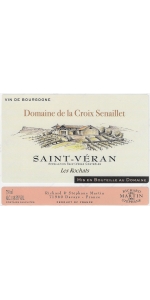
Croix Senaillet St. Veran Les Rochats is made from 100 percent Chardonnay.
This Saint Veran Les Rochats is produced from 50-year-old Chardonnay vines, grown organically on Jurassic-era limestone (Entroque limestone), covered by pebbles that act as a filtering soil. The parcel is southeast facing on half hills.
Clear golden color with light green reflections. The wine has a rich and complex bouquet with a wide array of aromas: pear, nougat, wild peach and kiwi. The mouth is rich and dense bringing freshness with a nice volume and finishing on a light exotic note.
Vineyard
Surface area : 1 Ha.
Soil : limestone soil from the Jurassic period, covered by pebbles acting like a filtering soil.
South-east facing parcel on half-hills.
Grape variety : organically-grown Chardonnay.
Plantation density : 8.500 vinestocks per ha.
Age of vines : 50 years.
Mâconnais style pruning quite short, with 10 to 12 buds.
Hand-harvesting at optimal maturity.
Destemming to avoid herbaceous taste.
Slow and gentle pneumatic pressuring guarantees purity of juice and extraction of the finest aromas.
Very slow alcoholic fermentation in stainless still tank.
Malolactic fermentation.
Aging in stainless steel tanks for 9 months with gentle stirring of fine lees.
Pairs well with shrimp risotto, sautéed veal with eggplant.

All older vintage wines have been purchased from a single collectors cellar. Pictures can be requested before shipment.
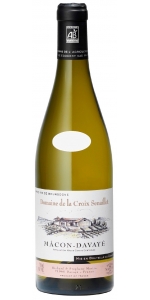
Croix Senaillet Macon-Davaye is 100 percent Chardonnay.
Pale brilliant yellow color. Fresh nose of citrus fruits (lemon, grapefruit). Mineral and salty notes on the palate. Fresh, supple and harmonious in the mouth.
Produced from 7 different parcels of vines spread over 3.77 hectares, planted on clay and limestone based soils. Average age of the vine is 28 years. Careful vinification. Minimal intervention in the vinification process. Modern equipment (pneumatic press, thermo-regulated tanks). Each parcel is harvested at full maturity. Destemming, slow press, slow fermentation, malolactic fermentation, aging on the lees.
Excellent as an aperitif and pairs well with grilled fish and Asian food.
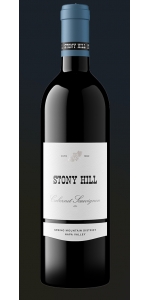
From the volcanic soils in the blocks residing at the summit of Stony Hill's vineyard, their 2019 Cabernet Sauvignon is showing beautifully. 2019 was a warm year with late spring rains and a true, dry fall finish. e late spring rains imbued wines with a characteristic freshness and tension, balanced by a generous fruit profile. Bing cherry, cassis, pomegranate seed, singed bay leaf, and cacao sings from the glass. The palate receives a structure showing breadth and presence with lacey tannins and a delicate, persistent finish.
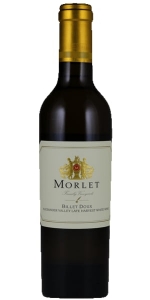
Morlet Family Vineyards Billet Doux Late Harvest Semillon 2012 (half-bottle) is made from Sémillon (65%) Sauvignon Blanc (31%) Muscat à Petits Grains (4%)
rowing in the gravelly soil of an ancient riverbed in the beautiful Alexander Valley, the old vines benefit from hot afternoons and cool, foggy mornings, favorable for the development of Botrytis (Noble Rot). Extremely small yields in the Sémillon, Sauvignon Blanc and Muscat vineyards lead to the immensely concentrated fruit. Just as one receives a note from one’s sweetheart, we present this wine as a precious ‘Love Note’ or ‘Billet Doux.’
Deep crystal clear gold. Intense and complex bouquet of dry apricot, pêche de vigne and Reine Claude yellow plum intermixed with notes of quince, honey, Muscat and a hint of sweet vanilla. Full bodied, the palate is reminiscent of the nose, with a creamy sweet texture and a great intensity. The large amount of sugar and glycerin creates a highlighted viscosity. Along with the wine’s great concentration, richness and opulence, the classical aromatic complexity reveals a flamboyant yet harmonious ensemble, leading to a very long, complex and smooth finish.
Proprietary name ‘Billet Doux’
Name meaning Love Note
Type of wine Late harvest white wine
Appellation Alexander Valley
Vineyard singularity 25-60 year old vines Loamy and gravelly soils from an ancient river bed One cluster per shoot ‘de rigueur’
Typical harvest date November Picking Manual, small lugs, refrigerated truck
Sorting Cluster by cluster
Fermentation In barrel through native yeast
Upbringing 16 months French Oak from selected artisan Coopers
Bottling Unfined, filtered to prevent Malolactic
Cellaring time Decades
Serving Chilled and decanted
Review:
Produced from 65% Sémillon, 31% Sauvignon Blanc and 4% Muscat, the 2012 Billet Doux has a medium golden color and profoundly scented nose of beeswax, honeyed nuts, orange marmalade, Manuka honey and preserved lemons. Full-bodied, full-on sweet, rich, concentrated and oh-so-unctuous, it delivers powerful flavor layers and epic length. 175 cases were made.
-Wine Advocate 97 Points
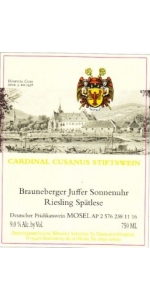
St. Nikolaus Brauneberger Juffer-Sonnenuhr Riesling Spatlese is made from 100 percent Riesling.
"Sonnenuhr" means sundial. The vineyard is facing the small town of Brauneberg formerly Dusemond. It's a steep slate slope on the Mosel, with a south-southeast exposure.
Full-bodied Riesling with typical Devonian slate qualities. Luscious fruit; nice minerality, length and acidity.
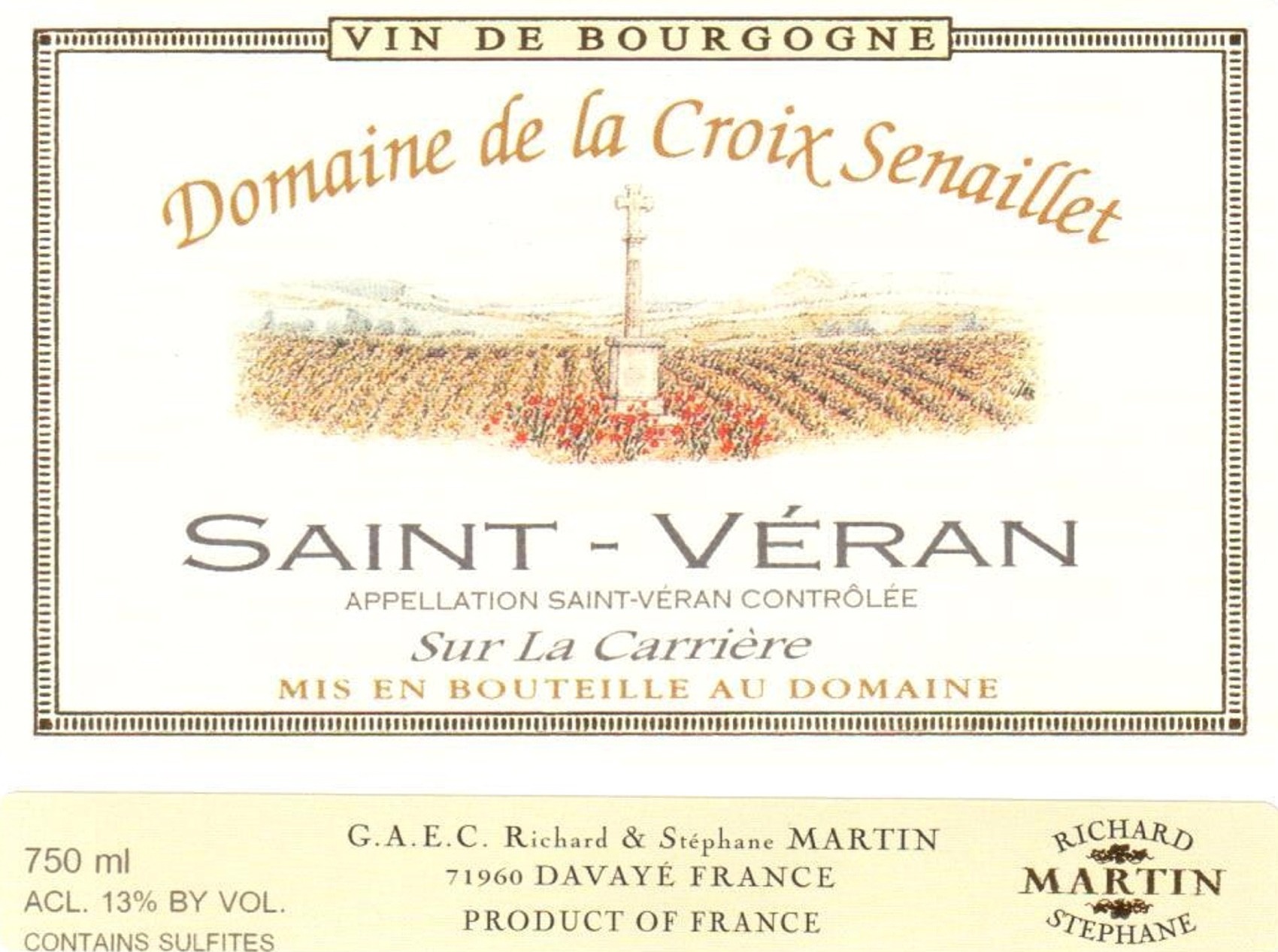
Croix Senaillet St Veran Sur la Carriere 2012 is made from 100 percent Chardonnay.
-- hectare single vineyard, located --.
Average age of the vines is -- years.
The soil is mainly made of flint stones that give birth to a rich and powerful wine.
Careful vinification. Minimal intervention in the vinification process. Modern equipment (pneumatic press, thermo-regulated tanks). Each parcel is harvested at full maturity. Destemming, slow press, slow fermentation, malolactic fermentation, aging on the lees.
Pale yellow gold color. Smoky, mineral, slightly spicy notes, exotic fruit aromas. Minerality, white pepper and a great length. Well balanced and powerful
Pairs well with poultry with creamy sauce
The Domaine de la Croix Senaillet Estate
This second generation old estate is located in the town of Davaye, in southern Burgundy. The winery was founded by Maurice Martin in 1969. His son Richard took it over in 1990 and was joined by his brother Stéphane in 1992. While Richard takes care of the vinification and the sales, Stephane is in charge of the vineyard. They sell 80% of their production in bottle and 20% to negociants. Currently, they export 40% of their wine outside of France.
"Domaine de la Croix Senaillet" takes its name from a cross that had been given by an ancient mayor of the village called Benoit Senaillet. The records show that the mayor donated the cross to Davaye in 1866 to replace the one that was destroyed in 1793 during the French Revolution. According to the common believes, the cross that was blessed in 1867 would protect the inhabitants of the village and everyone that would pass by.
The Domaine de la Croix Senaillet Vineyard
The vineyards are located on the south/southeastern slopes of the Solutre and Vergisson rocks. The estate spreads over 52 parcels in the town of Davayé and measures 22 hectares total (54.3 acres): 17 ha in St Veran, 5 ha in Macon, less than 1 hectare in Pouilly-Fuisse. The soil is both chalk and clay. The vines are 40 years old on average. In order to increase the quality of the grapes, Stephane has decided to use "culture raisonnee", which means that they watch carefully and daily the vineplant, checking for the sanitary level in the vineyard and use very small amount of pesticide and chemical products if necessary.
Saint Veran's AOC represents 696 hectares (1,726 acres) in total.
The total production for the AOC is around 42,775 hectoliters (474,089 twelve-bottle-case equivalent)
Domaine de la Janasse Chateauneuf-du-Pape Cuvee Vieilles Vignes is made from 65% Grenache, 20% Mourvèdre, 10% Syrah, 5% divers.
In contrast to Chaupin, which is made from old-vine Grenache on sandy soils, the cuvée Vieilles Vignes is from old vines of Grenache, Mourvedre, Syrah along with smaller percentages of other permitted varieties that are grown in these old vineyards. The wine is sourced from 4 terroirs: pebbly clay, sand, gravelly red clay and sandy limestone. Vieilles Vignes is always the most powerful and concentrated Châteauneuf-du-Pape cuvée made at Domaine de la Janasse.
Review:
The advantages of old vines are perhaps most evident in the more difficult vintages (whether hot and dry or cool and rainy). The 2021 Chateauneuf du Pape Vieilles Vignes is a strong effort, delivering supple, velvety waves of ripe black cherries and black raspberries. Medium to full-bodied, it's rich and concentrated without seeming at all heavy or unbalanced, finishing long and juicy. It's approximately 75% Grenache, 15% Mourvèdre, 5% Syrah and 5% other varieties, keeping in mind that up to 15% of the old Grenache vines are actually Clairette Rose.
-Wine Advocate 96 Points
Bernard Cote Rotie Cote Rozier is made from 100% Syrah.
A deep color, an intense and complex nose dominated by notes of small red and black fruits of crushed strawberry and blackcurrant complemented by spices (licorice, cinnamon). On the palate, the wine is amazingly ample and round with beautiful flavors of black cherries, toast and caramel. Powerful and delicate, this Côte Rôtie is already pleasant and promises a good potential to cellar for 5 to 15 years.
With red meats, big game, lamb or roasts. To be served between 16 and 18°C.



