
" We don't sell the wine without touching the vine "
| BUY MORE! SAVE MORE! | ||||||||||||||||||||
|
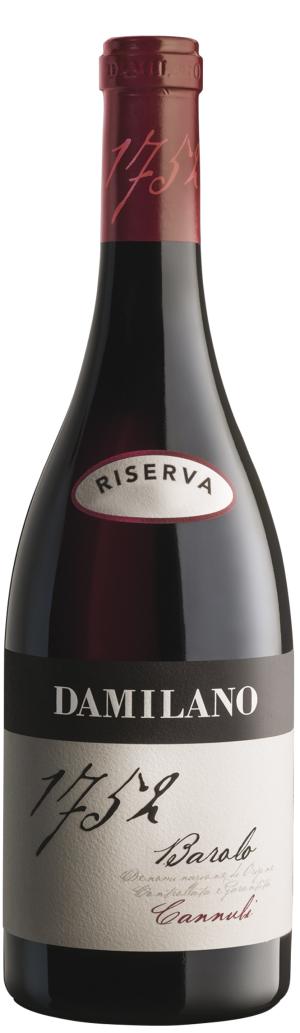
“1752” is the name of the Damilano Barolo Cannubi Riserva, in honor of the year in which the historic bottle was first marked “Cannubi”. It still exists today perfectly conserved by the Manzone family in Bra, close to Barolo. The bottle is clearly marked as being of “1752” vintage, indicating that Cannubi historically precedes Barolo.
About the Vineyard:
The Cannubi Cru is in found within one of the 6 core zones which comprise a UNESCO heritage site in Italy. A mixture of Tortonian and Helvetian calcareous marl gives the grapes intense aromas of cherry, plum and tobacco, rose and violet in sequence. Its low potassium and high calcium/magnesium content offer the wine a fine and polished touch. The vineyard is located at about 270 m. a.s.l. and has a south-east sun exposure. Barolo Riserva Cannubi 1752 It is a small plot of about 2 hectares of Nebbiolo vines, currently between 30 and 50 years of age.
Tasting Notes:
Garnet ruby red in color, the bouquet is intense and balanced, with notes of violet, red fruit, cherry and plum, spices, liquorice, cocoa, leather and tobacco. Dry, robust, full-bodied, very persistent, rich and velvety
Food Pairing:
This wine is excellent with typical piedmontes pasta (tajarin, ravioli); perfect with red meat, braised and roast meat, game and absolutely ideal with all types of cheeses.
Review:
“Incredible, reserved ripeness and depth already evident on the nose after one whiff, offering plum, cedar, rose hip, sandalwood, and licorice. Full-bodied with superb depth of fruit and an abundance of polished tannins that give the wine poise and grace, even though it’s long and powerful. The quality of the tannins are exceptional. Sheer and refined. This comes from the center of Cannubi.”
-James Suckling 99 Points
Damilano is one of few traditional, ancient, ultra-centenary Barolo wine makers.
In fact, the Damilano family has been active since 1890 when Giuseppe Borgogno, the great-grandfather of the current owners, started farming and making wine from the family-owned vineyard in Barolo (Cuneo), the town in the Langhe area that the homonymous wine was named after; a beautiful and generous land that has been the heart of the vocation to produce the “king of wines” for centuries.
It wasn’t until the following generation, though, that Giacomo Damilano, the founder’s son-in-law, gave the current name to the winery. It was he who gave the stimulus to preserve the vines and apply constant innovation in the quality of the winemaking process, making the winery become a “jewel” to proudly pass on to his nephews, who manage the company since 1997.
Guido, Mario, and Paolo Damilano have been capable of giving new lymph and push to the family company, particularly giving value to the prince grape of the Langhe, the Nebbiolo, and specific terroirs, the Cannubi above all.
Gap's Crown Vineyard has become one of the most iconic Pinot noir vineyards in the Sonoma Coast. It was originally developed by Premier Pacific Vineyards between 2002 and 2005 and later purchased by Price Family Vineyards in 2013. In 2007, Sojourn Cellars became one of the best to make a vineyard-designate wine from Gap's Crown. Our clone 115 block, planted in 2005 on 3309 root stock at 800 feet elevation, has been the foundation for Sojourn since we began making Pinot noir from this vineyard. Our clone 828 block was planted in 2002 on 420A root stock, and two clone 667 blocks round out the blend, both planted in 2004 on 3309 root stock. This hillside vineyard is situated on the western slope of Sonoma Mountain and is cooled by the persistent wind and fog of the Petaluma Gap.
WINEMAKER NOTES: The 2021 growing season offered optimal conditions in the Sonoma Coast to harvest grapes of exceptional quality. The air remained clear with no res in Sonoma and pandemic lock downs ended. Our spirits were lifted and the grape harvest and wine quality benefited. . Brief heat waves in August and September ripened the grapes to ideal maturity as the weather stayed dry until major rains arrived October 22, after our grapes were harvested. Yields were lower than average in 2021, with small berries and loose clusters creating wines of increased depth and concentration. In 2021 we blended destemmed clone 115 and clone 667, while fermenting all the clone 828 100% whole-cluster. The resulting wine, our 15th vintage of Pinot noir from Gap’s Crown Vineyard, offers complex layers of elegant fruit flavors with a bold strength at its core.
Review:
Like a majority of the Sojourn 2021 Pinot Noirs, the Gap’s Crown is also aged in 50% new French oak but sees approximately 15% whole cluster during fermentation. This Pinot Noir is always one of my favorites coming out of the Sonoma Coast, and the Sojourn 2021 is another beautiful example. A shimmering ruby-garnet core with a blueish rim in the glass, it assembles bountiful notes of dark cherry compote, fresh black raspberry, spiced blue plum skin, brown mushroom, salty sea breeze, liquid chocolate, and hints of dried lemongrass. Complex, engaging, and downright delicious, this should be a wine that everyone should seek out to try. 1025 cases were produced. Better in 2023 and then enjoy for the next 12–15 years. Highly recommended and editor’s choice.
- International Wine Report 97 Points
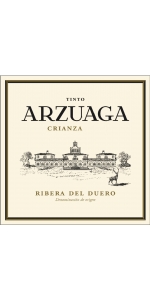
Arzuaga Ribera del Duero Crianza 95% Tempranillo and 5% Cabernet Sauvignon.
Dark cherry color with purple highlights. Powerful nose and high aromatic diversity of ripe red and black fruits, spicy and balsamic notes, and a roasted finish. Soft and mellow in the mouth with a great fruitiness and length.
Review:
This is a big wine with alluring aromas of cedary oak and black fruit. Ripe palate of black berries, some dark chocolate and integrated, polished oak. Long spicy finish. Classy Ribera. -Decanter 95 Points
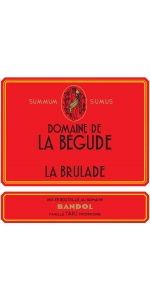
Begude Bandol Rouge La Brulade is made from 95% Mourvedre and 5% Grenache.
"La Brulade" is the name of a select slope located at an altitude of 400 meters overlooking the Mediterranean sea between La Baie d'Amour (the town of La Ciotat) in the South and La Sainte Baume in the North. This is one of the highest parcels in the Bandol appellation.
The wine is only produced in exceptional vintages. This carefully selected blend is made of 95% Mourvedre and 5% Grenache, aged in large French oak barrels for 24 months.
The wine shows a deep purple color. It is fresh and fruity on the nose with intense garrigue aromas. Structured, elegant and well-balanced on the palate with strong tannins. Licorice, ripe black fruits, garrigue flavors and some peppery freshness on the finish.
The 35-year old grapes are grown on clay and limestone soils and are farmed organically. Yield is very low - 15hl/ha. The grapes are harvested manually.
Winemaking: Double selection, destemming, crushing before skin contact fermentation. No filtration. Aging for 24 months in French oak casks (600L).
Grilled meat (lamb, beef, boar), Mediterranean cuisine, spicy dishes.
Review:
"Complex nose with deep black berry fruits, spice and hints of polish. Really lovely texture with layers of creamy red and black fruits, spices and powerful but super fine tannins. Great expression of the appellation; powerfully long."
- Decanter World Wine Award 2020 - 97 pts & Platinum Medal
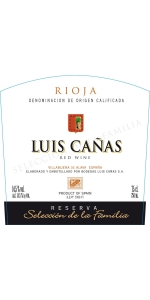
Luis Canas Reserva Seleccion de la Familia Rioja is made from 85% Tempranillo and 15% Cabernet Sauvignon
Aged for 20 months in new oak barrels - 50% French 50% American.
45 years old vines
Alcohol: 14,5º
Total acidity: 5,73 g./l.
Volatile acidity: 0,73 g./l.
PH: 3,53
Free SO2: 28 mg./l.
Reducing sugars: 1,3 g./l.
The “family reserve” from one of Rioja Alavesa’s most enduring family-run wineries. Wines destined to be the Reserva de la Familia label are made from a selection of grapes from old vines, those which combine a series of characteristics such as good orientation and exposure to the sun, and a poor soil which ensures low yields.
This wine is one of very few Rioja wines to blend Cabernet Sauvignon with Tempranillo. Bodegas Luis Cañas was granted permission by the D.O.Ca. to plant this variety as an experiment in the early 1980s.
Tasting notes
A brilliant garnet color with cherry hints on the edges.
The nose offers a complex variety of aromas that combine to bring an intense and sophisticated wine. Initially we can find very ripe berry fruits, smoky notes, raisins and liquor. After a certain amount of aeration, the cinnamon and jam notes appear and, with a little more time, the roasted and spiced aromas are noticed more clearly.
The palate is full, with a good presence of tannins, although these are offset by the glycerine like character, resulting in a fleshy sensation. Long lasting and lingering finish.
Winemaking and aging:
The grapes were cold macerated for 72 hours upon arrival at the winery. They underwent fermentation at 26º C in sealed cement tanks under constant thermal control, with the must pumped over daily. With the paste devatted by gravity, spontaneous malolactic fermentation took place after 45 days.
The wine was aged for 20 months in 50% medium toasted American and 50% French oak barrels. The barrel ageing not only adds tannins from the wood, but stabilizes the wine naturally. After the final racking, it was clarified in tanks with a small amount of natural egg white, decanted after 30 days and bottled directly without any type of filtration. Because this wine’s evolutionary cycle is quite slow, only corks of the highest quality available were used to ensure that it could be prolonged for several years.
Review:
Including 15% Cabernet Sauvignon, the Tempranillo-dominated 2019 Rioja Reserva Selección de la Familia is a crème de la crème selection that was aged 20 months in oak. Its deep purple hue is followed by a sensational nose of ripe black and blue fruits, cedarwood, graphite, smoked tobacco, and chocolate. This carries to a full-bodied Rioja with a powerful, layered mouthfeel, ripe yet building tannins, and serious length on the finish.
-Jeb Dunnuck 95 Points
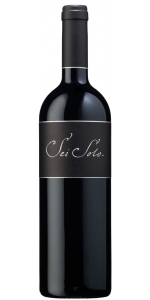
Sei Solo Ribera del Duero Tempranillo is made from 100 percent Tempranillo.
Named after Bach's six solos for violin, Sei Solo represents Javier Zaccagnini's vision of elegant, high-toned Ribera del Duero from the powerful, mineral soils of La Horra and the top vineyards of Barroso and Acos that are planted with old vines of 60 to 90 years old.
Displaying wonderful clarity of fruit and excellent transparency to the multi-layered flavors, there is no new oak influence on this at all, resulting in a wine that has nothing to hide behind. Deft tannins support a taut, mineral, dark fruited wine that, while tight knit and brooding is tremendously refined and vital and not at all tiring to drink. A Ribera built on elegance, refinement and nuance that promises great things for the future. A star is born.
Fermented in stainless steel tanks of small capacity, adapted to the size of every vineyard, allowing to do individual fermentation for every different plot.
Short and careful pumping over, never reaching high temperatures to respect the fruit and avoid over extraction of the tannins, gaining the full potential of elegance and finesse of the old vines. After alcoholic fermentation the wines are racked to two-year-old French barrels to undergo malolactic at low temperature ( less than 14 degrees C) . This process takes several months. When malolactic is finished, the wines are racked to 600 liter big barrels of French oak, which are not new to avoid a loss of balance and style of the wines. Aging in barrels for 20 months.
Review:
"A very fine and serious Ribera del Duero that exhibits huge depth and uncoiled complexity. The aromas of spicy toast, chalky minerals, ripe but fresh blackberries, grilled herbs and cocoa powder fade and become more transparent. Well-judged wood influence. Really concentrated, mildly plush and hedonistic. Masses of fine, powdery tannins are fully integrated and cohesively knit. This will age beautifully. 100% tempranillo. Gorgeous. High alcohol, yes, but still poised. Drink from 2027, but this will hold well for years."
- James SUCKLING (December 2024), 97 pts
"The top wine from Sei Solo just seems to get better and better, making the most of a very good vintage in 2021. Sourced from seven different parcels in La Horra, this is an elegant, refined, beautifully judged Tinto Fino from a quality-obsessed winemaker. Framed by subtle oak, it's perfumed and acid-driven with sculpted tannins and a partnership of plum, black cherry fruit and toast. 2026-40"
- Tim Atkin MW (Ribera del Duero 2024 Special Report), 97 pts
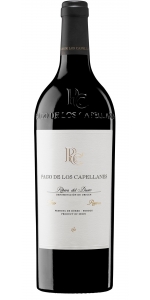
In 2007, production was just less than 5000 kg per hectare. This wine is prepared with Tempranillo 100% grapes from our vineyards.
The grapes are initially subjected to a six-day pre-fermentation cold maceration below 14ºC. They then undergo 30 days of alcoholic fermentation at a controlled temperature of 28ºC, after which the wine is removed from the tanks without pressing the grape skins. The malolactic fermentation is slow and relaxed at a temperature of 20 ºC for 28 days without the addition of bacteria.
The wine is aged for18 months in new French oak barrels and is decanted into new barrels every six months. At the end of this period, the wine is blended and bottled without undergoing any type of filtration, clarification or cold treatment.
Prepared with Tempranillo grapes (100%), this wine has a ruby red colour with very pure, intense garnet tones.
Its bouquet has fine complexity with tones of ripened fruit, especially cherries, blue berries and black currants, which are in harmony with tones of good wood, spices (vanilla and coconut) and a liquorice undertone.
In the mouth, this wine displays great balance, proving pleasing to the taste, sweet due to the maturity of its tannins and exuberant on account of its pleasant level of acidity.
Vineyard:
Pago de los Capellanes, Pedrosa de Duero.
Variety composition:
100% Tempranillo.
Type of soil:
Clayey and chalky.
Aging:
18 months in barrel and remainder on rack.
Type of oak:
100% French oak, medium toast.
Serving:
Uncork and decant one hour before serving at a temperature of 16-18 ºC.
The 2019 Ribera del Duero Reserva is also terrific, with gorgeous aromatics of black and blue fruits supported by Asian spices, lead pencils, cedarwood, and violets. It's beautifully textured, medium to full-bodied, has a concentrated, powerful mouthfeel, and ripe, integrated tannins.
-Jeb Dunnuck 95 Points
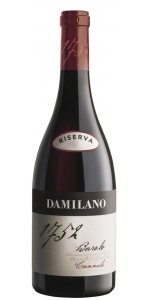
“1752” is the name of the Damilano Barolo Cannubi Riserva, in honor of the year in which the historic bottle was first marked “Cannubi”. It still exists today perfectly conserved by the Manzone family in Bra, close to Barolo. The bottle is clearly marked as being of “1752” vintage, indicating that Cannubi historically precedes Barolo.
About the Vineyard:
The Cannubi Cru is in found within one of the 6 core zones which comprise a UNESCO heritage site in Italy. A mixture of Tortonian and Helvetian calcareous marl gives the grapes intense aromas of cherry, plum and tobacco, rose and violet in sequence. Its low potassium and high calcium/magnesium content offer the wine a fine and polished touch. The vineyard is located at about 270 m. a.s.l. and has a south-east sun exposure. Barolo Riserva Cannubi 1752 It is a small plot of about 2 hectares of Nebbiolo vines, currently between 30 and 50 years of age.
Tasting Notes:
Garnet ruby red in color, the bouquet is intense and balanced, with notes of violet, red fruit, cherry and plum, spices, liquorice, cocoa, leather and tobacco. Dry, robust, full-bodied, very persistent, rich and velvety
Food Pairing:
This wine is excellent with typical piedmontes pasta (tajarin, ravioli); perfect with red meat, braised and roast meat, game and absolutely ideal with all types of cheeses.
Review:
The purity of this wine is pretty phenomenal with blackberries, strawberries, fresh flowers and licorice. Hints of tar. It’s full-bodied, yet composed and compact with ultra fine tannins and a long, flavorful finish. Very structured. Try after 2024.
-James Suckling 97 Points
“1752” is the name of the Damilano Barolo Cannubi Riserva, in honor of the year in which the historic bottle was first marked “Cannubi”. It still exists today perfectly conserved by the Manzone family in Bra, close to Barolo. The bottle is clearly marked as being of “1752” vintage, indicating that Cannubi historically precedes Barolo.
About the Vineyard:
The Cannubi Cru is in found within one of the 6 core zones which comprise a UNESCO heritage site in Italy. A mixture of Tortonian and Helvetian calcareous marl gives the grapes intense aromas of cherry, plum and tobacco, rose and violet in sequence. Its low potassium and high calcium/magnesium content offer the wine a fine and polished touch. The vineyard is located at about 270 m. a.s.l. and has a south-east sun exposure. Barolo Riserva Cannubi 1752 It is a small plot of about 2 hectares of Nebbiolo vines, currently between 30 and 50 years of age.
Tasting Notes:
Garnet ruby red in color, the bouquet is intense and balanced, with notes of violet, red fruit, cherry and plum, spices, liquorice, cocoa, leather and tobacco. Dry, robust, full-bodied, very persistent, rich and velvety
Food Pairing:
This wine is excellent with typical piedmontes pasta (tajarin, ravioli); perfect with red meat, braised and roast meat, game and absolutely ideal with all types of cheeses.
Review:
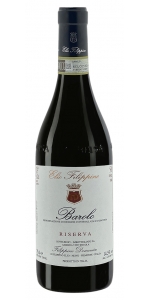
Filippino Elio Barolo Riserva is made from 100 percent Nebbiolo.
This 100% Nebbiolo offers a fruity, floral and spicy bouquet of red roses, raspberry, cinnamon and cocoa. It is generous, enveloping and elegant in the mouth, yet intense and full-bodied.
The grapes undergo a soft crushing and destemming leading to a clear must. This must ferments in steel tanks at a controlled temperature of 26°C and macerates for 20-25 days. After racking, the wine undergoes a lengthy maturation in oak barrels, which is continued with a lengthy bottle-ageing. Bottle-ageing confers the wine’s final character, at which time the wine is sent to market and from there to consumer tables.
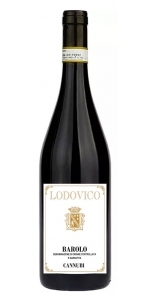
Lodovico Barolo Cannubi is made from 100% Nebbiolo.
With a ruby-red color, the Barolo Cannubi has a rich bouquet which gradually recalls the scents of roses flowers, truffles and wood spice. The palate is at first elegant and refined, then is begins to gain in complexity with a little breathing or decanting.
Vine: Nebbiolo, sub-variety Lampia and Michet
Grapes provenance: Cannubi Boschis vineyard in the village of Barolo
Soil: composed mainly of large clayey limestone marls and sands
Vineyards: South-est facing with Guyot pruning (6-8 buds / vine)
N° Vines / hectare: 5000
Yield / hectare: 50-55 q / Ha
Plant year: 1970
Size of the vineyard: 1.3 hectare (3.21 acres) in the family since 1996 out of 40 hectares (98.8 acres) total for Cannubi.
Average height: 250-260 mt
Nebbiolo is a native black grape variety of Piedmont that gives birth also Barolo and Barbaresco. The name ‘Nebbiolo’ derives from the word ‘fog’ and there could be two reasons. The first hypothesis traces the name of Nebbiolo back to the obscured, almost clouded appearance of the grape, covered with abundant bloom. The second hypothesis, more suggestive, is linked to the very late ripening of the grapes: the Nebbiolo grape harvest often takes place in late October, when the vineyards are enveloped in morning mists.
Pairs with aged cheeses, red meat, rich/earthy dishes, truffle risotto, pasta with sausages and mushrooms. Braised or roasted meats.
Filippino Elio Barolo Riserva is made from 100 percent Nebbiolo.
This 100% Nebbiolo offers a fruity, floral and spicy bouquet of red roses, raspberry, cinnamon and cocoa. It is generous, enveloping and elegant in the mouth, yet intense and full-bodied.
The grapes undergo a soft crushing and destemming leading to a clear must. This must ferments in steel tanks at a controlled temperature of 26°C and macerates for 20-25 days. After racking, the wine undergoes a lengthy maturation in oak barrels, which is continued with a lengthy bottle-ageing. Bottle-ageing confers the wine’s final character, at which time the wine is sent to market and from there to consumer tables.
Filippino Elio Barolo Riserva is made from 100 percent Nebbiolo.
This 100% Nebbiolo offers a fruity, floral and spicy bouquet of red roses, raspberry, cinnamon and cocoa. It is generous, enveloping and elegant in the mouth, yet intense and full-bodied.
The grapes undergo a soft crushing and destemming leading to a clear must. This must ferments in steel tanks at a controlled temperature of 26°C and macerates for 20-25 days. After racking, the wine undergoes a lengthy maturation in oak barrels, which is continued with a lengthy bottle-ageing. Bottle-ageing confers the wine’s final character, at which time the wine is sent to market and from there to consumer tables.
Grand Veneur Chateauneuf Du Pape Vieilles Vignes is made from 50% Grenache, 40% Mourvedre, 10% Syrah
Matured in concrete vats (40%) and oak casks (60%)
It boasts an inky/purple color in addition to a gorgeous perfume of crushed rocks, jammy black fruits, charcoal and graphite. Blackberry aroma with an air of dates pressed in alongside – this is sweet-noted. It is easy to appreciate, a sleek and stylish start. The palate holds excellent fruit that runs well and has kick. Its tannins move round freely and a minted finale comes forward. Its dark fruit is tasty, darkens on the finish, where tar and char from its oak enter. It is all very much together, a bundle of harmony, and will gain local attributes as it ages.
An outstanding Chateauneuf du Pape which display the best of its terroir.
The vines are 50 to 100+ year old. They are planted on red clay soils covered with pebble stones.
Harvest is destemmed and crushed. Fermentation temperature is controlled at 30°C. Vatting period of 18 to 20 days. Matured in concrete vats (40%) and oak casks (60%).
The vineyards are located in the north of Châteauneuf du Pape. GRAND VENEUR «Vieilles Vignes» cuvee is produced from the older vines. Thanks to time and an organic growing, roots go very deep in the soil. Yields are naturally low and grapes highly concentrated.
The vines are 50 to 100+ year old. They are planted on red clay soils covered with pebble stones.
Winemaking and aging
Harvest is destemmed and crushed. Fermentation temperature is controlled at 30°C. Vatting period of 18 to 20 days. Matured in concrete vats (40%) and oak casks (60%).
Pair with venisson, duck, braised lamb or strong cheese.
Review:
"Up with the crème de la crème of the vintage, the 2018 Châteauneuf Du Pape Vieilles Vignes is a bigger, richer wine than the Les Origines cuvée and has a beautiful core of smoked black fruits, candied violets, peppery garrigue, and scorched earth-like aromas and flavors. Playing in the medium to full-bodied end of the spectrum, it’s flawlessly balanced and has terrific tannins, a stacked mid-palate, and a great finish. It certainly shows the more front end-loaded, fleshy, mildly concentrated style of the 2018 vintage, yet the balance is top-notch, and it’s just a thrill to drink today. It should evolve nicely for 10-15 years."
- Jeb Dunnuck (October 2020),96 pts
Argot Sauvignon Blanc Sonoma County is made out of 100 percent Sauvignon Blanc.
Massive aromatics, and a bold, intensely, full-flavored palate define the personality of this wine. Juicy stone fruits, laser-focused lemon Jolly Rancher and a full-blown tropical fruit character explode on the palate. This bright and inviting wine is perfectly suited to sunny afternoons or paired with classic summer fare.
This bright and inviting wine is perfectly suited to sunny afternoons, or paired with classic summer fare.



