
" We don't sell the wine without touching the vine "
| Country: | United States |
| Regions: | California California (Sonoma County) |
| Winery: | Dashe Cellars |
| Grape Type: | Zinfandel |
| Vintage: | 2013 |
| Bottle Size: | 750 ml |

After working with the fruit for over a decade, Turkey is proud to present the first single-vineyard bottling for Turley from the Del Barba Vineyard. Contra Costa is a delta where the San Joaquin and Sacramento rivers meet, and these head-trained vines are planted in deep dehli blow sand, made up of decomposed granite coming down from the Sierra Mountains. The resulting wine embodies the best the delta has to offer: silken textures, ultra fine tannin, and dark saline fruits.
Review:
Sourced from head-trained vines planted in 1980 on sandy soils, the 2022 Zinfandel Del Barba Vineyard is a light, elegant and approachable expression of Turley's substantial Zinfandel collection. Medium ruby in color, it is initially coiled and opens slowly into a bright, inviting nose with aromas of Earl Grey tea, licorice and red cherries, albeit with slightly less definition and clarity than found in other bottlings. The palate is medium-bodied, deeply red-fruited and lined with spicy, floral accents. The finish is long and perfumed, framed by clay-textured tannins and lifted, juicy acidity harnessed with an understated elegance.
-Wine Advocate 93 Points

Mason Cellars Pelissa Vineyard Cabernet Sauvignon is made from 100 percent Cabernet Sauvignon.
The 2020 Mason Oakville Cabernet Sauvignon is quintessentially Oakville from nose to finish. Attractive fresh blackberry, red current and chocolate with a hint of sweet oak boast out of the glass. This wine showcases graphite, velvety tannins and concentrated, beautifully balanced flavors with a bit of spice and white pepper. These bold flavors typical of Oakville Cabernet are rounded out with velvety tannins, a weighty mid-palate and a long, juicy finish.
Production Notes:
The fruit was delicately hand-picked in the early morning hours and brought into the winery for processing. The grapes were crushed, about 60% whole berry, and cold soaked for three days before being inoculated for primary and malo-lactic fermentation. Once dry, the wine was put down to barrel for 20 months in medium toast French oak, 25% of which was new.
Vineyard Notes:
Grapes for our 2020 Mason Cabernet Sauvignon are sourced exclusively from the Pelissa Vineyard in Oakville. This vineyard spans 60 acres and is planted to Old BV Clone 7 Cabernet Sauvignon as well as Zinfandel. This vineyard is named for Andrew and Babe Pelissa, who after their marriage on August 30, 1930, made their home at the site of this vineyard which, at the time, was a dairy. Oakville is the core of Napa Valley’s famed Cabernet Sauvignon production, and this site is no exception with the flawless blending of climate and soil to create a remarkable wine.
Review:
“This firmly structured, well-balanced wine has the feel of a classic Bordeaux blend. Just-ripe red and black fruits blend with subtle toast, cedar and mint on a moderately tannic, slightly tangy texture. The wine is tasty enough to decant and drink soon with grilled lamb chops or roast chicken. Best from 2026–2036.” – Jim Gordon
-Wine Enthusiast 94 Points

Harney Lane Old Vine Zinfandel Lizzy James Vineyard is made from 100 percent Zinfandel.
Unabashedly ripe, but keeping true to it’s vineyard driven Zinfandel fruit notes of dark morello cherry, blackberry and pomegranate jelly. This full-bodied wine is deep with concentration, supple and polished with a careful measure of sweet oak that supports the generous fruit flavors.
Lizzy James Vineyard is registered as a Historical Vineyard by the Historical Vineyard Society; The vineyard name is the middle names of our children which were given to them in honor of grandparents.
Sub-appellation : Mokelumne River
T.A. : 6.5 g/L
pH : 3.8
R.S. : 0.4 %

The Stone Corral Vineyard is planted on a southeast slope on the west side of the Edna Valley which has an east/west orientation opening up to the Pacific Ocean from Morro Bay and Pismo Beach. Approximately 120 to 300 feet above sea level, the climate is strongly influenced by the ocean providing ideal temperate growing conditions for Pinot Noir. Early spring warming, mild summer temperatures and late arriving cold fall temperatures and rain provide a long growing season for the development of rich color, concentrated and complex flavors. Soil profiles vary between blocks from sand, sandy loam, loamy sand, pebbly sandy clay loam, all fine angular blocky , including decomposing sandstone layers and numerous fossil rocks. The soils are well drained and marine in origin, resulting in an elegant Pinot Noir with extraordinary attributes.
This gem is a blend of a few precious, select barrels hailing from the finest blocks of Stone Corral Vineyard. Offers blue-toned fruit on the nose and a pretty bouquet of black raspberry, sandstone, marzipan and wild lupine flowers. Opulent, yet delicate on the palate, with velvety layers of cola nut, cherry, dried herbs and pecan sandie cookies.
Wine analysis – 13.7% Alcohol, .69 TA, 3.5pH
- A barrel select Stone Corral Vineyard bottling, utilizing the finest blocks and clones of the 2013 vintage
- Blend of clones 115, 777 and 667 on 101-14 and 3309 rootstalks
- Hand harvested, cold fruit from night picks during the month of September 2013
- Yield about 2 tons per acre between 23.8 and 24.5 ° Brix
- Destemmed with nearly 100 % whole berries remaining
- Fermented in small open top tanks
- 4 day cold soak, average 14 day fermentation, peak temperature 83°
- Hand punched down several times daily as needed
- Pressed off just dry, tank settled then racked to barrels
- Aged in small French oak barrels for 18 months
- Once the fresh wine is transferred from the press pan, all moving of the wine is done with inert gas pressure.
When handling the wine, care is taken at all opportunities to avoid shear.
"This bottling comes from the best blocks and barrels from this single vineyard, co-owned by a number of Edna Valley luminaries. The result is stunning, with baked raspberry, strawberry, maple, and peppery bacon aromas comprising a spicy, exotic nose. Black plum fruit melds with white pepper and crushed herbs, diving into tangy strawberry and sandalwood incense notes on the finish. - Matt Kettmann"
- Wine Enthusiast Magazine (April 1st 2017), 95 pts

High gloss metallic paint with a forged iron big-block under the hood - our 2018 Hillstone Vineyard is a real show car. Deeply fruited with hi-tone huckleberry from a prime hillside site in Rutherford, the wine has a thick powerband with crushed stone and coffee bean, retaining polish and precision straight through the tail pipes.
Review:
Lots of pure cassis and blueberry- like fruits as well as licorice, graphite, and crushed rock-like minerality, emerge from the 2018 Cabernet Sauvignon Hillstone Vineyard. It's a full-bodied, opulent, powerful Cabernet Sauvignon that doesn't pull any punches on the fruit or texture scale, yet has ripe, present tannins, a light, elegant texture, and a great finish. Give bottles an hour in a decanter if drinking any time soon, or better yet, hide bottles for 2-3 years. It's going to evolve for 15+ years in cold cellars.
-Jeb Dunnuck 95 Points

Pearmund Cellars Viognier Vinecroft Vineyard is made from 100 percent Viognier.
Explosive tropical fruit flavors: Pineapple and peach with hints of grapefruit. Powerful, yet feminine.
Sweet and ripe on the palate with peach, apricot, pineapple, and mango notes. Long and flavorful finish.
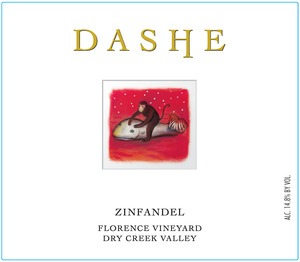
Dashe Cellars Zinfandel Florence Vineyard is made from 98% Zinfandel, 2% Petite Sirah
Color: Dark-purple
Aromas: Floral notes of lavender, violets, and darker fruit of black raspberry and black cherry
Taste: Great vibrant flavors of black raspberry, black cherry, and cranberry. Fruit flavors are followed by a great rush of layered darker flavors of earth, mineral, chocolate, clove spice, long persistent finish of black raspberry and cranberry fruit..
The vineyard—owned by Jack Florence of Rockpile Ranch fame—was planted from cuttings of the St. Peters Church clone, taken from the Rockpile Ranch. In 2012, the yields were relatively low (even though most vineyards produced a big crop), so the Florence Vineyard zinfandel was as intense, aromatic, and richly-textured as ever.
The Dashe Cellars Estate
Dashe Cellars were founded in 1996 by Anne and Michael Dashe, a husband and wife winemaking team who created a small winery that focuses on wines from Sonoma County. Since Anne's winemaking origins are French and Michael's are American, they wanted to elaborate distinctive wines that offered the best from both of their countries of origin.
The Dashe Cellars Vineyards
They have decided to concentrate on single vineyard sites - to locate small independent vineyards and create wines that reflect the vineyards unique soil, climate, and regional characteristics. They use traditional fine winemaking techniques such as small lot fermentations, the use of indigenous yeast on the grapes to conduct the fermentations, little or no fining or filtration, and small barrel aging. All the wines are made, tasted, and blended by the production team of Michael, Anne, and Matt Smith (enologist).

All older vintage wines have been purchased from a single collector’s cellar. Pictures can be requested before shipment.

Maurice Martin Saint-Veran is made from 100 percent unoaked Chardonnay.
White gold color with silver or greenish reflections , shiny and soft. Aromas suggest broom, acacia, green apple, lemongrass, citruses. A fresh, dry and fruity, nervous with a good balance.
The grapes for this wine is coming from 2 famous part of the Saint Véran' appellation: Prissé and Davayé.
The wine went through malolactic fermentation. It has been gently filtered before bottling.
Very easy to associate with his very complete balance : grilled fish, creamy risottos, antipasti, salads, sushis, very pleasant at the aperitif.



