" We don't sell the wine without touching the vine "
| Country: | France |
| Regions: | Washington Washington (Red Mountain) |
| Winery: | DeLille Cellars |
| Grape Type: | Merlot |
| Vintage: | 2013 |
| Bottle Size: | 750 ml |
“1752” is the name of the Damilano Barolo Cannubi Riserva, in honor of the year in which the historic bottle was first marked “Cannubi”. It still exists today perfectly conserved by the Manzone family in Bra, close to Barolo. The bottle is clearly marked as being of “1752” vintage, indicating that Cannubi historically precedes Barolo.
About the Vineyard:
The Cannubi Cru is in found within one of the 6 core zones which comprise a UNESCO heritage site in Italy. A mixture of Tortonian and Helvetian calcareous marl gives the grapes intense aromas of cherry, plum and tobacco, rose and violet in sequence. Its low potassium and high calcium/magnesium content offer the wine a fine and polished touch. The vineyard is located at about 270 m. a.s.l. and has a south-east sun exposure. Barolo Riserva Cannubi 1752 It is a small plot of about 2 hectares of Nebbiolo vines, currently between 30 and 50 years of age.
Tasting Notes:
Garnet ruby red in color, the bouquet is intense and balanced, with notes of violet, red fruit, cherry and plum, spices, liquorice, cocoa, leather and tobacco. Dry, robust, full-bodied, very persistent, rich and velvety
Food Pairing:
This wine is excellent with typical piedmontes pasta (tajarin, ravioli); perfect with red meat, braised and roast meat, game and absolutely ideal with all types of cheeses.
Review:
The purity of this wine is pretty phenomenal with blackberries, strawberries, fresh flowers and licorice. Hints of tar. It’s full-bodied, yet composed and compact with ultra fine tannins and a long, flavorful finish. Very structured. Try after 2024.
-James Suckling 97 Points
Charles Heidsieck Vintage Brut is made from 57% Pinot Noir, 43% Chardonnay.
A beautiful golden robe offers glints of green accentuated by a delicate, dynamic effervescence. The initial nose introduces intense toasted and smoky notes along with ripe fruit. When swirled in the glass, the nose takes on a heartier dimension with touches of apricot and vineyard peaches. The aromatic concentration, due to a heat wave of several weeks, is reminiscent of the summer sun. The attack is taut and decisive. the creamy texture, the crisp fruitiness and spiced notes of cinnamon, licorice and pepper are the hallmark of the House style.
Review:
Aged for eight years on the lees before disgorgement, the Champagne is deliciously toasty with acidity and fine dryness.
-Wine Enthusiast 96 Points
Disgorged in January of 2023, the 2013 Champagne Millésime Brut was the last vintage from the cellar master for Heidsieck prior to Cyril Brun. The 2013 Champagne Millésime Brut is a bright straw yellow color and is based on the crus of Les Mesnil, Avize, Averney, and Aÿ. It’s fresh with aromas of wet stones, fresh quince, and fresh jasmine flowers. It has a chalky and focused texture, with ripeness to balance it out, and a long, graceful finish. At this stage, it feels more forward with 57% Pinot Noir and the rest Chardonnay. A more mineral-tinged expression, it has a lot of charm and the promise of longevity over the coming two decades. Drink 2024-2044. It will be interesting to see how the Pinot shows itself over time. 8 grams per liter dosage.
-Jeb Dunnuck 95 Points
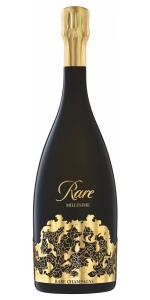
Piper-Heidsieck Rare Brut Champagne is made from 70% Chardonnay, 30% Pinot Noir.
The effervescence of Rare Millésime 2013 is tinged with an intensely bright, light golden color. The nose, at first subtle and clean, emerges in two stages combining tonicity and elegance. It all begins with the delicacy of white flowers, a hint of black tea and touches of citrus, kiwi and kumquat. Then, notes of lime blossom, green tea and fern give way to aromas of white fruits such as greengage plums. Touches of chestnut honey, sweet spices, vanilla and marzipan round off the wine's rich bouquet. The two facets of Rare Millésime 2013 are confirmed in the mouth: smooth and vibrant, indulgent and dynamic. After hints of meringue, whipped cream and marzipan, kumquat, blood orange and kiwi then provide a refreshing tonicity. On the finish, the comforting texture of Rare Millésime 2013 appears as an aromatic and smoky indulgence punctuated by a freshness and a subtle bitterness. Rare Champagne's iconic signature of tropic minerality is expressed differently in Rare Millésime 2013, extended by a plump and prolonged aftertaste.
Reviews:
Originally a part of the legendary Piper-Heidsieck Champagne house, Rare is moving their Champagne Millésime to a new brand and want it to stand alone. (Think Delamotte and Salon.) The 13th vintage for this cuvée, the 2013 Champagne Millésime is a blend is 70% Chardonnay with the rest Pinot Noir, with the majority of the blend coming from the Montagne de Reims Grand Cru and Premier Cru. A bright yellow hue, its aromatics are exquisite and well-balanced, with fresh notes of key lime, candied apple, fresh croissant dough, fresh pineapple, and honeysuckle. Medium to full-bodied, it fills the palate with a rounded and supple texture and a pillowy mousse. It’s long on the palate and has a silky personality as well as a long, pristine finish. It has fantastic balance of decadence and freshness, and I could drink this all day. It’s going to have a long drinking window. Drink 2024-2044 and beyond. Disgorged December 2022.
-Jeb Dunnuck 97 Points
Like a stallion out of the gate, this shows an initial explosion of power, in the form of mouthwatering flavors and fine texture, before quickly settling into an elegant gait. The racy acidity is seamlessly knit, buoying the lacy mousse and flavors of cassis, toasted brioche and tangerine, with accents of candied ginger, hazelnut and fleur de sel lingering on the long, creamy finish.
-Wine Spectator 97 Points
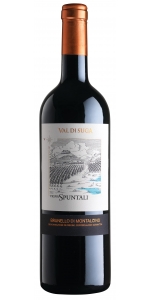
This is a 6 pack with 2 bottles each from vintages from 2013, 2015, and 2016.
***Tenimenti Angelini Val di Suga Vigna Spuntali Brunello di Montalcino 2016:
The 2016 Vigna Spuntali Brunello di Montalcino is the most brooding of the lineup from Val di Suga and is sourced from the southwest of the region on sandy soils. There are aromatics of black raspberry, licorice, menthol, sage, cinnamon, and iron-rich earth. Its Mediterranean influence is felt on the palate with ripe black cherry, dried herbs, and sun-baked earth. This is the fullest bodied and most savory of the Val di Suga lineup, with more roundness and grip. Its structure will benefit from cellaring for several years and will be great drinking over the next 20 years or more. 2026-2040.
-Jeb Dunnuck 96 Points
***Tenimenti Angelini Val di Suga Vigna Spuntali Brunello di Montalcino 2015:
The 2015 Vigna Spuntali Brunello di Montalcino is more introverted on first opening, with notes of black plum, licorice, dried Mediterranean herb, and sun-baked earth. On the palate, it offers a tart dried fruit character, with a building tannin structure that finishes with tomato leaf, and bitter herbs. The most rustic and burly of the wines in the lineup of the 2015 Val di Suga vintage, it will benefit from allowing some time in cellar to see how this matures and its tarriness develops. Drink 2026-2036
-Jeb Dunnuck 94 Points
***Tenimenti Angelini Val di Suga Vigna Spuntali Brunello di Montalcino 2013:
Plenty of spices and fresh herbs on the nose, such as dried rosemary and nutmeg, to match the underlying dried redcurrants and cranberries. Full-bodied with plenty of concentration, but still shows a very sturdy, tannin backbone and punchy acidity, to drive this through to a long finish. Drink in 2021.
-James Suckling 94 Points
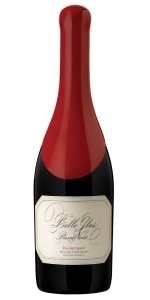
Dark plum in color with abundant aromas of dark chocolate, black cherry, and sun-ripened blackberry with a hint of cedar. Layered flavors of blackberry and raspberry pie filling, accompanied by notes of cinnamon, chocolate, and nutmeg play on the palate. Smooth and focused with refined tannins and a medium finish.

All older vintage wines have been purchased from a single collectors cellar. Pictures can be requested before shipment.
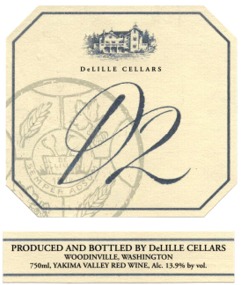
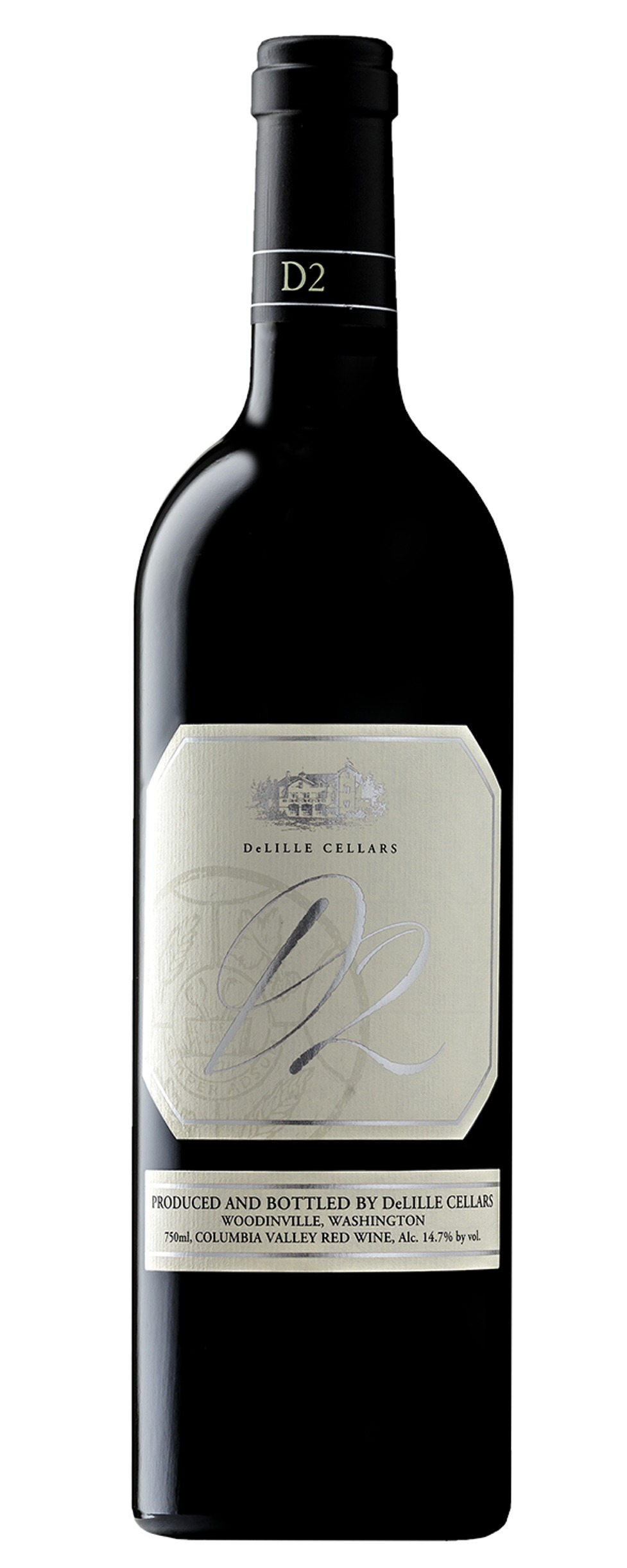
The notable dark black-purple color suggests a concentrated and ripe vintage. With perfume-scented blueberries, cassis, cherries, raspberries and dried lavender, the nose is enticing. There is also wonderful oak and fruit integration displaying notes of cassis, red plums, tart cherries, cocoa nibs, cedar and Herbs de Provence.
Mouthwatering ripe tannins give way to a long and dramatic finish reinforcing a rich and complete D2 that will give satisfaction for years to come.
The DeLille Cellars Estate
Founded in 1992, DeLille Cellars is a small family owned winery located in Woodinville, Washington. Their goal is to make the very best handcrafted, old-world style red and white wine made in the State of Washington.
The DeLille Cellars Vineyard
The beautiful ten-acre site sits above the Woodinville valley floor, overlooking the wineries of Chateau Ste. Michelle and Columbia Winery. All DeLille wines are elaborated with the highest “hand-crafted” standards. Only grapes from the oldest and best vineyards in Washington State are used. They are hand picked and hand sorted at crush, using only the finest berry clusters. The wines are aged in 100% new French oak barrels each and every year and are never filtered.
The DeLille Cellars Wines
In the words of David Schildknecht, The Wine Advocate, December 2012:
"Winemaker-vineyard manager and self-styled "old world traditionalist" Chris Upchurch has been the guiding spirit of DeLille Cellars since its early-’90s inception, although the ostensibly Old World models followed have evolved significantly in both marketing and winemaking terms. Early-on, DeLille, unsurprisingly, – like so many other U.S. wineries – focused exclusively on a Bordelais vision. That said, Upchurch and his partners had been in business for nearly a decade before they purchased a vineyard: Grand Ciel, adjacent to Ciel du Cheval and Galitzine and managed by the accomplished and (seemingly in Red Mountain at least) ubiquitous Ryan Johnson. DeLille also vinifies and bottles separately the fruit of Harrison Hill’s antique vines (for more about which see my tasting note on the 2009 vintage) and a second estate vineyard project is afoot. The established if misleading name Chaleur Estate was retained for DeLille’s flagship wine crafted from contract fruit (second wine: D2); while the designation Doyenne – utilized from early-on for Syrah – morphed into an officially separate winery for experimental-minded exploration of themes inspired by Southern France. (For database purposes, we at The Wine Advocate / eRobertParker.com treat Doyenne as part of the relevant wines’ descriptions and a DeLille sub-label, which reflects the way those wines are marketed and the spirit in which they were presented to me. Comments on Upchurch’s vinificatory approaches can be found sprinkled though my tasting notes.)"
Long Shadows Chester Kidder is made from 60% Cabernet Sauvignon, 25% Syrah and 15% Petit Verdot
Allen Shoup named this wine in honor of his mother, Elizabeth Chester, and his grandmother, Maggie Kidder. He selected Long Shadows' director of winemaking and viticulture, Gilles Nicault, to craft this New World blend of Cabernet Sauvignon, Syrah and other classic Bordeaux varieties.
Select Cabernet Sauvignon lots underwent an extended maceration of 40 days to produce supple yet firm tannins that stand up to 30 months of barrel aging in tight-grained French oak barrels (85% new). The extra time in barrel helped to integrate the fruit, enhance the mid-palate with an extra layer of complexity, and provide an appealing earthiness to the finish.
Review:
The Cabernet Sauvignon-dominated 2017 Chester Kidder is another more closed, reserved wine that's loaded with potential. Cassis, toasted spices, violets, and leafy herb notes give way to a rich, full-bodied red that has ripe, velvety tannins, a rounded, mouth-filling texture, and one heck of a great finish. Give bottles 3-5 years if you can and it should be very long lived.
-Jeb Dunnuck 93 Points
Marco Capra Langhe Nascetta is made from 100% Nascetta - 15 years old - 1.73 acres
Aged 6 months in stainless steel vats
The name "CONNA" is a sweet nickname after his wife Monica.
Bright straw yellow with greenish hues, with an intense and interesting perfume of grapefruit, apple and aromatic herbs. Floral, fresh, focused, good acidity. Refreshing and bright, full bodied with an aromatic persistence, it is savory and tasty on the palate with a smoothness that enhances the rich character of the wine
Altitude: 400 m above sea level.
Soil composition: lime and sand.
Plant density: 5000 vines / hectare.
Cultivation system: traditional Guyot.
Yield per hectare: 6 tons.
After a short period of maceration on skins, the grapes are soft pressed. The clear must obtained ferments slowly in stainless steel vats at a controlled temperature of 16-17°C. The wine spends a long period of time on the fine lees, with frequent “batonnage”
Ideal with apetizers, shellfish and other fish dishes.