
" We don't sell the wine without touching the vine "
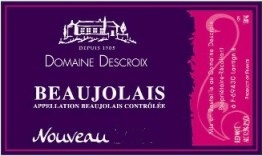
| Country: | France |
| Region: | Beaujolais |
| Winery: | Descroix |
| Grape Type: | Gamay |
| Vintage: | 2013 |
| Bottle Size: | 750 ml |
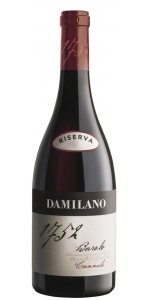
“1752” is the name of the Damilano Barolo Cannubi Riserva, in honor of the year in which the historic bottle was first marked “Cannubi”. It still exists today perfectly conserved by the Manzone family in Bra, close to Barolo. The bottle is clearly marked as being of “1752” vintage, indicating that Cannubi historically precedes Barolo.
About the Vineyard:
The Cannubi Cru is in found within one of the 6 core zones which comprise a UNESCO heritage site in Italy. A mixture of Tortonian and Helvetian calcareous marl gives the grapes intense aromas of cherry, plum and tobacco, rose and violet in sequence. Its low potassium and high calcium/magnesium content offer the wine a fine and polished touch. The vineyard is located at about 270 m. a.s.l. and has a south-east sun exposure. Barolo Riserva Cannubi 1752 It is a small plot of about 2 hectares of Nebbiolo vines, currently between 30 and 50 years of age.
Tasting Notes:
Garnet ruby red in color, the bouquet is intense and balanced, with notes of violet, red fruit, cherry and plum, spices, liquorice, cocoa, leather and tobacco. Dry, robust, full-bodied, very persistent, rich and velvety
Food Pairing:
This wine is excellent with typical piedmontes pasta (tajarin, ravioli); perfect with red meat, braised and roast meat, game and absolutely ideal with all types of cheeses.
Review:
The purity of this wine is pretty phenomenal with blackberries, strawberries, fresh flowers and licorice. Hints of tar. It’s full-bodied, yet composed and compact with ultra fine tannins and a long, flavorful finish. Very structured. Try after 2024.
-James Suckling 97 Points
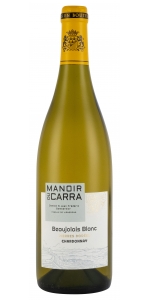
Carra Beaujolais Blanc Pierres Dorees is made from 100 percent Chardonnay.
The nose shows step by step floral and fruity aromas. A vanilla hint in the end with a lingering finish: those are typical Chardonnay aromas.
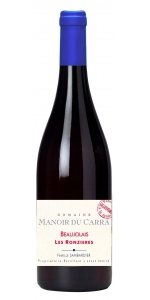
Carra Beaujolais Rouge Les Ronzieres is made from 100% Gamay.
From granitic and sandy soils, this Beaujolais Rouge exhibits a nice color, with hints of cherry and garnet, and reveals aromas of red fruit dominated by cassis and strawberry. This cuvée was specially made to enjoy young with an easy drinking mouthfeel perfect for charcuterie and cheeses.
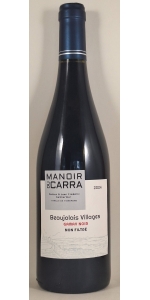
Carra Beaujolais-Villages Gamay Noir Non filtré is a new project for 2024.
We wanted a very fruity style of Beaujolais Villages using a good amount of carbonic maceration during the vinification.
The wine has a very nice ruby red color and a very pure and delicate nose of pure strawberries and cream that is very defined and seductive.
The palate is medium-bodied with crisp tannins, lively red cherry fruit and pleasing weight on the finish.
Excellent with charcuterie (garlic sausage, dry sausage, boudin noir), but also delicious with Coq au vin (Chicken cooked in a red wine sauce).
The wine will also goes well with fresh fruit and a splash of Crémant de Bourgogne for a Burgundian Sangria.
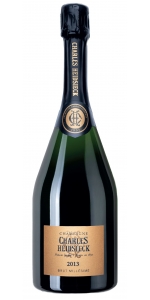
Charles Heidsieck Vintage Brut is made from 57% Pinot Noir, 43% Chardonnay.
A beautiful golden robe offers glints of green accentuated by a delicate, dynamic effervescence. The initial nose introduces intense toasted and smoky notes along with ripe fruit. When swirled in the glass, the nose takes on a heartier dimension with touches of apricot and vineyard peaches. The aromatic concentration, due to a heat wave of several weeks, is reminiscent of the summer sun. The attack is taut and decisive. the creamy texture, the crisp fruitiness and spiced notes of cinnamon, licorice and pepper are the hallmark of the House style.
Review:
Aged for eight years on the lees before disgorgement, the Champagne is deliciously toasty with acidity and fine dryness.
-Wine Enthusiast 96 Points
Disgorged in January of 2023, the 2013 Champagne Millésime Brut was the last vintage from the cellar master for Heidsieck prior to Cyril Brun. The 2013 Champagne Millésime Brut is a bright straw yellow color and is based on the crus of Les Mesnil, Avize, Averney, and Aÿ. It’s fresh with aromas of wet stones, fresh quince, and fresh jasmine flowers. It has a chalky and focused texture, with ripeness to balance it out, and a long, graceful finish. At this stage, it feels more forward with 57% Pinot Noir and the rest Chardonnay. A more mineral-tinged expression, it has a lot of charm and the promise of longevity over the coming two decades. Drink 2024-2044. It will be interesting to see how the Pinot shows itself over time. 8 grams per liter dosage.
-Jeb Dunnuck 95 Points
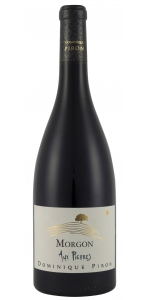
Dominique Piron Beaujolais Morgon Aux Pierres is made from 100% Gamay.
A mineral wine with fine tannins reflecting a perfume of concentrated dark fruits.
A small plot of vines of 85 ares acquired by Dominique Piron's grandfather in 1932. Registered on a place called "Aux Pierres", it is well named due to its blue stones, very typical of the Côte du Py. Year by year, the quality of the harvest has made it an emblematic plot of Piron's family. Elite of the domain, this special cuvee is produce only in case of exceptional vintage. It's a cuvee that can be kept for more than 10 years.
Review:
"This deep and powerful Morgon is just beginning to give its best. The spicy oak is there, but well integrated with the plum and blackberry fruit. Very good balance on the generous front palate, but at the back the richness makes a bold statement and the tannins just hold it in check. With a shade less ripeness this would be even more impressive. Drink or hold.
- James Suckling (April 2021), 92 pts
Descroix Beaujolais Nouveau 2013 is made from 100% Gamay
Light, fresh, fruity wine, easy to drink. Serve chilled.
The Domaine Descroix Estate
Domaine Descroix was founded in 1905 and has been in the family for four generations. Xavier Descroix is the current owner. The winery is located in the village of Lantignie, north of Beaujolais, right next to Beaujeu which is the historic capital of Beaujolais and gave its name to the region. Lantignie encompasses the crus Regnie, Brouilly and Morgon.
The wines are vinified, aged and bottled at the winery combining tradition and modern technologies.
They sell 50% of their production in bulk to négociants, the rest at the property and started to sell to the export market in 2006.
They work in respect of the terroir and the environment and focus on the work in the vineyard and low yields to obtain high quality grapes producing excellent wines. They aim to produce Beaujolais wines that are authentic and true to the appellation.
The Domaine Descroix Vineyard
The vineyard measures 11.27 hectares total (27.84 acres), broken down as follows:
- 9.75 hectares in Beaujolais and Beaujolais Villages AOC, located in the towns of Beaujeu and Lantignié. Soils are made of granite and sand which results in fruity wines with character.
- 0.56 ha in Brouilly AOC, located in the town of Saint Lager, at the bottom of Mount Brouilly, on schist based soils. The wines are fruity with good concentration.
- 0.69 ha in Morgon AOC, located in the parcels called “Grand Cras” in Morgon. Soils are made of manganese and granite and produce typical and powerful wines.
- 0.27 ha in Beaujolais Villages Blanc and Bourgogne Blanc planted with Chardonnay and situated in Beaujeu, on very steep slopes made of clay and granite soils, with a southern exposure.
Faust Cabernet Sauvignon is made from 85% Cabernet Sauvignon, complemented with Merlot, Petit Verdot and Cabernet Franc.
Cabernet’s classic aromas and flavors star in the 2022 Faust Napa Valley. Delicate violet notes lift the dark fruit on the nose—black currant and briary blackberry—layered with pungent forest botanicals, leafy tobacco, graphite, and toasted spice. The velvet of fine-textured tannins backs expressive red fruit flavors on a complex palate, both sweet and savory with mocha and minerality, juicy ripe fruit and freshness.
Review:
Deep garnet-purple colored, the 2022 Cabernet Sauvignon features scents of fresh blackcurrants, blueberries, and black raspberries, plus suggestions of pencil shavings and black olives. Full-bodied, the palate bursts with evocative black fruit flavors, supported by grainy tannins and bold freshness, finishing on a ferrous note. (LPB)
-Wine Independent 93 Points
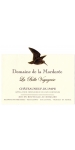
Mordoree Chateauneuf du Pape Rouge Dame Voyageuse Grenache 90 % Mourvèdre 4% Syrah 4 % Counoise 1% Vaccarese 1% .
La Dame Voyageuse - "the traveling lady" - is a more approachable version of the CDP La Reine des Bois. It is meant to be enjoyed early, compared to her sister cuvee which is made for the long run.
Dark ruby red, almost opaque. Aromas of red fruits (strawberry, cherry), violet and liquorice. Nice, fresh body; smooth tannins; long fruity finish.
Color : deep ruby red, opaque.
Aromas : red fruits, changing to touches of leather, black truffles and coffee.
Palate : fat, concentrated and full flavored with a very long liquoriced and fruity finish.
Ageing potential : 6 to 10 years.
Surface : 5 Ha.
Yield : 30 Hl./Ha.
Vineyard age: 60 Years
Terroir : Clay-siliceous on pebble stones
Harvest : by hand
Vinification : 100 % destemmed, long 30 days maceration with a maximum of 34° C temperature.
Estate bottled



