" We don't sell the wine without touching the vine "
| Country: | France |
| Region: | Beaujolais |
| Winery: | Descroix |
| Grape Type: | Gamay |
| Vintage: | 2016 |
| Bottle Size: | 750 ml |

All older vintage wines have been purchased from a single collectors cellar. Pictures can be requested before shipment.

No Syrah terroir in Sonoma County compares with Sonoma Mountain’s northwest crown—cool fog-affected mornings, sun-bathed afternoons, cooled by persistent coastal breezes, and temperate evenings. The soils in Steiner’s Syrah blocks — ashy and moondust-like, littered with decomposing sea bed — further contribute to the unique nature of this site. After a 3-vintage hiatus, I am thrilled to be back working with Steiner Vineyard’s Syrah. By its nature, this slow-to-ripen, cool-climate site produces fabulously deep, intense, structured wines. Now, raising a big, brawny Syrah is no rare act of alchemy. It is the wonder of Steiner’s terroir — a magical elegance and beauty, informing the inherent power, depth and intensity — that makes this bottling so special. 2016 produced a classic wine that deftly balances massive flavors and texture, while retaining vital freshness, and a palpable sense of cool. Production was low, so get it while you can. Simply a “WOW” wine, not to be missed.
VINEYARD: Steiner Vineyard. Located at 1,100 ft, on the northwest crown of Sonoma Mountain. CRUSH: Early morning harvest by hand, October 1st, cluster and berry sorted, destemmed and crushed. FERMENT: 5-day cold soaks, followed by 14 day native fermentation in open-top bins. AGING: 20 months, French oak, 100% new, mixture of 300L hogsheads and barrique shapes. Never racked prior to bottling. Bottled unfined, unfiltered.
Review:
"Refined and stylish, featuring a complex core wrapped in multilayered blackberry and blueberry flavors, laced with bitter chocolate, black licorice and smoky meat notes. Drink now through 2030.- Tim FISH"
- Wine Spectator Insider (January 15th 2020), 93 PTS
Avennia Justine Red Blend 56% Grenache, 31% Mourvèdre, 13% Syrah
Justine reflects our belief that Washington is capable of producing world class blends of grape varieties traditional to the Southern Rhone region of France. The name is inspired by one of the great heroines of recent literature, who also sprung from the imagination of the Mediterranean. Dark, seductive, complex, with a chasm of depth: The Justine is a great reflection of Avennia's mission of expression, and Washington's generous terroir.
Tasting Note: Big black cherry, blackberry, hints of orange peel, fresh herbs and loam on the nose. Plush and round on the palate. Dark earthy fruits from the Mourvedre, along with citrus high notes, mountain flowers, jasmine, and savory herbs. Balanced and complex without forgetting its hedonistic roots in the Southern Rhone.
Review:
A blend of 56% Grenache, 31% Mourvèdre, 13% Syrah brought up all in older oak, the 2016 Justine offers a great core of black fruits as well as lots of peppery herbs, earth, and classic meatiness. It looks to be a great vintage for this cuvée."
- Jeb Dunnuck (April 2018), 92-94 pts
Avennia Red Willow Cabernet Sauvignon is made from 100% Cabernet Sauvignon.
The Red Willow Cabernet is a true blockbuster.
Coming from one specific block of 30 year old vines at this iconic vineyard, then strictly barrel selected, this is the essence of powerful, old vine Washington Cabernet. After all of our efforts promoting the idea of the Bordeaux blend, it would take a pretty compelling argument to suspend that idea and make a 100% varietal Cabernet. In 2016 Red Willow provided us with just that. Each time we tasted it in the barrel, the belief grew that this was something special. Something we can't make every year. In the end we were won over, and decided to make a limited amount of this wine. But don't be fooled, as this too is a blend and a selection. Each year as we are tasting the grapes as harvest approaches, we notice that the vines near the bottom of this long, steep west-facing slope, are a little different. The vines at the bottom are in a little richer soil, and get a little more water, so we pick them separately, sometimes even a week or ten days apart, and keep them separate in barrel.
This wine is all from the top of the vineyard, with its lower yield and poorer soils giving more concentration and interest. Then further, nearly every combination of new and used French oak barrels were trialed to find the best blend. It's not enough just to use the four best barrels, but to trial each combination to see how they complement each other. For a wine with this much mass, 100% new French oak was used for the first time at Avennia. It is a wine that needs a little cellaring to start, but should last a very long time.
Review:
"The 2016 Cabernet Sauvignon Red Willow Vineyard is 100% Red Willow Cabernet Sauvignon that will spend roughly 20 months in close to 100% new French oak. Blackcurrants, smoked herbs, chocolate, and graphite notes all give way to a full-bodied, plump, rich, concentrated effort that's going to be better with short-term cellaring and keep for two decades."
- Jeb Dunnuck (April 2018), 94-96 pts
Avennia Valery Red Blend is made from 86% Merlot and 14% Cabernet Franc
Valery is named for the patron saint of wine in the St. Emilion region that inspired it.
We started with old vine Merlot from a stony block in the heart of the Yakima Valley and added complex, aromatic Cabernet Franc from the Horse Heaven Hills. The result is a balanced, complex wine with the elegance and ethereal perfume that this blend of two of Washington’s best varietals are known for.
The nose on this wine is very perfumed, almost exotic with notes of fresh violets, red plum, winter mint, fresh herbs and crushed limestone qualities. The palate is poised and balanced, with red fruits and mocha powder encapsulated in limestone. The finish lingers delicately, with the Cabernet Franc asserting a light tobacco and herb note, giving depth. A compelling wine that will continue to unwind for 7-10 years in the cellar.
Review:
"Brought up in 30% new French oak, the 2016 Valery (70/30 Merlot and Cabernet Franc) offers more black cherry and earthy, herbal notes as well as a medium-bodied, seamless, beautifully balanced style. It too shows a vibrant, fresh, yet concentrated style that has a Bordeaux feel in its weight and texture."
- Jeb Dunnuck (April 2019), 93 pts
"Good medium-dark red. Aromas of blueberry, mocha, licorice and violet are a bit darker than those of the 2015 version. Dense and penetrating, with wild flavors of dark berries, licorice and game given lift by rocky minerality and a minty nuance. Chris Peterson slightly acidified his Cabernet Franc from Champoux Vineyard, which he added to the wine for richness. This beauty may yet tighten up in the bottle.- Stephen Tanzer"
- Antonio Galloni's Vinous (November 2018), 92+ pts
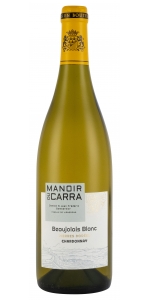
Carra Beaujolais Blanc Pierres Dorees is made from 100 percent Chardonnay.
The nose shows step by step floral and fruity aromas. A vanilla hint in the end with a lingering finish: those are typical Chardonnay aromas.
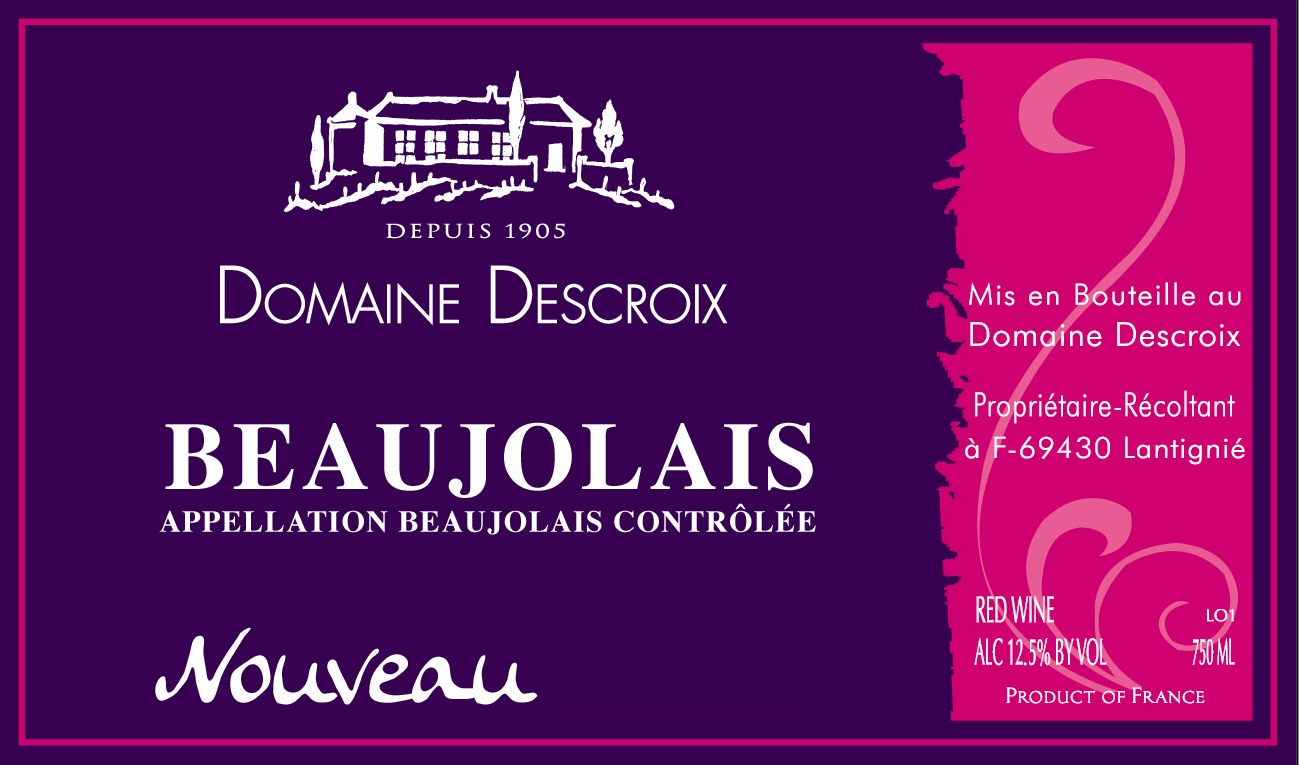
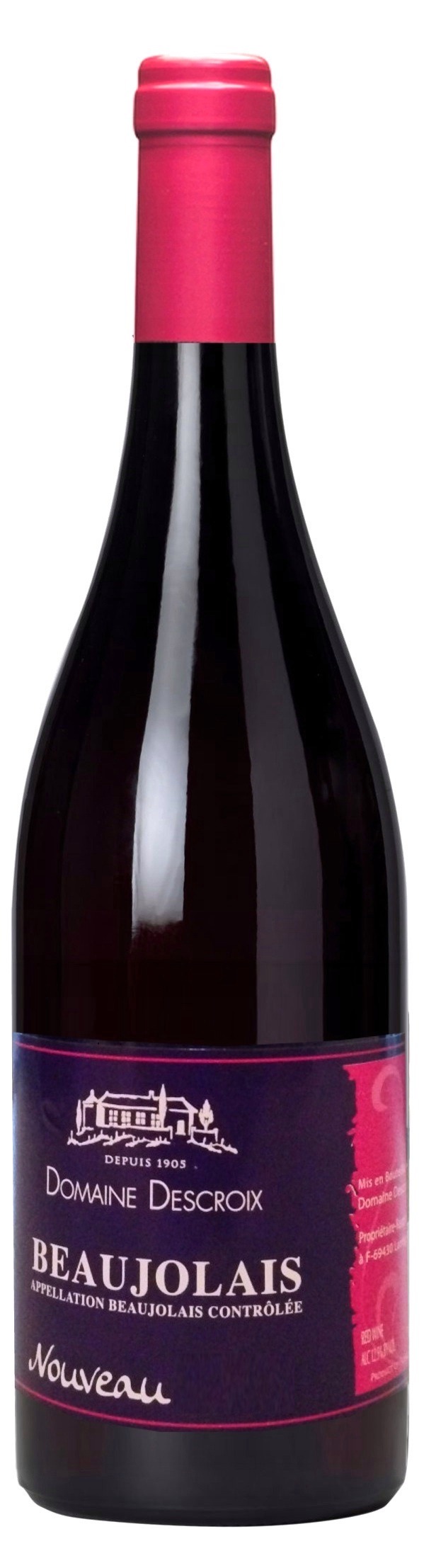
Descroix Beaujolais Nouveau is made from 100% Gamay
Light, fresh, fruity wine, easy to drink. Serve chilled.
Nouveau is made with carbonic maceration, or whole-berry fermentation. This technique preserves the fresh, fruity quality of the grapes without extracting bitter tannins from the grape skins.The result is an easy-drinking, cherry-red, tasty, clean wine that is best served chilled. Beaujolais Nouveau is meant to be consumed young, within 5-7 months.
Beaujolais Nouveau cannot be made from grapes grown in the 10 crus (great growths) of Beaujolais; only from grapes coming from the appellations of Beaujolais and Beaujolais-Villages. Approximately 1/3 of the entire crop of the Beaujolais region is sold as Beaujolais Nouveau.
The Gamay grapes that go into Beaujolais Nouveau are handpicked, as are all the grapes in the Beaujolais. Beaujolais & Champagne are the only vineyards where hand harvesting is mandatory. Gamay (Gamay noir Jus Blanc) is the only grape permitted for Beaujolais.
The region of Beaujolais is 34 miles long from north to south, and 7 to 9 miles wide. There are nearly 4,000 grape growers who make their living in this picturesque region just north of France's third largest city, Lyon.
Beaujolais Nouveau originated about a century ago as a 'vin de l'année' - a cheap and cheerful drink produced by locals to celebrate the end of the harvest season. The Beaujolais AOC was established in 1937, and after WWII, the wine was sold outside of the area. By the 1970's, Beaujolais Nouveau day was a national event.
The Domaine Descroix Estate
Domaine Descroix was founded in 1905 and has been in the family for four generations. Xavier Descroix is the current owner. The winery is located in the village of Lantignie, north of Beaujolais, right next to Beaujeu which is the historic capital of Beaujolais and gave its name to the region. Lantignie encompasses the crus Regnie, Brouilly and Morgon.
The wines are vinified, aged and bottled at the winery combining tradition and modern technologies.
They sell 50% of their production in bulk to négociants, the rest at the property and started to sell to the export market in 2006.
They work in respect of the terroir and the environment and focus on the work in the vineyard and low yields to obtain high quality grapes producing excellent wines. They aim to produce Beaujolais wines that are authentic and true to the appellation.
The Domaine Descroix Vineyard
The vineyard measures 11.27 hectares total (27.84 acres), broken down as follows:
- 9.75 hectares in Beaujolais and Beaujolais Villages AOC, located in the towns of Beaujeu and Lantignié. Soils are made of granite and sand which results in fruity wines with character.
- 0.56 ha in Brouilly AOC, located in the town of Saint Lager, at the bottom of Mount Brouilly, on schist based soils. The wines are fruity with good concentration.
- 0.69 ha in Morgon AOC, located in the parcels called “Grand Cras” in Morgon. Soils are made of manganese and granite and produce typical and powerful wines.
- 0.27 ha in Beaujolais Villages Blanc and Bourgogne Blanc planted with Chardonnay and situated in Beaujeu, on very steep slopes made of clay and granite soils, with a southern exposure.
Corne Loup Lirac Rouge is made from 50% Grenache, 40% Syrah and 10% Mourvedre
Dry - less than 4 grams/liter
Color: dark red ruby.
Aromas: red berries, truffles and spices.
Flavors: complex and rich. It shows red and black fruits, with an herbal spice type of aromas coming from the surrounding vegetation (Garrigue).
The average age of the vines is 40 years. (The oldest vines are 80 years old).
The soil is mainly sandy marl and small pebble stones.
Pairs with lamb, duck, turkey, red meat, game and cheese.
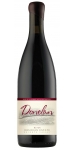
Obsidian Vineyard Syrah is bathed in terroir. The vines experience severe stress, pushing the roots ever deeper through rock in search of water, producing miniature clusters of intense power. Given the wine’s natural propensity for tannin, we take extreme care in the cellar to chisel/whittle its rough edges and leave room for richness to flatter its distinctive scaffold. The mid-palate supports flavors of roasted coffee beans, sarsaparilla, and dark chocolate. The finish marches on long after most wines have tired.
Our estate vineyard — the six-acre Obsidian Vineyard in the Knights Valley AVA — has an incredibly complex soil structure. It takes its name from a layer of volcanic obsidian rock that was discovered when we drilled for water.
Chocolate ganache, black currants, fig, graphite, and an expansive mouthfeel.
Review:
"Joe Donelan believes his Obsidian Vineyard is one of the world’s greatest sites for Syrah. I’ve visited the site twice, and can say candidly it certainly sits among the most striking vineyards I've ever laid eyes on within the U.S. It sits like a rock on a promontory—two switchbacks to reach the top—and the stones under the top soil, quite literally, never stop emerging from the ground. The place has an ancient, almost sacred, temple-like feel. It is consistently swept by afternoon breezes. The vineyard was replanted in 2017 after fires ravaged it. Winemaker David Milner laid out the site at denser spacing than before, at 2,000 vines per acre to keep yields per vine low while still achieving sensible tonnage, averaging around three tonnes per acre. Viognier was planted for co-fermentations, alongside some Cabernet Sauvignon, for a single vineyard bottling of that grape. ‘God put on his viticultural hat when he designed this site,’ says Milner. The vineyard is planted with ENTA 174, 877, and Alban 1 clones, along with Donelan Heritage selections certified virus-free. The wine, the 2023 vintage release (the first from the new vines), was aged for 21 months in 36% new oak and co-fermented with 1.8% Viognier, using 32% whole clusters. And it is positively gorgeous: composed of nine different blocks, each fermented separately, then assembled through sequential blending, with no racking until bottling. From just five-year-old vines, this wine is utterly extraordinary—something oddly achievable from young vines on rare occasion. I tasted this wine from the same bottle over three days. While the high-toned espresso-bean and cedar accents are present at first pull of the cork, they mellow out a day later, and the fruit profile is so vibrant. This is the sign of an excellent wine. I first tasted wines from the Donelan’s Obsidian Vineyard years ago at Tasting Panel Magazine in the late, great Anthony Dias Blue’s office. Cushing Donelan showed the wines, and to this day, I recall the first moment I put my nose into a glass of Obsidian Syrah. In early January of 2026, as I nosed this brand new release of Obsidian Syrah, I was transported straight back to that tasting twelve years ago. What’s remarkable is that the aromatics are unmistakably the same, yet from these new, more densely planted vines, the aromas are more refined—precision-farmed wines from young vines delivering a level of detail and poise that feels beyond their years. So what’s in the glass? Pure red, black, and blue fruit nuances layered with tobacco, white truffle character, violet pastille, and an intoxicating perfume. White pepper notes emerge on the medium- to full-bodied palate, framed by velvety tannins. Iron-like and crushed slate minerality underpins dazzling black cherry and blackberry fruit, brown spices, and blood orange richness. There’s a velvety, iron-fist quality here that exudes polish, complexity, and undeniable quality. You want to drink it now—and you absolutely can—but it will also reward time in the cellar. Either way, you’ll be utterly wowed. And when you realise the price is under £100, the achievement becomes even more staggering. As these vines mature, what will become of them in subsequent vintages? I suspect that as the vines mature, they'll go in and out of phases, but so long as Mother Nature cooperates, I expect this wine to continue to dazzle each vintage. - Jonathan CRISTALDI"
Decanter (January 5th 2026), 100 points
This is the first vintage of the Obsidian Syrah after wildfires torched the vineyard in 2017, leading to significant redevelopment. Throughout all those years, the Donelans have exhibited remarkable patience and a clear sense of purpose. This is their reward: a truly magnificent, towering wine of the highest level.
Knights Valley is one of the most magical grape-growing districts in the United States, but it is not very well known because only a few estate wineries are located there.
The 2023 Syria Obsidian Estate is one of the most profound, moving wines I have tasted in Sonoma County. Blackberry, gravel, incense, chocolate, lavender, and dried herbs race out of the glass. Delicate yet powerful, the 2023 is spectacular. It is also very fairly priced in today’s market.
Vinous 100 Points