" We don't sell the wine without touching the vine "
| Country: | Italy |
| Region: | Piemonte |
| Winery: | Ferraris Agricola |
| Grape Type: | Malvasia |
| Vintage: | 2015 |
| Bottle Size: | 750 ml |

Paradigm Cabernet Sauvignon is made from 90% Cabernet Sauvignon, 8% Merlot, 1% Petit Verdot, 1% Cabernet Franc
20 months in French oak (only about a third of that is new oak) and for 20 more months in bottle before release
Our winemaking "style" is solely determined by this place or terrior we call "Paradigm." Winemaking is agriculture when you own your vineyards and are able to farm them to promote the very best Earth will give you. All of our selections of wines are made from five varietals on the estate. Every wine is 100% farmed and grown by us.
Complexity in our wines supported by luscious fruit and acidity is our hallmark. Our efforts during harvest and barrel cellaring concentrate on maintaining the freshness from the first day we handpicked each vineyard block. Simple winemaking protocols are employed while crucial “timing” oriented winemaking decisions rule each day.
The 2015 vintage produced delicious concentrated wines in smaller quantity than normal. This black raspberry colored Cabernet has lovely open aromatics of black cherry, berry, and plum layered with a perfect balance of new and used French Oak.
Reviews:
"Owned and managed by the Harris family, Paradigm winery produced its first vintage in 1991 in Oakville with winemaker Heidi Barrett. A self-contained winery estate with 50 acres of vineyards, Paradigm maintains a hands-on approach to all winemaking and vineyard operations. The 2015 Cabernet Sauvignon consists of 89% Cabernet Sauvignon, 6% Merlot, 3% Petit Verdot and 2% Cabernet Franc, and is aged in both new and used French oak for 20 months, then aged a further 20 months in bottle before release. The total production for this vintage was 5,544 bottles." Blind tasted by Dave Allen, Stephen Brook, Terry Kandylis (at Decanter Magazine's December 2019 Californian Cabernet 2015 Panel Tasting, London, 17 Sep 2019) - Decanter 95 Points

My First comment tasting this wine is "wow!" It's delicious; our flagship wine at Paradigm and it delivers. Dense, deep, ripe aromas of black berry and black cherry-like fruit layered with caramel and toastiness from a nice mix of French Oak barrels. Flavors coat the palate with matching notes in a classic Cabernet Sauvignon presentation. One of our best Cabs to date!
Paradigm Cabernet Sauvignon is made from 96% Cabernet Sauvignon, 3% Merlot , 1% Petit Verdot
Review:
"Owned and managed by the Harris family, Paradigm winery produced its first vintage in 1991 in Oakville with winemaker Heidi Barrett. A self-contained winery estate with 50 acres of vineyards, Paradigm maintains a hands-on approach to all winemaking and vineyard operations. The 2015 Cabernet Sauvignon consists of 89% Cabernet Sauvignon, 6% Merlot, 3% Petit Verdot and 2% Cabernet Franc, and is aged in both new and used French oak for 20 months, then aged a further 20 months in bottle before release. The total production for this vintage was 5,544 bottles." Blind tasted by Dave Allen, Stephen Brook, Terry Kandylis (at Decanter Magazine's December 2019 Californian Cabernet 2015 Panel Tasting, London, 17 Sep 2019)
- Decanter 95 Points

Rinaldi Malvasia di Castelnuovo Don Bosco Tasting notes: Frizzante style, with hints of black pepper, cherries and red fruit notes. A frothy, & slightly sweet aperitif…
Vines are planted on limestone soils. Only 63 hectares exist of this very small DOC of Malvasia di Castelnuovo Don Bosco. Grape varietal is Malvasia di Schierano.
Pairs well with dessert and Asian food.

This is a 6 pack with 2 bottles each from vintages from 2013, 2015, and 2016.
***Tenimenti Angelini Val di Suga Vigna Spuntali Brunello di Montalcino 2016:
The 2016 Vigna Spuntali Brunello di Montalcino is the most brooding of the lineup from Val di Suga and is sourced from the southwest of the region on sandy soils. There are aromatics of black raspberry, licorice, menthol, sage, cinnamon, and iron-rich earth. Its Mediterranean influence is felt on the palate with ripe black cherry, dried herbs, and sun-baked earth. This is the fullest bodied and most savory of the Val di Suga lineup, with more roundness and grip. Its structure will benefit from cellaring for several years and will be great drinking over the next 20 years or more. 2026-2040.
-Jeb Dunnuck 96 Points
***Tenimenti Angelini Val di Suga Vigna Spuntali Brunello di Montalcino 2015:
The 2015 Vigna Spuntali Brunello di Montalcino is more introverted on first opening, with notes of black plum, licorice, dried Mediterranean herb, and sun-baked earth. On the palate, it offers a tart dried fruit character, with a building tannin structure that finishes with tomato leaf, and bitter herbs. The most rustic and burly of the wines in the lineup of the 2015 Val di Suga vintage, it will benefit from allowing some time in cellar to see how this matures and its tarriness develops. Drink 2026-2036
-Jeb Dunnuck 94 Points
***Tenimenti Angelini Val di Suga Vigna Spuntali Brunello di Montalcino 2013:
Plenty of spices and fresh herbs on the nose, such as dried rosemary and nutmeg, to match the underlying dried redcurrants and cranberries. Full-bodied with plenty of concentration, but still shows a very sturdy, tannin backbone and punchy acidity, to drive this through to a long finish. Drink in 2021.
-James Suckling 94 Points

Pazo de Senorans Seleccion de Anada Albarino is made from 100 percent Albarino.
Straw yellow with greenish tints, vivid and brilliant. High intensity and very expressive. Profusion of aromas with traces of mineral. Great volume and ample body leaving a lasting impression from beginning to end.
Reviews:
The 2015 Albariño Selección de Añada is nothing short of phenomenal. For some reason, I hadn't tasted the young 2015 Albariño at the time it was released. It comes from the Los Bancales vineyard planted some 50 years ago and fermented with indigenous yeasts but without malolactic fermentation. It has a bright, almost fluorescent color and a complex, subtle and nuanced, elegant and expressive nose, with notes of sea shells and sea breeze, grass and white flowers. It's very clean, and the palate shows great balance and even feels a bit young. It has remarkable acidity and freshness (seven grams of tartaric acid) with good ripeness and 13% alcohol. This matured in tank with lees for over 30 months and was bottled in June 2024. It feels more serious and less exotic than earlier vintages. 18,000 bottles produced. This is the finest vintage that I can remember. Bravo!
-Wine Advocate 97 Points
Tech:

Poggio San Polo Podernovi Brunello di Montalcino is made from Sangiovese.
Intense ruby red in color with garnet hues, clear and glossy. The bouquet exhibits typical aromas of violets and small red berries. Subtle nuances of forest undergrowth, aromatic wood, a touch of vanilla and jammy mixed fruit then give way to subtle hints of coffee. This Brunello is intense, persistent, broad and heady. Full-bodied and warm on the palate, with a densely-woven texture and robust body, it has a persistent finish with well-rounded tannins. The particular features of the terroir at San Polo produce a Brunello with a capacity for lengthy aging, while patient cellaring enhances the wine during ageing in the bottle.
Review:
Lovely purity of fruit with ultra fine tannins and depth, finesse and complexity. Black cherries, cedar and some flowers. It’s full-bodied with very fine tannins that drive the finish. Give it a year or two to open more, but already so enticing. Drink or hold.
-James Suckling 96 Points
The San Polo 2015 Brunello di Montalcino Riserva (with 8,000 bottles produced) is a textured wine with hearty fruit and touches of smoked meat and spice. At its core, the wine offers dark fruit, blackberry and ripe plum. The rich fruitiness of the wine cedes to campfire ash, mahogany and furniture wax. These results are sultry and even a bit flashy, with distant background tones of teriyaki and plum sauce. The wine is fermented in cylindrical oak fermenters and aged in oak for three years. We'll see this bottle hitting the market sometime after February 2021.
-Wine Advocate 95 Points
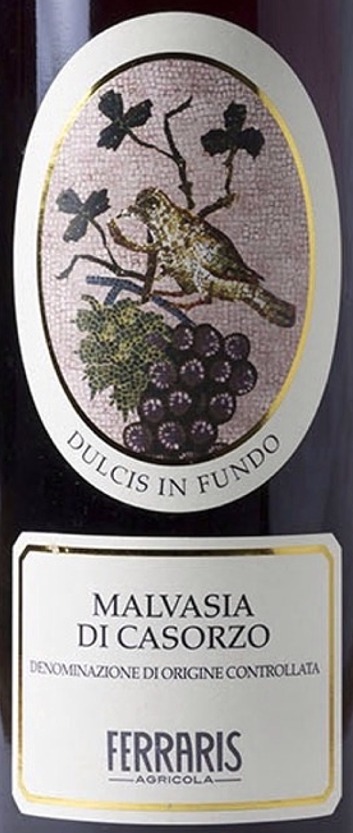
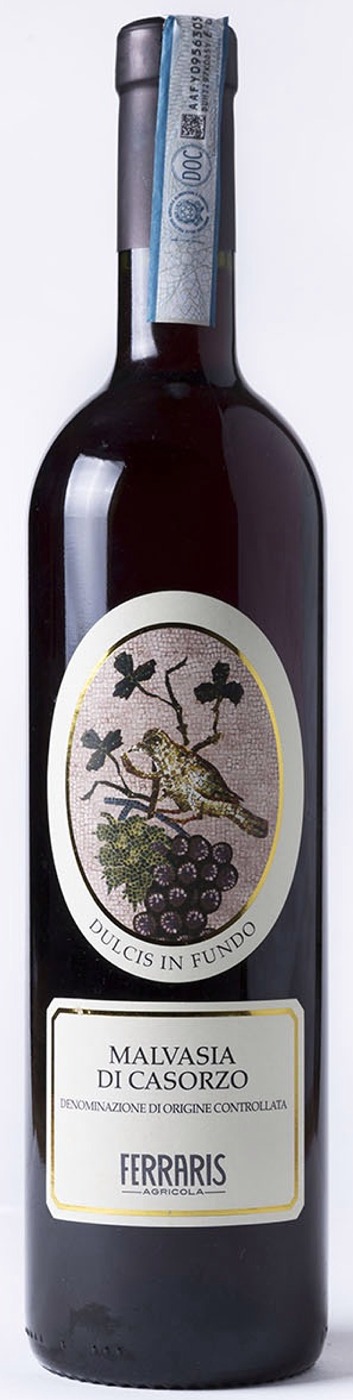
Ferraris Malvasia di Casorzo is made from 100% Malvasia.
Malvasia is a pleasant, sweet wine, low in alcohol content, that can be enjoyed at any time of day. Made exclusively from grapes grown in the hilltop vineyards of Casorzo and neighboring villages, it’s the pride and prestige of the area. It has always been the star wine of all local festivals. A comfort wine for all seasons and reasons, it has an aroma evocative of roses. The rich, aromatic wine is ruby-red, vibrant and slightly frothy. lt can be paired with desserts, fruit salads and sweets, but it can also be enjoyed as an aperirif or as a drink for any party occasion.
Color: Vibrant Ruby red
Bouquet: Sweet and aromatic, floral
Taste: Aromatic with rose frangrances
Alcohol: 5 %
Residual Sugar: 115,8 g/l
Total Acidity: 7,33 g/l – tartaric acid
Grape Varietal: Malvasia 100%
Production Area: Castagnole Monferrato, Asti District
Soil: Limestone and tuff
Growing System: Long Cordon Spur
Yield: 10 tons/ha-150 meters above sea level
Alcoholic Fermentation: Charmat Method
Fruit tarts, wild berries, hazelnut cake, chocolate lava cake, syrupy fruit and cookies.
The Ferraris Estate produces about 130,000 bottles of wine (about 50,000 of Ruchè) from 18 vineyards covering 25 hectares. Luca Ferraris Agricola is the largest family owned agricultural company in the seven municipalities of the Ruchè-growing region.
Date Founded: 1999
To understand how the Luca Ferraris winery came about we must trace the story back to the nineteenth century when Luca’s great-grandfather Luigi Ferraris emigrated to America during the gold rush. Striking gold, he sent the money back to his wife Bruno Teresa, giving her the chance to realize her dream. After her husband passed away in 1921, she bought the house in Via al Castello that until recently housed Luca’s winery. Two years later, Luca’s grandfather Martino purchased II Casot, at the time nothing more than a simple rural hut in the middle of 40,000 square meters of land. Martino planted vines and bought barrels to make wine with his own grapes in his own cellar. He started by selling his wine to wholesalers in the area, then later began to increase his business by selling larger bottles to individuals traveling back and forth to Turin every week on horseback. Today on that land we have one of our most representative vineyards: Vigna del Casot.
Following the footsteps of Luca’s grandfather Martino, it was up to his father to decide what to do with the family’s passion for wine. In the time of the great industrialization by Fiat in Turin, he moved to the city as his peers did, but he also decided to keep his passion for the vineyards alive by collecting and giving its grapes to the agricultural cooperative in the village. That continued every year until 1999, when after graduation as an agriculturist, Luca began working at the family business, restoring the old cellar and starting to make wine from the vineyards. It was the turning point for the operation, and perhaps even for the Ruchè variety. In the area of the seven municipalities producing Ruchè, Luca was the first to thin vineyards to improve their quality. He wanted the company to specialize exclusively in high-quality production and also began to travel the world looking for new customers and markets. Production was raised from 10,000 bottles in the 2000 vintage to 60,000 in 2003 thanks to a partnership with Randall Grahm, the Californian winemaker founder of already famous for his Bonny Doon Vineyard. Today the Ferraris estate produces about 130,000 bottles of wine (about 50,000 of Ruchè) from 18 vineyards covering 25 hectares. Luca Ferraris Agricola is the largest family owned agricultural company in the seven municipalities of the Ruchè-growing region.
Winery:
The new Luca Ferraris winery was built in 2009. It was finished on August 31, just in time to press its Viognier harvest the following day. The switch to a more modern winery was necessary – despite the global economic climate, the company was growing rapidly, thanks in no small measure to the increasing popularity of Ruchè. The building, 1,000 square meters wide and three stories high, is on the main road between Asti and Castagnole Monferrato. The cellar and storage room are underground, where the temperature and humidity are constant year-round. The ground floor is where all production, from pressing to bottling, takes place. Advanced machinery allows Ferraris to produce the best possible wines without interfering with their natural characteristics. This is possible only through the combination of modern technology and the knowledge of old winemakers. Luca’s family taught him not to pander to a wider but less-educated public by producing wines that betray the typical characteristics of each variety. Also on the ground floor, behind the bottling line, are the company offices where the Luca Ferraris team meets to discuss production and marketing strategies. Above the offices on the first floor is the wine tasting room that seats up to 30 people. Large windows overlook the production area allowing tasters a view across the winery – illustrating the total transparency in Ferraris’ production.

Franz Prager, co-founder of the Vinea Wachau, had already earned a reputation for his wines when Toni Bodenstein married into the family. Bodenstein’s passion for biodiversity and old terraces, coupled with brilliant winemaking, places Prager in the highest echelon of Austrian producers.
Smaragd is a designation of ripeness for dry wines used exclusively by members of the Vinea Wachau. The wines must have minimum alcohol of 12.5%. The grapes are hand-harvested, typically in October and November, and are sent directly to press where they spontaneously ferment in stainless-steel tanks.
Zwerithaler is a sub-site of Buschenberg and sits to the east of Weißenkirchen. The name Zwerithaler, meaning "nestled between the valleys," is a near monopole of Weingut Prager. It has a complex soil of paragneiss with alternating layers of dark and calcareous rock. Zwerithaler Kammergut is a 0.34-hectare parcel planted before WWI. The wine from these ungrafted, 100-year-old vines was bottled separately by Prager for the first time in 2015.
Light greenish yellow, silver reflections. Fine savory, delicate nuances of anise, tobacco notes, delicate yellow fruit, a touch of mango and honey blossom. Full-bodied, juicy white apple fruit, well-integrated, silky acidity structure, finesse and long persistence, saline finish, lingers for minutes, Veltliner at its best.
-Falstaff 99 Points
"The aromas of this old-vine gruner veltliner leap out and shake you to the core. Full-bodied and full of weighty and balanced layers of papayas, mangoes, nectarines, chives, white tea and oranges. Fantastic concentration, giving so much pleasure already, but it will keep blossoming if you give it time. From vines planted in 1907. Sustainable. Drink or hold."
-James Suckling 98 Points

Rubus Sauvignon Blanc Marlborough is made from 100 percent Sauvignon Blanc.
The Rubus Project was created by Fran Kysela as a way to source & sell incredible wines at value prices. All wines in this international project are hand-selected by Fran Kysela. Rubus wines are fruit driven, true-to-type values that over deliver - a true representation of quality for the consumer at an excellent price.
Aromas of gooseberry, lemongrass, boxwood, fresh celery and bready notes on the nose. The palate is dry to taste with juicy gooseberry and citrus flavors forming a light, refreshing medium bodied wine with a tart yet soft lingering finish.
Grapes are gently pressed, settled and racked to fermentation. Juice is cool fermented in stainless steel tanks for 21 days and left on the lees for 2 months prior to blending, light fining, filtering and bottling.
The perfect accompaniment to vegetable or light seafood dishes or to enjoy before a meal.