
" We don't sell the wine without touching the vine "
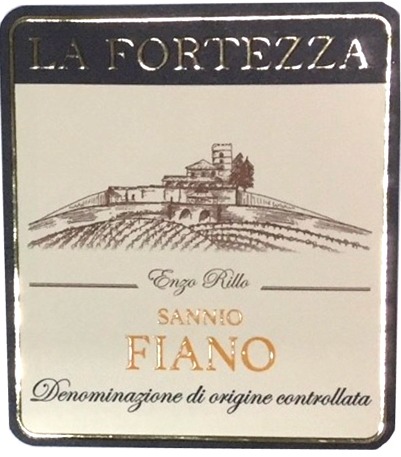
| Country: | Italy |
| Region: | Campania |
| Winery: | Fortezza Societa Agricola |
| Grape Type: | Fiano |
| Organic: | Yes |
| Vintage: | 2020 |
| Bottle Size: | 750 ml |
Fortezza Fiano DOC Sannio is made from 100% Fiano - 20 years old
No oak.
Straw yellow color with light green reflections. A rich bouquet of white flowers with mineral notes, freshnesss and elegance, good acidity and good body.
Southeastern exposure with an altitude of 250-350 meters above sea level.
Planting density: 3,500 vines per hectare on average.
Training system: espalier with Guyot pruning.
Manual harvest in small crates end of September.
Winemaking in white in stainless steel tanks at controlled temperature.
Pairs well with seafood, grilled tuna, white meats.
Review:
" Clean and fruity with aromas of chopped apples, sliced pears and white peaches. Medium-bodied with a juicy, simple and refreshing palate. Drink now.”
- James Suckling (August 2022), 90 pts
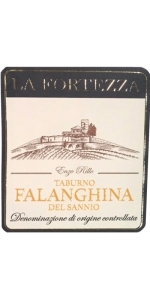
Fortezza Falanghina del Sannio Taburno is made from 100% Falanghina - 25 years old
No oak.
Straw yellow color with greenish reflections. Fresh and floral scents, citrus aromas, apple, pear and mineral notes. Round, smooth and juicy with high acidity, yet well balanced with rich flavors.
Southeastern exposure with an altitude of 300-450 meters above sea level.
Planting density: 3,500 vines per hectare on average.
Training system: espalier with Guyot pruning.
Manual harvest in small crates between the end of September and beginning of October.
Winemaking in white in stainless steel tanks at controlled temperature.
Pairs well with seafood, mozzarella cheese, risotto, white meats.
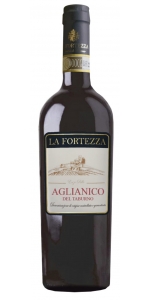
Fortezza Falanghina del Sannio Taburno is made from 100% Aglianico.
Grapes are from the Campania region. Aglianico is an amazing varietal than brings big body and big structure.
Ruby red color with aroma of wild berries, really soft at the palate, with pleasant notes of black cherry jam.
Pairs well with seafood, mozzarella cheese, risotto, white meats.
Review:
"The nose is primarily smoky, peppery and fiery, but a decadent drizzle of dark berries and dark chocolate creates balance. That enchanting blend of smoke, pepper and rich, sweet notes continues onto the unexpectedly comforting palate. — Danielle Callegari"
- Wine Enthusiast (December 2023, Best of Year issue), 92 pts
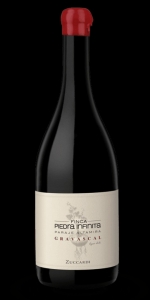
Familia Zuccardi 'Finca Piedra Infinita' Gravascal is made from 100 Malbec.
WINE DATA:
Grape Composition: 100% Malbec
Appellation: Finca Piedra Infinita, IG Paraje Altamira,Valle de Uco, Mendoze
Vinification: Manually selected grapes, filling of tanks by gravity. Fermentation with native yeasts in concrete vessels without epoxy. Aging in concrete vessels. The 2020 was a very particular vintage, characterized by limited yields and a high speed of maturity, which made it one of the fastest and most challenging on record.
In the search for the purest expression of the identity of Finca Piedra Infinita vineyard, we reached this small plot of 0.73 hectares. Located on its north-east side, it shows the typical facet of Paraje Altamira soil, with large gravels and granite stones covered with calcareous material at a depth of 50 cm.
Altitude: 3,609 feet above sea level
Soil Type: Short alluvial soil covered with calcareous materials
Alcohol: 14% Total Acidity: 5.6g/l
TASTING NOTES:
Color: Bright ruby color
Aroma: Dark berries, black olive tapenade, and iron
Flavor: Rich on the palate, with firm tanins
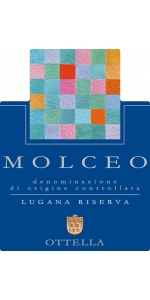
Ottella Lugana DOC Riserva Molceo is made from 100% Trebbiano di Lugana - 25-30 years old.
The wine is produced in the area of San Benedetto di Lugana in estate vineyards that are most suitable due to the high content of white clay.
COLOR • Golden, clear, intense.
NOSE • It immediately opens with fruity notes that are enchanting, penetrating and complex. Characterized by hints of citrus fruits, flowers and fine mineral and elegant notes.
PALATE • Complex and intense blend of mineral flavors; captivating, long, lively, both in the persistence and in the strength of the flavors, mingling with unmissable citrus sensation. A delicate evolution, fine flesh, perfect longevity.
Since 2009 it has won every year the TRE BICCHIERI GAMBERO ROSSO award.
The harvest and selection of the grapes are done strictly by hand, in small 17 kg crates.
PLANTING LAYOUT AND YIELD • Double bow Guyot, yield around 8,000 kg. of grapes per hectare, equivalent to 5,040 liters of wine or 63%.
HARVEST PERIOD • Harvest late in October.
FINING AND FERMENTATION • Delicate, soft pressing of the whole bunch for most of the production, the rest with gentle destemming by oscillation. Thereafter, a strict protocol of vinification: partial malolactic fermentation, fining for 16 months on the yeast and fine lees, which mostly takes place in stainless steel tanks (80%) and the rest in wooden tonneaux and barriques.
Stimulating with marine or freshwater fish, it also goes well with savory or fatty meat (goose or pork). Enjoyable with seasoned, herbal cheeses of various types and elaborate dishes.
Review:
This riserva Lugana opens with aromas of baked nectarine with an almond crumble, followed by wafting notes of pressed wildflowers and poached lemon peel. The palate is rich, showing a lime and tropical-fruit cream note topped with sea salt, but balanced by the electric acidity on the finish. Super tasty!
-Wine Enthusiast 93 Points
Elegant and delicate in its sensorial profile, it shows notes of rose petals, linden, geraniums, hawthorn and lime. Medium-full body, radiant and essential in taste, it shows grace and personality and a truly Mediterranean aftertasting. Nice and tasty, fresh and vibrant! One of the best Lugana tastings. Drink now or grow old.
-Raffaele Vecchione - WinesCritic.com 94 Points
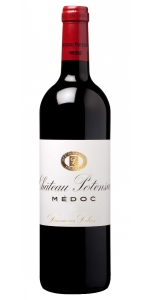
Potensac Medoc is made from 44% Merlot, 33% Cabernet Sauvignon, 22% Cabernet Franc and 1% Petit Verdot.
The estate's Grand Vin's vineyards are located west of the village of Ordonnac where the vines grow on gravelly-clay soiils. They produce a very fine wine with tight texture, richness and wonderful freshness. On the palate, the wine is pure and powerful, with great concentration, dense and spicy tannins, and mineral tension. Fresh and full-flavored with ripe black fruits, and a finish of great depth. Thanks to these qualities, Château Potensac is often considered to represent the "pure Medoc style". It should be noted that Potensac was the only "Cru Bourgeois Exceptionnel" of its appellation, and certainly one of the most persistent ever produced at this stage.
Fortezza Fiano DOC Sannio is made from 100% Fiano - 20 years old
No oak.
Straw yellow color with light green reflections. A rich bouquet of white flowers with mineral notes, freshnesss and elegance, good acidity and good body.
Southeastern exposure with an altitude of 250-350 meters above sea level.
Planting density: 3,500 vines per hectare on average.
Training system: espalier with Guyot pruning.
Manual harvest in small crates end of September.
Winemaking in white in stainless steel tanks at controlled temperature.
Pairs well with seafood, grilled tuna, white meats.
Review:
"Lots of ripe peach with lightly spicy, earthy notes on the nose. Medium-to full-bodied with a focused core of ripe peach, pineapple and spice that gets more and more acute as it progresses. Lots happening. Drink now.”
- James Suckling (August 2021), 90 pts
La Fortezza is located in the heart of Sannio Benevento and spreads over a total of 20 hectares of vines. The winery is born from the great passion of the founder Enzo Rillo for his land. “La Fortezza” was built on the belief that making great wines starts in the vineyards and that the strength of the estate lies on the quality soil, sun exposure, altitude and care of the vineyards.
The project is based on the strong belief that producing a very good vintage is to express great love and strong passion for what they do, and to ensure the customers receive high quality wines with a stylish appeal.
Torrecuso, where La Fortezza is located, extends on the eastern side of the Regional Park of Taburno-Camposauro: the slopes are a continuous alternation of vineyards, woods and small fields, to which only in the last hours of the day the profile of Mount Taburno subtracts light and heat. Here the work of man - the diligent action of the peasant - has not ravaged, invaded nor defaced. A territory that is harsh yet generous, and that has decided to understand, deepen and know within the attachment we have for our land what the deepest meaning of the Samnite pride is: awareness and dimension of a freedom that once was only a desire to defend their land from the Roman armies, but that today is an attachment for what it represents and expresses in terms of culture, folklore and productions.
The province of Benevento has for centuries produced excellent grapes for excellent wines and represents about 40% of the vineyard area of the Campania Region. While they believe that "wine is made in the vineyard", their real strength actually consists of a mix of soil quality, sun exposure, altitude and care of the vineyard. Their vines Aglianico del Taburno are in such quantity that they permit them a careful selection in the vineyard for the different range of wines and guarantee the production of wines of the highest quality such as the Reserve, whose grapes come from a vineyard about seventy years of age.
Falanghina del Taburno benefits from a good sun exposure that brings an optimal result in terms of sugar content, aromas and acidity of the wine.
The cellar is located at the very heart of the vineyards. It is completely covered with stone and well-integrated into the surrounding landscape. It consists of two separate bodies. In the upper part is an enchanting place with a wonderful view towards the Apennines that separates Campania from Puglia. The underlying body opens over two medieval-style doors that are rigorously carved in solid wood, and it is home to the production activity - a perfect blend of tradition and modern technology. The barrel vaults are part of the aging room that is entirely covered with terracotta bricks and partly excavated in the tuff. This brings us back to the idea of the old "cellars" of the rural farmhouses - the places that were destined to conserve both wine and food. The processing room, the winemaking equipment, the bottling and labeling room, the steel tanks and the warehouse complete the cellar, with a potential production of about two million bottles.
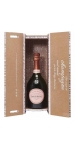
Laurent-Perrier Cuvee Rose Petal Jacket NV is made Pinot Noir from 10 crus in the Montagne de Reims
After the “Signature”, “Constellation”, “Safari”, “Butterfly” and “Bamboo” robes, Laurent‑Perrier unveils “Petals”. A robe of light where Dalhia or Strelitzia petals are subtly woven in iridescent Pop colours. A harmony of colours in shades of red and pink with highlights of orange or blue, recalling all of the fresh, crisp nuances of the red and black fruit palette of this great rosé champagne.
Laurent‑Perrier has been designing a reusable metal case with its clasp since 2017, to enhance the quality of the wine, matching the generously shaped Cuvée Rosé bottle.
The Cuvée Rosé from Laurent-Perrier is the most recognized rosé champagne in the world. The house uses its proprietary maceration technique and the wine is crafted for a fragrance and not mixed for a color. Held in an elegant bottle inspired by King Henri IV, it has been widely acknowledged for its consistent high quality for more than 40 years, and it is the benchmark for rosé champagne around the world.
Laurent-Perrier Cuvée Rosé is truly remarkable for its highly expressive bouquet, stemming from very careful preservation of fresh fruit aromas during the wine making. Made with 100% Pinot Noir from 10 different "crus " (or villages), from the North and South areas of the Montagne de Reims, as well as the famous village of Bouzy. Grapes from carefully selected plots are meticulously sorted and de-stemmed before going into the vats, and the controlled maceration helps with the color extraction and the development of the full aromatic richness of the Pinot Noir.
Intensely fruity flavors, clean and slightly sharp, the wine opens to the sensation of freshly picked red berries: strawberries, Morello cherries, black currants and raspberries. The finish is supple and rounded.
Its aromatic depth makes it ideal for pairing with marinated raw fish, grilled prawns, exotic dishes, Parma ham and red fruit desserts. Those who are more daring will try it with Asian or Indian cuisine.
Review:
Generosity no less than grace defines this 100% Pinot Noir from ten different crus primarily in the Montagne de Reims. Slightly coppery salmon-pink in the glass, it displays a radiant nose of ripe red berries that pop against glimmers of spiced biscotti and roasted cashew. On a broad palate of pure silk, raspberry and black cherry are underlined by blood-orange rind and crushed rock before a long, almost voluptuous finish that's slightly savory with dried mint.
-Tasting Panel 97 Points
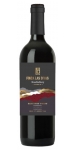
Finca las Divas Cabernet Franc Reserve Gualtallary is 100% Cabernet Franc.
Named in honor of different divas because of the detailed attention to each varietal and plot, consequence of the terroir, origin of the Andes slopes.
Deep violet red in color. Its aromas are intense and concentrated, with hints of black and red fruits with smoky touches obtained during its oak aging.
In the mouth it is persistent, full of juicy yet firm tannins and balanced acidity. It is frank and expressive, modern and of great personality.
Pairs with red meat, pasta with tomato sauce and hard cheeses.



