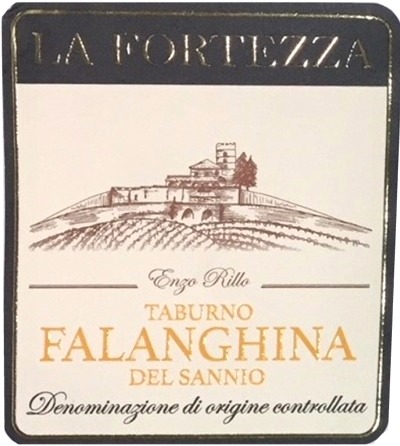
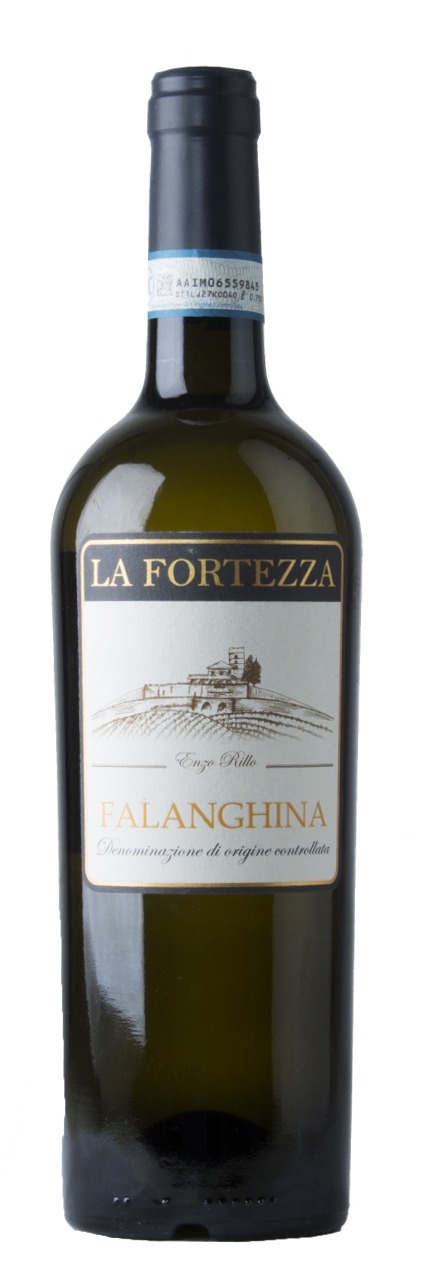
" We don't sell the wine without touching the vine "
| BUY MORE! SAVE MORE! | ||||||||||||||||||||
|
| Country: | Italy |
| Regions: | Campania Falanghina del Sannio |
| Winery: | Fortezza Societa Agricola |
| Grape Type: | Falanghina |
| Organic: | Yes |
| Vintage: | 2024 |
| Bottle Size: | 750 ml |
Fortezza Falanghina del Sannio Taburno is made from 100% Falanghina - 25 years old
No oak.
Straw yellow color with greenish reflections. Fresh and floral scents, citrus aromas, apple, pear and mineral notes. Round, smooth and juicy with high acidity, yet well balanced with rich flavors.
Southeastern exposure with an altitude of 300-450 meters above sea level.
Planting density: 3,500 vines per hectare on average.
Training system: espalier with Guyot pruning.
Manual harvest in small crates between the end of September and beginning of October.
Winemaking in white in stainless steel tanks at controlled temperature.
Pairs well with seafood, mozzarella cheese, risotto, white meats.
La Fortezza is located in the heart of Sannio Benevento and spreads over a total of 20 hectares of vines. The winery is born from the great passion of the founder Enzo Rillo for his land. “La Fortezza” was built on the belief that making great wines starts in the vineyards and that the strength of the estate lies on the quality soil, sun exposure, altitude and care of the vineyards.
The project is based on the strong belief that producing a very good vintage is to express great love and strong passion for what they do, and to ensure the customers receive high quality wines with a stylish appeal.
Torrecuso, where La Fortezza is located, extends on the eastern side of the Regional Park of Taburno-Camposauro: the slopes are a continuous alternation of vineyards, woods and small fields, to which only in the last hours of the day the profile of Mount Taburno subtracts light and heat. Here the work of man - the diligent action of the peasant - has not ravaged, invaded nor defaced. A territory that is harsh yet generous, and that has decided to understand, deepen and know within the attachment we have for our land what the deepest meaning of the Samnite pride is: awareness and dimension of a freedom that once was only a desire to defend their land from the Roman armies, but that today is an attachment for what it represents and expresses in terms of culture, folklore and productions.
The province of Benevento has for centuries produced excellent grapes for excellent wines and represents about 40% of the vineyard area of the Campania Region. While they believe that "wine is made in the vineyard", their real strength actually consists of a mix of soil quality, sun exposure, altitude and care of the vineyard. Their vines Aglianico del Taburno are in such quantity that they permit them a careful selection in the vineyard for the different range of wines and guarantee the production of wines of the highest quality such as the Reserve, whose grapes come from a vineyard about seventy years of age.
Falanghina del Taburno benefits from a good sun exposure that brings an optimal result in terms of sugar content, aromas and acidity of the wine.
The cellar is located at the very heart of the vineyards. It is completely covered with stone and well-integrated into the surrounding landscape. It consists of two separate bodies. In the upper part is an enchanting place with a wonderful view towards the Apennines that separates Campania from Puglia. The underlying body opens over two medieval-style doors that are rigorously carved in solid wood, and it is home to the production activity - a perfect blend of tradition and modern technology. The barrel vaults are part of the aging room that is entirely covered with terracotta bricks and partly excavated in the tuff. This brings us back to the idea of the old "cellars" of the rural farmhouses - the places that were destined to conserve both wine and food. The processing room, the winemaking equipment, the bottling and labeling room, the steel tanks and the warehouse complete the cellar, with a potential production of about two million bottles.

Alain Jaume Cotes Du Rhone Rouge Haut de Brun is made from 60% Grenache, 30% Syrah, 10% Cinsault
The colour is purple-tinged garnet.The aromatic range of the nose goes from fresh berries (wild raspberry, blackcurrant, blackberry) to spices.The palate is big and full-flavoured, with silky-smooth tannins and aromas of the fruit already mentioned. The finish introduces touches of liquorice and pepper. A Côtes du Rhône with great complexity for an every day drinking.
A classic Rhône to drink between 1 and 4 years. Best poured at 17°C.
Traditional wine making and ageing is performed in vats only. Bottling after 10-12 months.
Ideal throughout the meal, but particularly with poultry and other white meats, as well as mild cheeses.

Grand Veneur Cotes Du Rhone Les Champauvins Blanc is made 100% Viognier. Located in the area known as "Les Champauvins", close to Domaine Grand Veneur. The soils are clay-sand and limestone. They enable the white grape varieties to ripen slowly, thus preserving their excellent aromatic finesse.
A great Viognier, conceived and produced with finesse and freshness in mind. Bright, limpid pale yellow color. Intense, delicate nose of floral and white-fleshed fruit aromas. Fresh, mineral and airy on the palate. White peach and pear aromas are the most expressive. The fruity characters are long-lasting, evolving into notes of apricot after a few hours' aeration.

Tinel Blondelet Pouilly-Fume Genetin is made from 100 percent Sauvignon Blanc.
The soil is made of "caillottes" (limestone stones).
"Genetin" is a name given in homage to the original name for Sauvignon Blanc: Muscat Genetin. The Genetin bottling is normally reserved for the most powerful Cuvées in the winery. No oak.
Produced from 25 year-old vines coming from the Villiers limestone terroir, situated in Bouchot.
Traditional vinification in thermo-regulated stainless steel tanks. Following a gentle pressing the juice is then fermented at controlled temperatures before being left to mature on its fine lees to gain extra depth and concentration before bottling in the next spring.
Matured on fine lees bringing finesse to the wine and bottled late in order to let all its roundness evolve.
Yield: 55 hl/ha
A golden colored and mineral wine with elegance and finesse. Can be cellared for 2-3 years.
A mineral-laced smoky accent and citrus aromas. Elegant and powerful on the palate.
Food pairing: shellfish, goat cheese such as “Crottin de Chavignol”. Perfect also as an aperitif.
Review:
- Wine & Spirits (Regional Tasting Report, Spring 2022), 91 pts

Fortezza Fiano DOC Sannio is made from 100% Fiano - 20 years old
No oak.
Straw yellow color with light green reflections. A rich bouquet of white flowers with mineral notes, freshnesss and elegance, good acidity and good body.
Southeastern exposure with an altitude of 250-350 meters above sea level.
Planting density: 3,500 vines per hectare on average.
Training system: espalier with Guyot pruning.
Manual harvest in small crates end of September.
Winemaking in white in stainless steel tanks at controlled temperature.
Pairs well with seafood, grilled tuna, white meats.
Review:
" Clean and fruity with aromas of chopped apples, sliced pears and white peaches. Medium-bodied with a juicy, simple and refreshing palate. Drink now.”
- James Suckling (August 2022), 90 pts
Fortezza Fiano DOC Sannio is made from 100% Fiano - 20 years old
No oak.
Straw yellow color with light green reflections. A rich bouquet of white flowers with mineral notes, freshnesss and elegance, good acidity and good body.
Southeastern exposure with an altitude of 250-350 meters above sea level.
Planting density: 3,500 vines per hectare on average.
Training system: espalier with Guyot pruning.
Manual harvest in small crates end of September.
Winemaking in white in stainless steel tanks at controlled temperature.
Pairs well with seafood, grilled tuna, white meats.
Review:
" Clean and fruity with aromas of chopped apples, sliced pears and white peaches. Medium-bodied with a juicy, simple and refreshing palate. Drink now.”
- James Suckling (August 2022), 90 pts

Hailing from over two dozen vineyards across the beautiful Golden State, the Turley Juvenile is more of a clear bellwether for a vintage than any other wine we make. Fragrant, lifted aromas of ripe dark fruits like black raspberry and blood orange on the nose. Superb balance between acidity, tannin, and spice, with a succulent, profoundly satisfying texture.
Review:
The 2024 Zinfandel Juvenile is a very pretty entry-level offering from Turley. Crushed flowers, sweet red berry fruit, spice and mint give this mid-weight, perfumed red tons of character. The 2024 is an especially delicate, gracious Zinfandel. What a beauty.
-Vinous 91 Points

Parajes del Valle Manchuela Bobal Ecologico Rose is an organic 100% Bobal Rose.
Floral and fresh wine. Excellent option to combine with cheese goat and walnuts salad, or with a platter of smoked salmon.
Tinel Blondelet Pouilly-Fume Genetin is made from 100 percent Sauvignon Blanc.
The soil is made of "caillottes" (limestone stones).
"Genetin" is a name given in homage to the original name for Sauvignon Blanc: Muscat Genetin. The Genetin bottling is normally reserved for the most powerful Cuvées in the winery. No oak.
Produced from 25 year-old vines coming from the Villiers limestone terroir, situated in Bouchot.
Traditional vinification in thermo-regulated stainless steel tanks. Following a gentle pressing the juice is then fermented at controlled temperatures before being left to mature on its fine lees to gain extra depth and concentration before bottling in the next spring.
Matured on fine lees bringing finesse to the wine and bottled late in order to let all its roundness evolve.
Yield: 55 hl/ha
A golden colored and mineral wine with elegance and finesse. Can be cellared for 2-3 years.
A mineral-laced smoky accent and citrus aromas. Elegant and powerful on the palate.
Food pairing: shellfish, goat cheese such as “Crottin de Chavignol”. Perfect also as an aperitif.

Finca del Castillo Tempranillo La Mancha is made from 30 year old vine Tempranillo (100%).
This pretty little red has a flavor reminiscent of good Cotes du Rhone. Medium bodied, flavorful; hints of raspberry and strawberry. Shows best with picnic fare and grilled meats. Perfect summer red.

Gambellara Pinot Grigio delle Venezie Monolopio is made from 100% Pinot Gris.
Color: Brilliant pale lemon colored with greenish reflections.
Bouquet: Intense bouquet full of yellow peaches, green apples and delicate white flowers.
Taste: Full, fresh and inviting with great minerality. A wine of excellent acidity and a persistent aftertaste. The overall balance of this wine reflects the care and attention dedicated to the winemaking. It is a Pinot Grigio of distinctive quality.
Seafood dishes, risottos with scampi, spaghetti with clams, sole in white wine, white meats and light cheeses.
RS: 4 grams/Liter
Acidity: 6 grams/Liter

Review:
A fabulous wine of focus and polish with very fine tannins that caress your palate and give great length to the finish. Medium to full body. The aromas of violets and currants are so beautiful. Dreamy. Best ever? A blend of 92% cabernet sauvignon, 4% cabernet franc, 2% merlot, 1% malbec and 1% petit verdot.
-James Suckling 99 Points

Quercia Nelle Langhe Barolo La Morra is made from 100% Nebbiolo.
A classic Barolo from the prestigious La Morra commune. Garnet red with orange reflections. Complex aromas of roses, tar, dried cherry, and spice. Full-bodied and structured on the palate with firm tannins, excellent balance, and a long, elegant finish.
Aged in large Slavonian oak barrels following the traditional Barolo winemaking style.